Mumbai is home to the second-largest ensemble of Art Deco buildings in the world, surpassed only by Miami. This self-guided walk takes you through the heart of this architectural marvel along the iconic Marine Drive, a sweeping C-shaped promenade that forms part of the Victorian Gothic and Art Deco Ensembles of Mumbai UNESCO World Heritage Site. As you explore independently, you will witness the transition from the grand Victorian Gothic style to the streamlined, modern aesthetics of the 1930s and 40s. The route captures the essence of a city that was rapidly modernizing, reflecting the aspirations of a new urban elite through nautical motifs, tropical imagery, and ziggurat-inspired rooflines. Beyond the architecture, this neighborhood stroll offers a front-row seat to Mumbai’s social fabric. From the historic halls of Wilson College to the cinematic grandeur of the Eros building, every stop reveals a different facet of the city's heritage. Whether you are a photography enthusiast looking for the perfect sunset shot of the 'Queen’s Necklace' or a history buff interested in the reclamation projects that shaped modern Mumbai, this walking route provides a comprehensive look at the city's coastal elegance. Discover at your own pace why this stretch of the Arabian Sea remains the most beloved landmark in the city, blending the salt air of the coast with the geometric sophistication of early 20th-century design. This walking tour Mumbai experience is perfect for those who want to avoid the crowds and immerse themselves in the local atmosphere without the constraints of a rigid schedule.
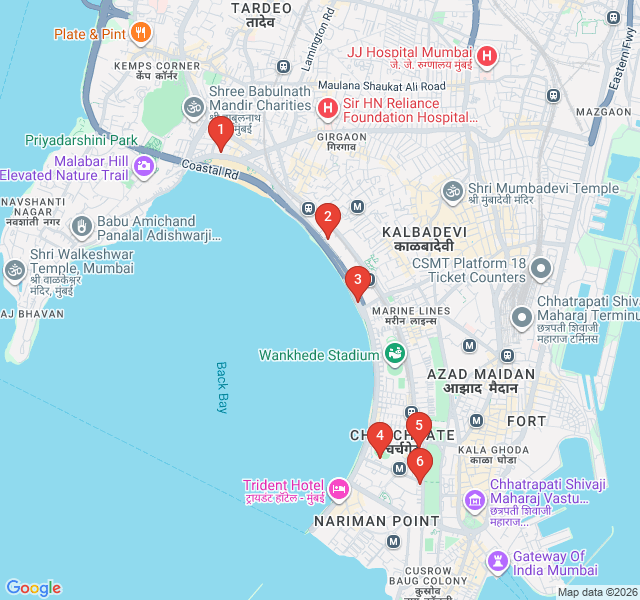
Numbers indicate the order of stops on the tour
Start exploring with Zigway at Wilson College, one of India’s oldest institutions for higher education. Founded in 1832 by the Scottish missionary John Wilson, this building is a magnificent example of Victorian Gothic architecture. Notice the deep recessed arches and the use of local stone, which gives the structure its characteristic weathered look. While much of the upcoming route focuses on the Art Deco era, Wilson College serves as a reminder of the earlier British colonial influence that defined Mumbai’s skyline. It sits at the northern tip of Marine Drive, overlooking Chowpatty Beach, marking the transition from the bustling sands to the sophisticated promenade that lies ahead.
A short walk south brings you to the Taraporevala Aquarium, India's oldest aquarium. While it underwent a modern renovation in 2015, the site itself has been a landmark since 1951. For those interested in the neighborhood's evolution, the aquarium represents the mid-century push for public educational spaces along the newly reclaimed sea face. The architecture here is more functional than the surrounding residential blocks, but it remains a nostalgic touchstone for Mumbaikars. It marks the beginning of the dense cluster of buildings that would eventually form the 'Art Deco' spine of the city, standing as a gateway to the more ornate structures further down the road.
Step onto the wide walkway of Marine Drive, affectionately known as the 'Queen's Necklace' because the streetlights at night resemble a string of pearls. This 3.6-kilometer boulevard was built on land reclaimed from the sea in the 1920s and 30s. As you walk, observe the tetrapods—the four-legged concrete structures along the shore—which protect the promenade from the Arabian Sea’s powerful waves. This stretch is the heart of Mumbai’s social life, where residents come to escape the city’s claustrophobia. The buildings lining the road here represent the height of the Art Deco movement in India, featuring rounded corners, continuous balconies, and 'frozen fountain' motifs that symbolize progress and modernity.
As you move slightly inland towards the Churchgate area, you encounter the Cricket Club of India and the Brabourne Stadium. This is a cathedral of sport, but its architectural significance is equally high. Built in the late 1930s, the clubhouse is a prime example of Art Deco applied to leisure and athletics. Look for the geometric symmetry and the use of reinforced concrete, which allowed for the sleek, horizontal lines that were the height of fashion at the time. The CCI has hosted some of the most legendary figures in cricket history, and its presence here highlights how Art Deco was the preferred style for the city's elite social clubs during the interwar period.
Behold the Eros Cinema, often described as a 'wedding cake' due to its tiered, ziggurat-like roofline. Opened in 1938, this building is a masterpiece of the streamlined Art Deco style. The facade is clad in red sandstone from Agra, contrasting with the cream-colored trim. Notice the intricate carvings depicting scenes of industry and travel, which are hallmark themes of the era. The interior foyer, which you can often peek into, features grand staircases and marble finishes that transport you back to the golden age of cinema. Eros was built to be a statement of Mumbai's cosmopolitan identity, standing proudly at the head of the Churchgate railway terminus.
Conclude your self-guided adventure at Empress Court, one of the most photographed residential buildings in the city. This structure perfectly encapsulates the 'Nautical Deco' sub-style. Look for the porthole windows, the balcony railings that resemble a ship's deck, and the undulating curves of the exterior walls. These features were intended to evoke the luxury and glamour of the great ocean liners of the 1930s. Empress Court is part of the specific cluster of buildings that earned Mumbai its UNESCO World Heritage status. It represents a time when architects and homeowners alike embraced a new, global aesthetic, moving away from traditional styles to create a unique, Indian interpretation of modernism.
Download Zigway to experience "Art Deco Elegance of Marine Drive" with AI-powered audio narration. Walk at your own pace while stories unfold around you.
 Challenging
Mumbai, India
Experience the sensory explosion of Mumbai's historic markets on this challenging self-guided walk through Kalbadevi and Crawford Market.
 Easy
EasyMumbai, India
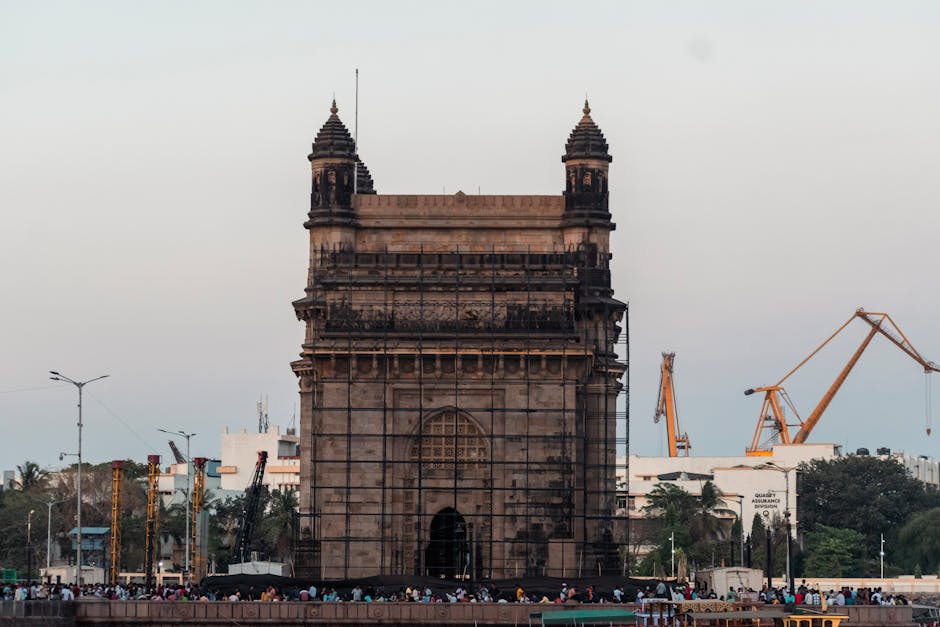
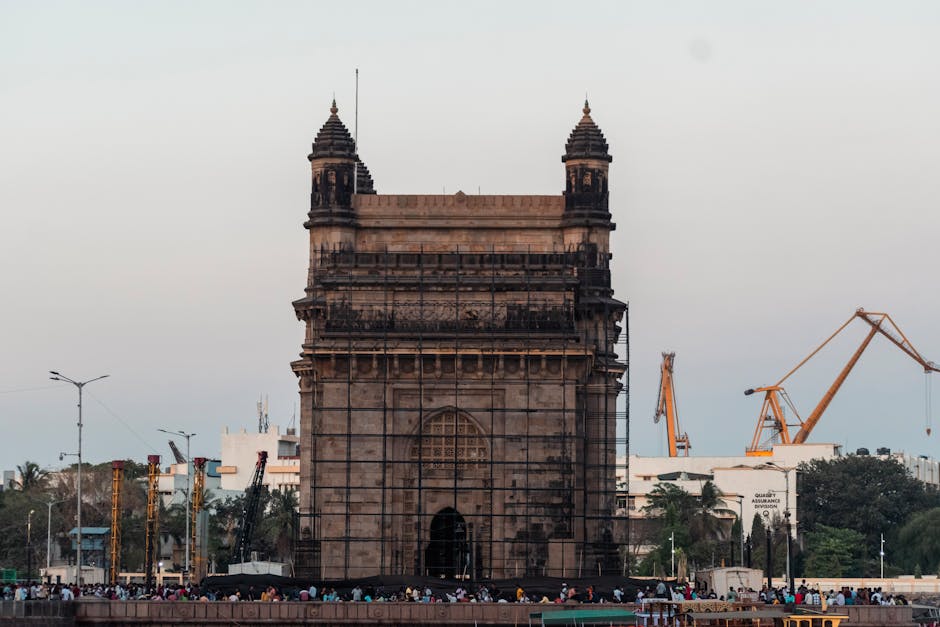
Explore Mumbai's colonial legacy on this self-guided walk through Colaba's iconic landmarks, from the Gateway of India to grand Art Deco palaces.
 Moderate
Mumbai, India
Explore the ancient fishing village of Worli Koliwada, historic forts, and stunning sea views on this self-guided cultural walking route.
 Easy
EasyMumbai, India
Discover vibrant murals and centuries-old heritage in Bandra’s hidden lanes on this self-guided neighborhood stroll through Ranwar and Chapel Road.
 Easy
EasyGdansk, Poland
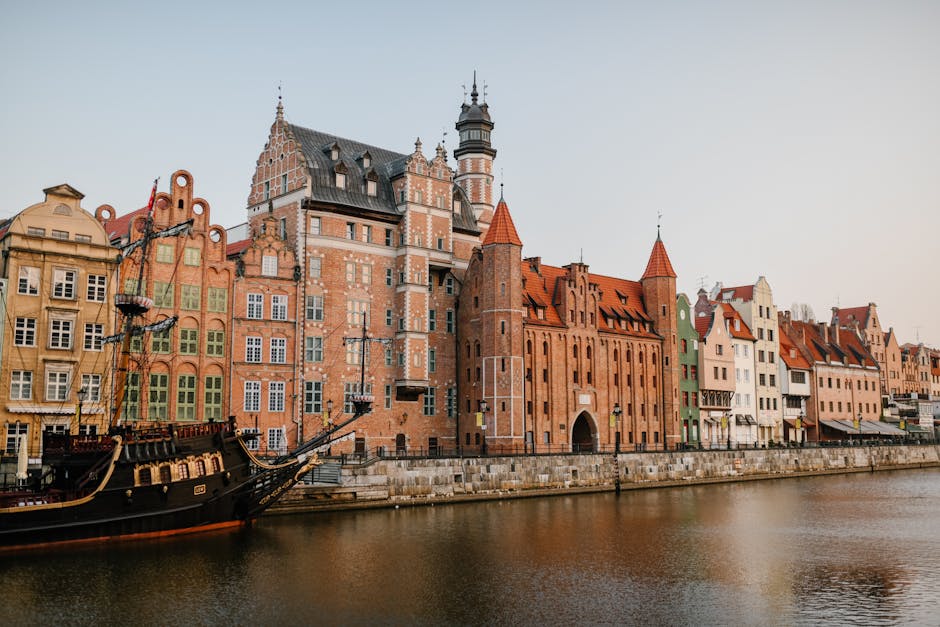
Discover the 'Baltic Gold' on this self-guided walk through Gdansk's historic mills, massive cathedrals, and the magical Mariacka Street.
 Easy
EasyNairobi, Kenya
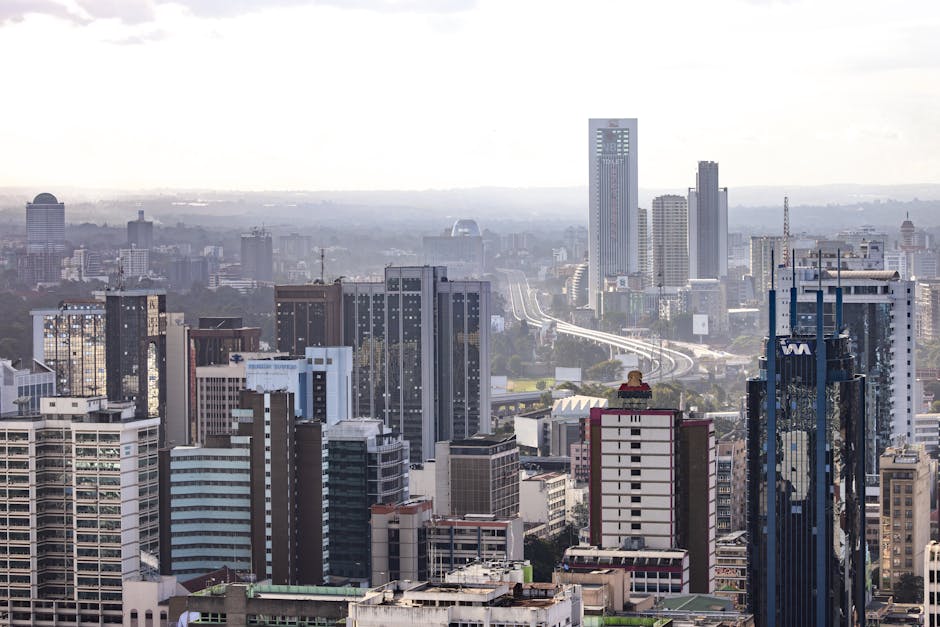
Discover Nairobi's iconic skyline on this self-guided architecture walk through the CBD’s most famous modernist and Brutalist landmarks.
 Easy
EasyKrakow, Poland
Explore the historic heart of Kazimierz on this self-guided walk through synagogues, ancient cemeteries, and vibrant squares.
 Moderate
Krakow, Poland
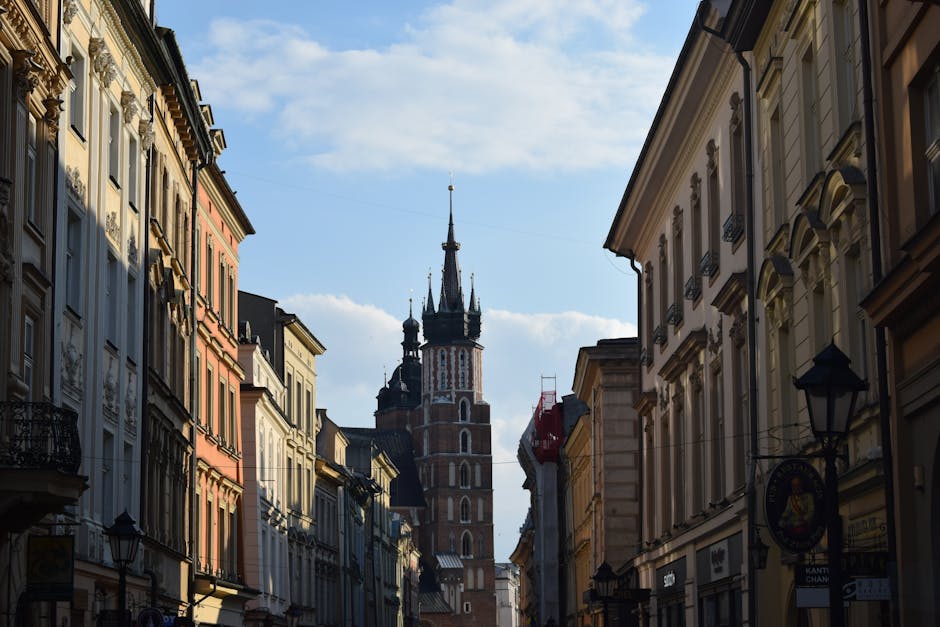
Discover Krakow’s stunning skyline and riverside charm on this self-guided audio walk through scenic viewpoints and historic mounds.
 Challenging
Delhi, India
Explore the legendary flavors of Old Delhi on this self-guided audio walk through the historic markets and hidden food stalls of the Walled City.
 Easy
EasyDelhi, India
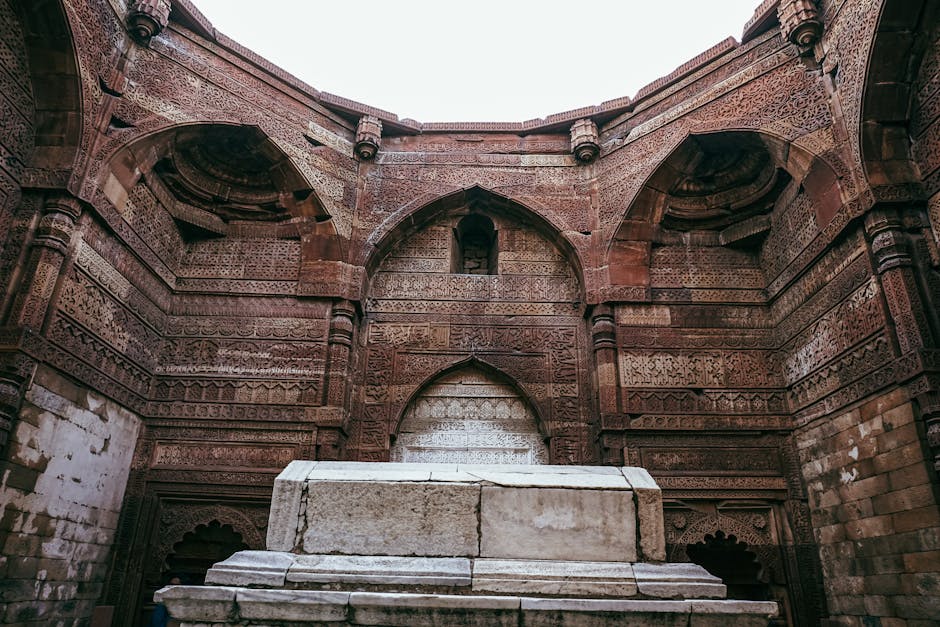
Explore where 14th-century ruins meet high-end fashion in Delhi's most creative urban village on this self-guided neighborhood stroll.
 Moderate
Delhi, India
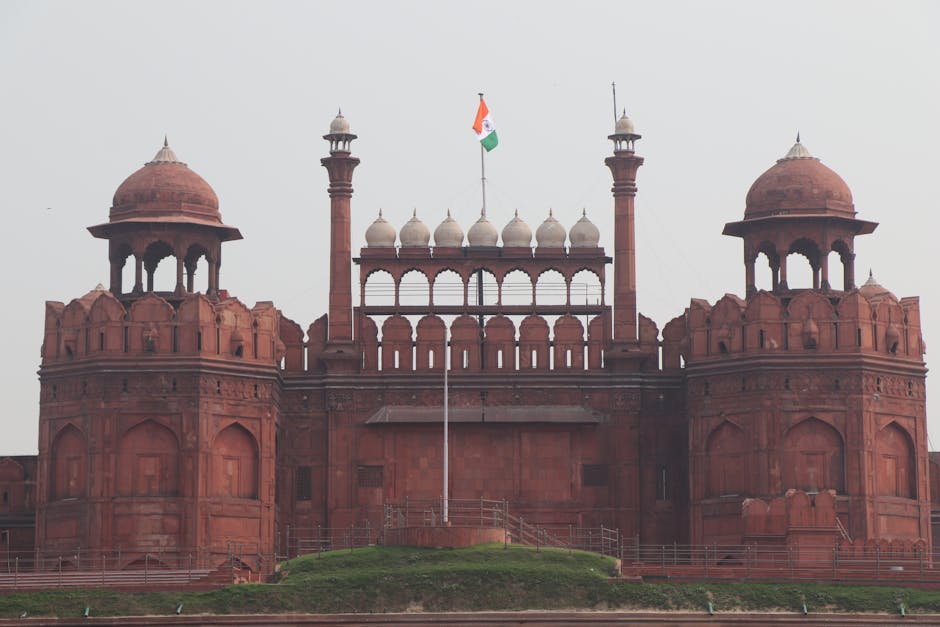
Explore Delhi's soul from the markets of Janpath to the hidden alleys of Little Tibet on this culture-rich, self-guided food and neighborhood stroll.
 Challenging
Delhi, India
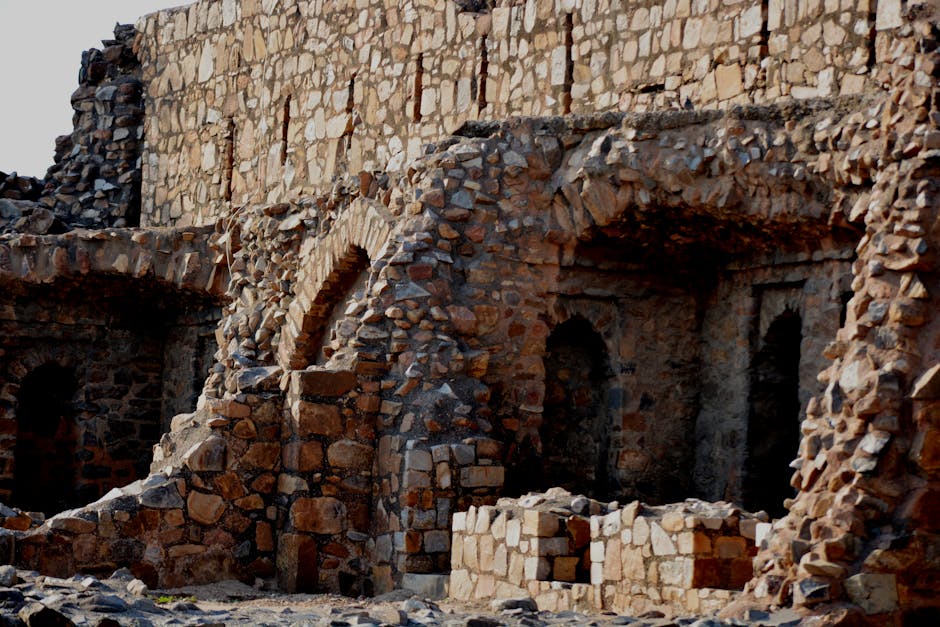
Experience the sensory magic of Old Delhi on this self-guided walk through historic spice markets, silver lanes, and grand Mughal monuments.
