Embark on an independent journey across the diverse landscape of Delhi, culminating in the serene and aromatic alleys of 'Little Tibet.' This self-guided walk offers a unique perspective on India's capital, bridging the gap between the grand colonial architecture of Connaught Place and the intimate, incense-scented lanes of the Majnu Ka Tilla Tibetan colony. Your neighborhood stroll begins in the heart of the city at Janpath, where the legacy of traditional Indian handicrafts meets modern commerce. As you explore, you will experience the evolution of Delhi’s culinary identity, from the legendary South Indian flavors of Saravana Bhavan to the heritage bakes of Wenger’s, a staple since the 1920s. This walking route is designed for those who wish to discover at their own pace, moving from the bustling high-fashion corridors of Khan Market to the bargain-hunter's paradise of Sarojini Market, before heading north to the spiritual and cultural refuge of the Tibetan community. The highlight of this exploration is the transition into Majnu Ka Tilla. Named after a 15th-century Sufi saint, this enclave became a home for Tibetan refugees in the 1960s. Today, it stands as a vibrant cultural hub where the sound of prayer wheels and the smell of spicy laphing create an atmosphere unlike anywhere else in the city. You will have the opportunity to visit the local monastery, sample authentic Himalayan street food, and relax in the modern, cozy environment of AMA Cafe. This route isn't just a walking tour Delhi; it is a deep dive into the layers of migration, faith, and food that define the city. Whether you are interested in the historical significance of Gurudwara Majnu Ka Tilla or simply want to find the best hidden-gems in the city's markets, this audio walk provides the context you need for a rich, independent adventure. Prepare to see a side of Delhi that remains hidden from the typical tourist paths, focusing on the stories of the people and the flavors of the streets. **Note:** This area is known for its ever-changing character. Street art, pop-up venues, and temporary exhibitions may differ from what's described. That's part of the adventure - you might discover something entirely new!
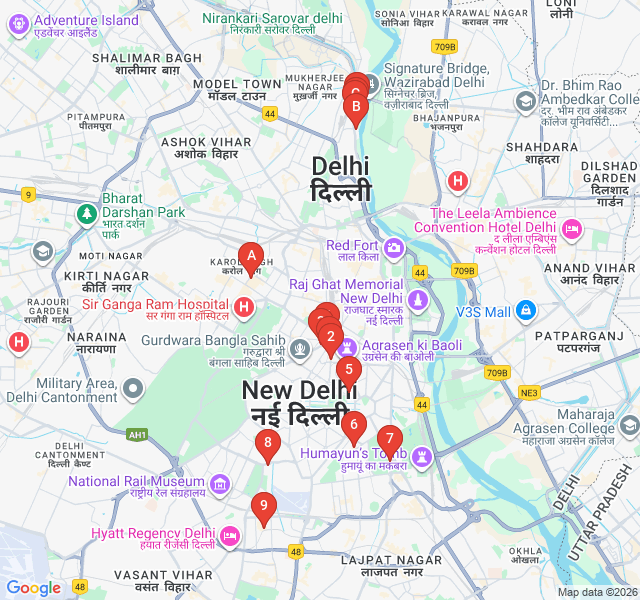
Numbers indicate the order of stops on the tour
Start exploring with Zigway at Janpath Market, one of Delhi’s most iconic shopping destinations. Originally known as Queen's Way, this street connects the modern city center with its colonial past. As you walk past the stalls, notice the incredible variety of Indian handicrafts, from Rajasthani textiles to Tibetan jewelry and brass artifacts. The market has been a hub for travelers and locals alike for decades, offering a glimpse into the diverse artisan traditions of India. It is a place of vibrant colors and constant movement, perfectly capturing the energetic spirit of the capital.
For a taste of the South in the heart of the North, this stop is a culinary institution. Saravana Bhavan is world-renowned for its authentic Tamil vegetarian cuisine. While the queues are often long, the efficiency inside is legendary. This spot represents the migration of flavors within India, bringing the crisp dosas and aromatic sambar of Chennai to the people of Delhi. It's a reminder that Delhi's food scene is a mosaic of every corner of the country, maintained with high standards and a commitment to traditional recipes.
Just a short distance away, you'll find Jain Chawal Wale, a favorite among office workers and students. This humble eatery is famous for its Rajma Chawal—red kidney beans served with rice—a quintessential North Indian comfort food. The fast-paced service and no-frills setting offer a glimpse into the daily life of a busy Delhiite. It's a place where the focus is entirely on the flavor, demonstrating how street-side staples have become the heartbeat of the city's midday routine.
Step into Wenger’s, the oldest bakery in Delhi, established in 1926 by a Swiss couple. Located in the inner circle of Connaught Place, its high ceilings and Art Deco charm evoke a bygone era of colonial elegance. Wenger’s was the first to introduce pastries, mousses, and Swiss chocolates to the city's elite. Today, it remains a beloved landmark, where generations of families come to buy their signature patties and cakes. It stands as a testament to the European influences that shaped the social life of New Delhi during the early 20th century.
This canteen is a hidden-gem for those who love spicy, authentic regional food. Located within the state government's representative building, the Andhra Bhavan canteen serves what many consider the best South Indian thali in the city. The atmosphere is communal and bustling, with servers moving quickly to refill your plate. It highlights a unique aspect of Delhi: the state Bhavans, which act as cultural and culinary outposts for India's many states, allowing residents to travel the country through their taste buds without leaving the city.
Transition to the upscale environment of Khan Market. Established in 1951 and named after Khan Abdul Jabbar Khan, this market has evolved into one of the most expensive retail locations in the world. It is a neighborhood stroll through luxury boutiques, specialized bookstores, and chic cafes. Unlike the chaotic street markets, Khan Market offers a sophisticated, curated experience, reflecting the lifestyle of Delhi’s diplomatic and intellectual circles. It's a great place to observe the modern, affluent face of the city while browsing through high-end Indian labels.
As you pass by The Oberoi, you are looking at a landmark of Indian hospitality. Opened in 1965, it was the first hotel in India to offer 24-hour personal butler service. It has hosted royalty, heads of state, and celebrities for decades. The hotel overlooks the lush greenery of the Delhi Golf Club and the UNESCO World Heritage site of Humayun's Tomb in the distance. Its presence in this neighborhood signifies the blend of luxury and heritage that characterizes this part of South-Central Delhi.
Diggin Cafe is an Instagram-worthy spot known for its lush, floral decor and whimsical atmosphere. It represents the modern 'cafe culture' that has swept through Delhi's younger generation. With its brick walls and hanging lanterns, it feels like a secret garden tucked away from the city's noise. While the menu is international, the vibe is purely Delhi—a mix of aesthetic beauty and relaxed socializing. It is a popular local favorite for those looking to escape the hustle for a quiet moment or a picturesque photo.
Prepare for a change of pace at Sarojini Market, the ultimate destination for budget-friendly fashion. This market is famous for export surplus garments, where you can find high-street brands at a fraction of their original price. It is a sprawling labyrinth of stalls where bargaining is an essential skill. Sarojini is more than just a market; it's a rite of passage for students and fashionistas in Delhi. The sheer volume of clothes and the energy of the crowds make it a quintessential Delhi experience where the thrill of the hunt is part of the fun.
Karol Bagh is one of the oldest and most diverse shopping areas in Delhi, blending residential life with massive commercial enterprise. It is famous for its bridal wear, jewelry, and electronics. Walking through Karol Bagh, you'll see the 108-foot tall Hanuman statue towering over the metro line nearby. This area shows the commercial grit of the city, where tradition and modernity collide. It is a place where you can find everything from ancient spices to the latest gadgets, all within a few blocks of each other.
We now move toward the banks of the Yamuna River to the historic Gurudwara Majnu Ka Tilla. The site is named after a Muslim Sufi saint, nicknamed 'Majnu' (the crazed one), who stayed here in meditation. Legend has it that Guru Nanak, the founder of Sikhism, visited him here in the 15th century. The white marble structure you see today is a peaceful sanctuary. It symbolizes the spiritual syncretism of India, where different faiths have shared sacred spaces for centuries. It is the gateway to the Tibetan colony that lies just beyond.
Enter the narrow, winding lanes of Majnu-ka-tilla, also known as New Aruna Nagar. This colony was established in 1960 to house Tibetan refugees following the 1959 uprising. As you walk deeper into the neighborhood, the city's roar fades, replaced by the sound of chanting and the flutter of prayer flags. This is a self-guided adventure into a piece of Tibet in the heart of Delhi. The architecture here is vertical and dense, creating a cozy, village-like atmosphere that feels worlds away from the wide boulevards of New Delhi.
At the center of the colony lies the Buddhist Monastery. This is the spiritual heart of the community. Inside, you'll find ornate statues of the Buddha and Guru Rinpoche, surrounded by butter lamps and intricate thangka paintings. Outside, locals and visitors alike walk clockwise around the temple, spinning the large copper prayer wheels. It is a place of quiet reflection and a vital center for preserving Tibetan culture and religion in exile. Take a moment to soak in the peaceful energy and the scent of juniper incense.
No walk through Little Tibet is complete without trying Laphing. This popular Tibetan street food consists of slippery, cold mung bean noodles seasoned with soy sauce, garlic, and a very spicy chili paste. Look for the small stalls or 'hole-in-the-wall' shops where vendors assemble these rolls with incredible speed. It is a flavor explosion—savory, spicy, and refreshing. Laphing has become a cult favorite in Delhi, and this neighborhood is the best place to experience it in its most authentic form. Be sure to ask for the 'dry' or 'soupy' version depending on your preference.
Conclude your independent exploration at AMA Cafe, perhaps the most famous hangout in the colony. With its Himalayan-inspired decor, specialty coffee, and extensive bakery menu, it has become a sanctuary for travelers and students. It represents the modern evolution of the Tibetan community—blending traditional hospitality with contemporary cafe culture. Whether you choose a Himalayan tea or a slice of their famous mud cake, it’s the perfect place to sit back and reflect on the diverse layers of Delhi you’ve uncovered today.
Download Zigway to experience "Little Tibet: A Majnu Ka Tilla Walk" with AI-powered audio narration. Walk at your own pace while stories unfold around you.
 Challenging
Delhi, India
Explore the legendary flavors of Old Delhi on this self-guided audio walk through the historic markets and hidden food stalls of the Walled City.
 Easy
EasyDelhi, India
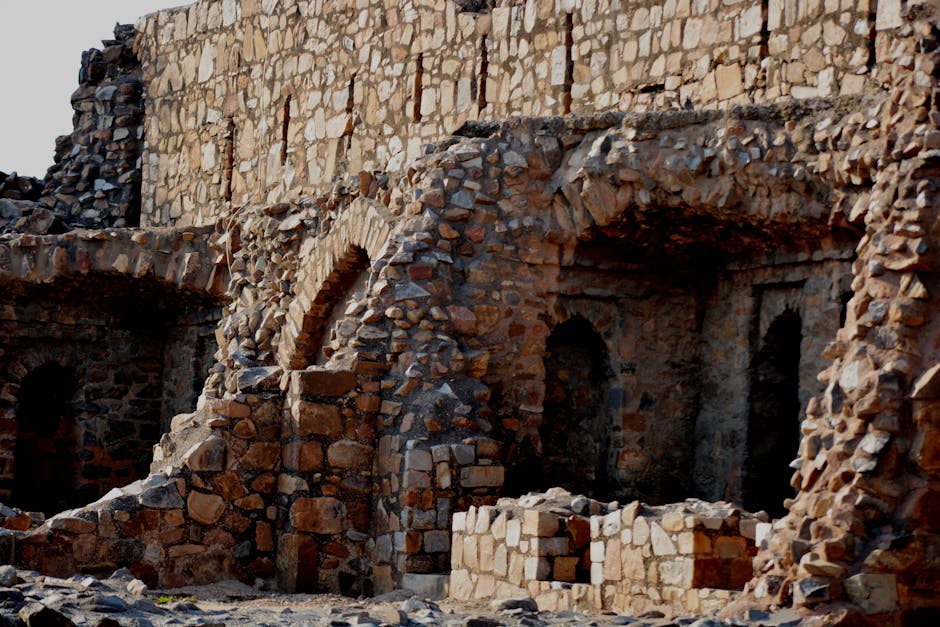
Explore where 14th-century ruins meet high-end fashion in Delhi's most creative urban village on this self-guided neighborhood stroll.
 Challenging
Delhi, India
Experience the sensory magic of Old Delhi on this self-guided walk through historic spice markets, silver lanes, and grand Mughal monuments.
 Moderate
Delhi, India
Uncover the colonial secrets of Delhi's Civil Lines on this self-guided audio walk through 1857 battlefields and Victorian-era architecture.
 Moderate
Nairobi, Kenya
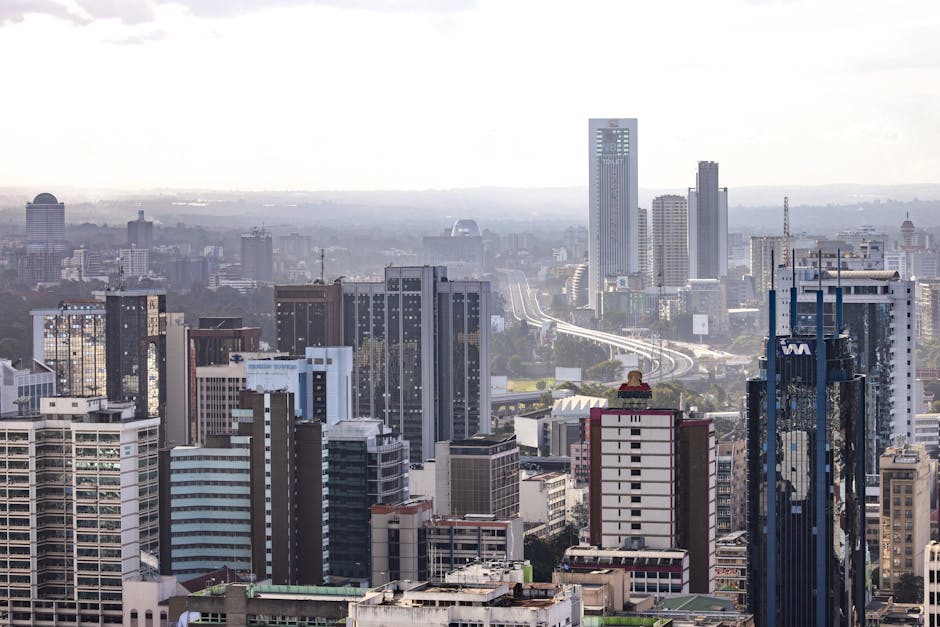
Taste your way through Nairobi's Westlands on this self-guided walk featuring street snacks, cultural landmarks, and hidden foodie gems.
 Easy
EasyGdansk, Poland
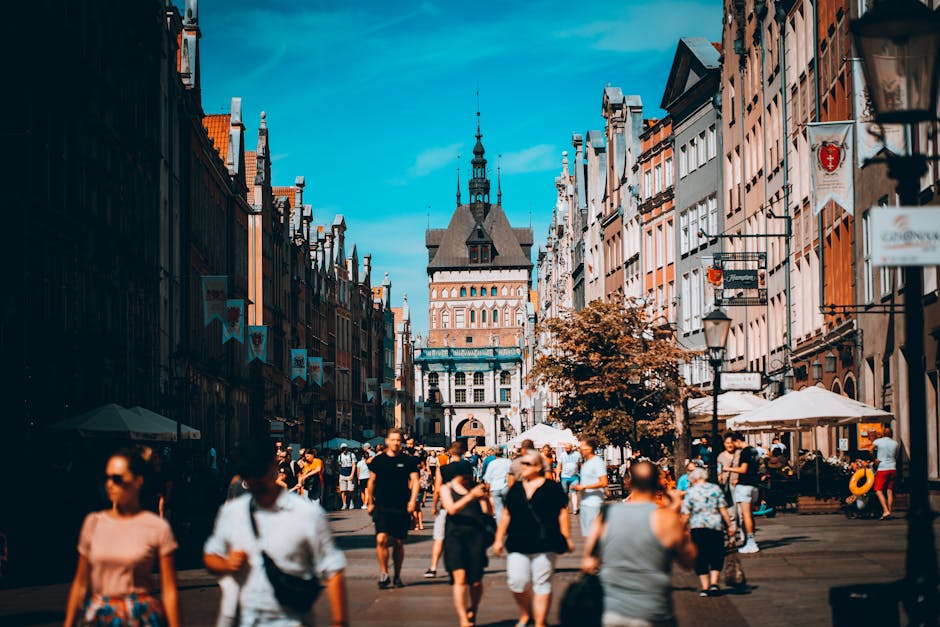
Taste the history of the Baltic. Explore Gdansk's culinary heritage from medieval markets to gold-flecked liqueurs on this self-guided walk.
 Moderate
Gdansk, Poland
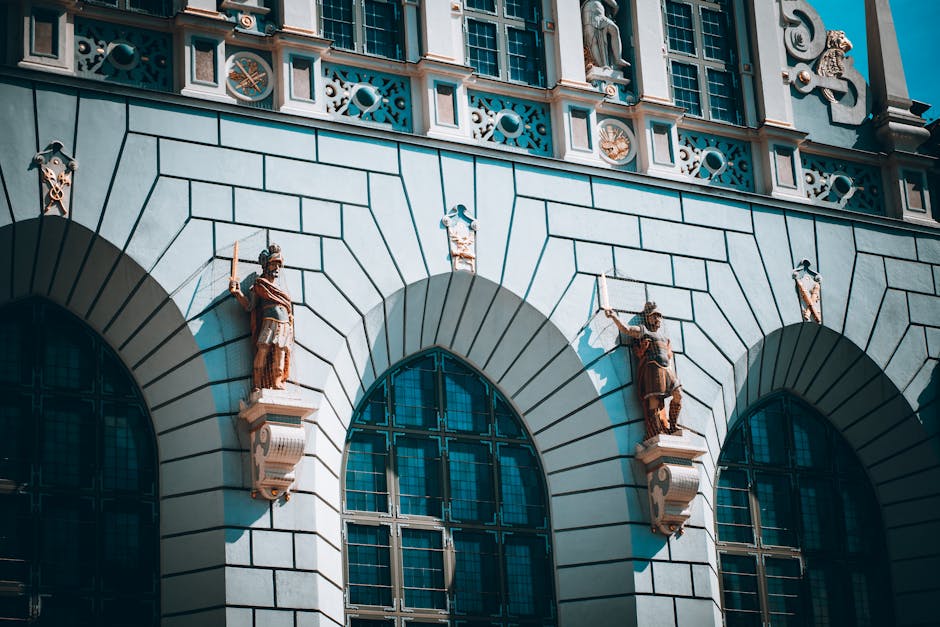
Discover Zaspa, a massive open-air gallery where grey housing blocks are transformed by over 60 monumental murals. Explore at your own pace.
 Moderate
Nairobi, Kenya
Discover Nairobi's lush side on this self-guided walk through botanical gardens, historic memorials, and vibrant local markets.
 Easy
EasyMumbai, India
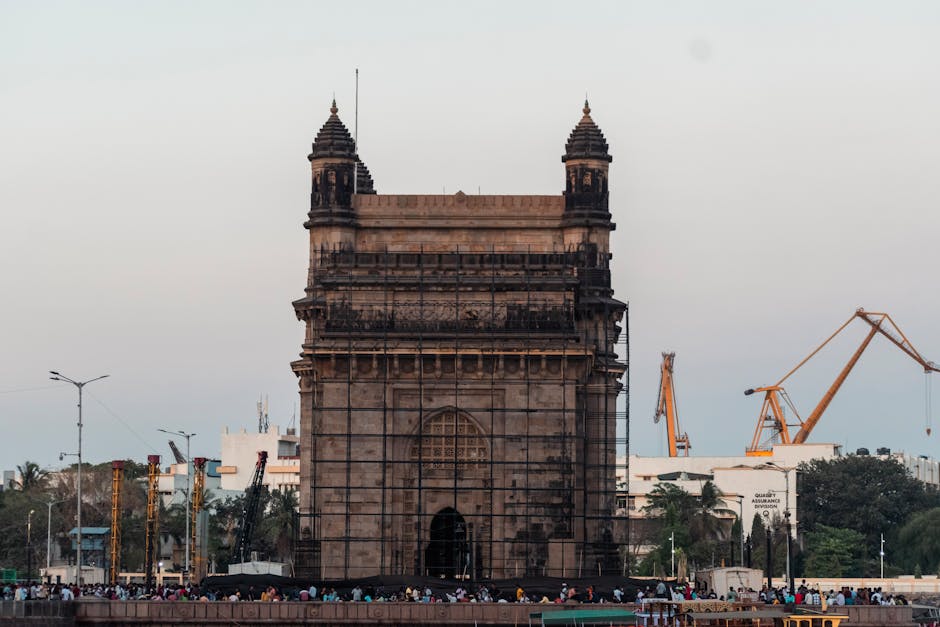
Explore Mumbai's stunning UNESCO Art Deco heritage on this self-guided walking route along the iconic Marine Drive promenade.
 Challenging
Mumbai, India
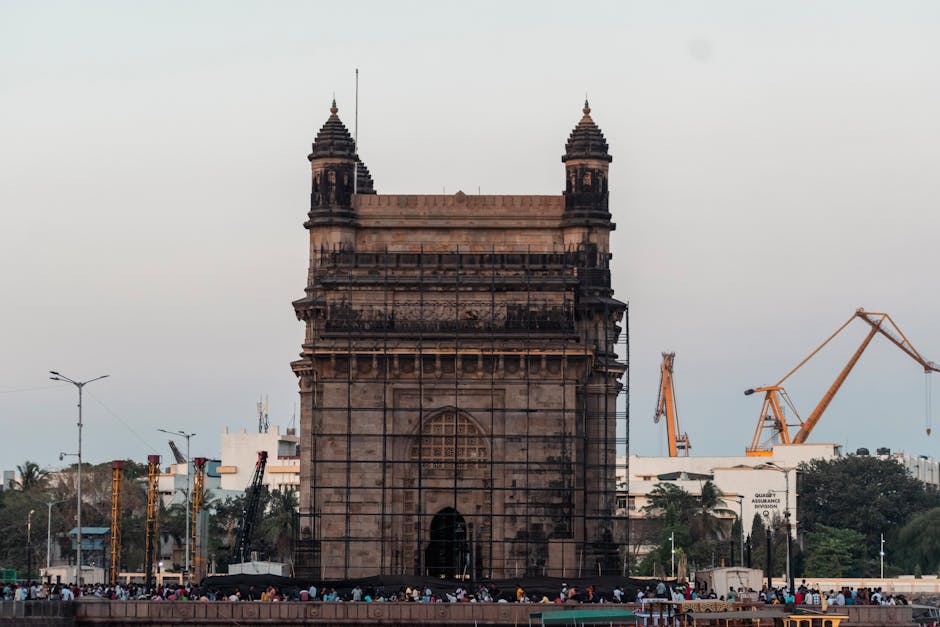
Experience the sensory explosion of Mumbai's historic markets on this challenging self-guided walk through Kalbadevi and Crawford Market.
 Easy
EasyMumbai, India
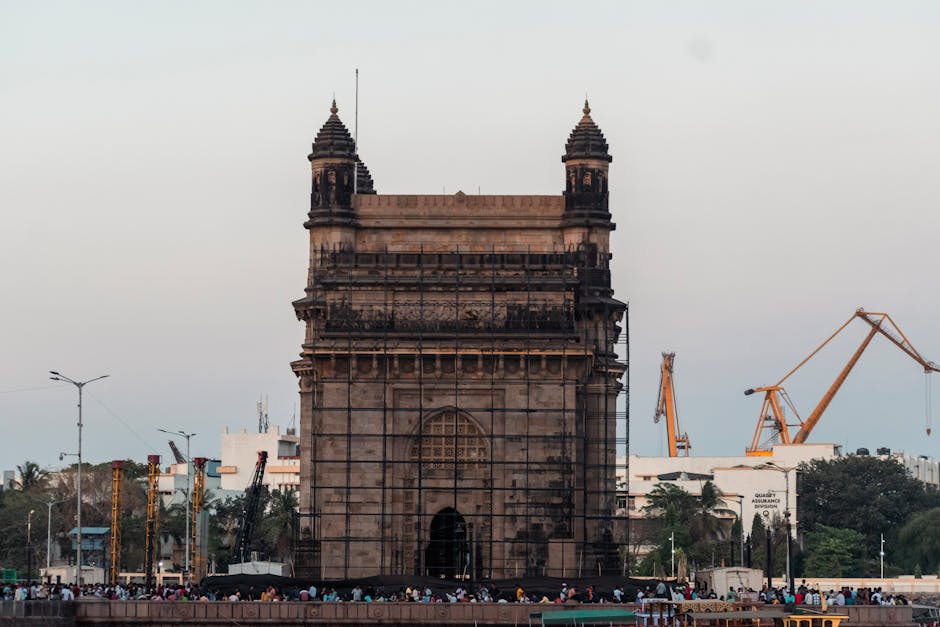
Explore Mumbai's colonial legacy on this self-guided walk through Colaba's iconic landmarks, from the Gateway of India to grand Art Deco palaces.
 Moderate
Mumbai, India
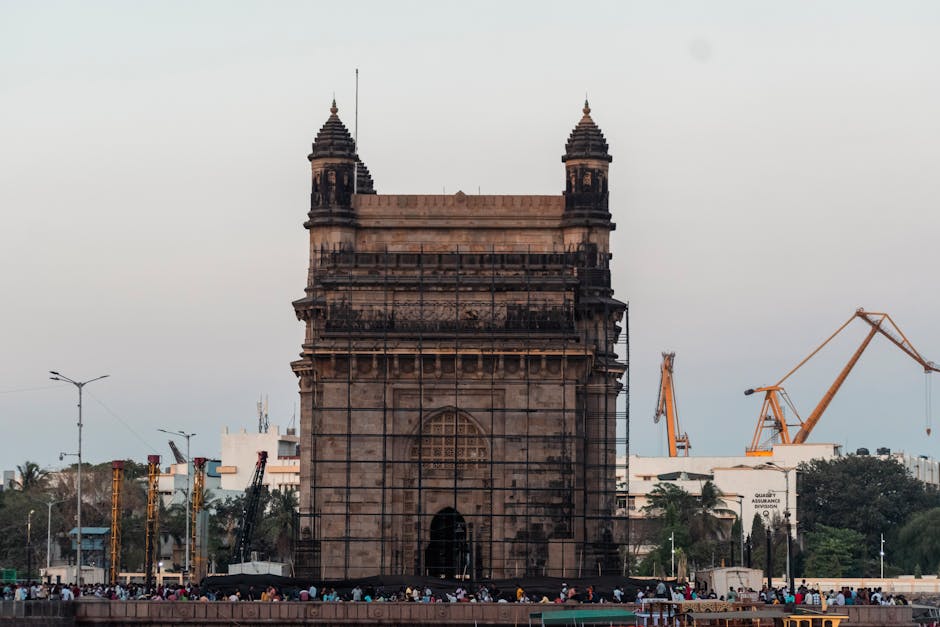
Explore the ancient fishing village of Worli Koliwada, historic forts, and stunning sea views on this self-guided cultural walking route.
