Step away from the classical marble of the city center and discover Rome’s vibrant, industrial heart. This self-guided walk through the Ostiense neighborhood reveals a side of the Eternal City often missed by traditional itineraries. Known as Rome's outdoor urban museum, Ostiense is a place where gritty 20th-century industrial architecture meets world-class contemporary muralism. Throughout this walking route, you will witness the transformation of an old working-class district into a cultural powerhouse, characterized by massive silos, iron structures, and colorful street art that stretches across entire apartment blocks. Your journey begins at the striking Pyramid of Caius Cestius, a reminder of Rome's ancient obsession with Egypt, which now serves as the gateway to the city’s modern evolution. As you move deeper into the neighborhood, the scenery shifts from ancient stone to the 'Iron Colosseum'—the Gazometro—which dominates the skyline. This area became the canvas for the 'Ostiense District' project, an initiative that invited international artists to revitalize the neighborhood’s walls. You will encounter works by world-renowned artists like Blu, whose massive mural on a former barracks features a kaleidoscope of colorful faces, and Axel Void, known for his hauntingly beautiful portraits. Beyond the art, this neighborhood stroll explores industrial archaeology. You will see how former power plants have been repurposed into stunning museums, like the Centrale Montemartini, where classical Roman statues stand in stark contrast against retired diesel engines. This juxtaposition of the ancient and the mechanical is unique to this part of the city. This walking tour Rome experience is perfect for photography enthusiasts and those looking to understand the contemporary soul of the city. The route concludes at the massive Eataly complex, a temple to Italian gastronomy housed in a repurposed air terminal, providing the perfect spot to refuel after your exploration. Discovering Ostiense independently allows you to linger at each mural and soak in the authentic, unpolished atmosphere of a Roman neighborhood that is constantly reinventing itself. **Note:** This area is known for its ever-changing character. Street art, pop-up venues, and temporary exhibitions may differ from what's described. That's part of the adventure - you might discover something entirely new!
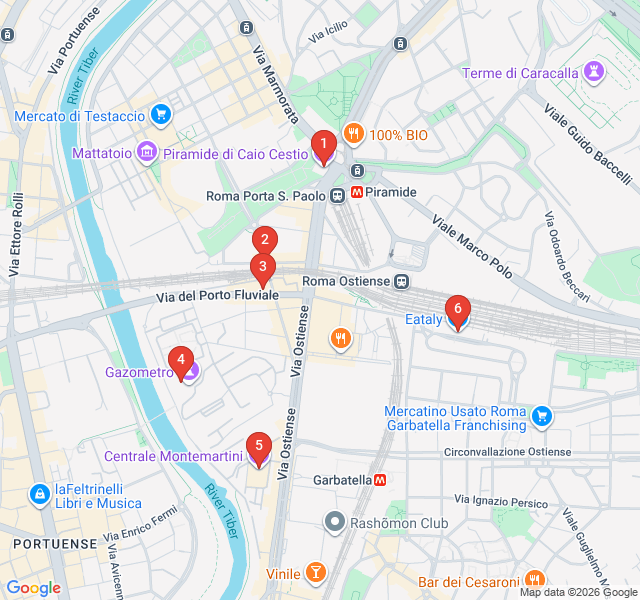
Numbers indicate the order of stops on the tour
Your self-guided adventure starts at one of Rome's most unexpected landmarks: a 36-meter high white marble pyramid. Built around 12 BC as a tomb for a wealthy Roman magistrate, it reflects the 'Egyptomania' that swept Rome after the conquest of Egypt. While it looks out of place next to the busy Ostiense traffic, it serves as the perfect starting point for a walk that explores Rome's ability to blend different eras. Take a moment to admire the preservation of the marble before heading south into the heart of the industrial district. This structure was later incorporated into the Aurelian Walls, which you can still see running alongside it.
As you turn onto Via delle Conce, the industrial character of the neighborhood begins to take over. This street is a focal point for the Ostiense District street art project. Look for the large-scale murals that often change or get updated; street art is by nature temporary and evolving. You might see works by artists like Herbert Baglione or Sten Lex. This area was once dominated by tanneries and warehouses, but today the brick walls serve as a massive canvas. The art here often carries social or political messages, reflecting the neighborhood's working-class roots and its modern, rebellious spirit.
This stop isn't just about food; it's about the building itself. Look across the street at the former military barracks. The facade is covered in one of Rome's most famous murals by the artist Blu. It features 28 colorful, monstrous faces that incorporate the building's windows as eyes. Blu is a legendary figure in the street art world, known for his anonymity and large-scale critiques of capitalism and pollution. This specific work took days of labor and is a landmark of the district. The building itself, once an abandoned warehouse, now houses a popular restaurant, symbolizing the gentrification and creative rebirth of Ostiense.
Standing tall over the Tiber River is the Gazometro, often called the 'Iron Colosseum.' Built in the 1930s to store the city's gas supply, this skeletal metal structure is the ultimate symbol of industrial Rome. Though no longer in use, it has become a beloved icon of the skyline and a frequent backdrop for Italian films and fashion shoots. It represents the era when Ostiense was the engine of Rome’s modernization. The surrounding area is now a hub for nightlife and tech startups, but the looming presence of the Gazometro keeps the neighborhood’s industrial soul alive.
This is perhaps the most unique museum in Rome. The Centrale Montemartini was the city's first public electricity plant. When the Capitoline Museums needed more space, they moved a portion of their classical sculpture collection here. The result is a stunning visual contrast: serene white marble gods and goddesses from ancient Rome posed against a backdrop of massive, dark iron diesel engines and steam turbines. It is a perfect metaphor for the neighborhood—where the ancient past and the industrial future collide in a way that is uniquely Roman. Note that entrance to the interior requires a ticket, but the exterior architecture is worth viewing even if you don't go inside.
Your walking route ends at Eataly, a massive food hall located inside what was once the Air Terminal for the 1990 World Cup. This building was largely abandoned for years before being transformed into this culinary destination. It’s a great example of 'urban recycling.' Inside, you can find every Italian delicacy imaginable, from fresh pasta to artisanal gelato. It’s the perfect place to conclude your stroll through the 'new' Rome, reflecting on the layers of history you’ve passed—from an ancient pyramid to industrial gas tanks, and finally to modern Italian lifestyle and design.
Download Zigway to experience "Industrial Soul: Ostiense Street Art Trail" with AI-powered audio narration. Walk at your own pace while stories unfold around you.
 Easy
EasyRome, Italy
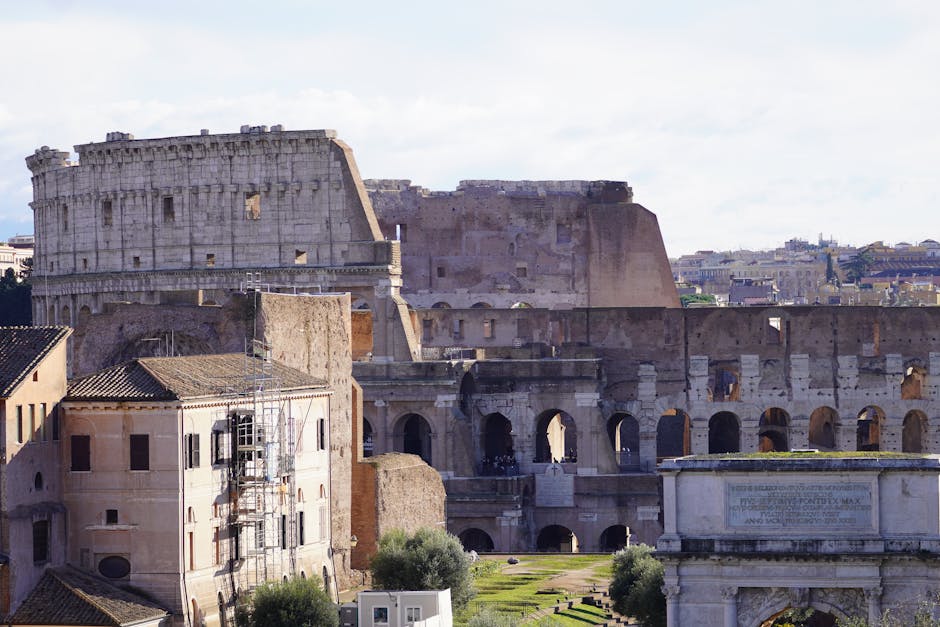
Explore Rome’s whimsical Fairytale District. A self-guided walk through Art Nouveau palaces, mythical fountains, and the magical Coppedè architecture.
 Moderate
Rome, Italy
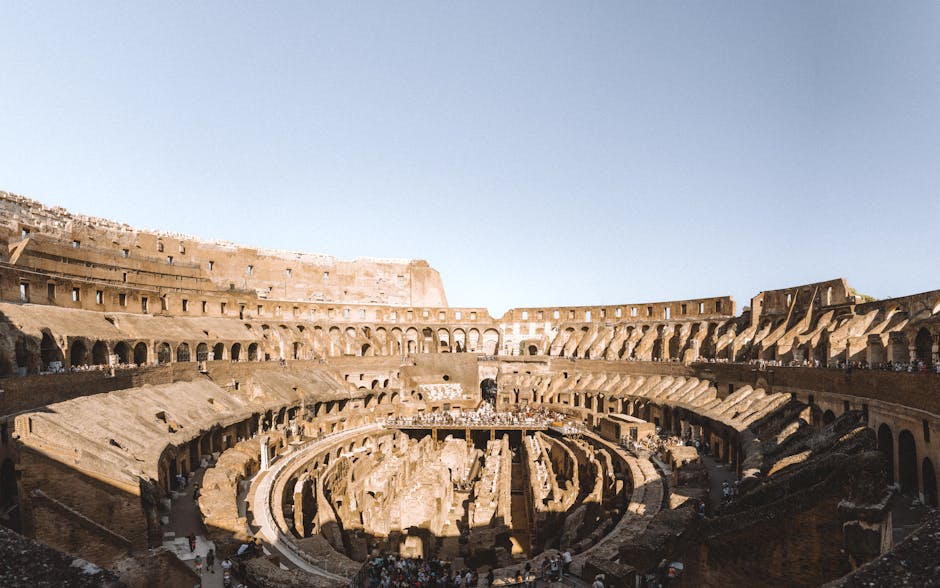
Uncover Rome's hidden history on this self-guided walk through ancient gladiator pits, subterranean temples, and buried Roman houses.
 Challenging
Rome, Italy
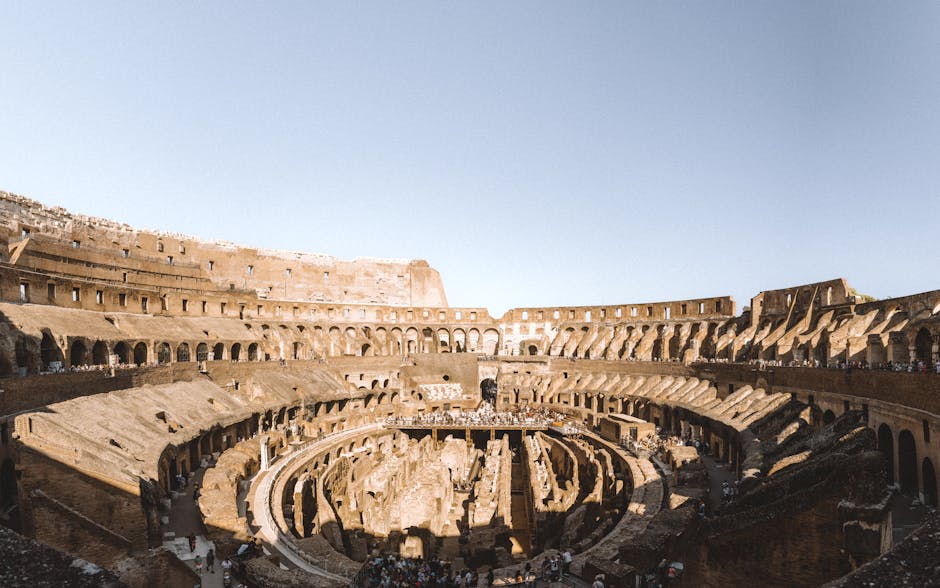
Walk the 'Queen of Roads.' Explore ancient catacombs, imperial villas, and historic basalt stones on this scenic self-guided Roman adventure.
 Easy
EasyRome, Italy
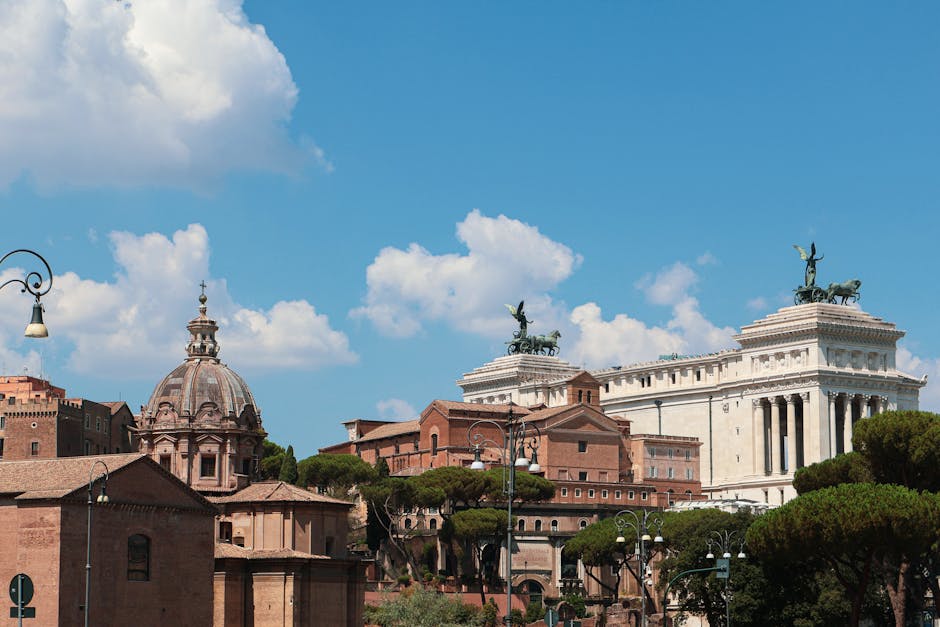
Explore Rome’s authentic kitchen on this self-guided walk through Testaccio’s ancient markets, olive oil mountains, and legendary food stalls.
 Easy
EasyKrakow, Poland
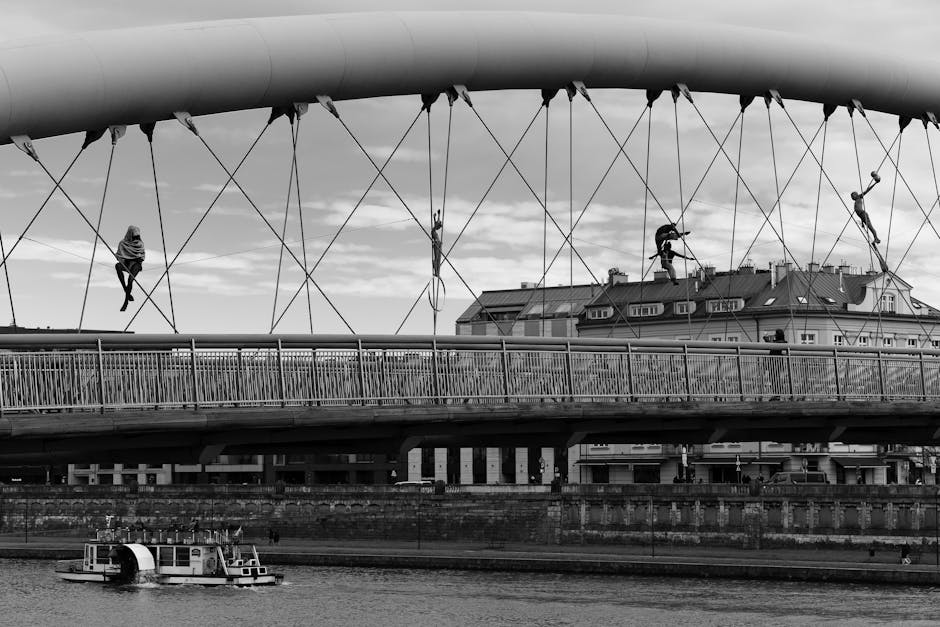
Discover Krakow’s creative soul in Zabłocie, exploring industrial heritage, contemporary art museums, and avant-garde architecture at your own pace.
 Easy
EasyVienna, Austria
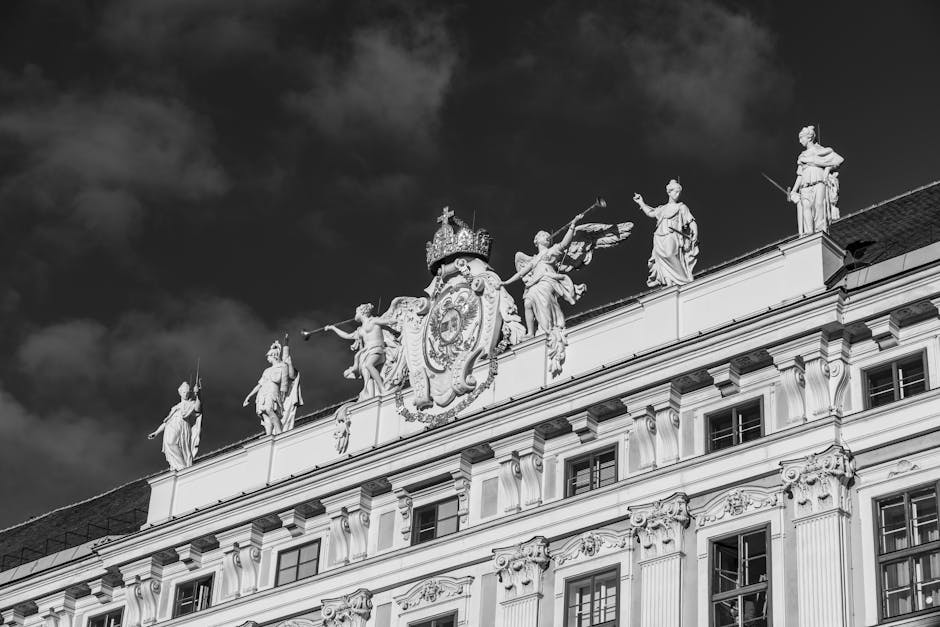
Explore Vienna’s vibrant open-air gallery along the Danube Canal on this self-guided street art and nightlife stroll through Leopoldstadt.
 Easy
EasyGdansk, Poland
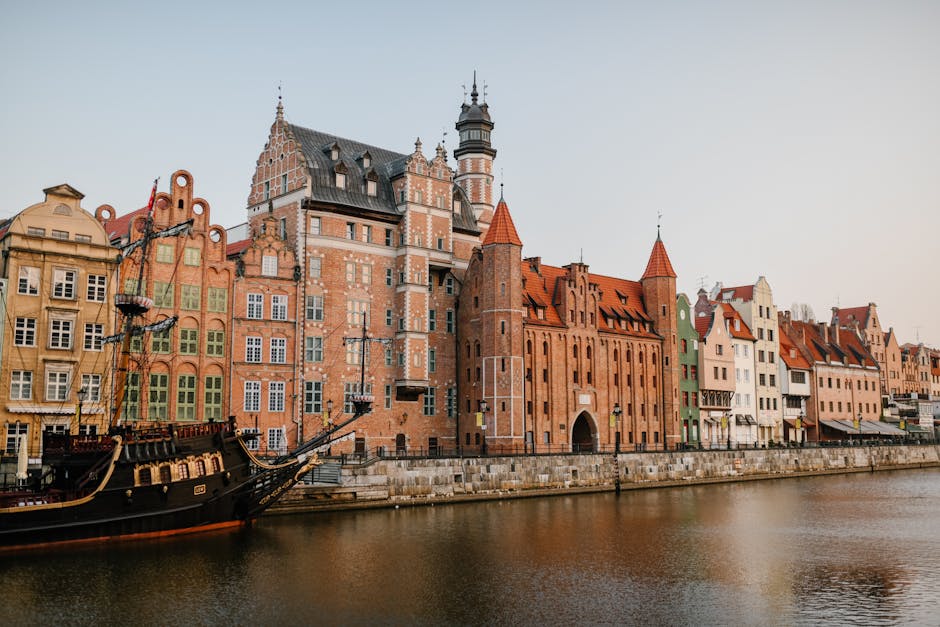
Discover the 'Baltic Gold' on this self-guided walk through Gdansk's historic mills, massive cathedrals, and the magical Mariacka Street.
 Moderate
Gdansk, Poland
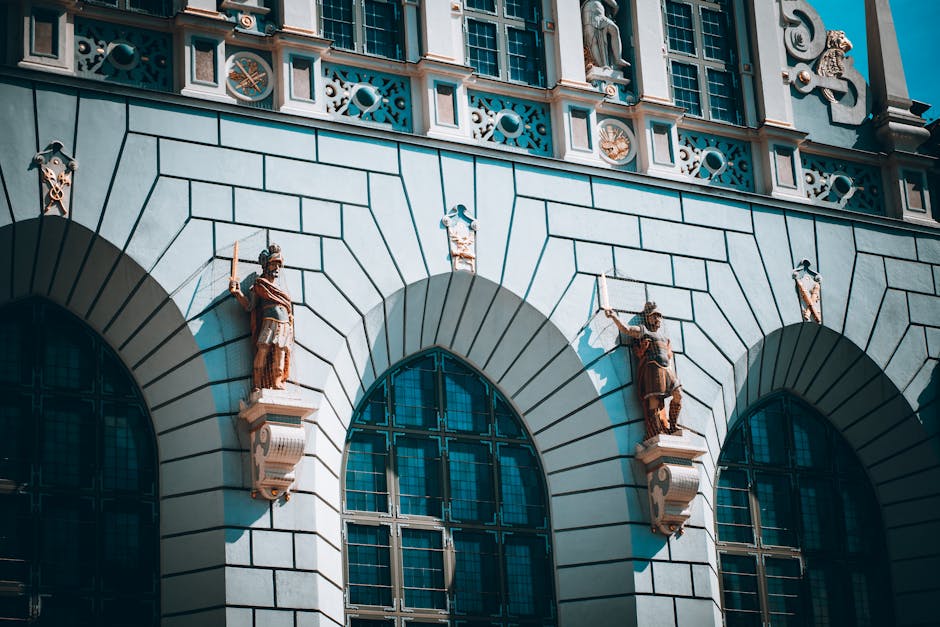
Discover Zaspa, a massive open-air gallery where grey housing blocks are transformed by over 60 monumental murals. Explore at your own pace.
 Easy
EasyFlorence, Italy
Discover the intersection of Renaissance architecture and modern luxury on this self-guided walk through Florence’s high-fashion districts.
 Easy
EasyFlorence, Italy
Explore the medieval streets of Florence through the eyes of Dante Alighieri on this self-guided literary and historical walking route.
 Easy
EasyFlorence, Italy
Experience the magic of Florence at sunset. Discover iconic bridges and breathtaking river views on this romantic self-guided audio walk.
 Easy
EasyFlorence, Italy
Discover the 'buchette del vino'—Florence's unique Renaissance wine windows—on this self-guided walk through the city's historic streets.
