Escape the bustling crowds of the Colosseum and the Pantheon to discover a hidden corner of Rome where fantasy and reality blur. The Coppedè district is not a neighborhood in the traditional sense, but a magnificent architectural experiment tucked away in the Trieste district. This self-guided walk invites you to explore an extraordinary collection of buildings that look like they were plucked straight from a fairytale or a film set. Designed by the visionary architect Gino Coppedè in the early 1920s, this area is a whimsical riot of Art Nouveau (known in Italy as Stile Liberty), Baroque, Medieval, and even ancient Greek influences. On this neighborhood stroll, you will wander through a labyrinth of ornate facades, mythical creatures, and intricate ironwork that defies the standard Roman aesthetic. The journey begins at the gateway to the district, where a massive, decorated archway signals your entry into a different world. As you follow this walking route, you will encounter the famous Fountain of the Frogs—a whimsical centerpiece where legend says the Beatles once cooled off after a concert—and the striking Spider Palace, named for the golden mosaic arachnid guarding its entrance. The highlight for many is the cluster of 'Fairy Cottages,' which pay tribute to the great cities of Italy through vibrant frescoes and varied materials like travertine, terracotta, and marble. This audio walk is perfect for those who want to explore independently and see a side of the Eternal City that most tourists miss. Whether you are an architecture enthusiast, a photography lover, or simply looking for a peaceful escape, this self-guided adventure provides a unique perspective on Rome’s early 20th-century creative spirit. Every corner reveals a new detail, from hidden sundials to wrought-iron chandeliers, making it one of the most Instagram-worthy spots in the city. Experience the magic of Coppedè at your own pace, soaking in the atmosphere of one of Rome's most eccentric and beautiful secrets.
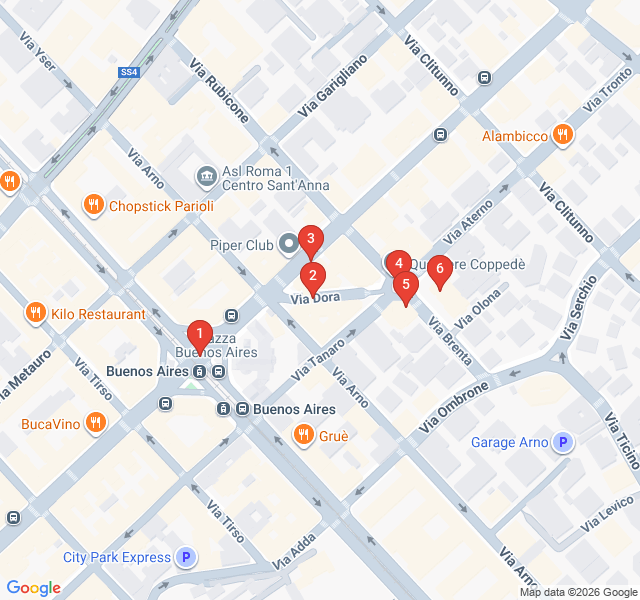
Numbers indicate the order of stops on the tour
Welcome to the edge of the Trieste district. While this square feels like a typical Roman intersection, it serves as the threshold to something extraordinary. Look for the Church of Santa Maria Addolorata; its neo-Gothic facade hints at the eclectic styles you are about to encounter. This area was developed in the early 20th century to provide high-end housing for the Roman elite. As you leave the traffic behind and head toward the heart of the district, notice how the atmosphere shifts from the standard city grid to a more curated, artistic landscape. This is the starting point of your exploration into Gino Coppedè's imagination.
As you turn onto Via Dora, the transition begins. You are now entering the Coppedè district proper. The buildings here start to shed their traditional Roman sobriety, replaced by ornate balconies and unexpected carvings. This short street acts as a psychological corridor, preparing you for the grand entrance ahead. Keep your eyes upward; the detail in the cornices and the varied use of materials—brick, stone, and iron—were all meticulously chosen by Coppedè to create a sense of wonder. It is a quiet street that provides a perfect introductory taste of the 'Stile Liberty' that defines this unique enclave.
Stand before the monumental arch that connects the two Palazzi degli Ambasciatori. This is the grand gateway to the district. The arch is a masterpiece of eclecticism, featuring a massive wrought-iron chandelier hanging from its center—a detail rarely seen in urban architecture. Look closely at the pillars and the ceiling of the arch; you will see a mix of classical figures, shields, and floral patterns. Built between 1917 and 1921, these twin palaces were intended to house foreign diplomats, hence the name. The sheer scale and density of the decoration here set the tone for the architectural marvels waiting just inside.
At the center of Piazza Mincio stands the Fontana delle Rane, or the Fountain of the Frogs. Completed in 1924, this fountain is as playful as it is beautiful. It features eight frogs perched on the edge of the basins, seemingly ready to jump in. Pop culture fans might appreciate the local legend that the Beatles jumped into this very fountain fully clothed after a performance at the nearby Piper Club in 1965. Beyond the celebrity lore, the fountain is a technical marvel of Baroque-inspired stone carving, perfectly positioned to reflect the surrounding buildings in its waters. It serves as the literal and figurative heart of Coppedè.
Facing the fountain is the Palazzo del Ragno, or the Spider Palace. Its name comes from the striking golden spider mosaic located directly above the main entrance. In the early 20th century, the spider was often used as a symbol of industriousness and craftsmanship—a fitting tribute to the labor required to build such a complex district. The building’s facade is heavily influenced by Assyrian and Babylonian motifs, showing Coppedè’s desire to look far beyond Italy for inspiration. Note the ochre and grey tones of the stone and the dramatic loggia on the top floor, which gives the building a fortress-like yet elegant appearance.
This stop brings you to the 'Fairy Cottages,' perhaps the most enchanting structures in all of Rome. This complex of three small villas is a dizzying celebration of Italian heritage. Each side of the buildings is dedicated to a different city: Florence, Venice, and Rome. Look for the frescoes depicting famous figures like Dante and Petrarch, and symbols like the Florentine Lily or the Venetian Lion of St. Mark. The asymmetrical towers, wooden balconies, and intricate leaded glass windows create a silhouette that belongs in a storybook. It is the ultimate expression of Coppedè’s horror vacui—the fear of empty spaces—as every inch is covered in art.
Download Zigway to experience "The Fairytale District: Discovering Coppedè" with AI-powered audio narration. Walk at your own pace while stories unfold around you.
 Easy
EasyRome, Italy
Explore Rome’s industrial heart on this self-guided walk featuring massive murals, the 'Iron Colosseum,' and unique industrial archaeology.
 Moderate
Rome, Italy
Uncover Rome's hidden history on this self-guided walk through ancient gladiator pits, subterranean temples, and buried Roman houses.
 Challenging
Rome, Italy
Walk the 'Queen of Roads.' Explore ancient catacombs, imperial villas, and historic basalt stones on this scenic self-guided Roman adventure.
 Easy
EasyRome, Italy
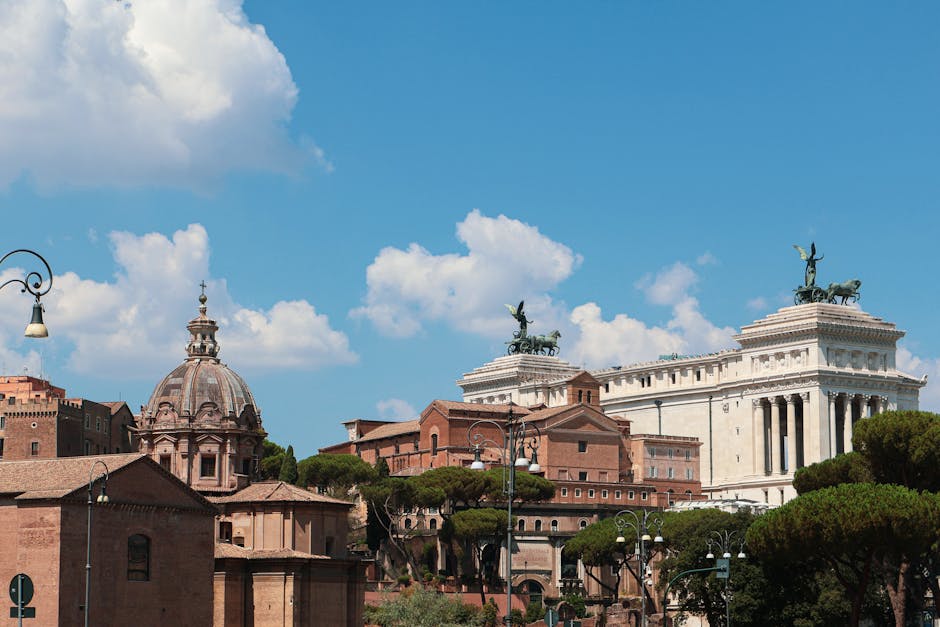
Explore Rome’s authentic kitchen on this self-guided walk through Testaccio’s ancient markets, olive oil mountains, and legendary food stalls.
 Easy
EasyKrakow, Poland
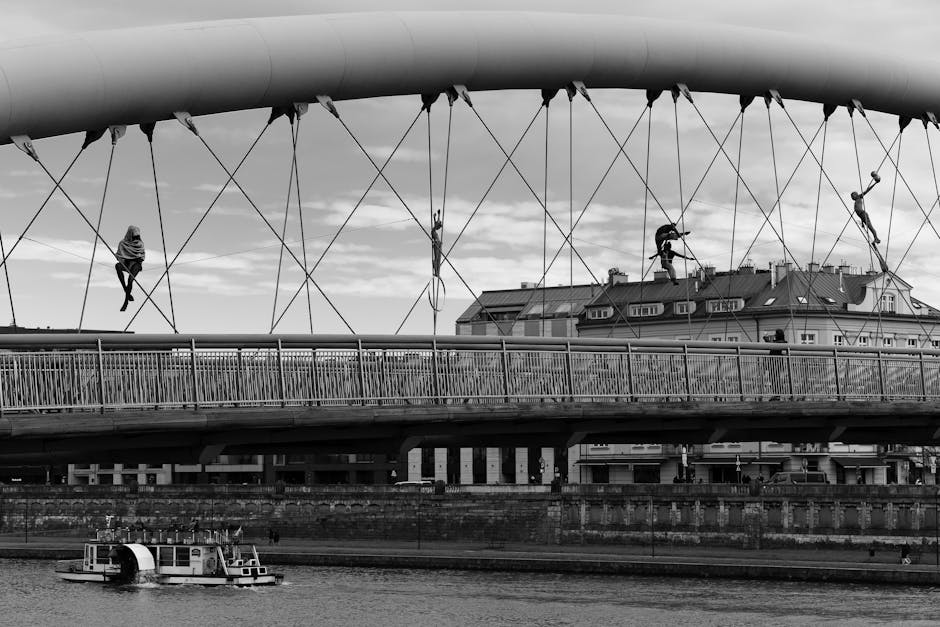
Discover Krakow’s creative soul in Zabłocie, exploring industrial heritage, contemporary art museums, and avant-garde architecture at your own pace.
 Easy
EasyGdansk, Poland
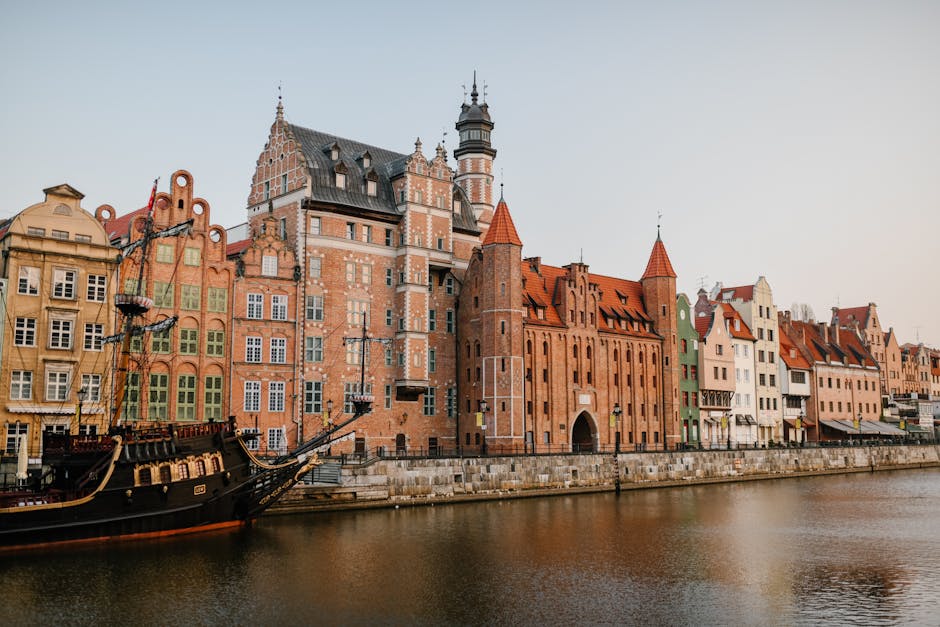
Discover the 'Baltic Gold' on this self-guided walk through Gdansk's historic mills, massive cathedrals, and the magical Mariacka Street.
 Easy
EasyWarsaw, Poland
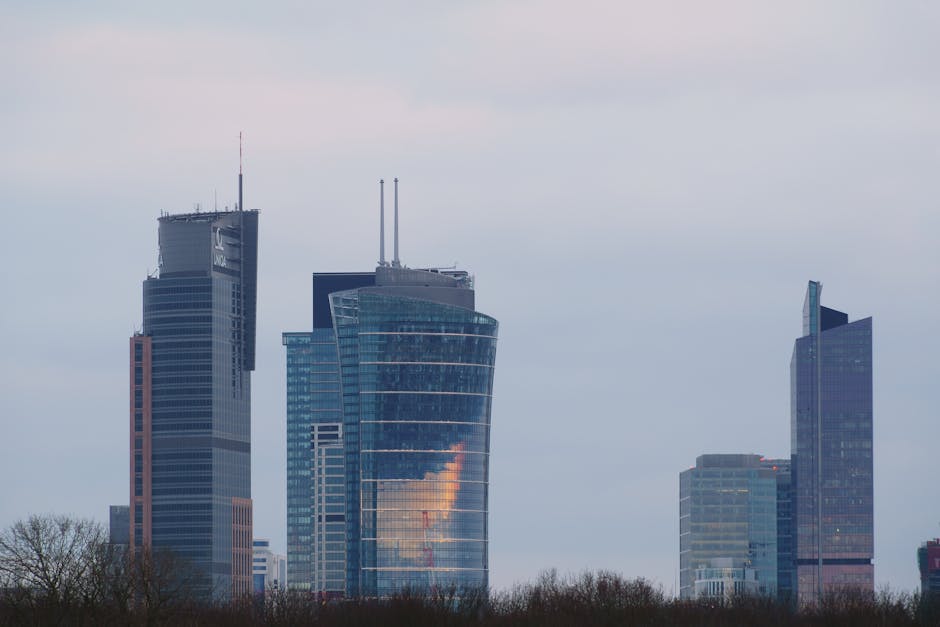
Discover the hidden courtyards and grand pre-war architecture of Warsaw's most atmospheric neighborhood on this self-guided stroll.
 Easy
EasySalzburg, Austria
Discover Salzburg's oldest medieval alley, the birthplace of the 'Silent Night' author, and breathtaking views on this quiet self-guided walk.
 Easy
EasyFlorence, Italy
Discover the intersection of Renaissance architecture and modern luxury on this self-guided walk through Florence’s high-fashion districts.
 Easy
EasyFlorence, Italy
Explore the medieval streets of Florence through the eyes of Dante Alighieri on this self-guided literary and historical walking route.
 Easy
EasyFlorence, Italy
Experience the magic of Florence at sunset. Discover iconic bridges and breathtaking river views on this romantic self-guided audio walk.
 Easy
EasyFlorence, Italy
Discover the 'buchette del vino'—Florence's unique Renaissance wine windows—on this self-guided walk through the city's historic streets.
