Step into the deep history of the Pacific Northwest with a self-guided walk through Pioneer Square, the original heart of Seattle. This neighborhood stroll takes you through the very streets where the city was founded, burned to the ground, and rose again in a triumph of stone and iron. As you explore this historic district, you will encounter the Romanesque Revival architecture that defined the city’s reconstruction following the Great Seattle Fire of 1889. This walking route is designed for those who want to discover the stories behind the cobblestones at their own pace, moving from the birthplace of global corporations to the epicenter of the 1897 Gold Rush. Unlike a traditional guided tour Seattle visitors often take, this experience allows you to linger under the canopy of Occidental Square or listen to the rush of a hidden waterfall without the pressure of a group schedule. You will see the legacy of the Klondike Gold Rush, where thousands of prospectors outfitted themselves for the trek to the Yukon, transforming Seattle into a major commercial hub overnight. The journey also highlights architectural marvels like the Smith Tower, which held the title of the tallest building west of the Mississippi for decades, and the Pioneer Building, a masterpiece of Victorian design. This walking tour Seattle provides a window into the grit and ambition of the city's early pioneers. From the industrial heritage of the southern warehouses to the tranquil gardens tucked between brick walls, you will experience the layers of time that make Pioneer Square unique. Whether you are interested in the evolution of urban design or the dramatic tales of fire and fortune, this self-guided adventure offers a comprehensive look at the birthplace of the Emerald City.
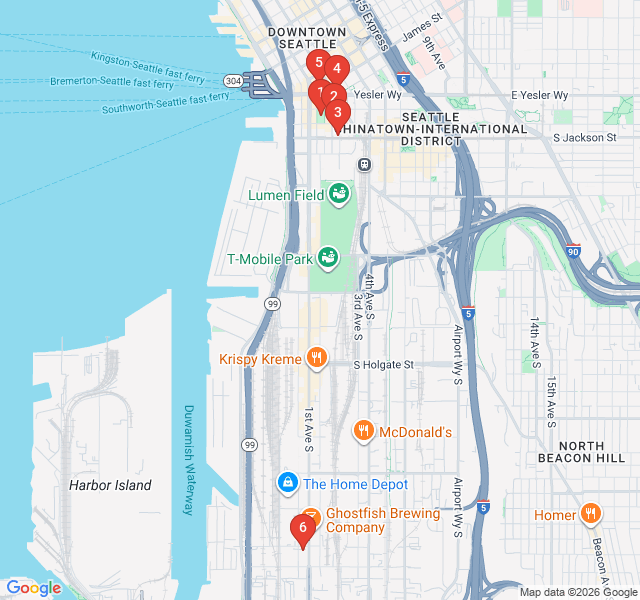
Numbers indicate the order of stops on the tour
Welcome to the heart of the historic district. Occidental Square is a beautifully preserved plaza that serves as a reminder of Seattle's early days. Notice the towering Tlingit totem poles and the timber-framed pavilion, which honor the indigenous heritage and the logging industry that built this city. This area was once the center of the 'Skid Road,' where logs were slid down to the waterfront. After the Great Seattle Fire of 1889, this square became the focal point for the city's rebirth, replacing wooden shacks with the grand brick and stone buildings you see surrounding you today. It is a perfect place to soak in the atmosphere of the 19th-century Pacific Northwest.
Tucked away in a quiet corner is the Waterfall Garden Park. This man-made oasis marks the exact location where the American Messenger Company was founded in 1907. You might know them better today as UPS. The park was commissioned by the Annie E. Casey Foundation to honor the company's founders. The 22-foot waterfall provides a stunning acoustic barrier against the city noise, creating a pocket of tranquility. It is a rare example of a privately owned public space that invites you to pause and reflect on how a small local bicycle courier service evolved into a global logistics giant while enjoying the lush landscaping.
In 1897, the cry of 'Gold!' changed Seattle forever. This building, once the Cadillac Hotel, now houses a National Historical Park dedicated to the stampede to the Yukon. When the S.S. Portland arrived in Seattle with a 'ton of gold,' the city became the primary outfitting point for thousands of prospectors. Local merchants grew wealthy selling everything from sled dogs to evaporated eggs. As you stand here, imagine the frantic energy of the streets filled with hopeful miners. This stop highlights how the Gold Rush provided the capital that built Seattle’s early skyscrapers and cemented its status as a major American port.
Rising above the square with its distinctive white terra-cotta facade and pyramid top, the Smith Tower was the tallest building west of the Mississippi River when it opened in 1914. Financed by L.C. Smith of the Smith-Corona typewriter fortune, it was a symbol of Seattle's metropolitan ambitions. The building is famous for its Otis elevators, which are still operated by attendants in some capacity, and its 'Wishing Chair' located in the Chinese Room at the top. Its architecture is a blend of neoclassical and early skyscraper design, standing as a sentinel over the district for over a century. It remains one of the most recognizable silhouettes in the Seattle skyline.
The Pioneer Building is perhaps the finest example of Romanesque Revival architecture in the city. Designed by Elmer Fisher and completed in 1892, its heavy stone arches and intricate ironwork were meant to convey permanent stability following the devastating fire of 1889. Look closely at the rich textures of the red brick and sandstone. This building once housed the most prestigious offices in the city, including those of mining magnates and lawyers. It also sits atop part of the famous Seattle Underground—the original street level that was bypassed when the city was raised to improve drainage. It represents the grit and architectural elegance of a city rising from the ashes.
As you move toward the southern edge of the district, you encounter the Trigger Building. This structure represents the industrial transition of the neighborhood. While the northern part of Pioneer Square was dedicated to commerce and finance, the southern end was the realm of warehouses, manufacturing, and distribution. Built in the early 20th century, its sturdy masonry and functional design reflect the utilitarian needs of a growing port city. Today, these industrial spaces have been reimagined as creative studios and lofts, bridging the gap between Seattle’s rugged manufacturing past and its modern identity as a hub for innovation and the arts.
Download Zigway to experience "Pioneer Square: Birthplace of Seattle" with AI-powered audio narration. Walk at your own pace while stories unfold around you.
 Easy
EasySeattle, United States
Explore Seattle’s oldest neighborhood. Discover vintage trailers, iconic neon signs, and the industrial heritage of Georgetown at your own pace.
 Moderate
Seattle, United States
Discover Seattle’s UNESCO City of Literature status on this self-guided walk through iconic libraries, historic hotels, and legendary bookstores.
 Moderate
Seattle, United States
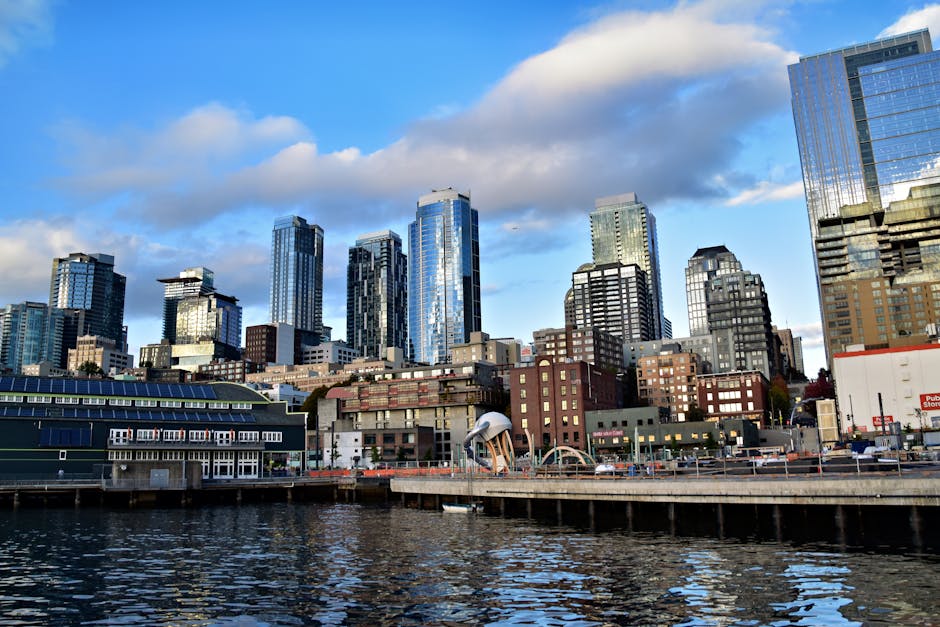
Discover Seattle's hidden urban oases and brutalist green spaces on this self-guided walking route through downtown’s secret parks and gardens.
 Challenging
Seattle, United States
Scale Seattle's iconic hill on this self-guided walk featuring historic mansions, mid-century monoliths, and world-class skyline views.
 Easy
EasyWarsaw, Poland
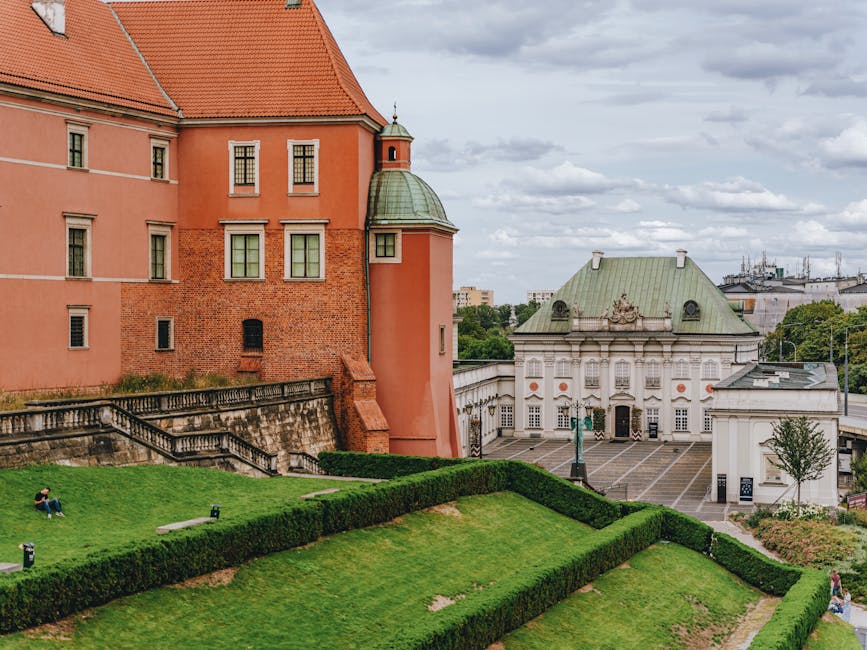
Explore the miracle of Warsaw's reconstructed Old Town on this self-guided walk through royal squares, medieval walls, and heroic monuments.
 Easy
EasyNairobi, Kenya
Explore the history of Kenya’s independence through the statues, monuments, and parks that define Nairobi’s political heart on this self-guided walk.
 Easy
EasyNairobi, Kenya
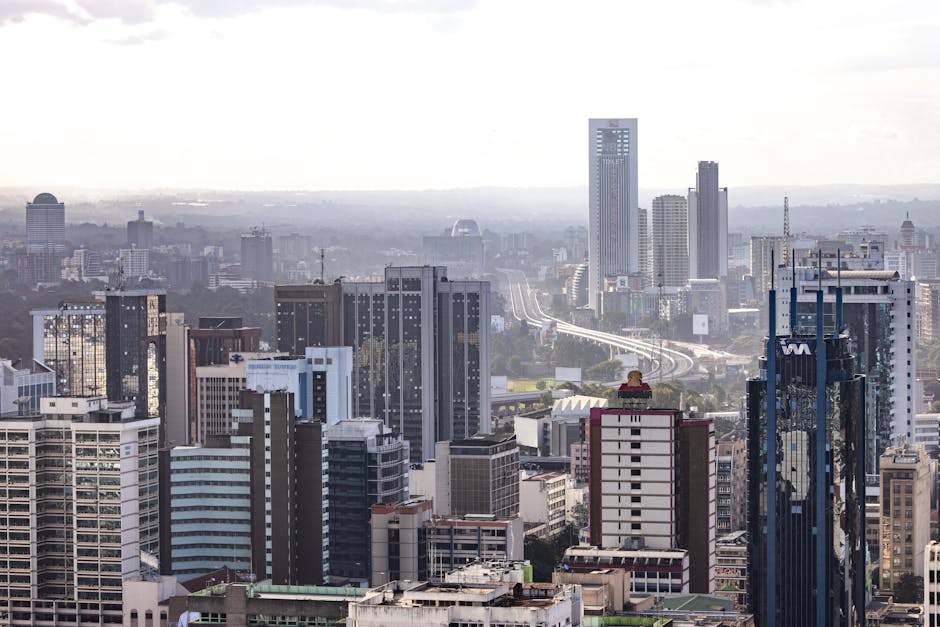
Discover Nairobi's iconic skyline on this self-guided architecture walk through the CBD’s most famous modernist and Brutalist landmarks.
 Easy
EasyGdansk, Poland
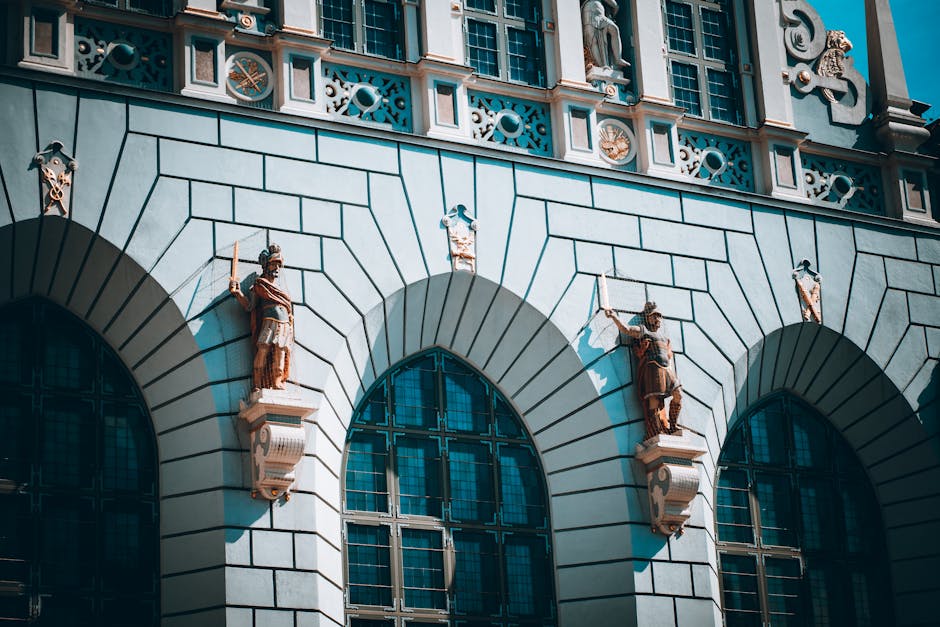
Discover the opulent Royal Way of Gdansk at your own pace. Explore Hanseatic history, gilded architecture, and the iconic Neptune's Fountain.
 Easy
EasyNew York City, United States
Explore the golden age of Manhattan architecture on this self-guided walk through Midtown's iconic Art Deco skyscrapers and historic landmarks.
 Easy
EasyNew York City, United States
Discover the literary legends, jazz haunts, and revolutionary history of Greenwich Village on this immersive self-guided walking route.
 Easy
EasyNew York City, United States
Explore Manhattan's transformation on this self-guided walk from the High Line to Hudson Yards.
 Easy
EasyNew York City, United States
Discover the world's finest cast-iron architecture and the evolution of fashion on this self-guided walking route through NYC's iconic SoHo district.
