Step into a neighborhood where the grit of the industrial past meets the glamour of Chicago's modern culinary and tech scene. This self-guided walk through Fulton Market reveals the dramatic transformation of a district once dominated by meatpacking plants and wholesale warehouses into a premier destination for foodies and innovators. As you explore independently, you will witness the architectural alchemy that has turned windowless cold-storage facilities into sleek corporate headquarters and century-old factories into luxury social clubs. This walking route highlights the delicate balance between preservation and progress, showcasing how the city’s 'working' heritage has been repurposed for a new generation. On this neighborhood stroll, you will encounter the iconic Fulton Market District Gateway, a symbol of the area's identity, and pass by world-renowned eateries that have earned the district its 'Michelin-starred' reputation. Whether you are interested in the industrial history of the 19th century or the high-tech energy of 21st-century Chicago, this walking tour Chicago provides the context needed to appreciate the layers of history beneath the polished facades. Discover the stories of the wholesalers who built this district and the visionaries who reimagined it as a global hub for hospitality. From the bustling food halls to the quiet corners of architectural detail, this self-guided adventure allows you to experience the sensory overload of Fulton Market at your own pace. It is an essential walking tour Chicago for anyone looking to understand the evolution of the American city through the lens of urban renewal and culinary excellence. **Note:** This area is known for its ever-changing character. Street art, pop-up venues, and temporary exhibitions may differ from what's described. That's part of the adventure - you might discover something entirely new!
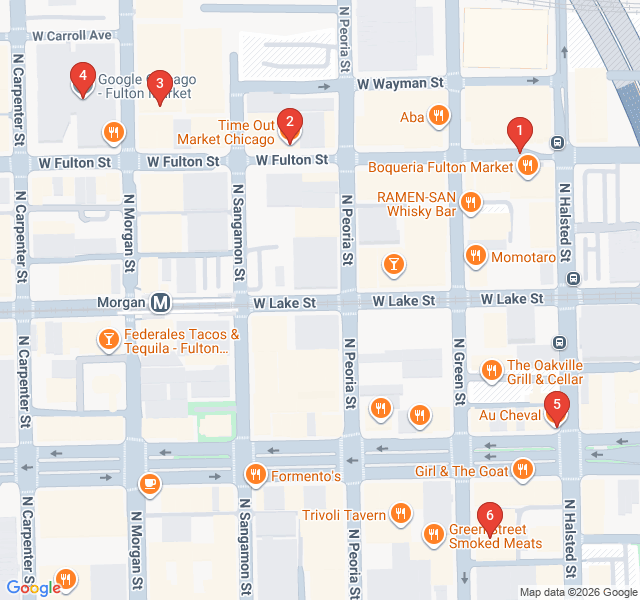
Numbers indicate the order of stops on the tour
Welcome to the entrance of one of Chicago's most dynamic neighborhoods. This overhead steel gateway, installed in 2015, marks your entry into a district that was defined by the meatpacking industry for over 150 years. In the late 1800s, these streets were filled with the sounds of livestock and the frantic pace of wholesalers. Notice the industrial design of the sign, which pays homage to the area’s gritty roots while signaling its new identity as a curated destination. This spot is the perfect place to observe the remaining low-rise brick buildings that once housed the city's food supply chain before the tech boom arrived.
Housed in a massive 50,000-square-foot space, this food hall represents the pinnacle of the neighborhood's culinary transformation. Unlike traditional markets, this space is a curated collection of the city's best chefs and mixologists. As you walk past or step inside, consider how this building once functioned as a utilitarian warehouse. Today, it serves as a communal living room for the neighborhood. The transition from wholesale meat to artisanal small plates happened rapidly here, turning a once-industrial block into a vibrant social hub. Note that the vendors and interior art frequently change to reflect Chicago's current cultural trends.
Formerly known as the Ace Hotel, this building is a prime example of how the hospitality industry embraced the 'industrial-chic' aesthetic of Fulton Market. The architecture here blends new construction with a respect for the surrounding landscape. The Emily Hotel focuses heavily on local art and community engagement, featuring rotating gallery spaces and greenery-filled terraces. This location was once part of the Fulton Market cold storage corridor, and the hotel's design intentionally uses materials like concrete and glass to bridge the gap between the neighborhood's manual labor past and its creative, tech-focused present.
Look up at 1000 West Fulton Market. It is hard to believe that this modern, glass-adorned office building was once the Fulton Market Cold Storage Company, a windowless, ten-story fortress of ice and frozen meat. For decades, the building's walls were several feet thick to maintain freezing temperatures. When Google moved its regional headquarters here in 2015, it signaled the neighborhood's official transition from manufacturing to technology. The renovation stripped away the insulation to reveal the concrete skeleton and added the massive windows you see now, sparking a wave of development that transformed the entire West Loop skyline.
You are now approaching one of the most famous culinary landmarks in the United States. Au Cheval is often cited as having the best burger in the country, but beyond the food, it represents the 'Gold Rush' of Randolph Street. In the early 2010s, chefs began flocking to this area because the rents were low and the spaces were vast. This led to the creation of 'Restaurant Row.' The long lines often seen outside are a testament to how this neighborhood has become a pilgrimage site for food lovers. This area is constantly evolving, with new concepts opening frequently in the surrounding storefronts.
Concluding the route is the Allis Building, home to Soho House Chicago. Built in 1907, this structure originally served as the Chicago Belting Factory. If you look at the facade, you can see the name of the original company etched into the stone. The conversion of this factory into a luxury private members' club and hotel in 2014 was a pivotal moment for the West Loop. It proved that the neighborhood's historic industrial bones could support high-end luxury. The ground floor remains open to the public, offering a glimpse into the opulent, vintage-inspired interior that has made this a cornerstone of the neighborhood's social scene.
Download Zigway to experience "Meatpacking to Michelin: The Fulton Market Transformation" with AI-powered audio narration. Walk at your own pace while stories unfold around you.
 Moderate
Chicago, United States
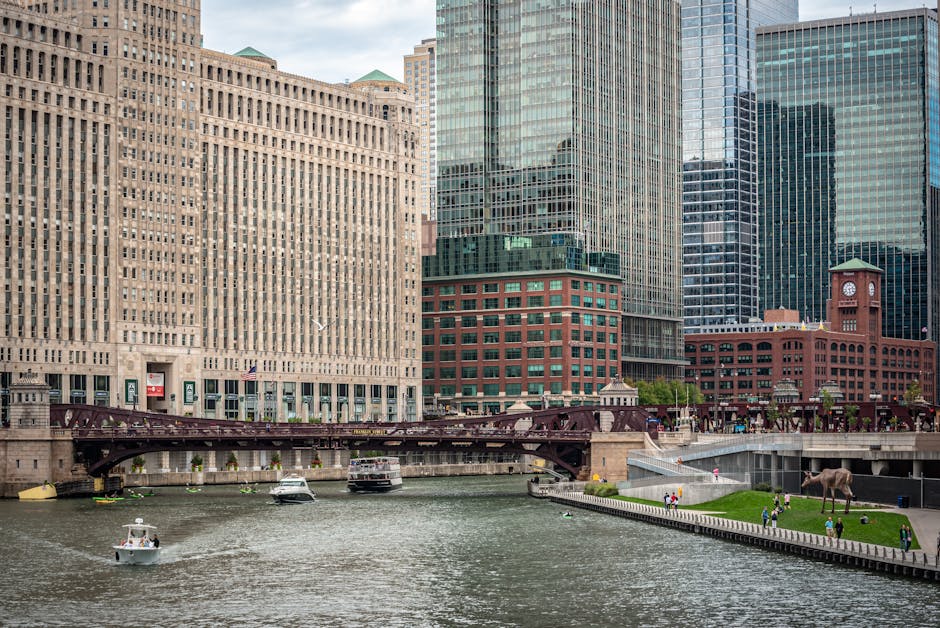
Explore the dark history of Al Capone and the North Side Gang on this self-guided walk through Chicago’s most infamous Prohibition-era crime scenes.
 Moderate
Chicago, United States
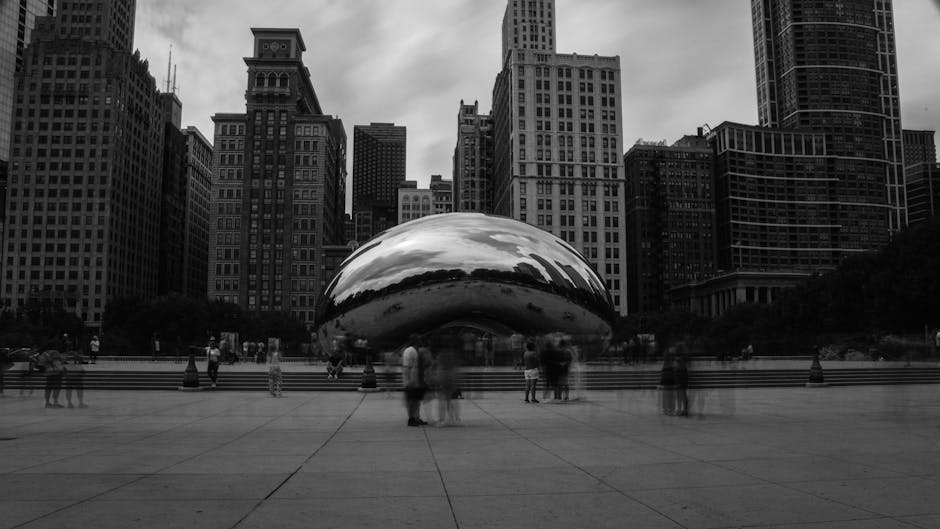
Explore the vivid murals and rich Mexican heritage of Pilsen on this self-guided neighborhood stroll through Chicago's premier arts district.
 Easy
EasyChicago, United States
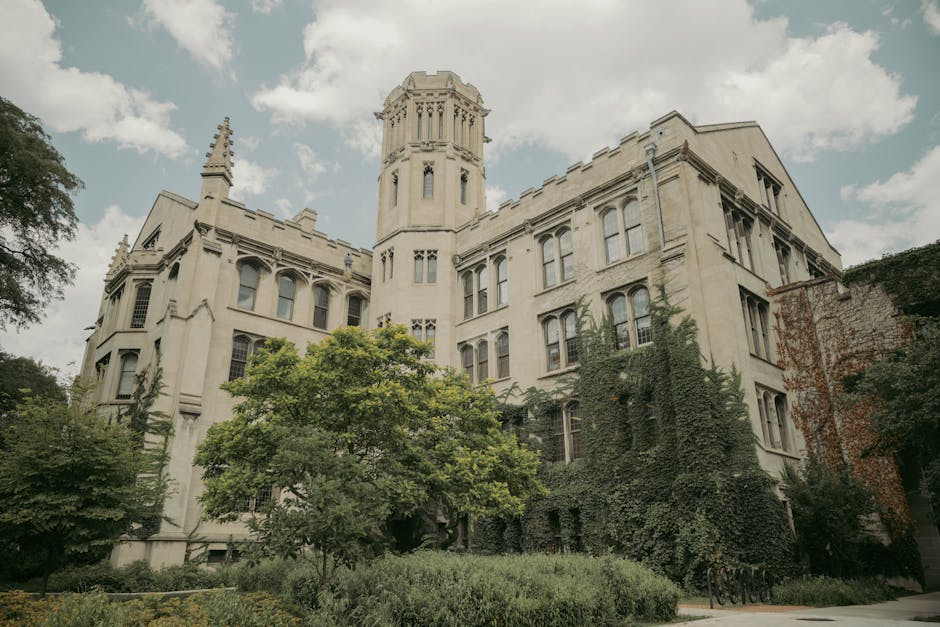
Explore the hidden tunnels of the Chicago Pedway on this self-guided walking route through the Loop’s secret architectural wonders.
 Moderate
Chicago, United States
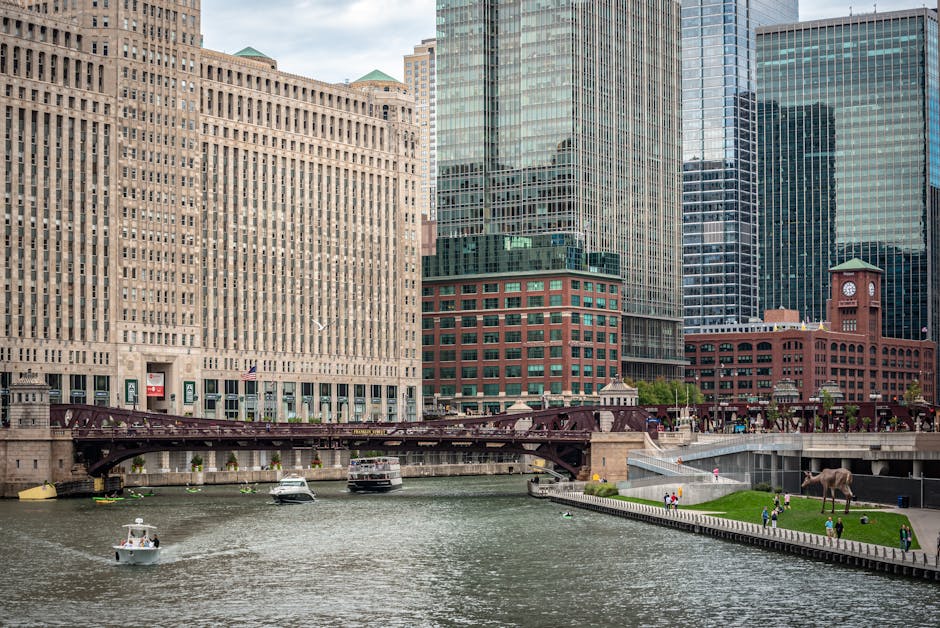
Explore the 'Black Metropolis' and discover the cradle of African American history and civil rights on this self-guided walk through Bronzeville.
 Easy
EasyGothenburg, Sweden
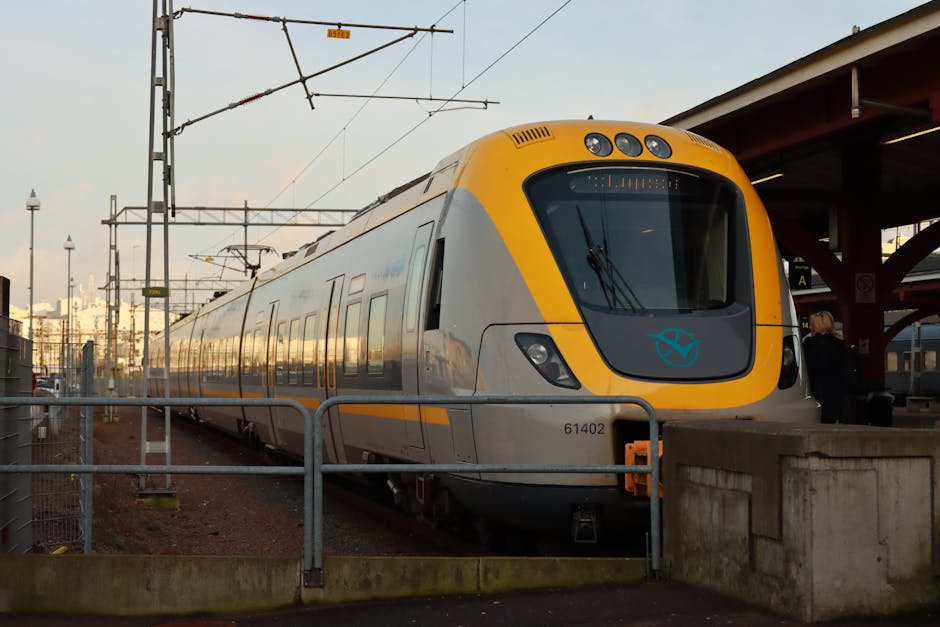
Explore Gothenburg's maritime soul on this self-guided walk from historic shipyards to sleek modern piers and iconic industrial landmarks.
 Easy
EasyGothenburg, Sweden
Explore Gothenburg’s historic wooden houses, legendary giant cinnamon buns, and panoramic fortress views on this self-guided neighborhood stroll.
 Moderate
Nairobi, Kenya
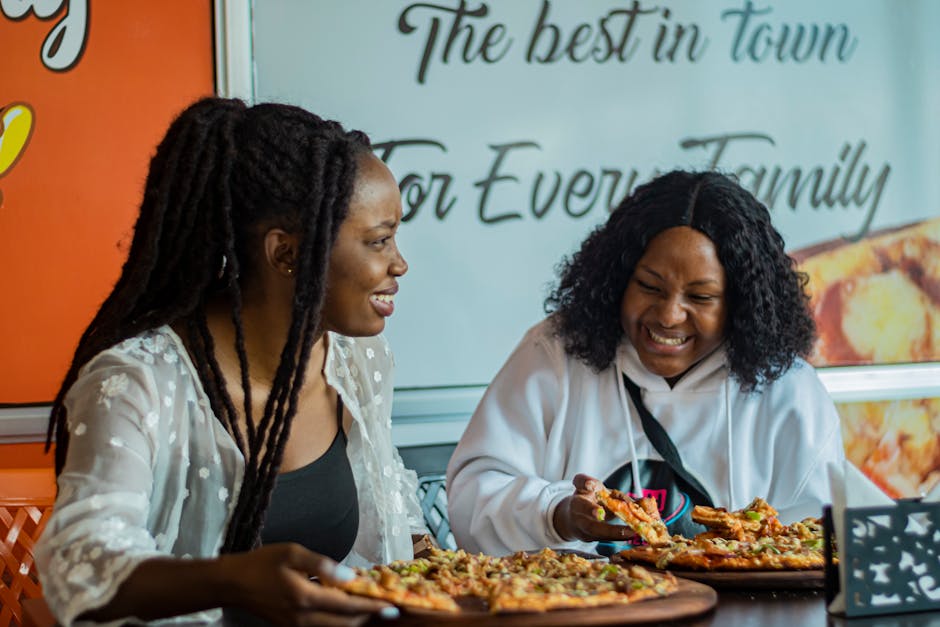
Taste your way through Nairobi's Westlands on this self-guided walk featuring street snacks, cultural landmarks, and hidden foodie gems.
 Easy
EasyKrakow, Poland
Explore the prestigious Jagiellonian University district, featuring Neo-Gothic architecture, Baroque churches, and Krakow's hidden scholarly gems.
 Easy
EasyNew York City, United States
Explore the golden age of Manhattan architecture on this self-guided walk through Midtown's iconic Art Deco skyscrapers and historic landmarks.
 Easy
EasyNew York City, United States
Discover the literary legends, jazz haunts, and revolutionary history of Greenwich Village on this immersive self-guided walking route.
 Easy
EasyNew York City, United States
Explore Manhattan's transformation on this self-guided walk from the High Line to Hudson Yards.
 Easy
EasyNew York City, United States
Discover the world's finest cast-iron architecture and the evolution of fashion on this self-guided walking route through NYC's iconic SoHo district.
