New Orleans has long been a sanctuary for the world’s most celebrated wordsmiths, a city where the humid air seems thick with narrative possibility. This self-guided walking route invites you to trace the footsteps of literary giants like Tennessee Williams, William Faulkner, and Ernest Hemingway through the atmospheric streets of the French Quarter. Far more than just a neighborhood stroll, this journey explores the bars, apartments, and hidden courtyards that served as both the inspiration and the backdrop for some of the 20th century’s most enduring masterpieces. Start exploring with Zigway at the historic Hotel Monteleone, a site so significant to the written word that it was designated an official Literary Landmark. From the rotating Carousel Bar, where Truman Capote claimed to have been born, to the narrow alleyway where a young William Faulkner penned his first novel, each stop reveals a new layer of the city’s creative soul. You will discover the humble Toulouse Street apartment where Tennessee Williams first heard the 'blue piano' that would haunt A Streetcar Named Desire, and visit the oldest community theater in the country. This walking tour New Orleans route is designed for those who want to experience the city at their own pace, moving from the grand architecture of Royal Street to the quiet, leafy corners that offer a reprieve from the bustle of Bourbon Street. Whether you are a fan of Southern Gothic tales or a history buff looking for hidden gems, this audio walk provides a deep dive into the 'bohemian' French Quarter that defined an era of American letters. Discover the stories behind the facades and see why New Orleans remains the most written-about city in the United States.
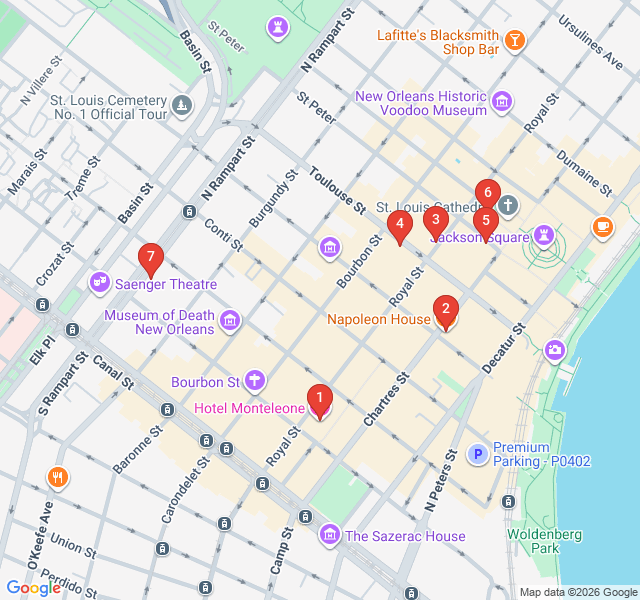
Numbers indicate the order of stops on the tour
Begin your self-guided adventure at the Hotel Monteleone, a grand dame of the French Quarter that has hosted more famous authors than perhaps any other hotel in America. In 1999, it was designated an official Literary Landmark by the Friends of the Library Association. Ernest Hemingway, F. Scott Fitzgerald, and Anne Rice all stayed here, but the hotel is most famously associated with Truman Capote, who frequently claimed he was born here (though he was actually born in a nearby hospital while his mother lived at the hotel). Inside, the famous Carousel Bar—a slow-revolving circus-themed bar—appears in the works of Eudora Welty and Tennessee Williams. It is the perfect place to imagine the literary elite of the 1940s sipping cocktails and trading stories.
Stroll over to the Napoleon House, a building that feels as though it hasn't changed since the 19th century. Originally offered to Napoleon Bonaparte as a refuge during his exile, it later became a premier gathering spot for the city's creative class. The weathered walls and classical music provide a backdrop that has inspired countless writers. It was a favorite haunt of local authors who appreciated its 'faded grandeur' aesthetic. While you explore the exterior or stop for a Pimm's Cup, consider how this site represents the intersection of New Orleans history and the bohemian spirit that drew writers like Walker Percy and Richard Ford to the city.
This site is legendary for its massive courtyard, but its literary connection is equally fascinating. The address has appeared in various Southern Gothic novels as a symbol of the Quarter's aristocratic past. Historically, it was owned by two sisters who ran a notions shop here, but it eventually became a centerpiece of French Quarter social life. Writers have long used the lush greenery and wrought-iron gates of this location to describe the hidden, private world that exists behind the public facades of New Orleans. It serves as a beautiful example of the 'secret garden' motif common in the city's literature.
Look up at the second floor of 722 Toulouse Street. This was the first New Orleans apartment of Tennessee Williams, who moved here in 1938. He lived in a small, cramped room, but the vibrant life of the street below provided him with endless material. It was here that he began to find his voice as a playwright, drawing inspiration from his landlady and the diverse characters of the Quarter. He later wrote that his time in this apartment was one of the most formative periods of his life. The building now houses the Historic New Orleans Collection, preserving the very walls that once echoed with the typing of one of America's greatest dramatists.
Le Petit Theatre du Vieux Carre is one of the oldest community theaters in the United States, established in 1916. For over a century, it has been the heart of the city's performing arts scene. Many of the writers featured on this route, including Tennessee Williams, saw their works performed here or socialized in the theater's courtyard. The Spanish Colonial architecture is a testament to the city's cultural heritage. The theater represents the living connection between the written word and the stage, a place where the literary legends of the French Quarter saw their characters come to life for the first time.
Tucked away in Pirate's Alley, right next to the St. Louis Cathedral, is Faulkner House Books. In 1925, a young William Faulkner lived in this very house as a boarder. It was in these rooms that he wrote his first novel, 'Soldiers' Pay.' Today, it is a charming independent bookstore that pays homage to its former resident. The alley itself is one of the most photographed spots in the city and has a quiet, scholarly atmosphere. As you explore this independent bookstore, you are standing in the workspace of a Nobel Prize winner who once walked these same narrow streets looking for his next big idea.
The final stop on this literary route is the New Orleans Athletic Club on North Rampart Street. Founded in 1872, it is one of the oldest athletic clubs in the country. It was a favorite spot for Tennessee Williams, who was a regular swimmer here. Ernest Hemingway also frequented the club, often seen in the boxing ring. The interior is famously opulent, featuring library-like lounges and vintage equipment. It highlights a different side of these authors—their physical lives and their desire for a sense of community outside of the writing desk. This concludes your self-guided walk through the literary history of the French Quarter.
Download Zigway to experience "Literary Legends of the French Quarter" with AI-powered audio narration. Walk at your own pace while stories unfold around you.
 Easy
EasyNew Orleans, United States
Explore the legendary restaurants and historic flavors of the New Orleans French Quarter on this delicious self-guided audio walk.
 Moderate
New Orleans, United States
Discover vibrant murals, iconic folk art, and industrial charm on this self-guided walking route through New Orleans' artistic Bywater district.
 Easy
EasyNew Orleans, United States
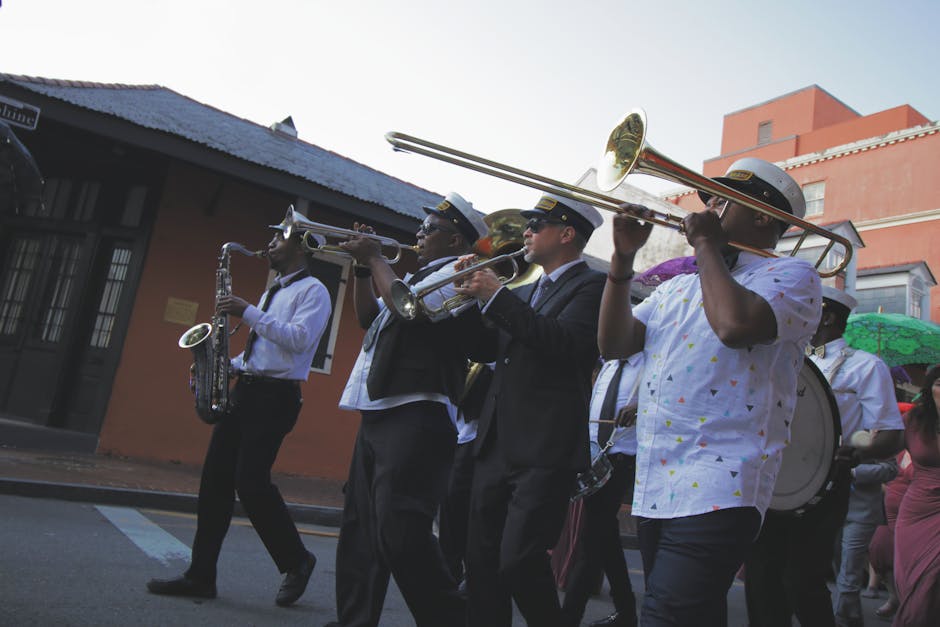
Discover the soul of New Orleans on this self-guided walk through the iconic jazz clubs and vibrant art markets of Frenchmen Street.
 Easy
EasyNew Orleans, United States
Explore the eerie history and supernatural legends of the French Quarter on this independent audio walk through New Orleans' most haunted corners.
 Easy
EasyKrakow, Poland
Explore the prestigious Jagiellonian University district, featuring Neo-Gothic architecture, Baroque churches, and Krakow's hidden scholarly gems.
 Easy
EasyWarsaw, Poland
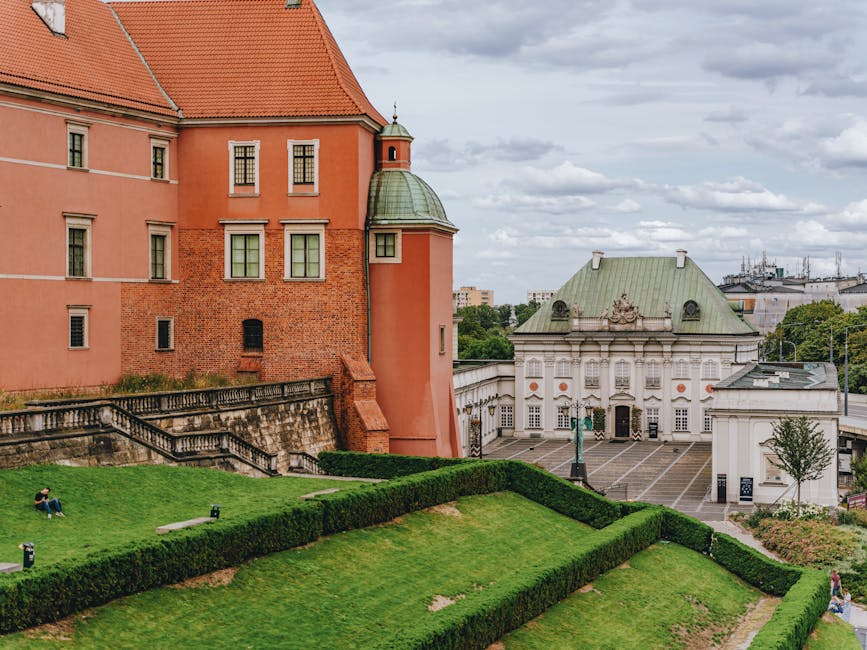
Follow the life of Fryderyk Chopin through Warsaw’s historic center. See where he lived, studied, and where his heart remains today.
 Easy
EasyGothenburg, Sweden
Discover Gothenburg’s 17th-century Dutch foundations, historic canals, and military fortifications on this self-guided architectural walk.
 Easy
EasyNairobi, Kenya
Discover Nairobi’s literary soul on this self-guided walk through historic libraries, iconic bookshops, and cultural centers in the heart of the CBD.
 Easy
EasyNew York City, United States
Explore the golden age of Manhattan architecture on this self-guided walk through Midtown's iconic Art Deco skyscrapers and historic landmarks.
 Easy
EasyNew York City, United States
Discover the literary legends, jazz haunts, and revolutionary history of Greenwich Village on this immersive self-guided walking route.
 Easy
EasyNew York City, United States
Explore Manhattan's transformation on this self-guided walk from the High Line to Hudson Yards.
 Easy
EasyNew York City, United States
Discover the world's finest cast-iron architecture and the evolution of fashion on this self-guided walking route through NYC's iconic SoHo district.
