Escape the bustling crowds of the French Quarter and step into the refined tranquility of Harleston Village. This self-guided walk offers an intimate look at one of Charleston’s most prestigious residential neighborhoods, where grand Second Empire mansions stand alongside the iconic Charleston Single Houses. As you explore independently, you will discover a side of the city that feels lived-in and local, yet deeply rooted in history. The neighborhood was originally developed in the late 18th century and named for John Harleston, and it remains a premier example of the city's unique architectural evolution. Your neighborhood stroll begins at the majestic Wentworth Mansion, a testament to the gilded age of the South, before leading you toward the breezy paths of Colonial Lake Park. This area serves as the 'front yard' for locals, offering a peaceful respite where the Ashley River’s tides influence the water level of the central pond. Along this walking route, you will experience the intersection of academic life and historic preservation as you wander through the College of Charleston’s campus. The Cistern, with its canopy of live oaks draped in Spanish moss, provides one of the most photographed and serene spots in the entire city. While many visitors stick to the Battery, this walking tour Charleston experience focuses on the stately lifestyle of Harleston Village. You will see the Second Presbyterian Church, an architectural landmark that has watched over the city since the early 1800s. Whether you are interested in the intricate ironwork of garden gates or the stories of the families who built these massive estates, this audio walk provides the context you need to appreciate the craftsmanship of a bygone era. Discover the charm of Harleston Village at your own pace, soaking in the atmosphere of a neighborhood that perfectly balances historic grandeur with a vibrant, modern community feel.
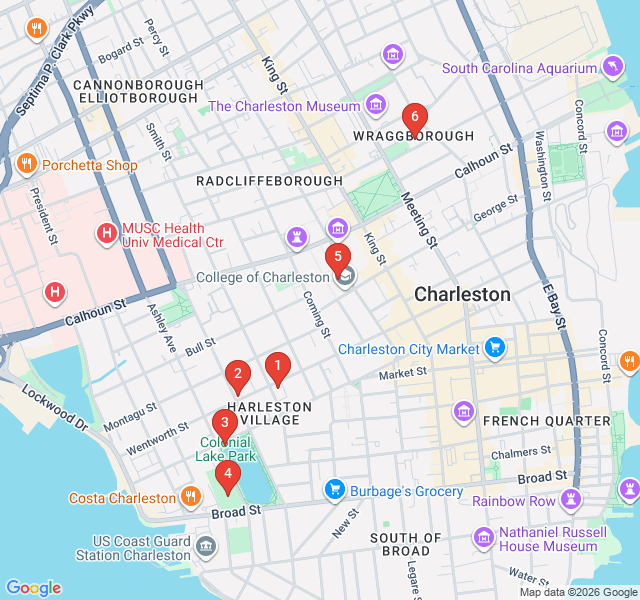
Numbers indicate the order of stops on the tour
Start exploring with Zigway at the Wentworth Mansion, a stunning example of Second Empire architecture. Built in 1886 for wealthy cotton merchant Francis Silas Rodgers, this 24,000-square-foot residence was once the grandest private home in the city. Notice the intricate woodwork, the marble fireplaces, and the hand-carved cornices that reflect the immense wealth of the post-Civil War era. It took over two years for artisans to complete the interior. Today, it serves as a luxury hotel, but it remains a primary landmark of Harleston Village, signaling the beginning of the neighborhood's most affluent residential stretch.
As you walk down Wentworth Street, you are entering the heart of the Harleston Village lifestyle. This street is lined with 'Charleston Single Houses,' a unique architectural style designed to catch the coastal breezes. These homes are only one room wide, with a side porch—or piazza—that faces south or west to maximize airflow. Look for the 'false doors' on the street level that lead not into the house, but onto the private piazza. This layout allowed for privacy and ventilation in the humid South Carolina summers before the advent of air conditioning.
Colonial Lake has been a centerpiece of Charleston recreation for over 150 years. Originally known as the 'Rutledge Street Pond,' it was part of a larger common area established in 1768. The lake is actually a tidal basin, connected to the Ashley River by a canal under the streets. You might notice the water level rising and falling with the tides. In the late 19th century, this was a popular spot for small boat races. Today, the wide promenades and park benches make it the perfect place for a neighborhood stroll to watch the local dogs play and enjoy the reflections of the historic homes in the water.
Named after the Revolutionary War hero who defended Charleston from the British, this playground and park area represents the community-centric side of Harleston Village. While the surrounding streets are filled with stately mansions, this space is where the neighborhood truly lives. It sits on the edge of the marshes of the Ashley River. From here, you can see how the city was built on reclaimed land. This area was once a series of creeks and mudflats that were filled in as the city expanded westward in the 19th century.
Enter the grounds of the College of Charleston, founded in 1770, making it one of the oldest institutions of higher learning in the United States. The Cistern is the college's grassy centerpiece, dominated by the Greek Revival facade of Randolph Hall. The 'Cistern' itself is a massive underground reservoir built in the 1850s to provide water for fire-fighting in the city. Today, it is the site of graduation ceremonies and the famous Spoleto Festival USA performances. Take a moment to appreciate the massive live oaks and the quiet, academic atmosphere that defines this corner of the neighborhood.
Your self-guided adventure concludes at the Second Presbyterian Church, often called 'Wragg’s Church' because it was built on land formerly owned by John Wragg. Dedicated in 1811, it is the fourth oldest church building in Charleston. The architecture is a mix of styles, featuring a prominent steeple that was a later addition. The surrounding graveyard is a peaceful place to reflect on the city's history, containing the remains of many prominent Charlestonians. From here, you are just a short walk away from the bustling shops of King Street, marking the transition from the quiet Harleston Village back to the city's commercial heart.
Download Zigway to experience "Stately Harleston: A Local’s View of Historic Living" with AI-powered audio narration. Walk at your own pace while stories unfold around you.
 Easy
EasyCharleston, United States
Explore the neon lights and culinary gems of Upper King. Discover Charleston's modern nightlife and cultural evolution on this self-guided stroll.
 Easy
EasyCharleston, United States
Discover Charleston’s rich literary history on this self-guided walk past historic libraries, authors' homes, and iconic bookstores.
 Moderate
Charleston, United States
Discover the profound Gullah-Geechee influence and African American history of Charleston on this moving and educational self-guided walking route.
 Challenging
Charleston, United States
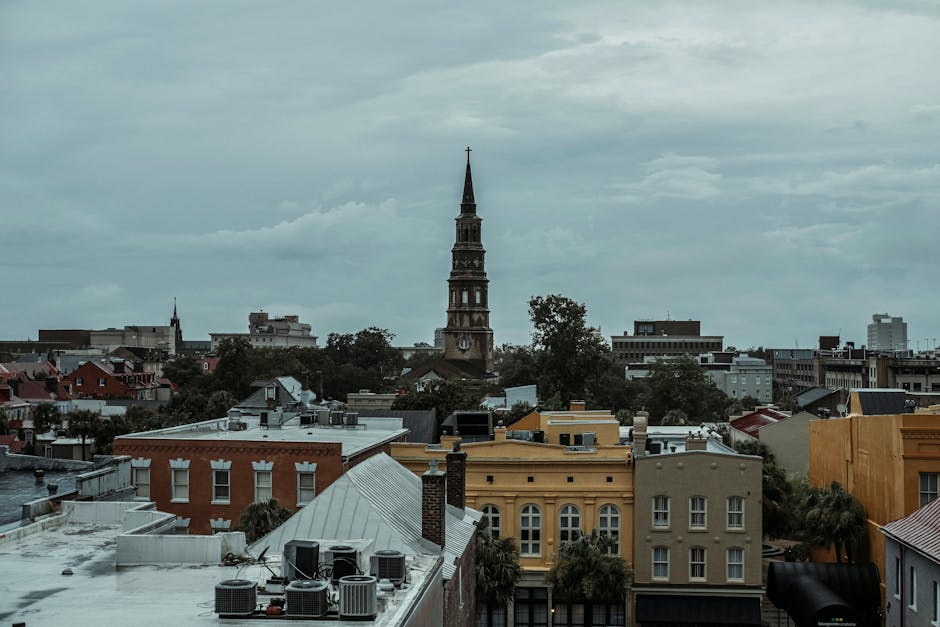
Explore Charleston’s evolution through its grand estates, from Neoclassical gems to Gilded Age mansions on this self-guided architectural walk.
 Easy
EasyNairobi, Kenya
Discover Nairobi's iconic skyline on this self-guided architecture walk through the CBD’s most famous modernist and Brutalist landmarks.
 Easy
EasyWarsaw, Poland
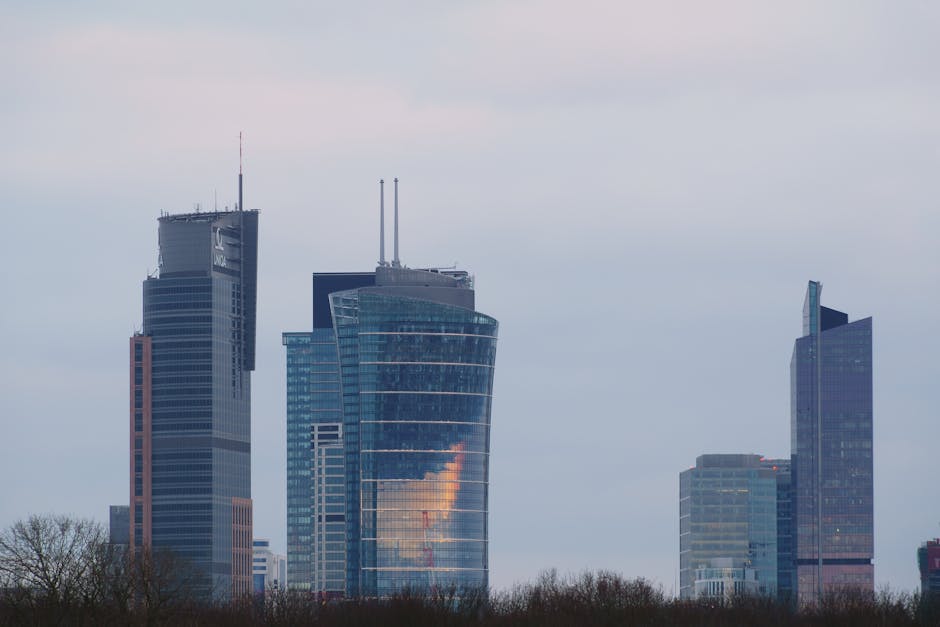
Discover the hidden courtyards and grand pre-war architecture of Warsaw's most atmospheric neighborhood on this self-guided stroll.
 Easy
EasySalzburg, Austria
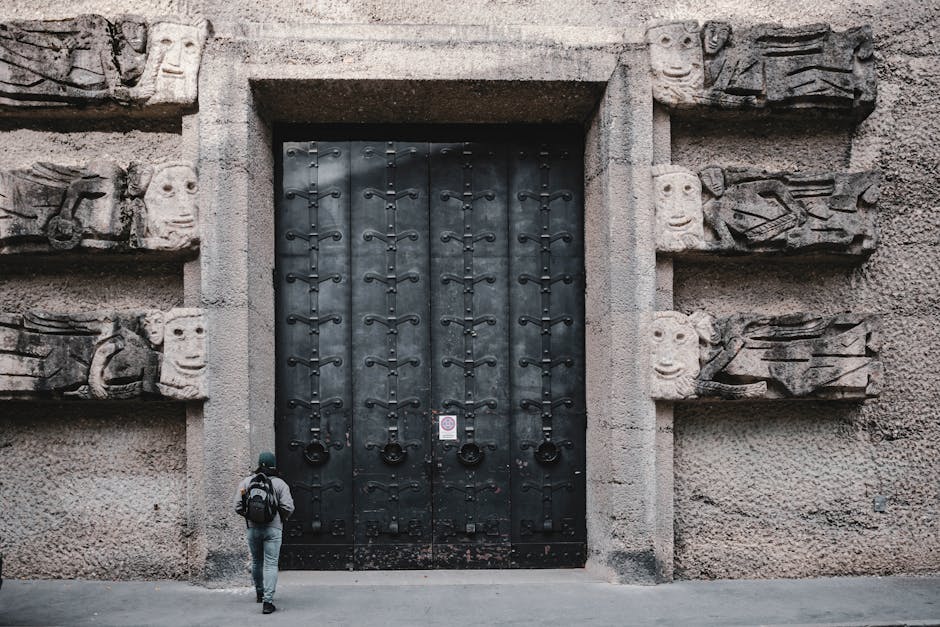
Discover Salzburg's oldest medieval alley, the birthplace of the 'Silent Night' author, and breathtaking views on this quiet self-guided walk.
 Easy
EasyGothenburg, Sweden
Explore Gothenburg's maritime soul on this self-guided walk from historic shipyards to sleek modern piers and iconic industrial landmarks.
 Easy
EasyNew York City, United States
Explore the golden age of Manhattan architecture on this self-guided walk through Midtown's iconic Art Deco skyscrapers and historic landmarks.
 Easy
EasyNew York City, United States
Discover the literary legends, jazz haunts, and revolutionary history of Greenwich Village on this immersive self-guided walking route.
 Easy
EasyNew York City, United States
Explore Manhattan's transformation on this self-guided walk from the High Line to Hudson Yards.
 Easy
EasyNew York City, United States
Discover the world's finest cast-iron architecture and the evolution of fashion on this self-guided walking route through NYC's iconic SoHo district.
