Step into the spiritual heart of Northern Thailand with this self-guided walk through Chiang Mai’s historic Old City. Encircled by ancient walls and a tranquil moat, the 'Rose of the North' preserves a 700-year-old legacy of the Lanna Kingdom. This walking route invites you to explore the profound architecture and religious traditions that define this sacred space. As you navigate the grid-like streets, you will encounter towering brick ruins, intricate teak wood carvings, and shimmering gold spires that have served as centers of community life for centuries. This neighborhood stroll captures the essence of Chiang Mai, moving from the massive, earthquake-scarred heights of Wat Chedi Luang to the delicate, dark-timbered elegance of Wat Phantao. You will discover the legendary origins of the city at the Three Kings Monument before heading to the revered Wat Phra Singh, home to one of the region's most sacred Buddha images. The journey concludes by passing through the iconic Tha Phae Gate and into the lesser-known but architecturally stunning Burmese-influenced temples nearby. This walking tour Chiang Mai offers is designed for those who wish to absorb the atmosphere at their own pace, allowing time for quiet reflection amidst the scent of incense and the sound of distant temple bells. Whether you are a history enthusiast or a photography lover, this route provides a deep dive into the stable, historic soul of the city without the need for a rigid schedule. Embark on this self-guided adventure to witness the living history of the Lanna people and the enduring sacred spirits that still guard these ancient gates.
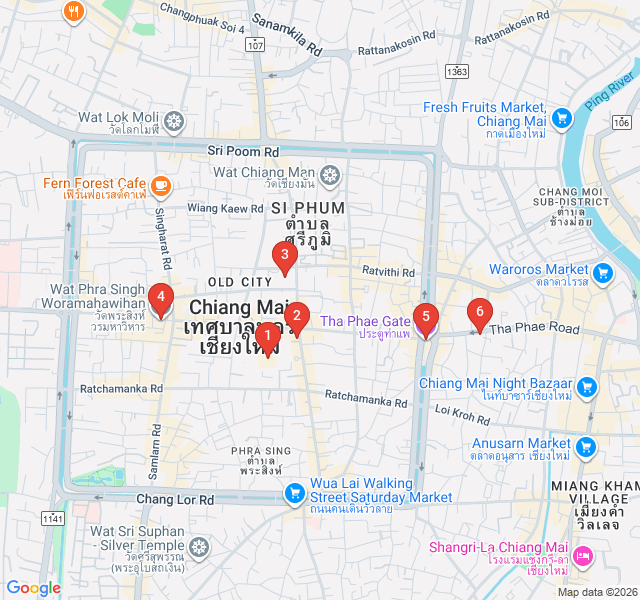
Numbers indicate the order of stops on the tour
Begin your exploration at the 'Temple of the Great Stupa.' Constructed in 1441, this massive brick structure was once the tallest building in ancient Chiang Mai, reaching a height of 80 meters. It famously housed the Emerald Buddha, Thailand's most sacred icon, for nearly a century. In 1545, a powerful earthquake caused the top of the chedi to collapse, leaving the haunting, jagged silhouette you see today. As you walk around the base, look for the stone elephant sculptures guarding the tiers. Despite its ruined state, the temple remains a vital spiritual center, hosting daily monk chats and housing the City Pillar (Lak Mueang), which is believed to protect the city’s soul.
Just a short walk from the massive ruins of Chedi Luang sits the delicate Wat Phantao. Unlike the stone and brick temples typical of the region, this is one of the few remaining all-wood teak structures in Chiang Mai. The dark, weathered timber was originally part of a royal palace residence before being converted into a prayer hall. Above the main entrance, notice the intricate wood-carved peacock motif, a symbol of royalty in Lanna culture. The temple's garden, featuring a small pond and a sand-covered courtyard often decorated with colorful lanterns during festivals, offers a peaceful contrast to the grandeur of its neighbor.
Located in the center of the Old City, this bronze monument honors the three founders of Chiang Mai: King Mengrai, King Ramkhamhaeng of Sukhothai, and King Ngam Muang of Phayao. According to legend, the three kings worked together to plan the city’s layout in 1296. The square in front of the monument is a popular gathering place for locals and often hosts cultural performances. Standing here, you are at the historical crossroads of the city. Behind the statues sits the old Provincial Hall, now a museum, which further details the Lanna Kingdom's transition from a collection of city-states into a unified northern power.
As you head west, you reach Wat Phra Singh, perhaps the most revered temple within the city walls. It is a prime example of Lanna architecture, characterized by its sweeping multi-tiered roofs and elegant wood carvings. The star attraction is the Phra Buddha Sihing (the Lion Buddha), housed in the small Wihan Lai Kham chapel. The interior walls of this chapel are covered in gold-stenciled murals depicting local life and folklore from centuries ago. Every year during the Songkran (New Year) festival, the sacred statue is carried through the streets so locals can sprinkle it with water for good luck.
Walk toward the eastern edge of the Old City to find Tha Phae Gate, the most famous of the five original entrances to the fortress. While the current structure is a 1980s reconstruction based on historical records, it stands on the exact site of the gate that once welcomed traders and diplomats. The brick walls and the surrounding moat were built to defend the city against invasions from the Burmese. Today, the plaza inside the gate serves as the starting point for the famous Sunday Walking Street market and is a landmark for city celebrations and community gatherings.
Exit the gate and continue east to discover Wat Mahawan, a temple that showcases a unique blend of Lanna and Burmese architectural styles. This influence dates back to the period when Burmese teak loggers lived and worked in Chiang Mai. You will immediately notice the difference in the ornate white plasterwork and the 'Chinthe' (mythical lions) guarding the entrances. The main chedi is a brilliant white, decorated with intricate figures and topped with a golden parasol. It is a quieter, more atmospheric stop that highlights the cross-cultural history of the region away from the main tourist crowds.
Download Zigway to experience "Sacred Spirits of the Old City" with AI-powered audio narration. Walk at your own pace while stories unfold around you.
 Easy
EasyChiang Mai, Thailand
Explore Chiang Mai's trendiest district at your own pace. Discover contemporary art galleries, local design shops, and iconic modern architecture.
 Moderate
Chiang Mai, Thailand
Explore Chiang Mai's creative soul, from Nimman’s boutique bookshops to the mystical tunnels of Wat Umong and the scenic Angkaew Reservoir.
 Moderate
Chiang Mai, Thailand
Discover Chiang Mai’s soul through its markets and flavors. A self-guided route from the historic Kad Luang to the city’s best street food gems.
 Easy
EasyChiang Mai, Thailand
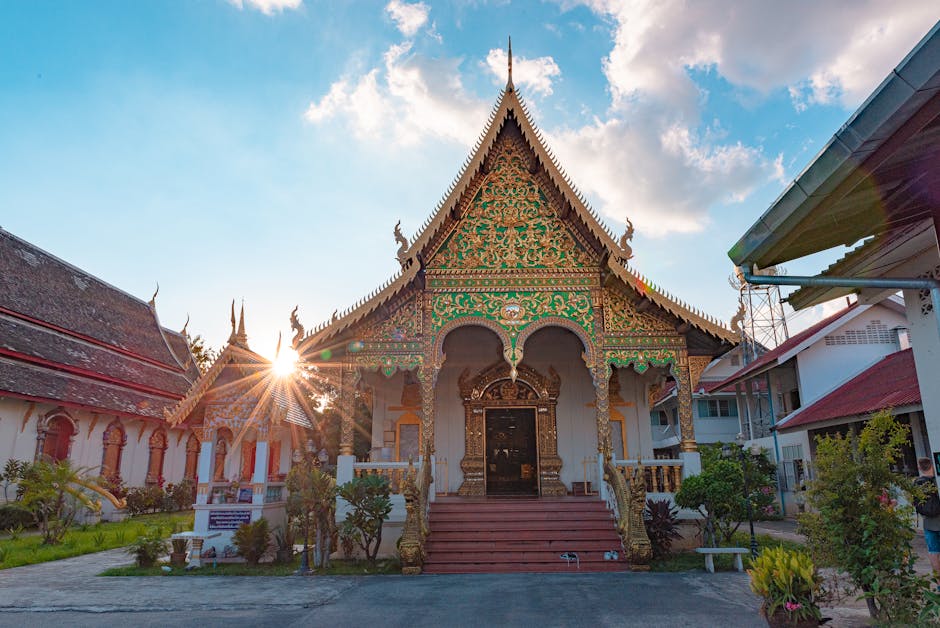
Discover hidden temples, traditional brass-smith workshops, and local markets on this serene self-guided walk through Chiang Mai's southern district.
 Easy
EasyNairobi, Kenya
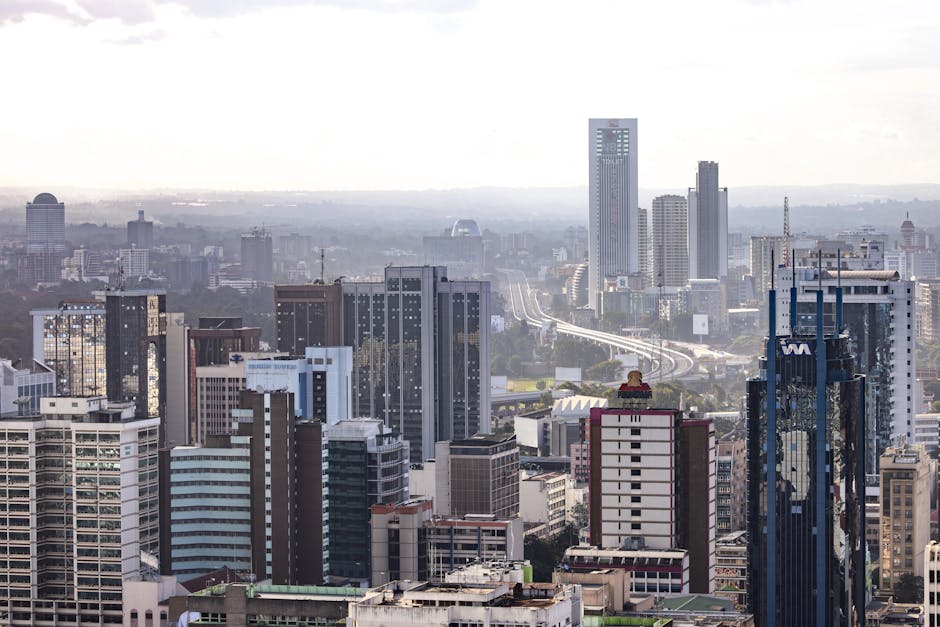
Explore Nairobi's architectural evolution from colonial-era landmarks to iconic Brutalist skyscrapers on this historic self-guided walking route.
 Easy
EasyNairobi, Kenya
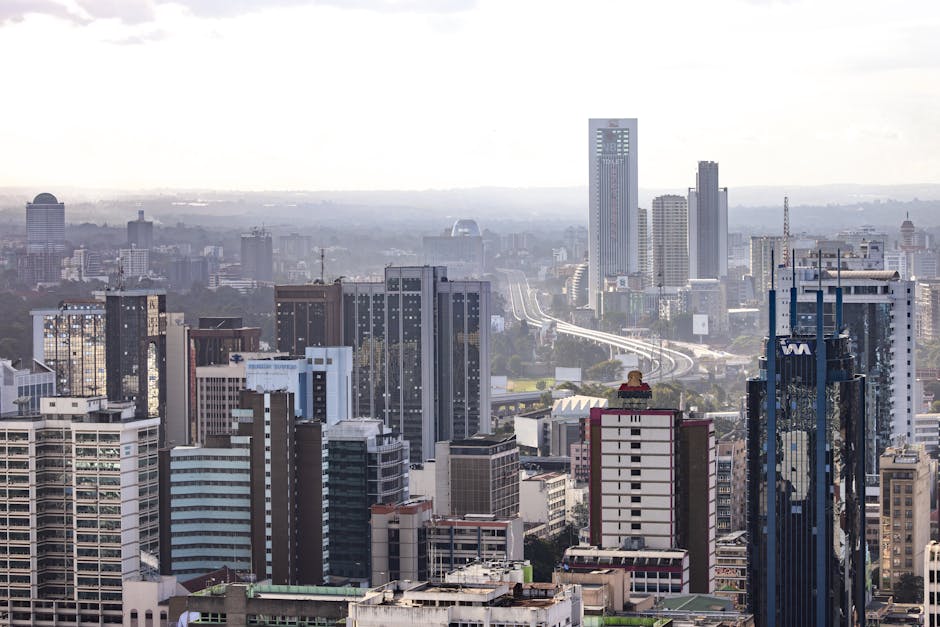
Discover Nairobi's iconic skyline on this self-guided architecture walk through the CBD’s most famous modernist and Brutalist landmarks.
 Easy
EasySalzburg, Austria
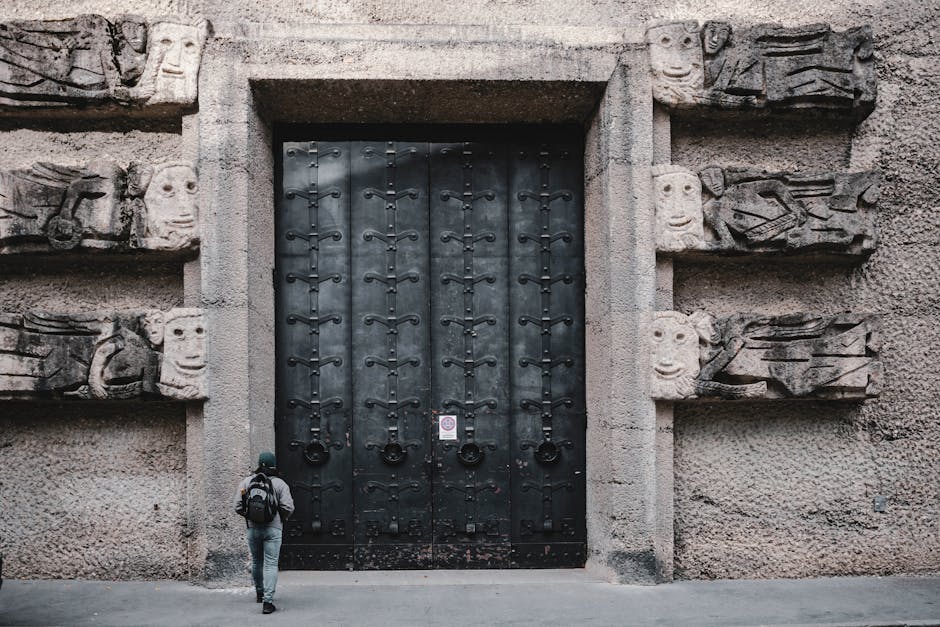
Discover the 'Rome of the North' on this self-guided walk through the Baroque squares and monumental legacy of Salzburg’s Prince-Archbishops.
 Easy
EasyKrakow, Poland
Explore the historic heart of Kazimierz on this self-guided walk through synagogues, ancient cemeteries, and vibrant squares.
 Easy
EasyBangkok, Thailand
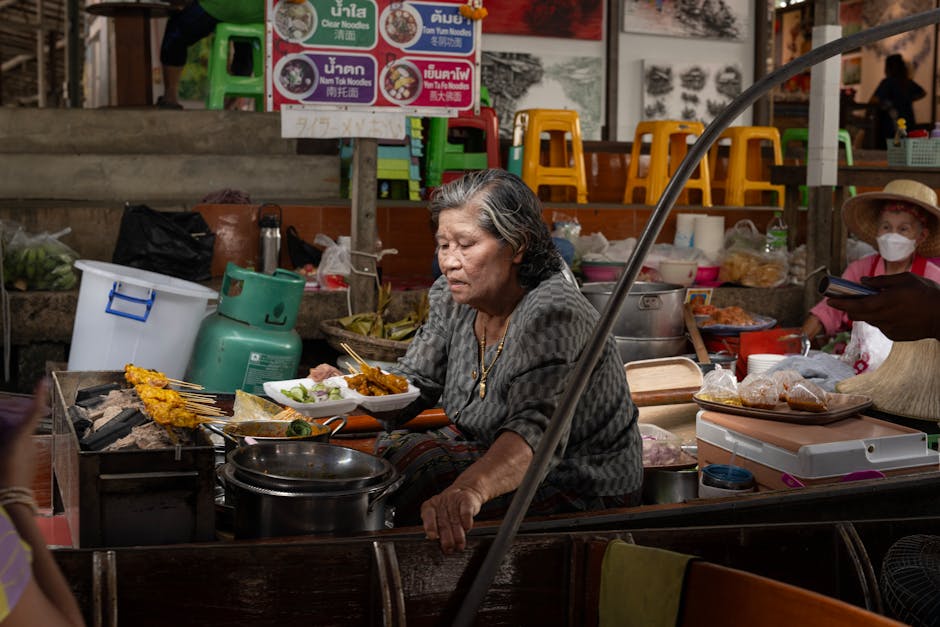
Discover a labyrinth of industrial scrap yards, vibrant street art, and centuries-old mansions in Bangkok's most atmospheric neighborhood.
 Easy
EasyBangkok, Thailand
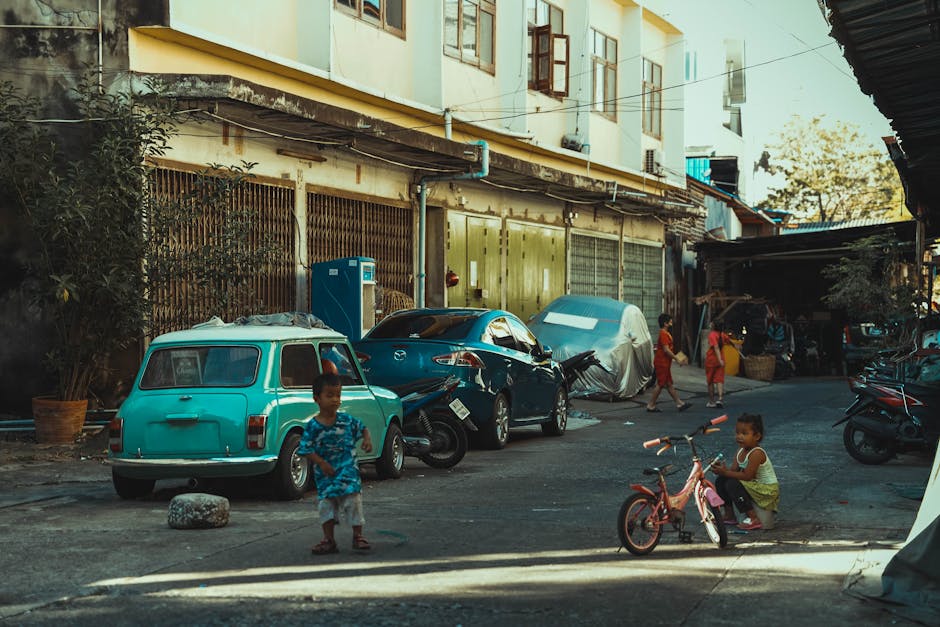
Discover Ari's blend of retro architecture, Michelin-rated street food, and vibrant cafe culture on this self-guided neighborhood stroll.
 Moderate
Bangkok, Thailand
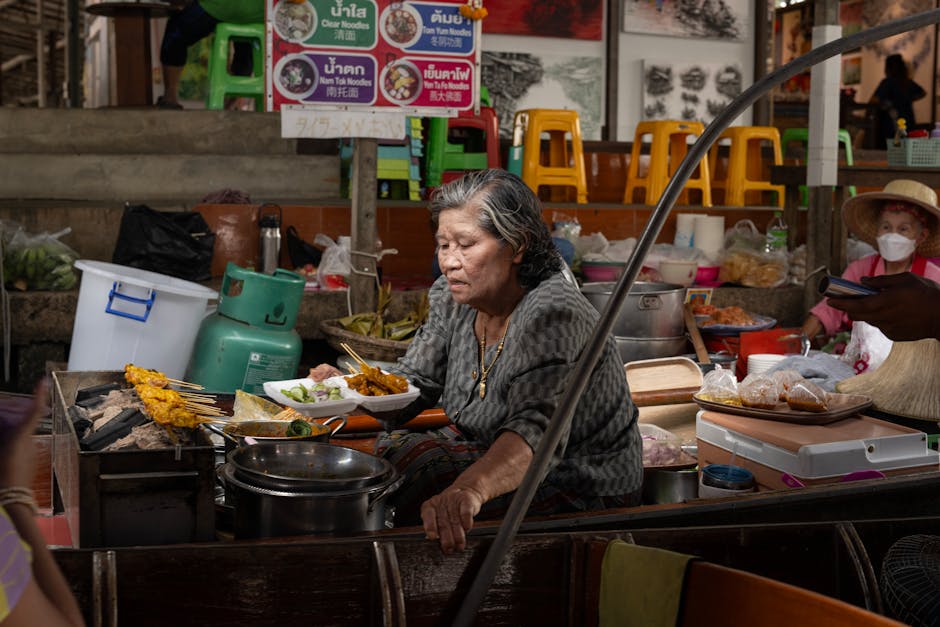
Discover the golden spires and royal history of Bangkok's Old City on this self-guided audio walk through the majestic Rattanakosin Island.
 Easy
EasyBangkok, Thailand
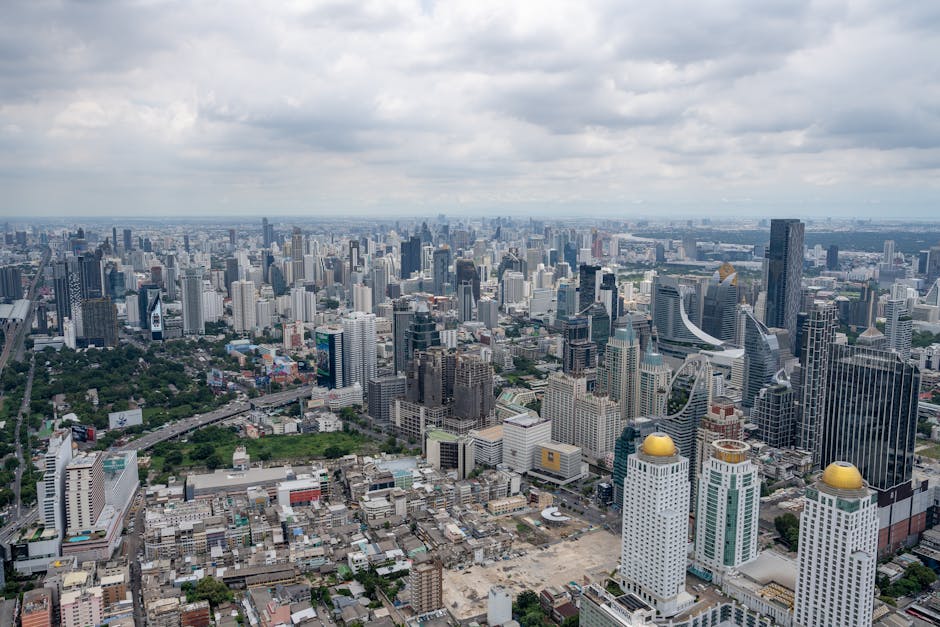
Discover the European-inspired grandeur of Bangkok's Dusit district on this self-guided royal architectural walk.
