Thessaloniki is a city of layers, where centuries of history are stacked one atop another like the stones of its ancient walls. While many visitors flock to the Roman Forum or the White Tower, a deeper, more mysterious story lies hidden in the brickwork of the city’s Ottoman past. This self-guided walk invites you to peel back the modern facade of the city center to discover the 'Ottoman Echoes and Secret Hamams' that defined Thessaloniki for nearly five centuries. From the fall of the Byzantine Empire in 1430 to the early 20th century, the city was a jewel of the Ottoman Balkans, and its skyline was once a forest of minarets and lead-domed bathhouses. On this walking route, you will explore the remnants of a lost world. You’ll begin at the Aigli Geni Hamam, a stunning example of a 'double bath' that has found new life as a vibrant social space. As you move through the neighborhood, the narration reveals the Aladja Imaret, once a place of prayer and charity, known for its once-vibrant colored masonry. The journey continues to the monumental Bey Hamam, the first and largest Ottoman bathhouse built in the city, where the intricate stalactite carvings still hint at the luxury of the Sultan’s era. This neighborhood stroll is more than just a history lesson; it is an exploration of how a city breathes and adapts. You will see the Bedesten, a 15th-century covered market that still echoes with the sounds of trade, and the Hamza Bey Mosque, which local residents affectionately remember as the 'Alcazar' cinema. By following this audio walk, you gain an independent perspective on the multicultural heritage of Thessaloniki at your own pace. Whether you are a history enthusiast or a casual traveler looking for hidden gems, this walking tour Thessaloniki route offers a unique window into the atmospheric world of the Pashas and the everyday citizens who once frequented these grand stone structures.
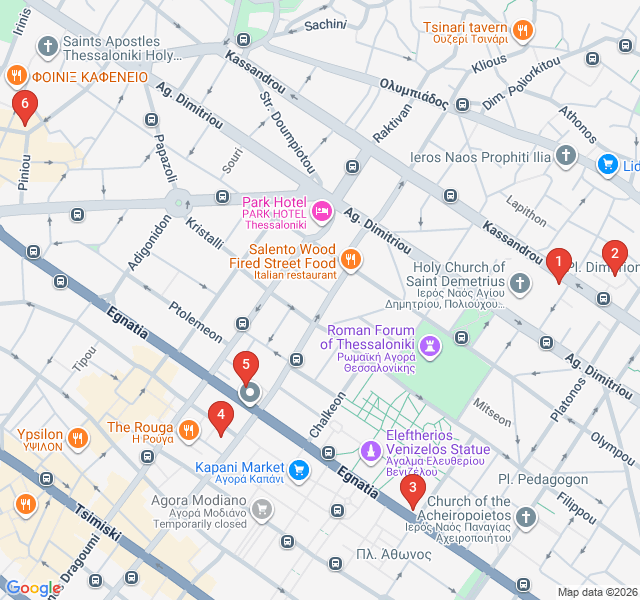
Numbers indicate the order of stops on the tour
Welcome to the start of your self-guided adventure. You are standing before the Geni Hamam, which translates to 'New Bath.' Built in the late 16th century, likely by Hüsrev Pasha, this was a 'cifte hamam' or double bath, with separate sections for men and women. Look up at the cluster of domes; they once trapped the heat for bathers seeking relaxation and ritual cleansing. Today, the building has been creatively repurposed into a cafe and cultural venue known as Aigli. It serves as a perfect example of how Thessaloniki preserves its heritage by integrating it into modern life. Imagine the sound of splashing water and the murmur of gossip that once filled these halls, which now host music and laughter.
A short walk brings you to the Aladja Imaret, commissioned in 1484 by Ishak Pasha. The name 'Aladja' means 'colorful' or 'multicolored,' referring to the diamond-shaped patterns that once adorned its minaret. This wasn't just a mosque; it was an 'imaret,' an Ottoman social welfare institution. It housed a soup kitchen for the poor and a 'medrese' or religious school. While the colorful tiles are mostly gone, the architecture remains a powerful testament to Ottoman philanthropy. The building’s T-shaped plan is characteristic of early Ottoman design. Today, it serves as an exhibition space, continuing its legacy as a center for community and culture in the heart of the city.
As you reach Egnatia Street, you encounter the Bey Hamam, the largest Ottoman bathhouse in Greece. Built in 1444 by Sultan Murad II, just fourteen years after the Ottoman conquest, it was known as the 'Baths of Paradise.' Its scale is immense, reflecting the importance of public bathing in Ottoman social life. Notice the intricate 'muqarnas' or stalactite carvings above the entrances. These baths remained in use until 1968, a staggering 500 years of continuous service. Though you can no longer take a steam bath here, the building often hosts art exhibitions. It stands as a monumental anchor of the city's Ottoman identity, positioned right next to the ancient Roman road.
Step into the commercial heart of the old city. The Bedesten is a lead-covered market building typical of major Ottoman trading hubs. Constructed in the late 15th century, it was designed to house the most precious goods—fine silks, jewelry, and imported spices. Its thick walls and iron doors provided security against fire and theft. Look at the six domes that crown the rectangular structure; they are a hallmark of this architectural style. Even today, the Bedesten and the surrounding streets remain a bustling commercial zone. While the goods have changed, the spirit of the bazaar lives on, making this one of the most atmospheric stops on your neighborhood stroll.
Located at the corner of Egnatia and Venizelou, the Hamza Bey Mosque has a fascinating dual identity. Built in 1467, it was the first mosque erected in Thessaloniki after the conquest. However, for many decades in the 20th century, it was famously known as the 'Alcazar' cinema. Locals would come here to watch films inside the converted prayer hall, a quirky piece of urban history that highlights the city's adaptability. For years, the building was obscured by scaffolding due to the Thessaloniki Metro construction, but its elegant portico and dome remain icons of the city's historic center. It is currently undergoing restoration to return to its former architectural glory.
Your walking route concludes at the Paşa Hammam, often called the Phoenix Baths. Built between 1520 and 1530 by Cezeri Kasim Pasha, this bathhouse is smaller than the Bey Hamam but equally significant. It survived the Great Fire of 1917, which destroyed much of the city, hence the nickname 'Phoenix'—the bird that rises from the ashes. Today, the building is partially used by the city's water utility company, but its historic silhouette is still clearly visible. Standing here, you are near the edge of the historic Ottoman commercial district, a perfect place to reflect on how these stone echoes of the past continue to shape the character of modern Thessaloniki.
Download Zigway to experience "Ottoman Echoes and Secret Hamams" with AI-powered audio narration. Walk at your own pace while stories unfold around you.
 Moderate
Thessaloniki, Greece
Discover Thessaloniki’s creative soul on this self-guided walk through hidden alleys, vibrant murals, and iconic modern art installations.
 Easy
EasyThessaloniki, Greece
Discover how the 1917 Great Fire transformed Thessaloniki into a modern European masterpiece on this self-guided architectural walking route.
 Easy
EasyThessaloniki, Greece
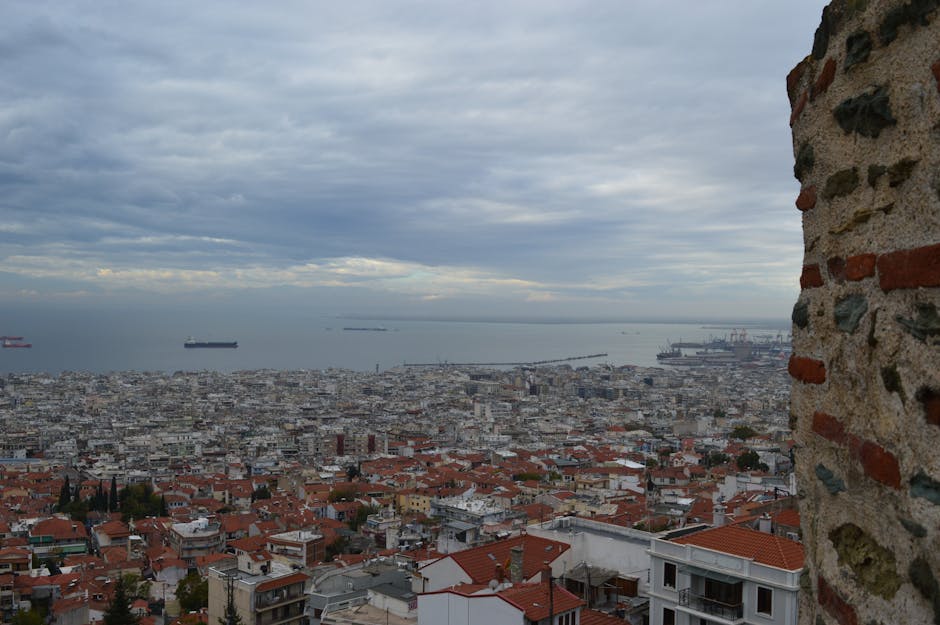
Explore the heart of Thessaloniki on this self-guided walk, discovering Roman ruins and Byzantine masterpieces at your own pace.
 Easy
EasyThessaloniki, Greece
Discover the literary soul of Thessaloniki on this self-guided walk through iconic libraries, historic theaters, and the scenic waterfront.
 Easy
EasySalzburg, Austria
Discover Salzburg's oldest medieval alley, the birthplace of the 'Silent Night' author, and breathtaking views on this quiet self-guided walk.
 Easy
EasyKrakow, Poland
Explore the prestigious Jagiellonian University district, featuring Neo-Gothic architecture, Baroque churches, and Krakow's hidden scholarly gems.
 Easy
EasyWarsaw, Poland
Discover the hidden courtyards and grand pre-war architecture of Warsaw's most atmospheric neighborhood on this self-guided stroll.
 Easy
EasyNairobi, Kenya
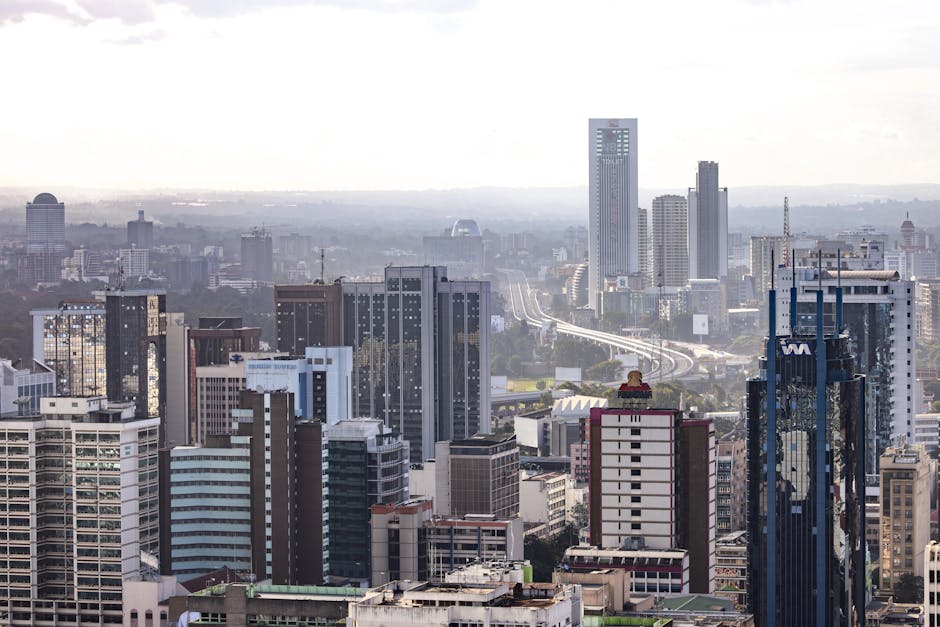
Explore Nairobi's architectural evolution from colonial-era landmarks to iconic Brutalist skyscrapers on this historic self-guided walking route.
 Easy
EasyAthens, Greece
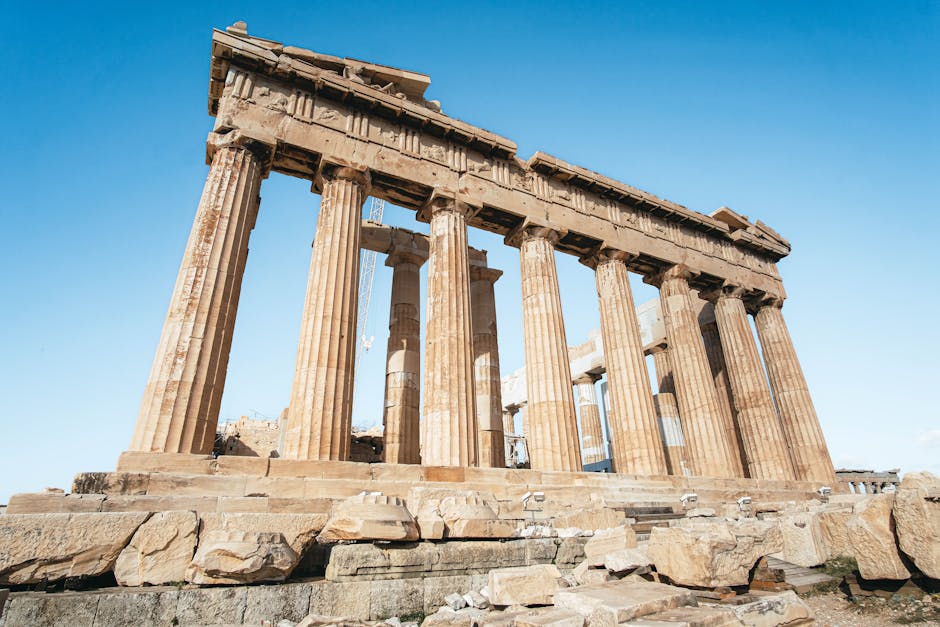
Explore the intersection of ancient history and industrial art on this self-guided walk through Kerameikos and the vibrant Gazi district.
 Moderate
Athens, Greece
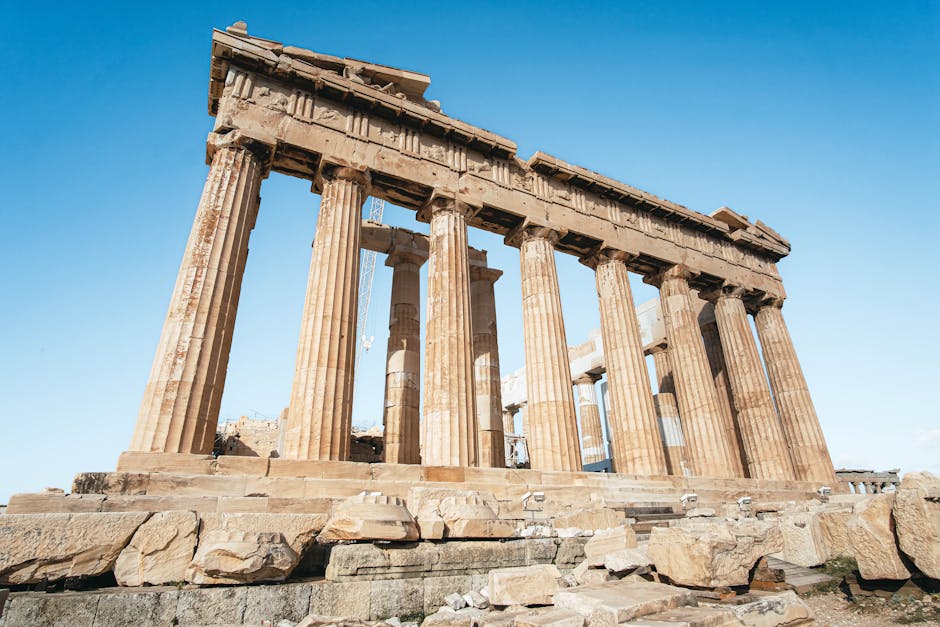
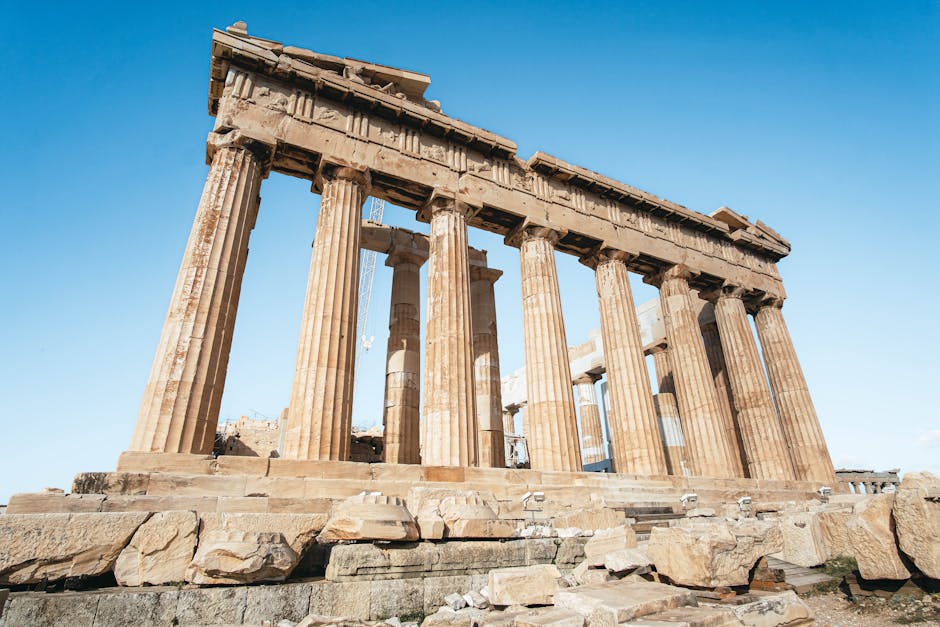
Ascend the Hill of the Muses for breathtaking Acropolis views and ancient democratic sites on this scenic self-guided walking route in Athens.
 Moderate
Athens, Greece
Discover a hidden Cycladic village and ancient monuments on this self-guided walking route through the enchanting alleys of Plaka and Anafiotika.
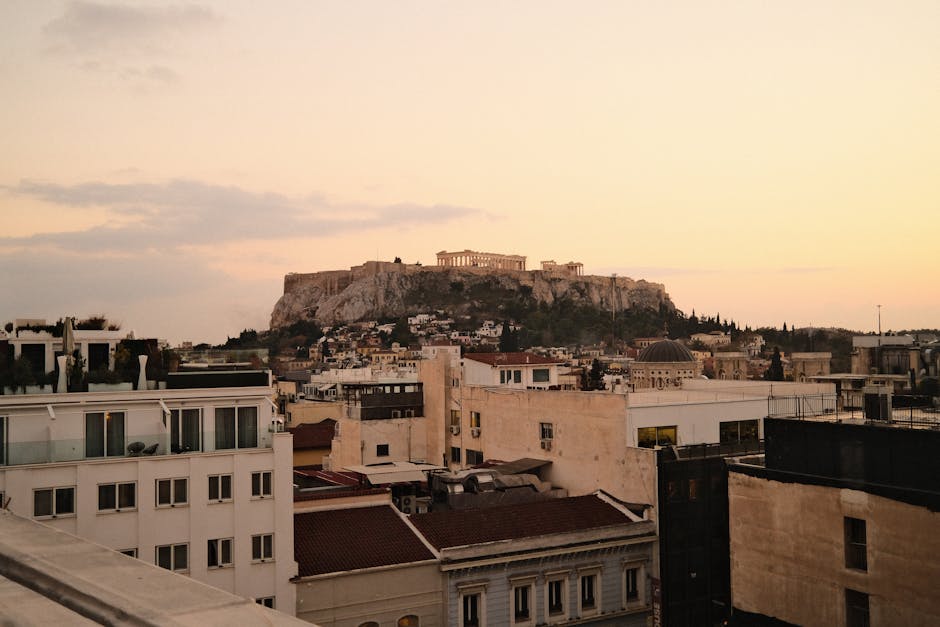 Challenging
Athens, Greece
Conquer the highest peak in Athens on this self-guided walking route through chic Kolonaki to the stunning 360-degree summit of Mount Lycabettus.
