Montreal's Village is more than just a neighborhood; it is a living testament to resilience, creativity, and the enduring spirit of the LGBTQ+ community. This self-guided walking route invites you to explore one of the largest gay villages in the world, a district that transformed from a working-class industrial hub into a vibrant epicenter of culture and nightlife. As you begin your journey, you will notice how the streets themselves serve as a canvas for social expression. From the massive architectural presence of the Grande Bibliothèque to the intimate, somber reflection found in the Park of Hope, this walking route Montreal offers a deep dive into the stories that shaped the city's identity. During the warmer months, the main artery of Sainte-Catherine Street East becomes a pedestrian-only paradise, often decorated with iconic overhead art installations that have become world-famous. While these displays change periodically, the energy of the area remains constant. You will encounter legendary performance venues like Cabaret Mado, where the art of drag has been elevated to a local institution, and the Beaudry Metro station, whose rainbow-colored pillars serve as a permanent beacon of inclusivity. This neighborhood stroll also uncovers the industrial roots of the area, visiting a former public bathhouse that now serves as a museum dedicated to the history of the working class and the marginalized. Exploring independently allows you to soak in the atmosphere at your own pace, whether you want to stop for a drink on a lively terrace or spend extra time reading the commemorative plaques that honor those lost during the AIDS crisis. This walking tour Montreal is designed to show you both the celebration and the struggle, providing a comprehensive look at how a community claimed its space in the heart of the city through art, activism, and pride. **Note:** This area is known for its ever-changing character. Street art, pop-up venues, and temporary exhibitions may differ from what's described. That's part of the adventure - you might discover something entirely new!
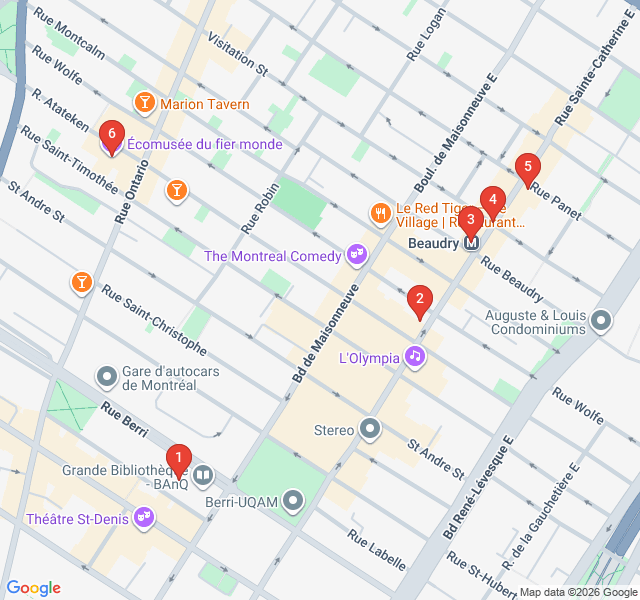
Numbers indicate the order of stops on the tour
Start your self-guided adventure at the Grande Bibliothèque, a masterpiece of modern architecture. Opened in 2005, this is the most-visited library in the French-speaking world. Its facade, wrapped in glass and wooden slats, represents the transparency and accessibility of knowledge. Inside, the design uses yellow birch, the official tree of Quebec, to create a warm, inviting space. This building sits at the gateway to the Village, symbolizing the neighborhood's connection to Montreal's wider cultural and intellectual life. It serves as a meeting point for locals and a quiet sanctuary just steps away from the bustling nightlife that lies ahead.
Welcome to the glittery heart of the Village's nightlife. Cabaret Mado is named after Mado Lamotte, Montreal's most famous drag queen and a true cultural icon. Since opening in the late 1990s, this venue has been instrumental in bringing drag into the mainstream Quebecois spotlight. Look up at the facade to see the whimsical, larger-than-life sculpture of Mado herself. The cabaret is more than just a bar; it is a school for performers and a community hub that celebrates diversity through humor and glamour. While the shows inside are a nighttime staple, the building stands as a daytime reminder of the neighborhood's flamboyant and unapologetic spirit.
As you stand outside Beaudry Metro, you are looking at one of the most recognizable landmarks in the city. In 1999, the station was renovated to include the six rainbow-colored pillars you see at the entrance, designed by architect André Léonard. These colors represent the Pride flag and officially mark the center of the Village. For decades, this station has been the primary arrival point for people from across the globe coming to celebrate Pride or explore the local scene. It is a powerful statement of visibility, ensuring that every person who exits the metro knows they are in a space where they are welcomed and celebrated.
This stretch of Sainte-Catherine Street is the main artery of the Village. Between May and September, this road typically transforms into a massive pedestrian mall. For years, it was famous for the '18 Shades of Gay' installation—thousands of colored resin balls suspended over the street. While the specific art installations change frequently to keep the landscape fresh, the spirit of 'Aires Libres' (Open Airs) remains. This is the place to observe the local 'joie de vivre.' Note that the street art, murals, and overhead decorations are temporary and evolve with the seasons, making every walk through this corridor a unique experience.
Take a moment for quiet reflection at the Park of Hope. This small, somber plaza was created by the community to commemorate those lost to the HIV/AIDS epidemic. Unlike the vibrant energy of the surrounding blocks, this space is designed for remembrance. The black granite blocks and the flags serve as a tribute to the activists who fought for healthcare and recognition during the height of the crisis. It is a reminder that the rights and freedoms enjoyed in the Village today were hard-won through the struggle and resilience of those who came before. The park remains a vital site for community vigils and World AIDS Day commemorations.
The final stop on your walking route is the Écomusée du fier monde, housed in the former Bain Généreux. Built in the 1920s, this was originally a public bathhouse, a necessity in an era when many local workers lived in tenements without running water. Today, the museum is dedicated to the industrial and social history of Montreal's east end. It explores the lives of the working-class people who built this city and the various communities, including the LGBTQ+ community, that have called this area home. The building's stunning Art Deco architecture and its mission of social justice provide a perfect conclusion to your exploration of the Village's heritage.
Download Zigway to experience "Rainbow Roads: Pride and Heritage in the Village" with AI-powered audio narration. Walk at your own pace while stories unfold around you.
 Easy
EasyMontreal, Canada
Discover Montreal’s Little Italy on this self-guided walk. Explore Jean-Talon Market, historic churches, and iconic pastry shops at your own pace.
 Easy
EasyMontreal, Canada
Discover the birthplace of Montreal on this self-guided walk through cobblestone streets, historic markets, and stunning Gothic architecture.
 Moderate
Montreal, Canada
Explore the Gilded Age grandeur of Montreal's elite through this self-guided walk of historic mansions and architectural landmarks.
 Moderate
Montreal, Canada
Explore Montreal's industrial heritage and modern charm on this self-guided audio walk through the historic streets of Saint-Henri.
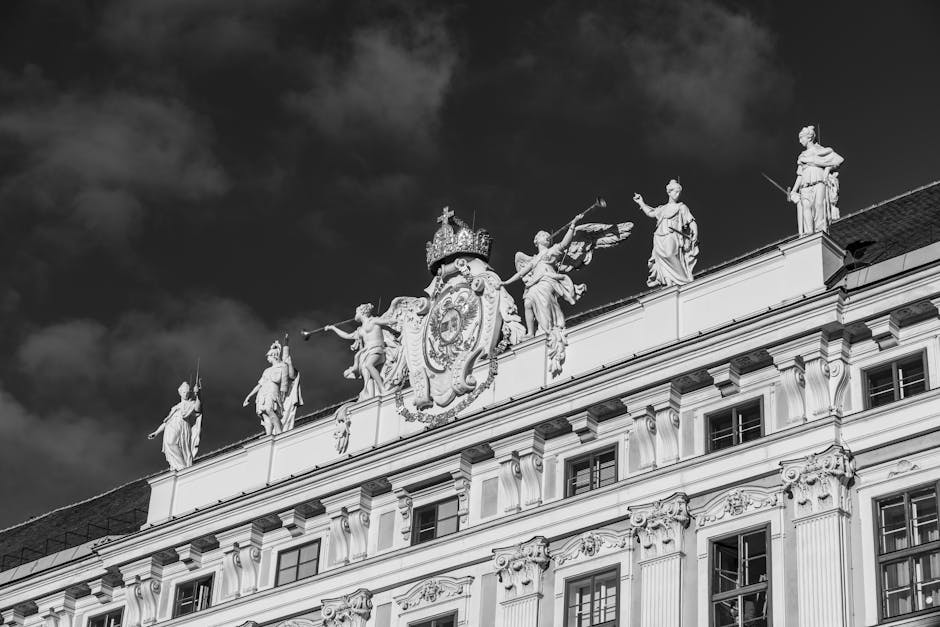 Easy
EasyVienna, Austria
Explore Vienna’s vibrant open-air gallery along the Danube Canal on this self-guided street art and nightlife stroll through Leopoldstadt.
 Easy
EasyNairobi, Kenya
Discover Nairobi’s literary soul on this self-guided walk through historic libraries, iconic bookshops, and cultural centers in the heart of the CBD.
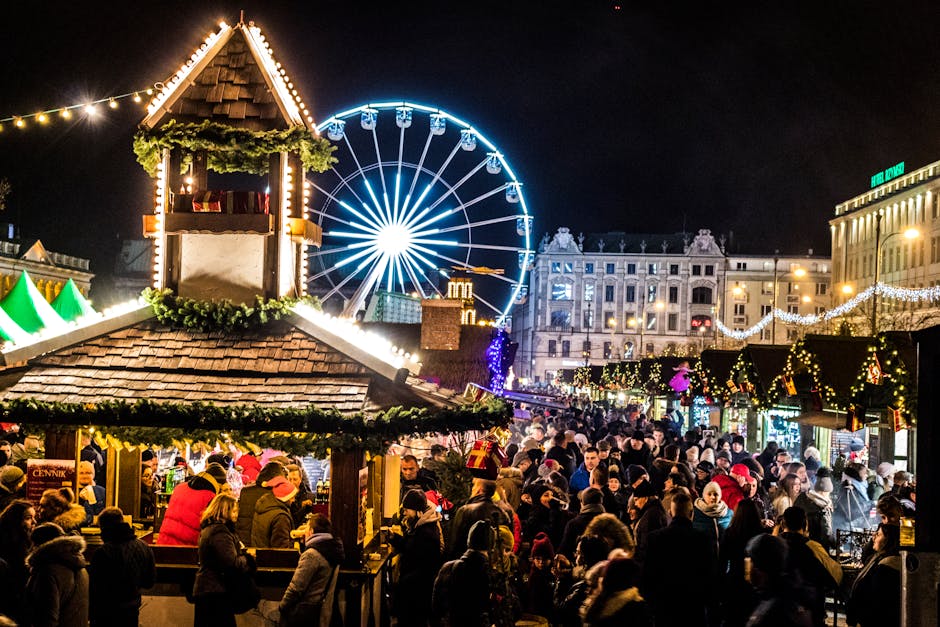 Easy
EasyKrakow, Poland
Explore Krakow's hidden nightlife with this self-guided walk through medieval cellars, jazz clubs, and bohemian bars in the Old Town and Kazimierz.
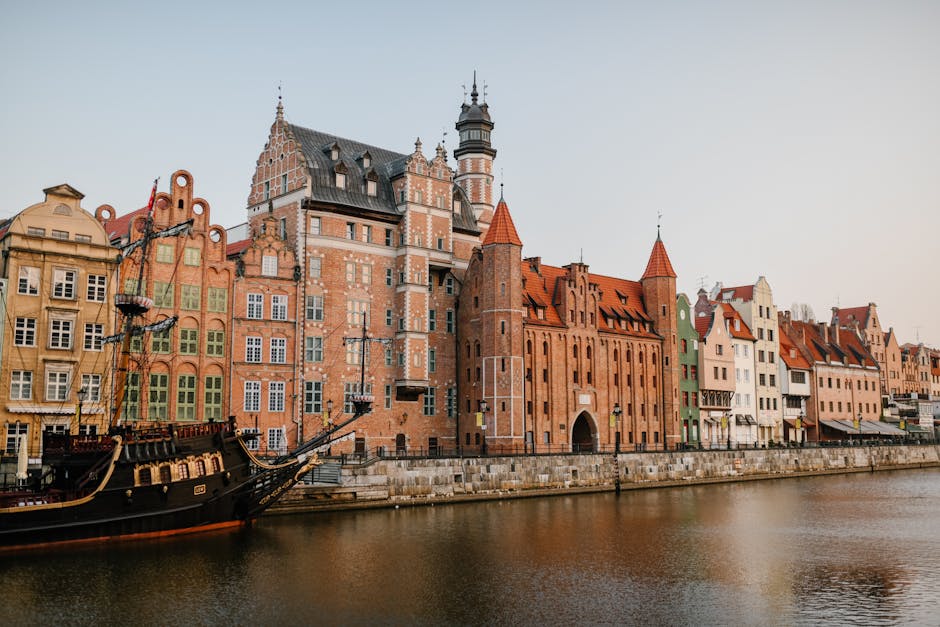 Easy
EasyGdansk, Poland
Discover the 'Baltic Gold' on this self-guided walk through Gdansk's historic mills, massive cathedrals, and the magical Mariacka Street.
 Challenging
Toronto, Canada
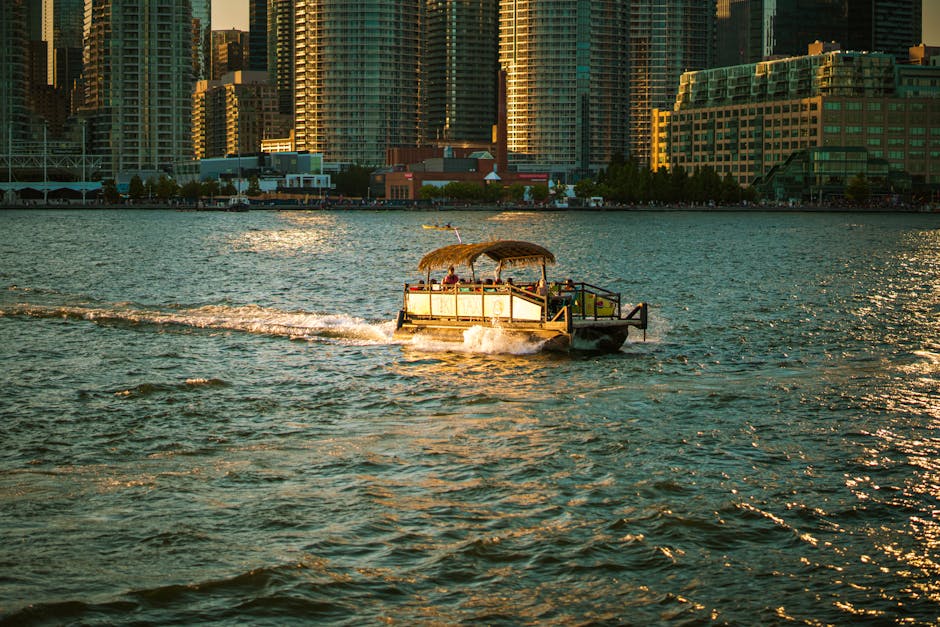
Explore Toronto's crown jewel with this self-guided walk through High Park’s hidden gardens, historic lodges, and scenic waterfront trails.
 Easy
EasyToronto, Canada
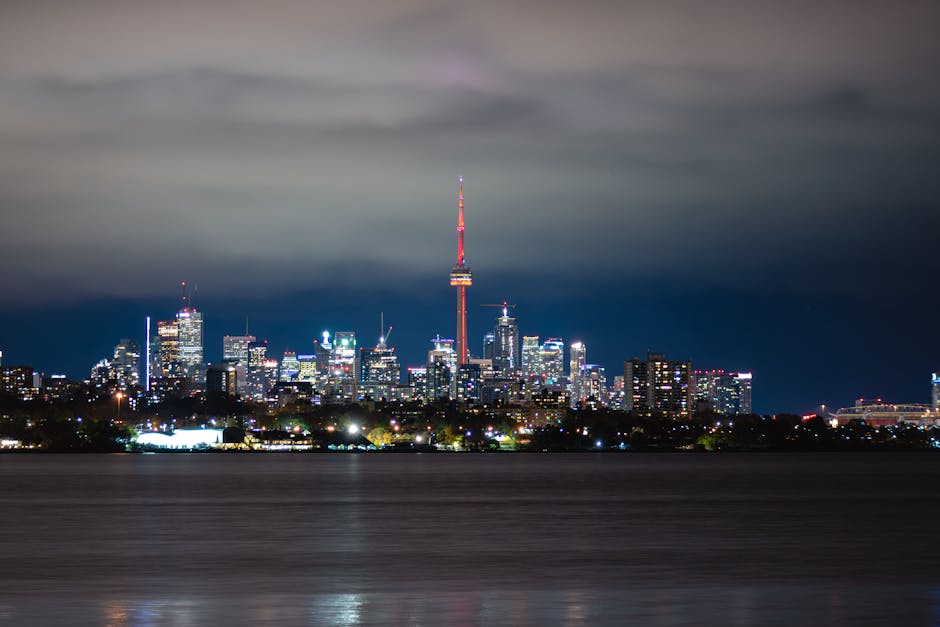
Explore Toronto's iconic skyline on this self-guided walk through the Financial District's historic stone halls and golden glass towers.
 Easy
EasyToronto, Canada
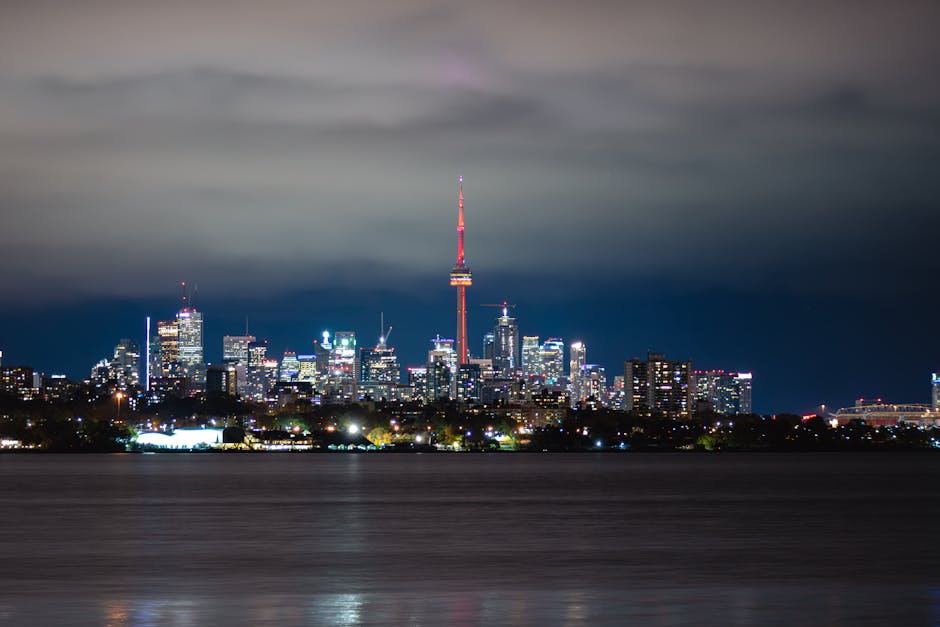
Explore North America's largest collection of Victorian homes and peaceful green spaces on this self-guided stroll through Toronto's Cabbagetown.
 Easy
EasyToronto, Canada
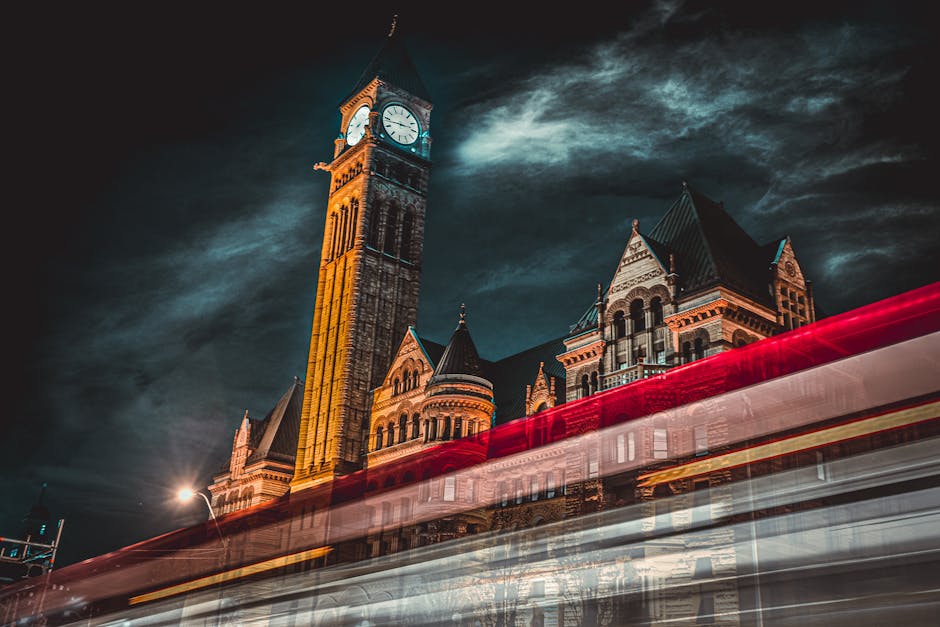
Explore Yorkville’s transformation from 1960s hippie haven to Toronto’s premier luxury district on this self-guided audio walk.
