Step away from the glass skyscrapers of downtown and enter Vancouver’s oldest residential neighborhood. This self-guided walk through Strathcona reveals a layer of the city often missed by casual visitors. Once known as 'East End,' this area is a living museum of Victorian and Edwardian architecture, but its true beauty lies in its stories of resilience and multiculturalism. On this neighborhood stroll, you will discover how a community fought to save its homes from a proposed freeway in the 1960s and how it remains one of the most diverse and vibrant corners of the city today. This walking route takes you past the oldest school in Vancouver, through lush community gardens, and along the historic streets that once housed the city's Black, Japanese, and Chinese pioneer communities. Unlike a standard walking tour Vancouver visitors might find in more commercial districts, this route explores the 'real' city, where corner groceries serve as community hubs and heritage houses are painted in a kaleidoscope of colors. You will see the sites of former 'Hogan’s Alley,' learn about the impact of the 1960s urban renewal projects, and witness the ongoing evolution of social housing and community activism. Whether you are a history buff or simply looking for an off-the-beaten-path experience, this audio walk provides a deep dive into the soul of Vancouver. Explore independently and at your own pace as you uncover the hidden history in Strathcona, where every porch and park bench has a story to tell about the people who built this city from the ground up.
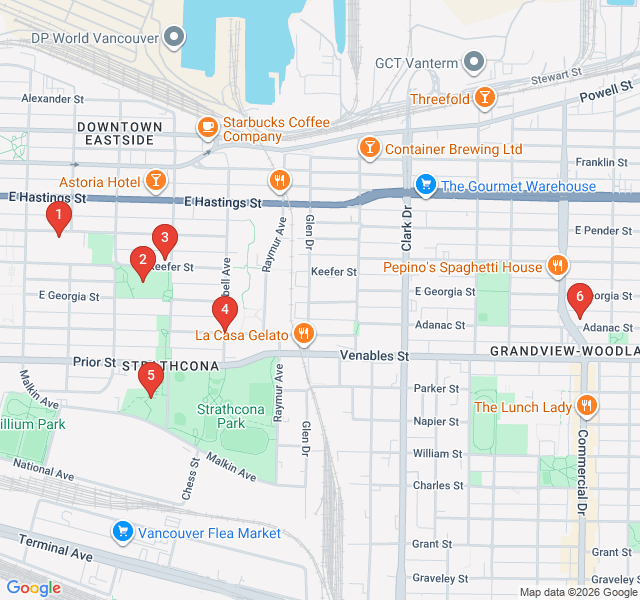
Numbers indicate the order of stops on the tour
Welcome to the starting point of your self-guided adventure. Built in 1891, Lord Strathcona Elementary is the oldest school in Vancouver. As you look at its grand facade, imagine the generations of children from all over the world who have passed through these doors. This school was the heart of the multicultural 'East End.' Before World War II, this area was home to a thriving Japanese-Canadian community, and the school played a vital role in integrating new immigrants. During the 1940s, the school saw the tragic departure of its Japanese-Canadian students due to internment, a somber chapter in the city's history. Today, it remains a symbol of the neighborhood's endurance and its commitment to diversity.
This peaceful green space is named after Malcolm Alexander MacLean, Vancouver's first mayor. In the early 20th century, this area looked very different; it was densely packed with small cottages and narrow lanes. During the mid-century era of 'urban renewal,' many of these older homes were cleared to make way for modern parks and housing projects. MacLean Park represents the shift in Vancouver’s urban planning. Take a moment to notice the surrounding mix of historic heritage houses and mid-century social housing. It’s a visual timeline of how the city’s approach to housing has changed over the decades, balancing the need for public space with the preservation of the neighborhood's character.
Every neighborhood needs a heart, and for Strathcona, this is it. The Wilder Snail is more than just a grocery store or a cafe; it’s a modern iteration of the historic corner store. In the early 1900s, Strathcona was dotted with dozens of these small family-run shops that served as the primary social hubs for residents. As you stand here, notice the scale of the building and how it fits seamlessly into the residential streetscape. This spot highlights the 'village' feel that residents fought so hard to protect. It’s the perfect place to observe the local rhythm of life, where neighbors stop to chat and the atmosphere feels worlds away from the busy downtown core.
You are now standing near the historic edge of Hogan’s Alley, the center of Vancouver’s Black community from the early 1900s until the late 1960s. This area was a vibrant hub of jazz, food, and culture, once home to Nora Hendrix, grandmother of rock legend Jimi Hendrix. Most of Hogan’s Alley was demolished in 1970 to build the Georgia Viaduct as part of a planned freeway system that would have gutted Strathcona. The community’s successful protest against that freeway is one of the most important victories in Vancouver’s history. While the physical buildings are mostly gone, the spirit of the community is being reclaimed through murals and commemorative projects along this corridor.
This lush oasis is a testament to the power of community activism. In the 1980s, this land was a neglected industrial site. Local residents reclaimed it, turning it into one of the most impressive community gardens in North America. As you walk through the paths, you’ll see everything from orchards and beehives to individual vegetable plots. The garden serves a dual purpose: providing fresh food for the neighborhood and acting as a green buffer against the nearby industrial port lands. It is a 'hidden gem' that perfectly encapsulates the Strathcona spirit—independent, resourceful, and deeply connected to the land and each other.
Our final stop brings us to Adanac Towers. Built in the 1970s, this social housing complex represents the culmination of the neighborhood's fight for equitable housing. After the community successfully stopped the freeway project, the focus shifted to ensuring that Strathcona remained an affordable place for seniors and low-income families. The towers are part of a broader network of social and cooperative housing that defines the eastern edge of the neighborhood. From here, you can see the transition into the industrial and commercial areas of East Vancouver. This building stands as a reminder that the history of a neighborhood isn't just about its oldest houses, but about the ongoing struggle to keep the community together.
Download Zigway to experience "Hidden History in Strathcona" with AI-powered audio narration. Walk at your own pace while stories unfold around you.
 Easy
EasyVancouver, Canada
Explore Vancouver’s transformation from industrial hub to futuristic urban oasis on this self-guided audio walk along the scenic False Creek Seawall.
 Moderate
Vancouver, Canada
Discover the cinematic secrets of Hollywood North on this self-guided walk through Downtown Vancouver’s most famous filming locations.
 Easy
EasyVancouver, Canada
Discover how historic rail warehouses became Vancouver’s trendiest district on this self-guided stroll through Yaletown’s chic streets and parks.
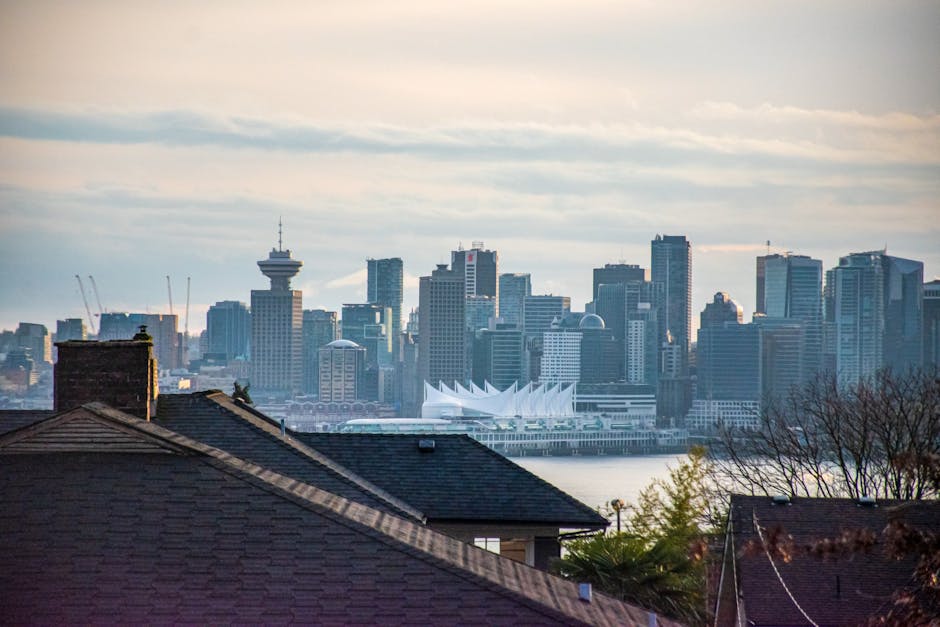 Moderate
Vancouver, Canada
Explore Vancouver's creative hub! Discover vibrant murals, craft breweries, and historic landmarks on this self-guided stroll through Mount Pleasant.
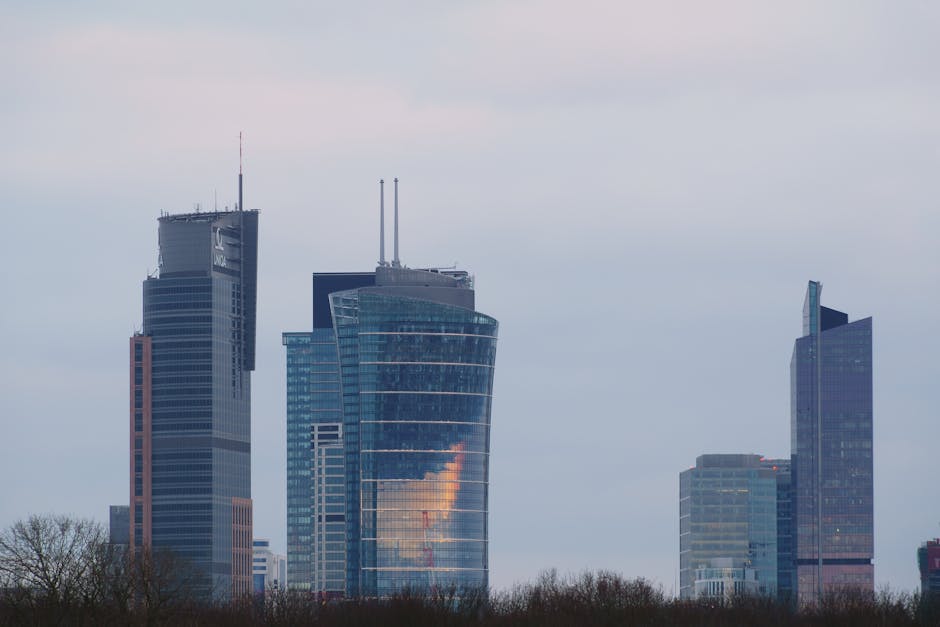 Easy
EasyWarsaw, Poland
Discover the hidden courtyards and grand pre-war architecture of Warsaw's most atmospheric neighborhood on this self-guided stroll.
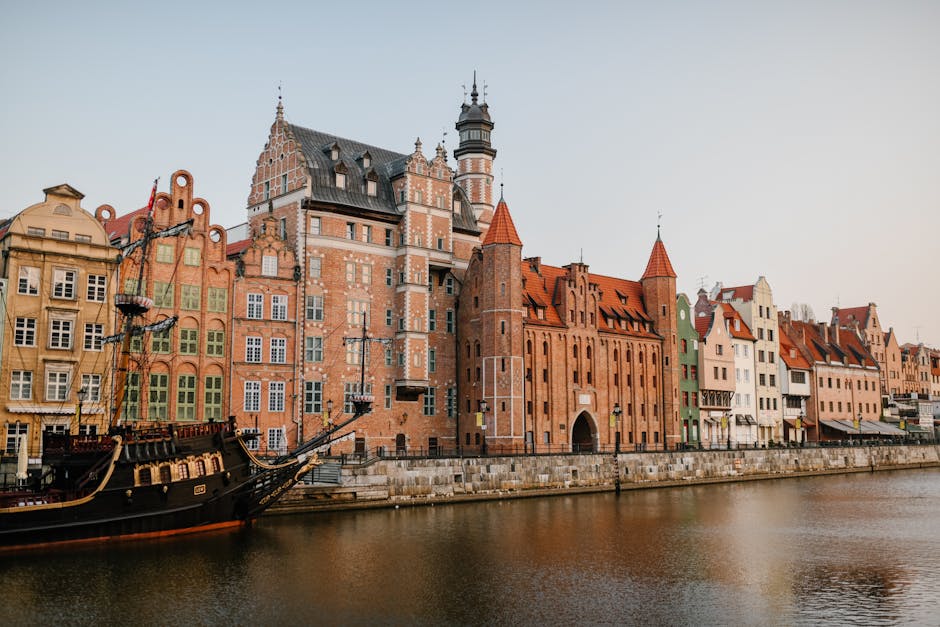 Easy
EasyGdansk, Poland
Discover the monastic heritage, world-famous organs, and lush botanical gardens of Oliwa on this peaceful self-guided neighborhood stroll.
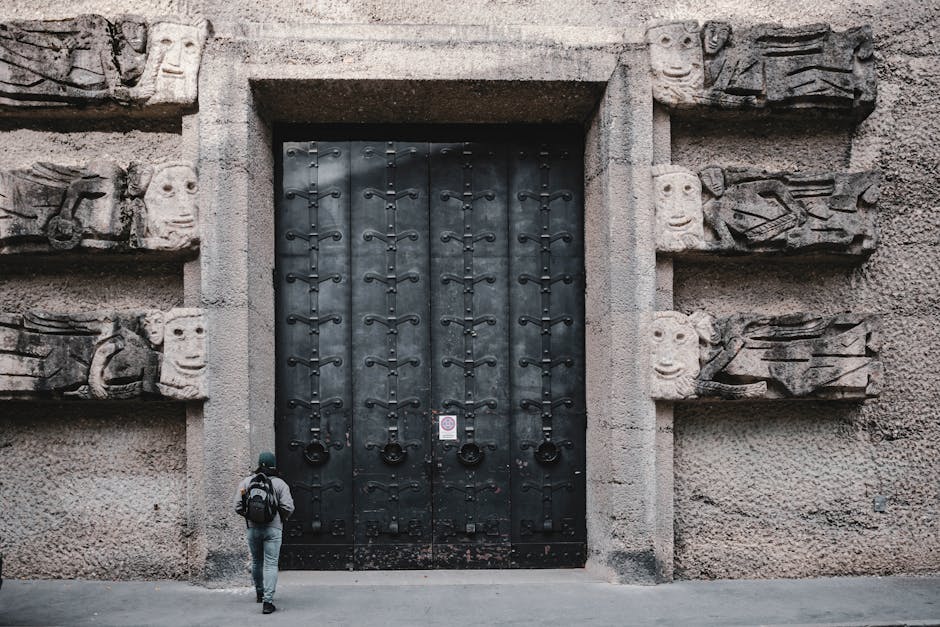 Easy
EasySalzburg, Austria
Discover Salzburg's oldest medieval alley, the birthplace of the 'Silent Night' author, and breathtaking views on this quiet self-guided walk.
 Easy
EasyWarsaw, Poland
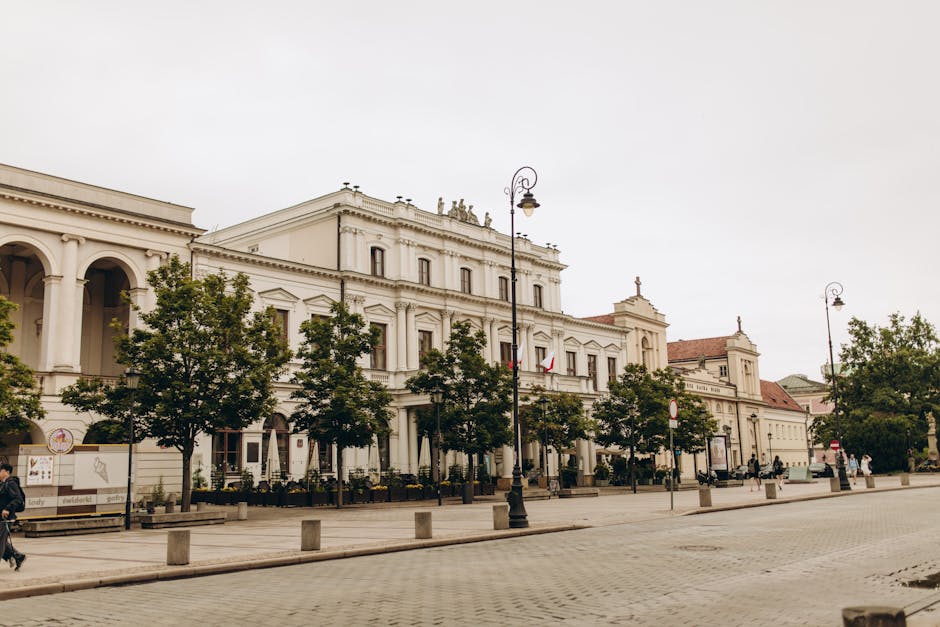
Explore Warsaw's scenic riverfront, rooftop gardens, and industrial-chic architecture on this self-guided stroll through the Powiśle district.
 Challenging
Toronto, Canada
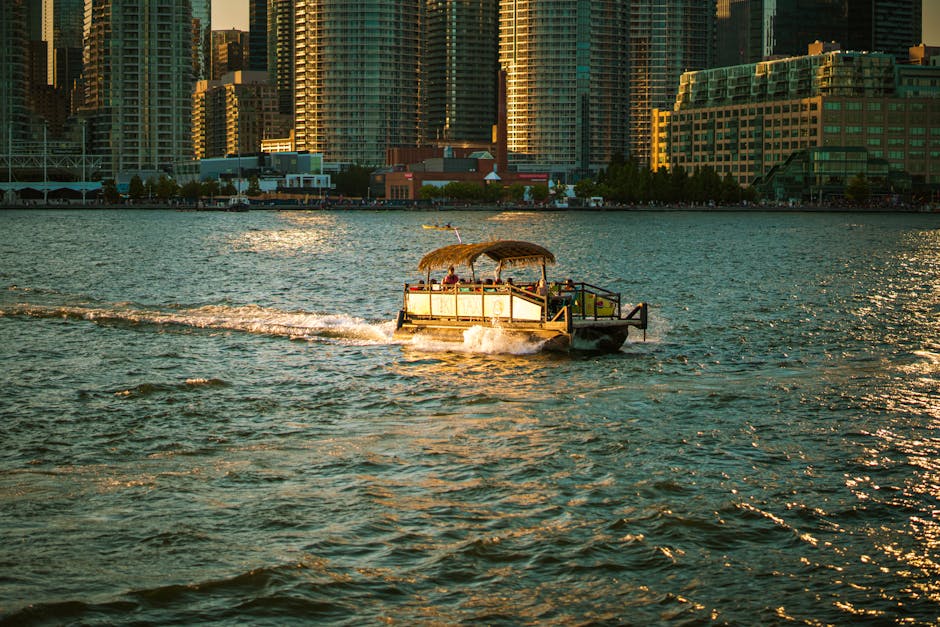
Explore Toronto's crown jewel with this self-guided walk through High Park’s hidden gardens, historic lodges, and scenic waterfront trails.
 Easy
EasyToronto, Canada
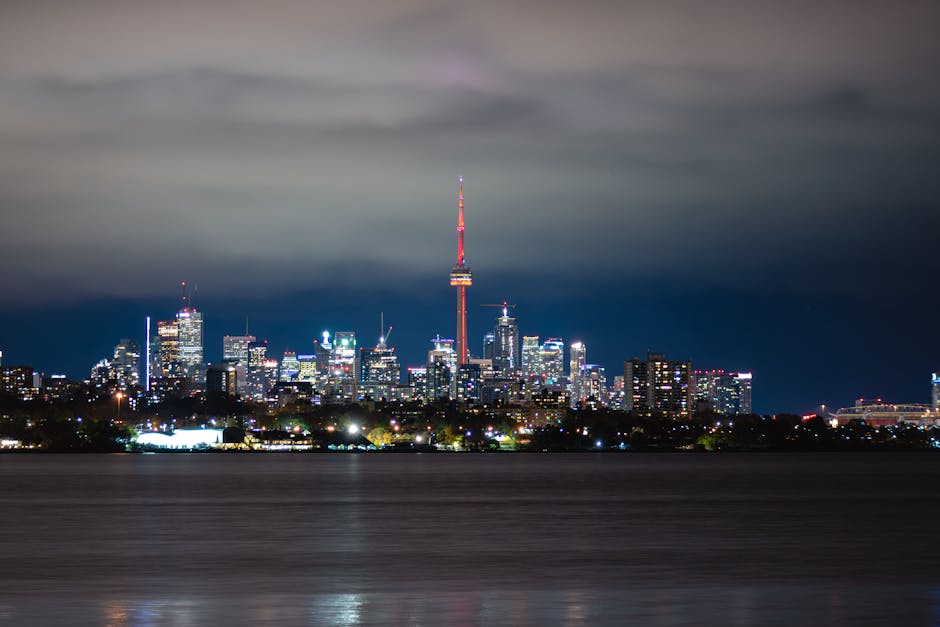
Explore Toronto's iconic skyline on this self-guided walk through the Financial District's historic stone halls and golden glass towers.
 Easy
EasyToronto, Canada
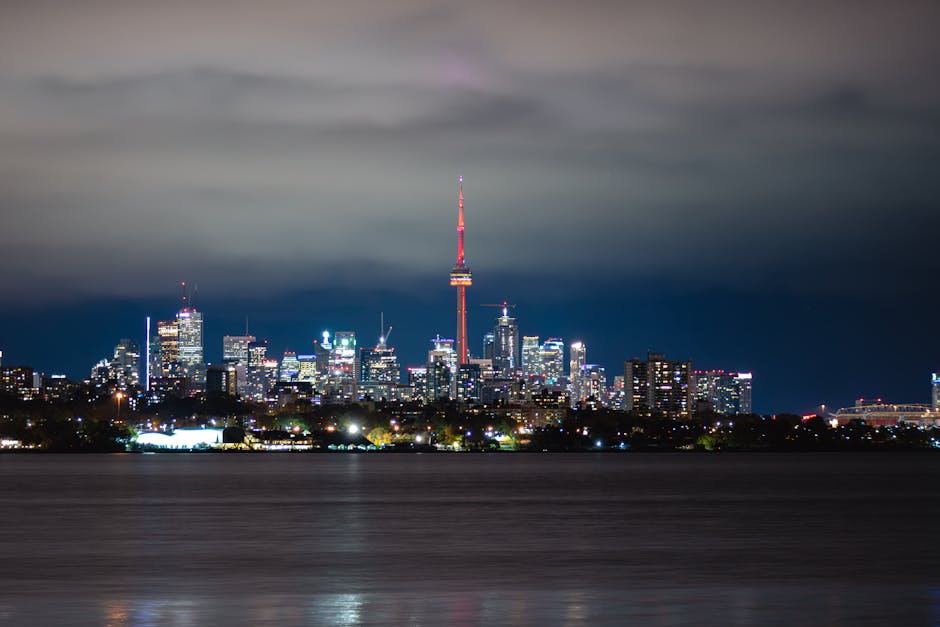
Explore North America's largest collection of Victorian homes and peaceful green spaces on this self-guided stroll through Toronto's Cabbagetown.
 Easy
EasyToronto, Canada
Explore Yorkville’s transformation from 1960s hippie haven to Toronto’s premier luxury district on this self-guided audio walk.
