Yaletown is a masterclass in urban transformation. Once a gritty industrial district serving as the western terminus for the Canadian Pacific Railway, it has evolved into Vancouver’s most sophisticated neighborhood. This self-guided walk invites you to explore the intersection of history and high-end living, where 19th-century red-brick warehouses now house tech startups, boutique fashion houses, and award-winning restaurants. As you wander, you will discover how the city successfully preserved its industrial heritage while building a modern metropolis around it. This walking route Vancouver enthusiasts love highlights the 'Yaletown style'—a unique blend of heavy timber, weathered brick, and sleek glass towers. You will stroll along the iconic raised loading docks of Hamilton and Mainland Streets, which have been ingeniously repurposed into some of the city's most vibrant outdoor patios. The journey continues into the heart of the district’s railway past at the Roundhouse, once the site of heavy engine repair and now a thriving community hub. A highlight for history buffs is the Engine 374 Pavilion, home to the very steam locomotive that pulled the first transcontinental passenger train into Vancouver in 1887. This event fundamentally changed the trajectory of the city and the nation, making this stop a cornerstone of any walking tour Vancouver history fans might seek. The stroll concludes with a transition from the dense, historic core to the expansive greenery of David Lam Park along the False Creek waterfront. This area represents the 'Vancouverism' style of urban planning—tall, slender towers surrounded by public parks and water. Whether you are an architecture aficionado or simply looking for a scenic neighborhood stroll, this route provides a deep dive into the soul of Vancouver’s most fashionable district.
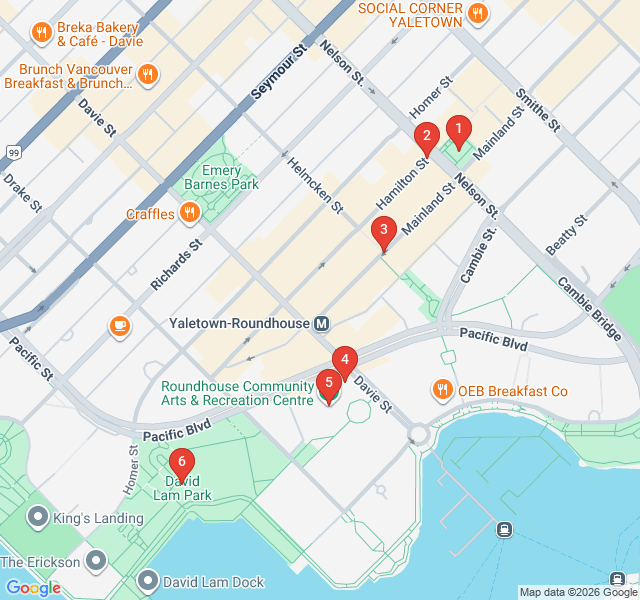
Numbers indicate the order of stops on the tour
Begin your exploration at Yaletown Park, a contemporary green space that tells the story of the neighborhood's origins. In the late 1880s, the Canadian Pacific Railway moved its machinery shops from Yale, a small town in the Fraser Canyon, to this location. The workers who followed the railroad named their new home 'Yaletown.' Notice the park’s design—the use of granite and metal elements is a nod to the area's industrial past. This spot serves as a gateway between the modern high-rises of the downtown core and the low-slung historic district you are about to enter.
As you walk down Hamilton Street, you are stepping into the heart of the historic warehouse district. Most of the buildings here date back to the early 1900s. Look closely at the architecture; you’ll see heavy timber frames and thick brick walls designed to support the weight of industrial goods. One of the most distinctive features is the raised sidewalk. These were originally loading docks where horse-drawn carriages, and later trucks, would pull up to unload cargo directly into the warehouses. Today, they provide a unique elevated walkway for browsing the neighborhood's many boutiques.
Mainland Street offers a slightly different perspective on Yaletown's evolution. Parallel to Hamilton, this street is famous for its vibrant atmosphere and the 'chic' factor of the neighborhood. The loading docks here have been converted into some of Vancouver's most popular outdoor dining areas. In the 1990s, the city implemented strict heritage guidelines to ensure that as these buildings were converted into lofts and offices, the original character remained intact. This area is a prime example of successful adaptive reuse, where the industrial shell remains while the interior life of the building has completely changed.
Step inside the glass pavilion to see a true giant of Canadian history: Engine 374. On May 23, 1887, this steam locomotive pulled the first transcontinental passenger train into the Vancouver terminus, effectively connecting Canada from coast to coast. For nearly 60 years, the engine was on display in Kitsilano and suffered from the elements before being meticulously restored for Expo 86. Today, it stands as a gleaming monument to the railway that built this city. The pavilion is often staffed by knowledgeable volunteers who can share specific details about the engine’s mechanics and its historic journey.
This impressive circular building was constructed in 1888 to service and store the CPR’s locomotives. A 'roundhouse' features a central turntable that allows engines to be rotated and moved into various repair bays. By the mid-20th century, the facility had fallen into disrepair as diesel replaced steam. However, during the preparations for Expo 86, the building was saved from demolition. It was eventually converted into a community centre, making it one of the oldest industrial structures in Vancouver still in use. Inside, you can still see the original brickwork and heavy wooden beams that once housed massive iron horses.
Finish your walk at David Lam Park, where the industrial past gives way to the modern Vancouver skyline. This park was built on former railway lands as part of the massive redevelopment following Expo 86. It is named after David Lam, a former Lieutenant Governor of British Columbia. From here, you can see the 'glass city' architecture that Vancouver is famous for—slender towers designed to preserve mountain views. The park is part of the Seawall, the world's longest uninterrupted waterfront path. It’s the perfect place to sit, look out over False Creek, and reflect on the incredible transformation of the land beneath your feet.
Download Zigway to experience "Warehouse Chic: The Evolution of Yaletown" with AI-powered audio narration. Walk at your own pace while stories unfold around you.
 Easy
EasyVancouver, Canada
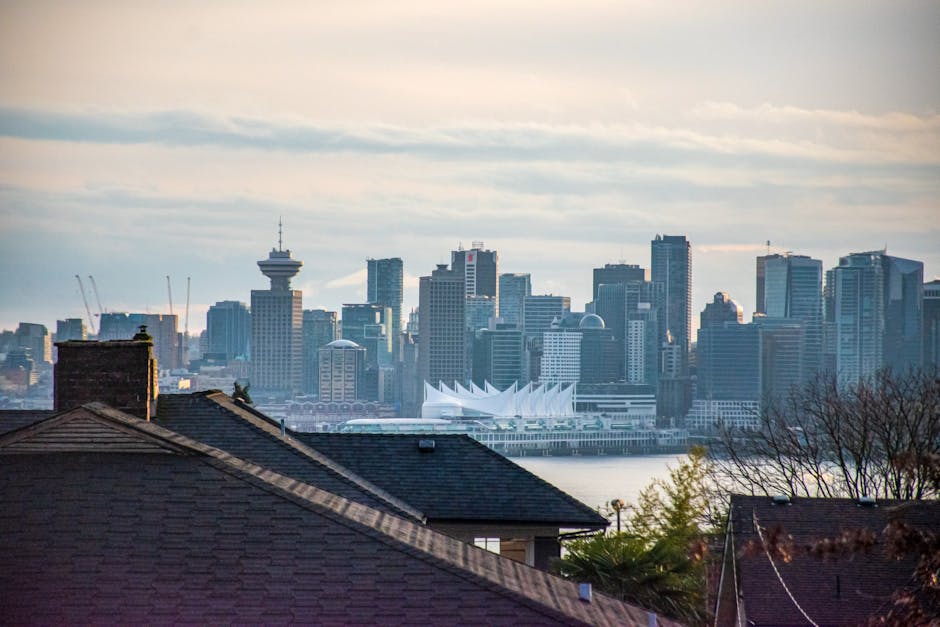
Explore Vancouver’s transformation from industrial hub to futuristic urban oasis on this self-guided audio walk along the scenic False Creek Seawall.
 Moderate
Vancouver, Canada
Discover the cinematic secrets of Hollywood North on this self-guided walk through Downtown Vancouver’s most famous filming locations.
 Easy
EasyVancouver, Canada
Explore Vancouver's oldest neighborhood, from Victorian homes to the historic heart of the city's multicultural pioneer communities.
 Moderate
Vancouver, Canada
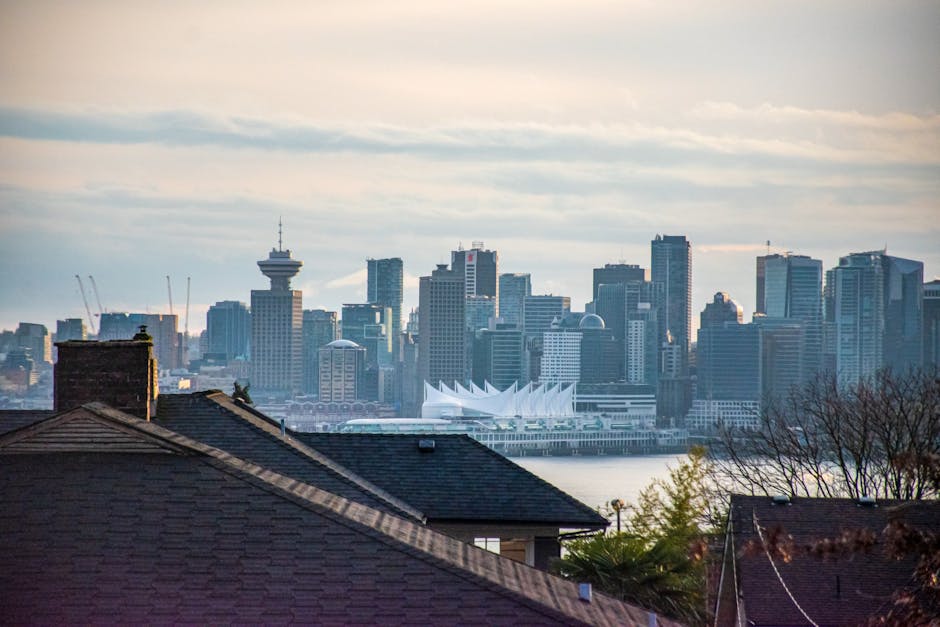
Explore Vancouver's creative hub! Discover vibrant murals, craft breweries, and historic landmarks on this self-guided stroll through Mount Pleasant.
 Easy
EasyGdansk, Poland
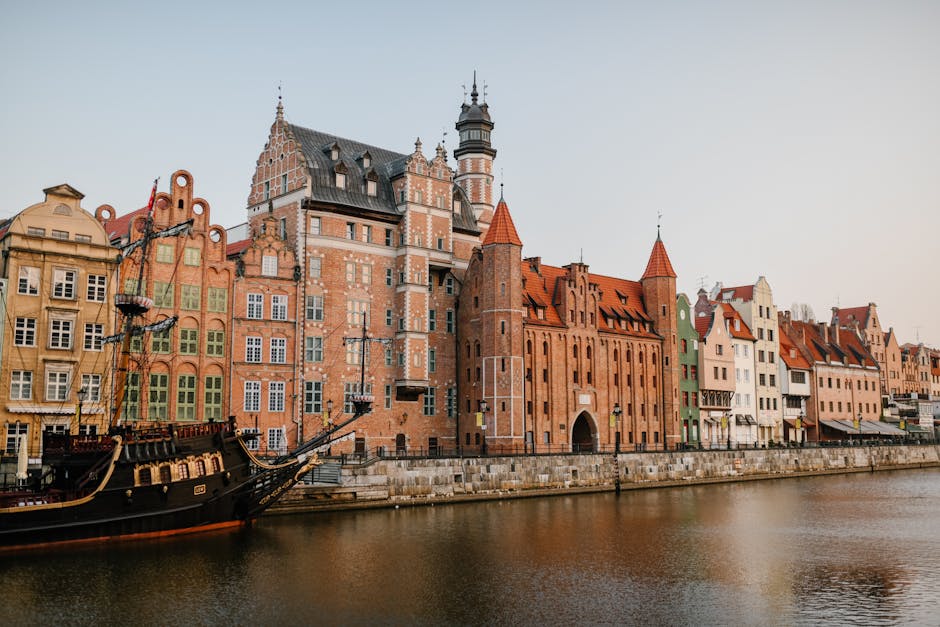
Discover the 'Baltic Gold' on this self-guided walk through Gdansk's historic mills, massive cathedrals, and the magical Mariacka Street.
 Easy
EasyGothenburg, Sweden
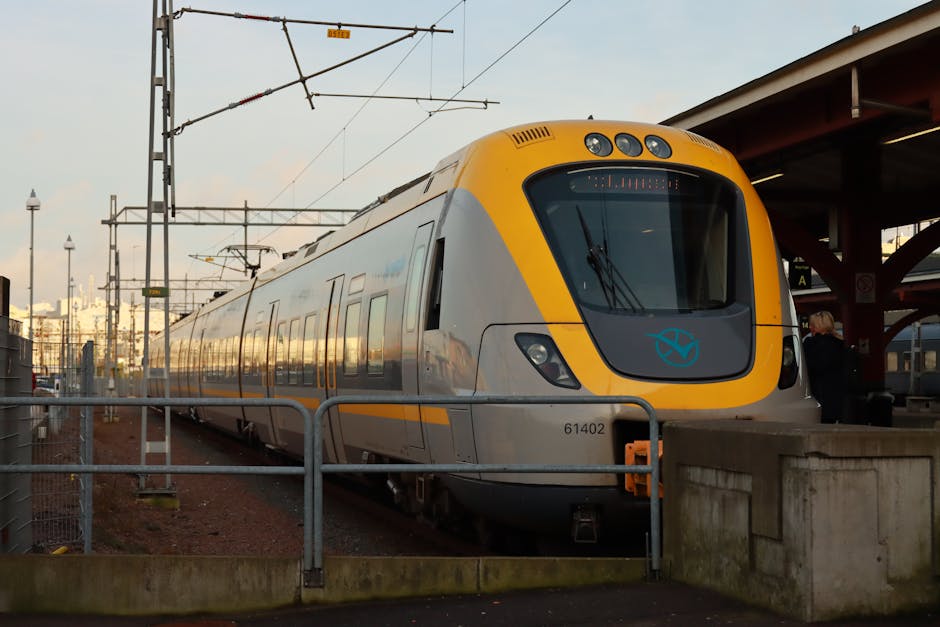
Explore Gothenburg's elegant academic district, featuring grand 19th-century stone architecture and the iconic cultural hub of Götaplatsen.
 Easy
EasyGothenburg, Sweden
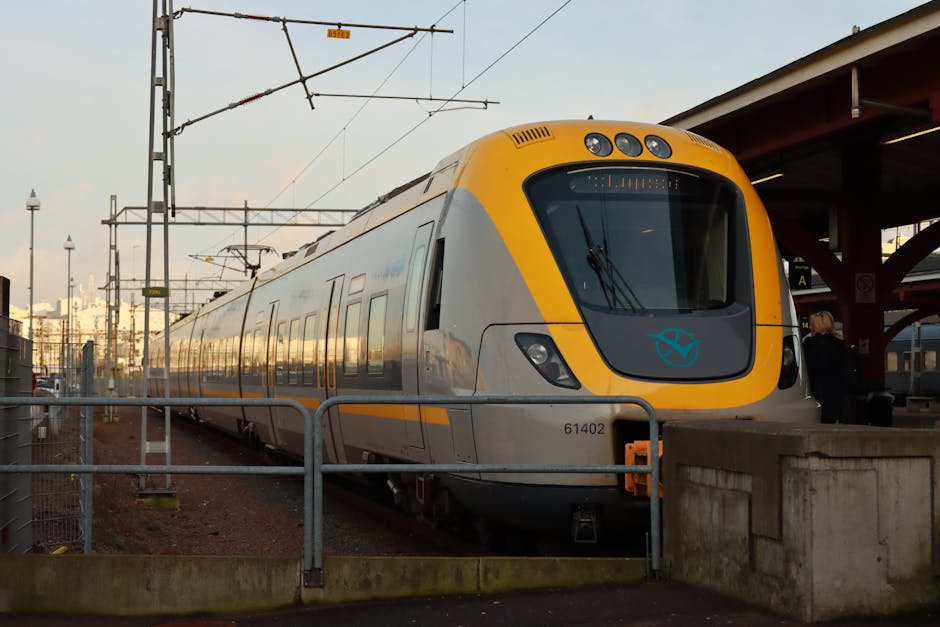
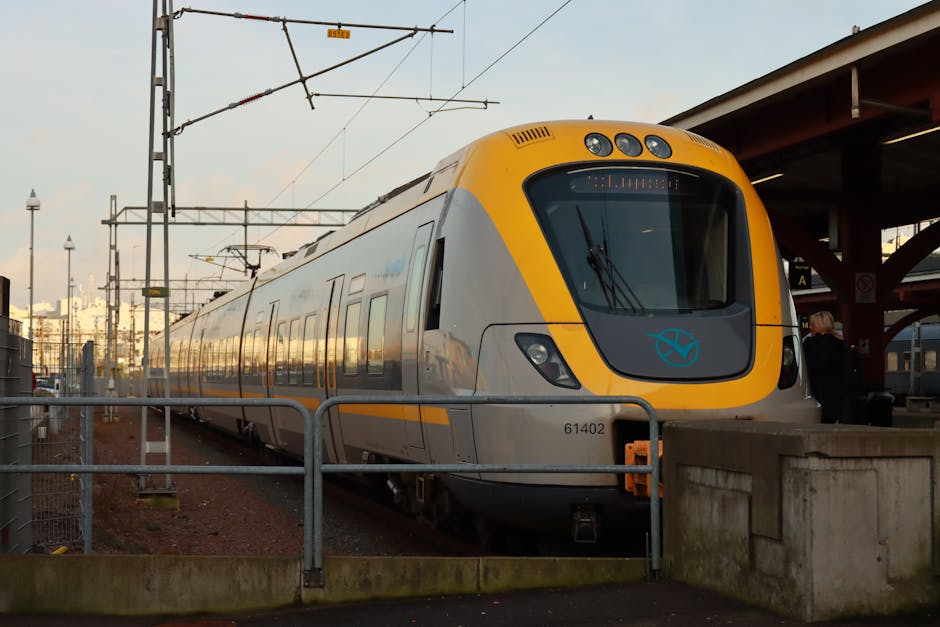
Explore Gothenburg's maritime soul on this self-guided walk from historic shipyards to sleek modern piers and iconic industrial landmarks.
 Easy
EasyGothenburg, Sweden
Discover Gothenburg’s 17th-century Dutch foundations, historic canals, and military fortifications on this self-guided architectural walk.
 Challenging
Toronto, Canada
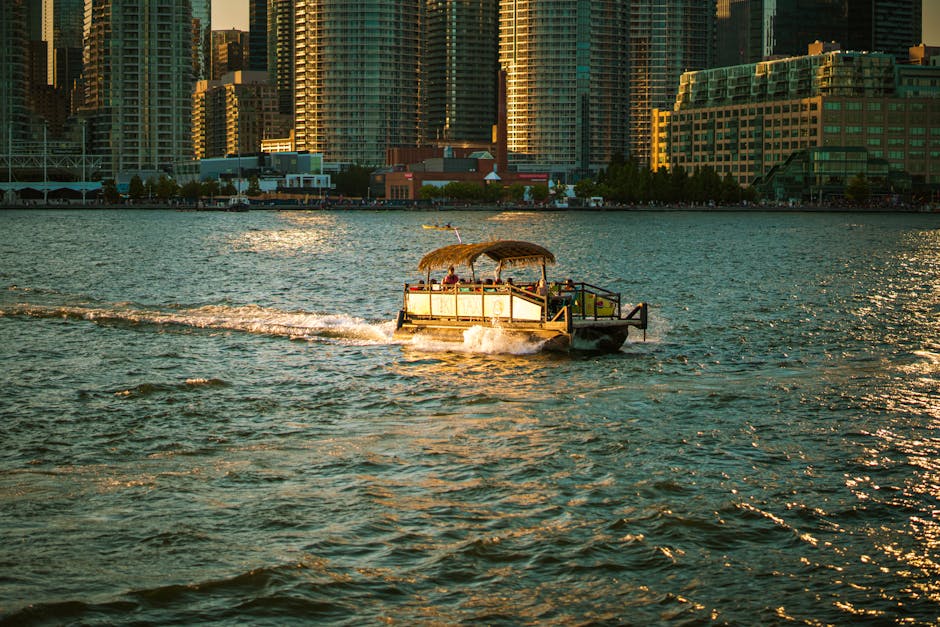
Explore Toronto's crown jewel with this self-guided walk through High Park’s hidden gardens, historic lodges, and scenic waterfront trails.
 Easy
EasyToronto, Canada
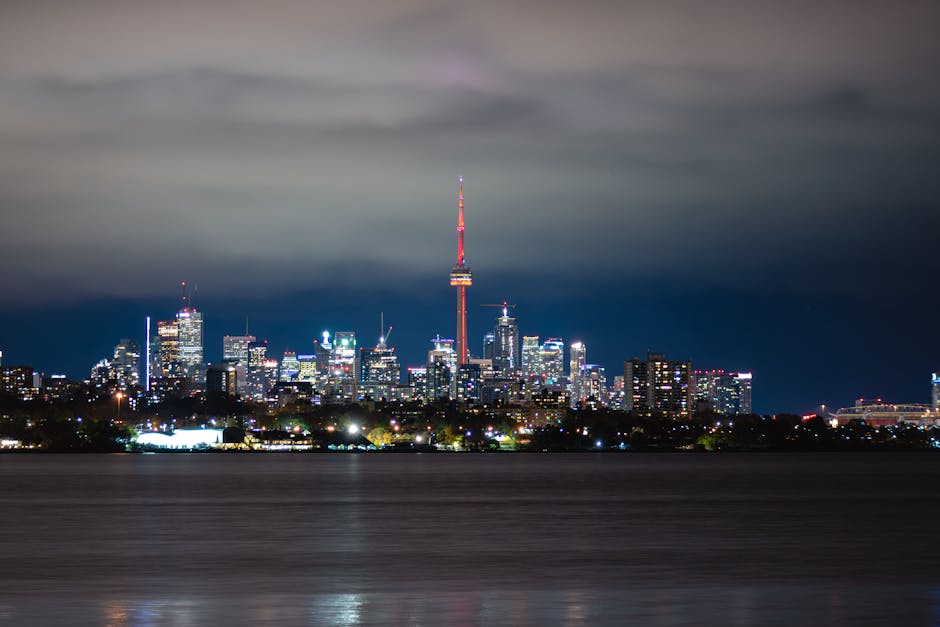
Explore Toronto's iconic skyline on this self-guided walk through the Financial District's historic stone halls and golden glass towers.
 Easy
EasyToronto, Canada
Explore North America's largest collection of Victorian homes and peaceful green spaces on this self-guided stroll through Toronto's Cabbagetown.
 Easy
EasyToronto, Canada
Explore Yorkville’s transformation from 1960s hippie haven to Toronto’s premier luxury district on this self-guided audio walk.
