Bath is a city defined by its golden limestone and Roman heritage, but few areas capture its Georgian elegance as perfectly as the route surrounding Pulteney Bridge and the River Avon. This self-guided walk invites you to explore one of the most photographed corners of the United Kingdom, where architectural ambition meets the natural beauty of the river valley. The journey begins at Pulteney Bridge, a rare example of a Palladian bridge lined with shops on both sides. Completed in 1774, it was designed by Robert Adam to connect the city center with the newly developing estate of Bathwick. As you cross, you might forget you are on a bridge at all, given the charming boutiques and cafes that flank the roadway. From the bridge, the route descends toward the Pulteney Weir. This horseshoe-shaped cascade is an engineering marvel that serves both a functional purpose for flood management and a visual one, creating a dramatic backdrop for photographers. Fans of cinema may recognize the weir as a filming location for the 2012 movie adaptation of Les Misérables. The walk continues into the heart of Bathwick at Laura Place, a grand intersection that showcases the symmetrical urban planning of the 18th century. From here, the scale of the city changes as you approach Great Pulteney Street. This thoroughfare is arguably the most impressive in Bath, stretching wide and straight toward the Holburne Museum. Its uniform facades and grand proportions were designed to impress visitors and provide a prestigious address for the Georgian elite. Along the way, the route offers a glimpse of the city's green spaces, including the Recreation Ground, home to Bath’s historic rugby club, and the elegant Parade Gardens. This neighborhood stroll provides a peaceful alternative to the busy shopping streets, allowing you to appreciate the harmony between Bath’s built environment and the River Avon. Whether you are interested in history or simply looking for the best photography spots in the city, this walking route offers a comprehensive look at the sophisticated side of Bath.
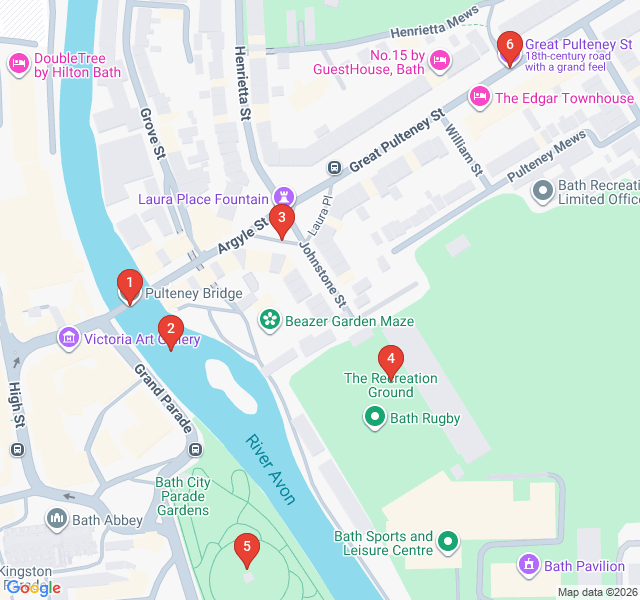
Numbers indicate the order of stops on the tour
Completed in 1774, Pulteney Bridge is one of the most beautiful and romantic bridges in the world. It was designed by Robert Adam in a Palladian style, inspired by his travels to Italy and the shop-lined bridges like the Ponte Vecchio in Florence. Interestingly, it is one of only four bridges in the world with shops built across its full span on both sides. It was commissioned by William Pulteney as part of a grand plan to create a new town on the opposite side of the River Avon. As you walk across, take a moment to look at the small shops that have called this bridge home for centuries, ranging from florists to antique maps.
Just below the bridge lies the spectacular Pulteney Weir. While a weir has existed here since the 1600s to power flour mills, the modern horseshoe design you see today was constructed in the early 1970s. It was designed to prevent the devastating floods that historically plagued the city. For movie fans, this spot gained international fame as the location where Inspector Javert meets his end in the 2012 film adaptation of Les Misérables. The rushing water provides a constant soundtrack to the area and offers a perfect photography opportunity with the bridge in the background.
Laura Place is a grand intersection that serves as the gateway to the Bathwick estate. Built between 1788 and 1794, it was designed to be the centerpiece of the new development. The fountain in the center was added much later, in 1877, to commemorate a local event. The houses here are arranged in a unique diagonal pattern, creating an open, airy feel that was revolutionary for 18th-century urban planning. This spot connects the historic city center with the grander, wider streets of the Pulteney estate, marking the transition from the medieval layout to the expansive Georgian vision.
Known affectionately by locals as 'The Rec,' this large open space is the historic home of Bath Rugby. Since 1894, matches have been played here with one of the most spectacular backdrops in professional sports—the towers of Bath Abbey and the city's skyline rising above the stands. While it is primarily a sports ground, it remains a vital green lung for the city. On non-match days, you can stroll near the riverside edge and look across the water back toward the city's terrace houses and the spire of St John's Church.
Parade Gardens is Bath's most central pleasure ground. These Victorian-style gardens offer the best vantage point for viewing Pulteney Bridge and the weir from the water level. The gardens are famous for their intricate bedding displays, often featuring three-dimensional floral sculptures. In the summer months, a bandstand often hosts live music, and deckchairs are scattered across the lawns. It is a peaceful retreat from the city streets, allowing you to walk right along the edge of the River Avon and watch the tour boats and rowers pass by.
Great Pulteney Street is arguably the most magnificent thoroughfare in Bath. Measuring 1,000 feet long and 100 feet wide, its scale is meant to overwhelm and impress. Designed by Thomas Baldwin, the street was completed in 1789. Unlike the narrow, winding streets of the older city, this road is perfectly straight and lined with uniform Georgian facades. Notable residents have included royalty and famous authors; even Jane Austen stayed nearby. The street ends at the Holburne Museum, which originally served as the Sydney Hotel, the entrance to the city's pleasure gardens.
Download Zigway to experience "Pulteney Bridge and the River Avon" with AI-powered audio narration. Walk at your own pace while stories unfold around you.
 Easy
EasyBath, United Kingdom
Uncover Roman ruins and Gothic spires on this self-guided audio walk through the historic heart of Bath. Explore at your own pace.
 Easy
EasyBath, United Kingdom
Uncover the eerie secrets and dark history of Bath on this self-guided audio walk through haunted theaters and historic Victorian cemeteries.
 Easy
EasyBath, United Kingdom
Explore Bath's industrial-heritage on this self-guided walk along the Kennet & Avon Canal, from engineering marvels to tranquil garden escapes.
 Moderate
Bath, United Kingdom
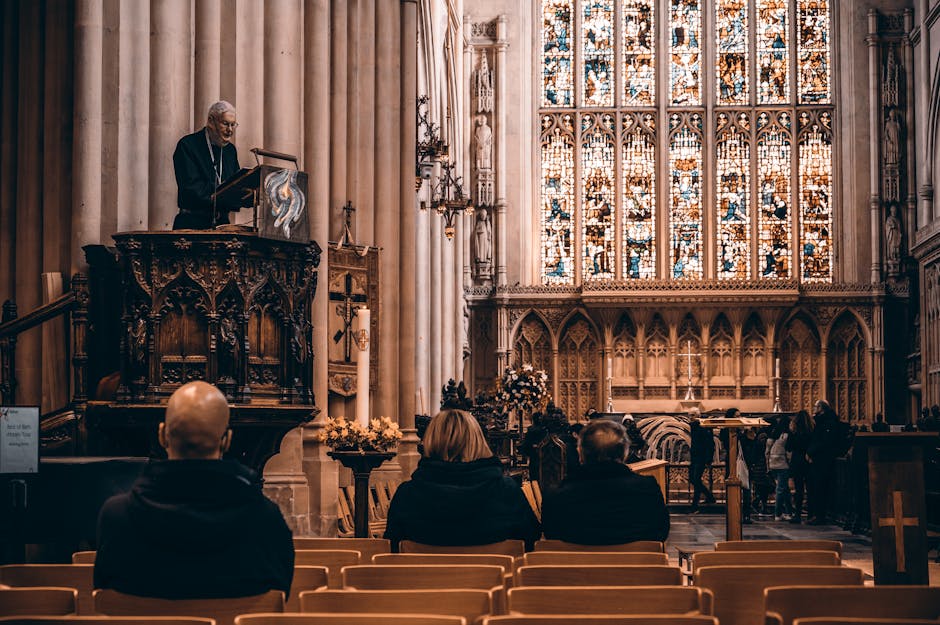
Escape the crowds and ascend the hills of Bath on this self-guided walk featuring panoramic views, historic follies, and hidden Victorian cemeteries.
 Easy
EasyGdansk, Poland
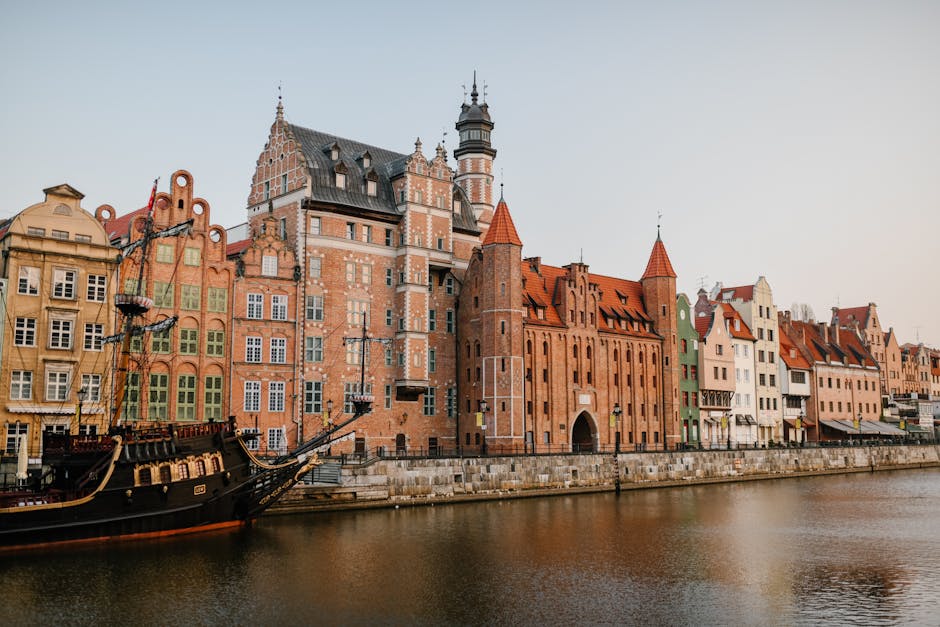
Discover the 'Baltic Gold' on this self-guided walk through Gdansk's historic mills, massive cathedrals, and the magical Mariacka Street.
 Easy
EasyNairobi, Kenya
Discover Nairobi's iconic skyline on this self-guided architecture walk through the CBD’s most famous modernist and Brutalist landmarks.
 Easy
EasyGdansk, Poland
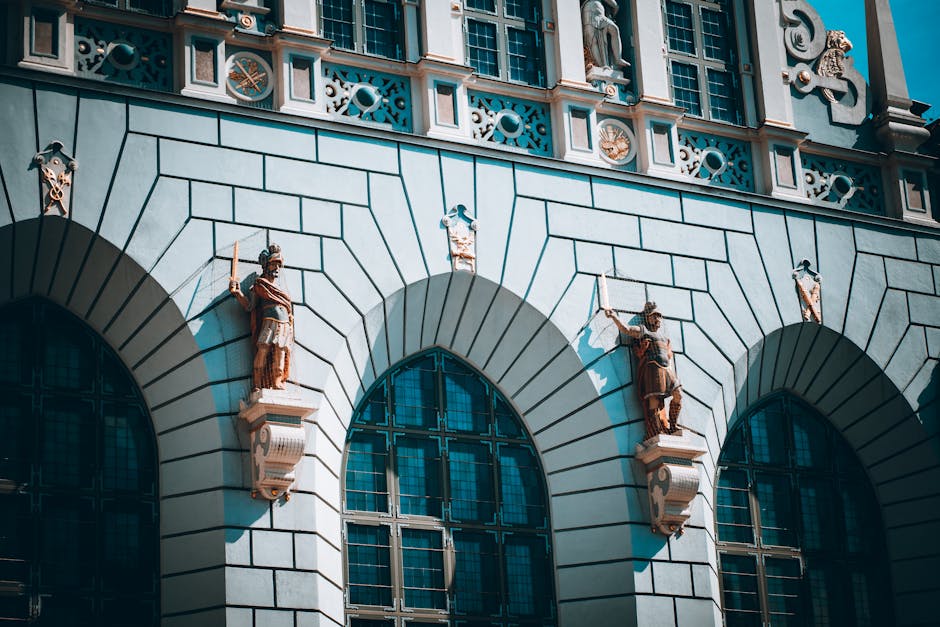
Discover the opulent Royal Way of Gdansk at your own pace. Explore Hanseatic history, gilded architecture, and the iconic Neptune's Fountain.
 Easy
EasyWarsaw, Poland
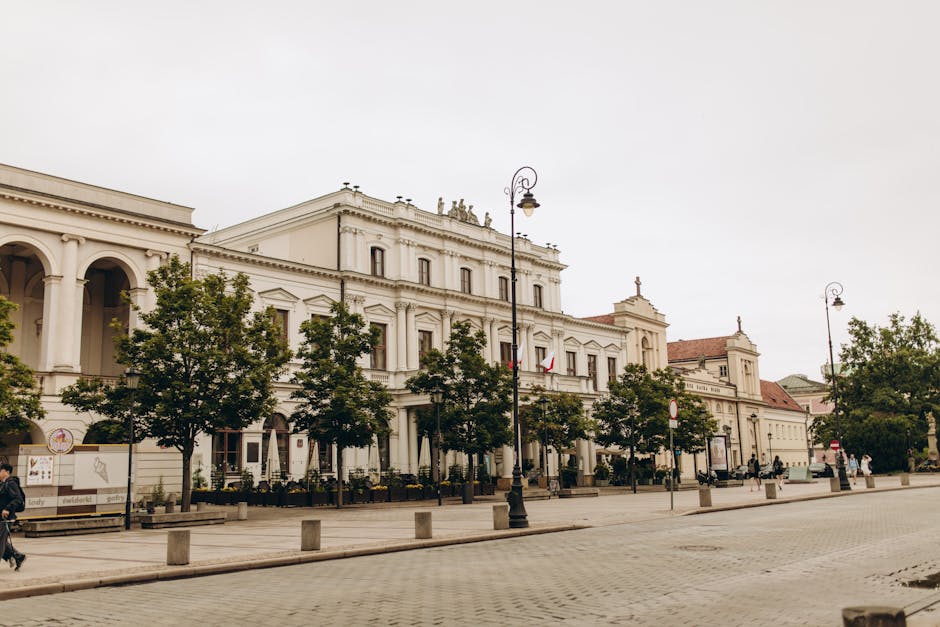
Explore Warsaw's scenic riverfront, rooftop gardens, and industrial-chic architecture on this self-guided stroll through the Powiśle district.
 Easy
EasyEdinburgh, United Kingdom
Explore Edinburgh's historic Royal Mile at your own pace, from the heights of the Castle to the royal Palace of Holyroodhouse.
 Easy
EasyEdinburgh, United Kingdom
Capture the magic of Edinburgh on this self-guided stroll through the fairy-tale Dean Village, floral Circus Lane, and the scenic Water of Leith.
 Easy
EasyEdinburgh, United Kingdom
Explore Edinburgh's creative soul on this self-guided walk from historic museums to the stylish galleries and boutiques of the West End.
 Challenging
Edinburgh, United Kingdom
Ascend an ancient volcano and discover royal history on this challenging self-guided walk through Edinburgh's iconic Holyrood Park.
