Step away from the famous university colleges for a moment and journey back to a time before the scholars arrived. This self-guided walk explores the medieval origins of Cambridge, tracing the city’s evolution from a Saxon trading post to a Norman administrative center. While Cambridge is world-renowned for its 13th-century university, its streets hold secrets much older, hidden in the stone towers of its parish churches and the layout of its ancient marketplaces. This walking route invites you to discover the layers of history that define the city's character beyond the academic walls. Throughout this neighborhood stroll, you will encounter the oldest standing building in the county, explore a rare 12th-century round church, and stand in the very spot where trade has flourished for over a thousand years. The route emphasizes the architectural transition from the simple, sturdy Saxon style to the more ornate Norman influences that followed the conquest of 1066. By following this self-guided walk, you gain a deeper understanding of how the town's geography—set on the edge of the Fens—made it a strategic and commercial prize. Whether you are a fan of medieval history or simply looking to explore Cambridge at your own pace, this trail offers a fascinating glimpse into the pre-university era. Discover the stories of the merchants, monks, and masons who built the foundations of this iconic city long before the first college was founded. This walking tour Cambridge highlights the resilience of the local community through centuries of change, offering a peaceful and educational way to travel through time.
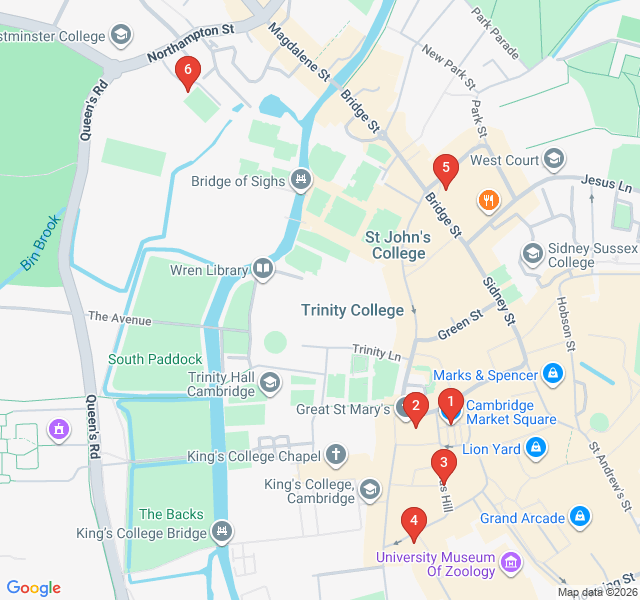
Numbers indicate the order of stops on the tour
Start exploring with Zigway at the historic heart of the city. Since at least the 11th century, this square has been a bustling hub of commerce. In the medieval era, it was even more crowded than today, filled with permanent stalls and surrounded by timber-framed houses. It wasn't just for shopping; it was the site of public proclamations and even executions. Look around and imagine the sights and smells of a thousand years ago, with merchants bringing goods up the River Cam from the Fens. The market's survival for over a millennium is a testament to Cambridge’s importance as a regional trading post long before the university became its defining feature.
Known as the University Church, Great St Mary’s has stood on this site in various forms since the 1200s. While much of the current structure is a 15th-century rebuild in the Perpendicular Gothic style, the site itself represents the intersection of the town and the growing university. In the Middle Ages, this church was the only building large enough to hold university ceremonies, making it the administrative center for scholars before they had their own dedicated halls. It stands as a bridge between the medieval town’s religious life and its burgeoning academic future. The tower, completed in 1608, still chimes the 'Cambridge Quarters' which inspired the famous Big Ben chimes.
Despite its name, Peas Hill is barely a rise in the ground, but in the flat landscape of the Fens, even a few feet mattered. This was the high ground of the medieval town, safe from seasonal flooding. Historically, this area was divided into specialized markets; you would have found the fish market and the peat market (used for fuel) located right here. Today, the area is surrounded by some of the city's oldest surviving streets. It serves as a reminder of how the medieval town was organized by trade, with specific guilds and merchants occupying distinct corners of the city center to sell their wares to locals and travelers alike.
Look up at the tower of St Bene’t’s, and you are looking at the oldest standing building in Cambridge, and indeed all of Cambridgeshire. The tower dates back to roughly 1020 AD, during the late Saxon period. Notice the 'long and short' stonework at the corners, a classic hallmark of Saxon masonry. Unlike the later, more decorative Norman style, this tower is sturdy and functional, built to last. For over a thousand years, it has watched the city evolve around it. Inside, the arch between the tower and the nave features carved animals that have peered down at worshippers since before the Norman Conquest of 1066.
The Church of the Holy Sepulchre, known locally as the Round Church, is one of only four medieval round churches still in use in England. Built around 1130, its unique shape was inspired by the Church of the Holy Sepulchre in Jerusalem, brought back as an architectural concept by returning Crusaders. The heavy, rounded Norman arches and thick columns are typical of the Romanesque style introduced after the conquest. It represents a shift toward more complex and symbolic architecture. While the chancel was added later in the 15th century, the circular nave remains a stunning example of 12th-century design and a rare survivor of the medieval period.
To conclude your self-guided adventure, head to the School of Pythagoras, located within the grounds of St John's College. Despite its name, it has nothing to do with the Greek mathematician. Built around 1200, this is the oldest secular stone building in Cambridge. In an era when most houses were made of wood and thatch, building in stone was a sign of immense wealth and status. It originally served as a private manor house for a wealthy merchant family before being acquired by Merton College, Oxford, and eventually St John’s. Its survival provides a rare look at domestic Norman architecture, featuring thick stone walls designed for both prestige and protection.
Download Zigway to experience "Medieval Origins: The Saxon and Norman Trail" with AI-powered audio narration. Walk at your own pace while stories unfold around you.
 Moderate
Cambridge, United Kingdom
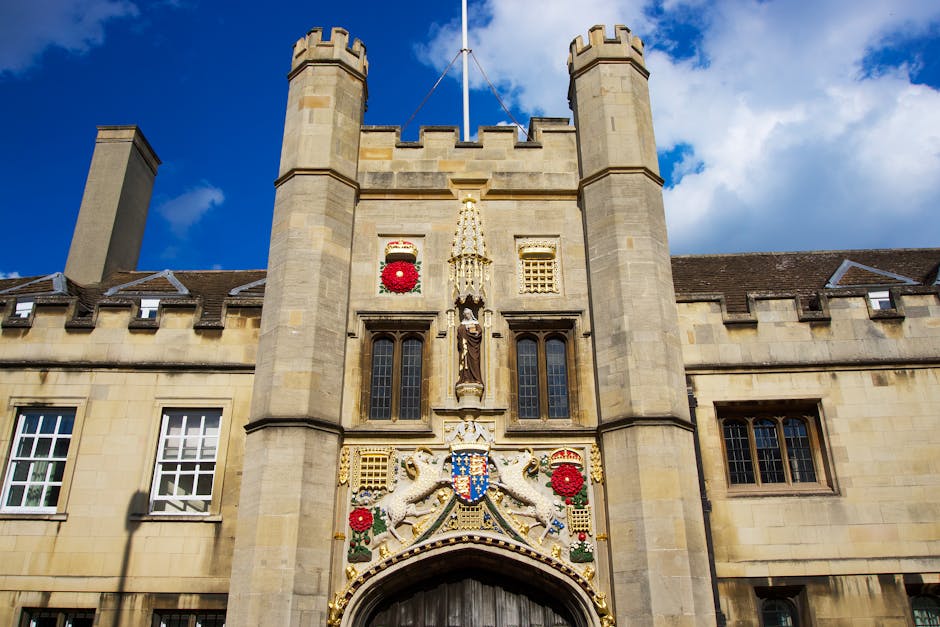
Discover Cambridge's verdant soul on this self-guided walk through the Botanic Garden and secret riverside fens. Perfect for nature lovers.
 Easy
EasyCambridge, United Kingdom
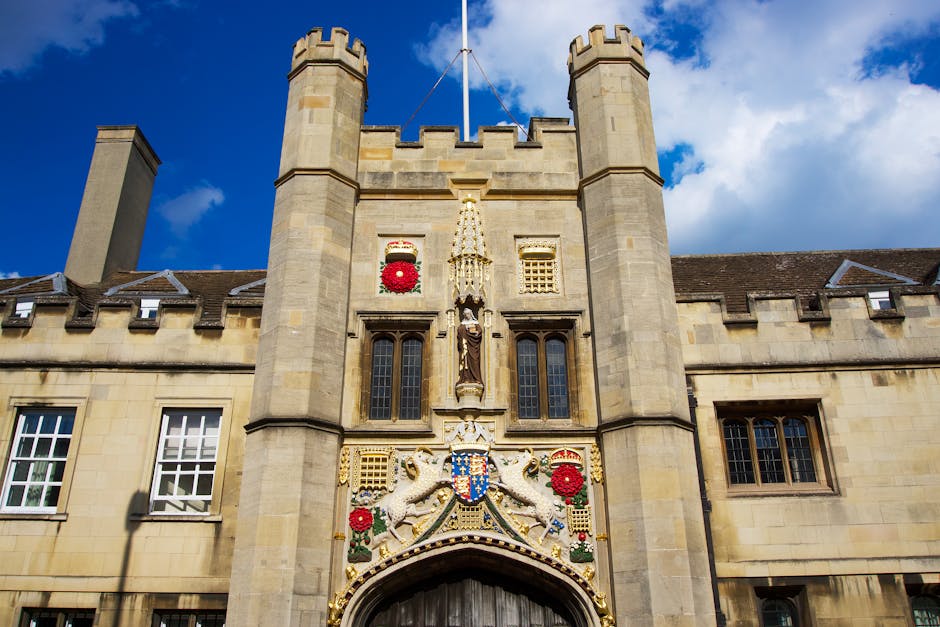
Discover the architectural wonders and scholarly secrets of Cambridge’s most prestigious colleges on this independent, historic neighborhood stroll.
 Moderate
Cambridge, United Kingdom
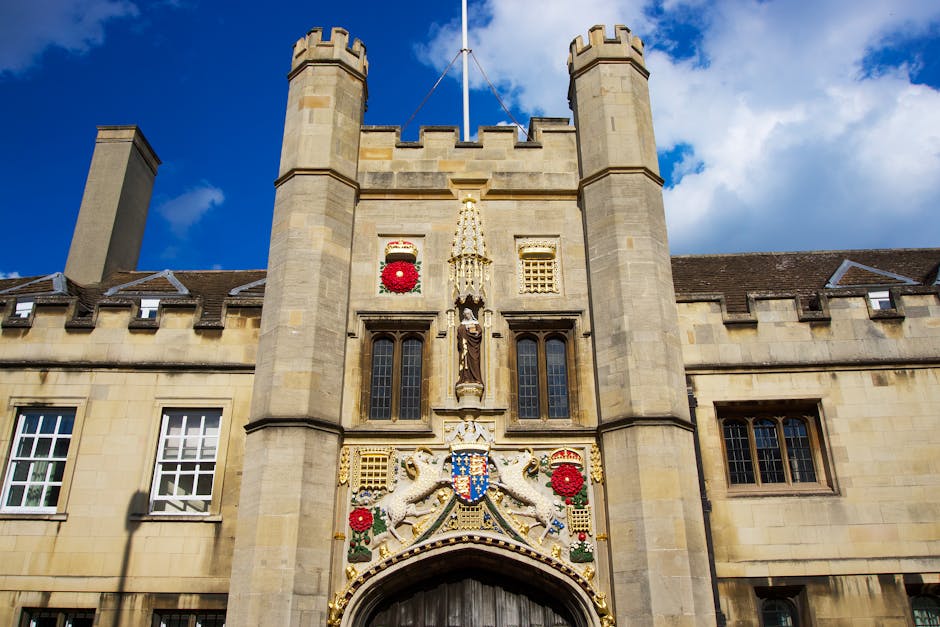
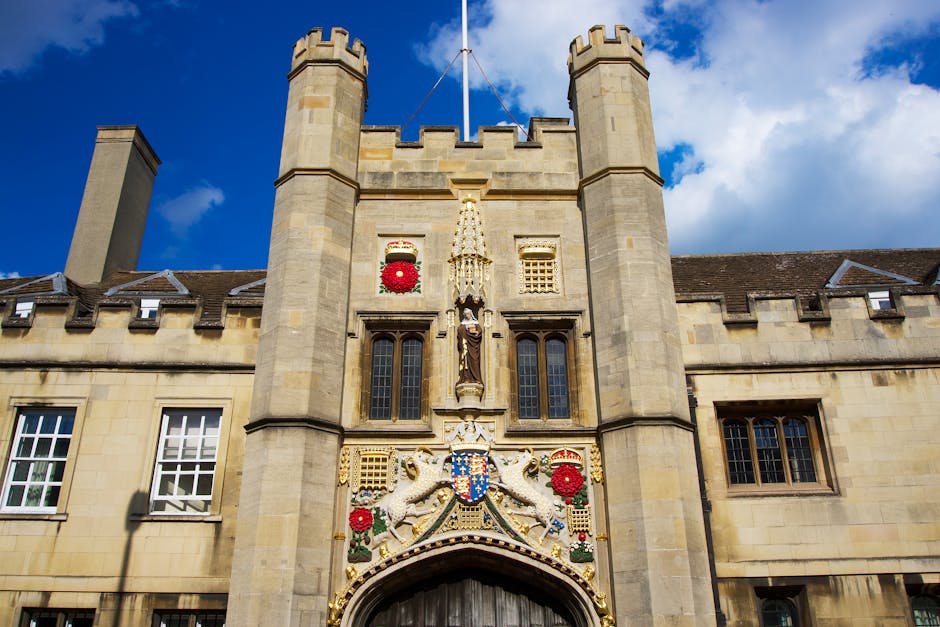
Discover the ancient roots of Cambridge and the stunning art of Kettle's Yard on this self-guided stroll through the historic Castle Hill district.
 Moderate
Cambridge, United Kingdom
Discover the hidden history of the female pioneers who fought for equality and transformed the University of Cambridge on this self-guided walk.
 Easy
EasyNairobi, Kenya
Explore Nairobi's architectural evolution from colonial-era landmarks to iconic Brutalist skyscrapers on this historic self-guided walking route.
 Easy
EasyNairobi, Kenya
Discover Nairobi's iconic skyline on this self-guided architecture walk through the CBD’s most famous modernist and Brutalist landmarks.
 Easy
EasyKrakow, Poland
Explore the historic heart of Kazimierz on this self-guided walk through synagogues, ancient cemeteries, and vibrant squares.
 Easy
EasySalzburg, Austria
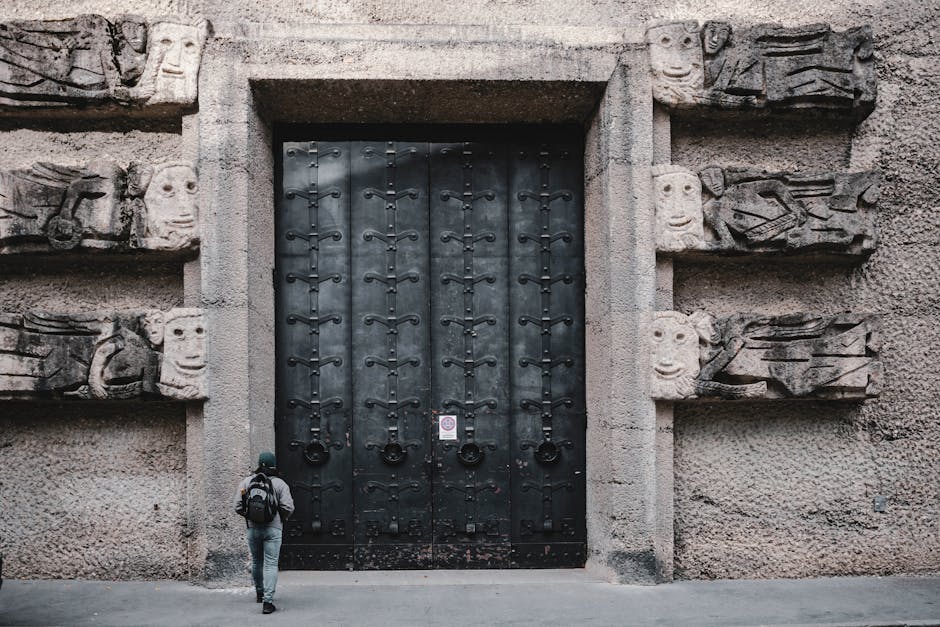
Discover the 'Rome of the North' on this self-guided walk through the Baroque squares and monumental legacy of Salzburg’s Prince-Archbishops.
 Easy
EasyEdinburgh, United Kingdom
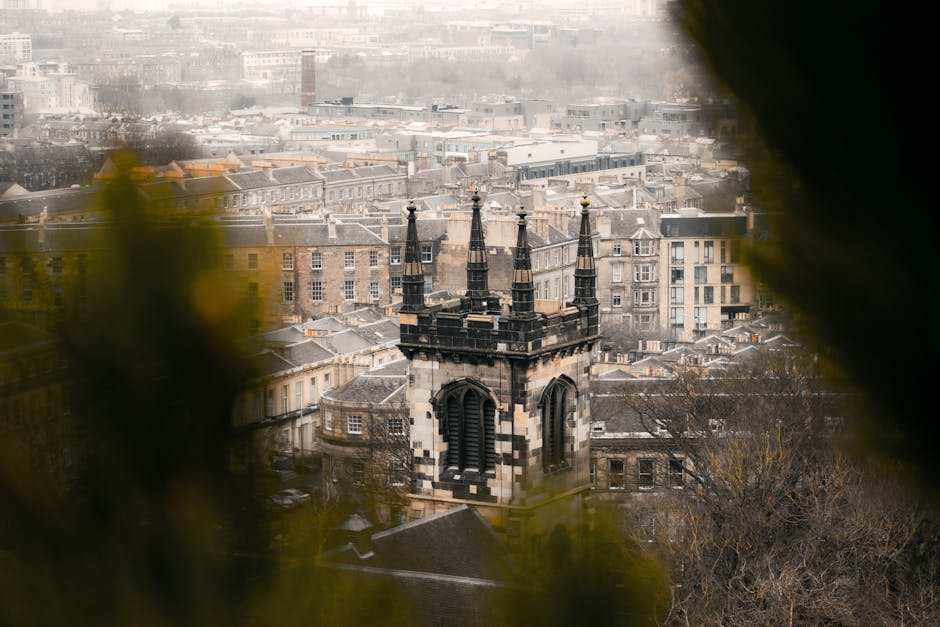
Explore Edinburgh's historic Royal Mile at your own pace, from the heights of the Castle to the royal Palace of Holyroodhouse.
 Easy
EasyEdinburgh, United Kingdom
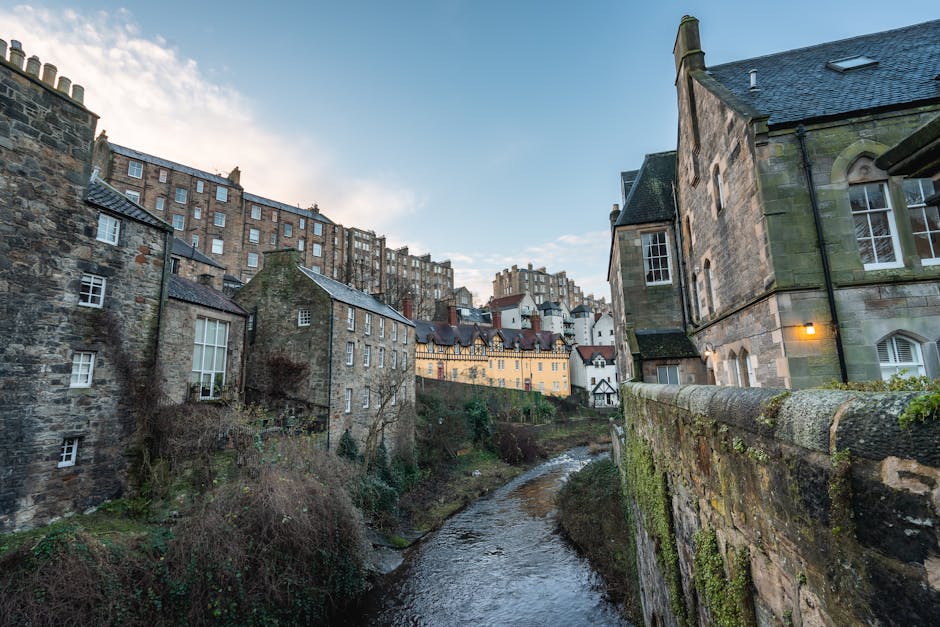
Capture the magic of Edinburgh on this self-guided stroll through the fairy-tale Dean Village, floral Circus Lane, and the scenic Water of Leith.
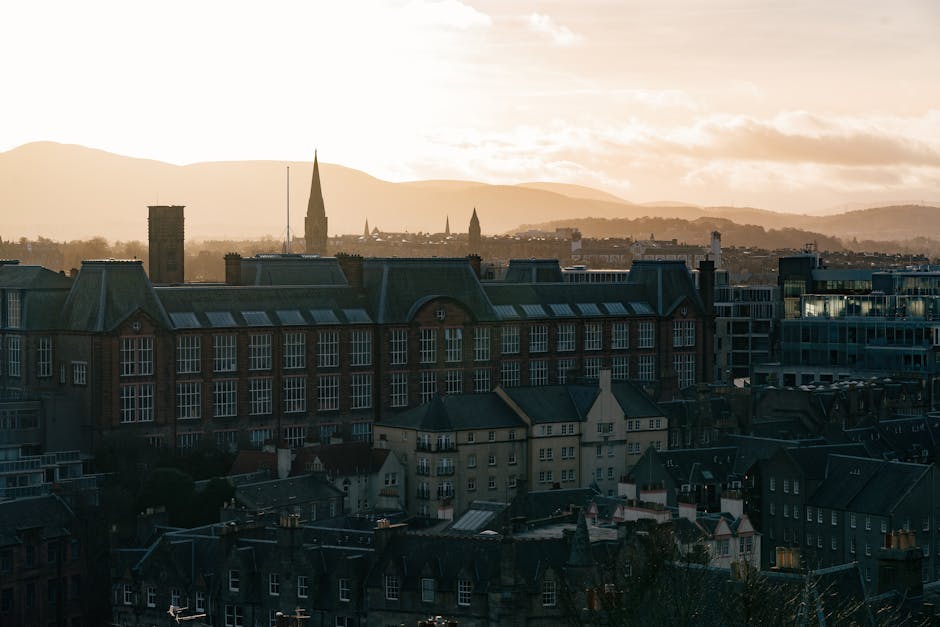 Easy
EasyEdinburgh, United Kingdom
Explore Edinburgh's creative soul on this self-guided walk from historic museums to the stylish galleries and boutiques of the West End.
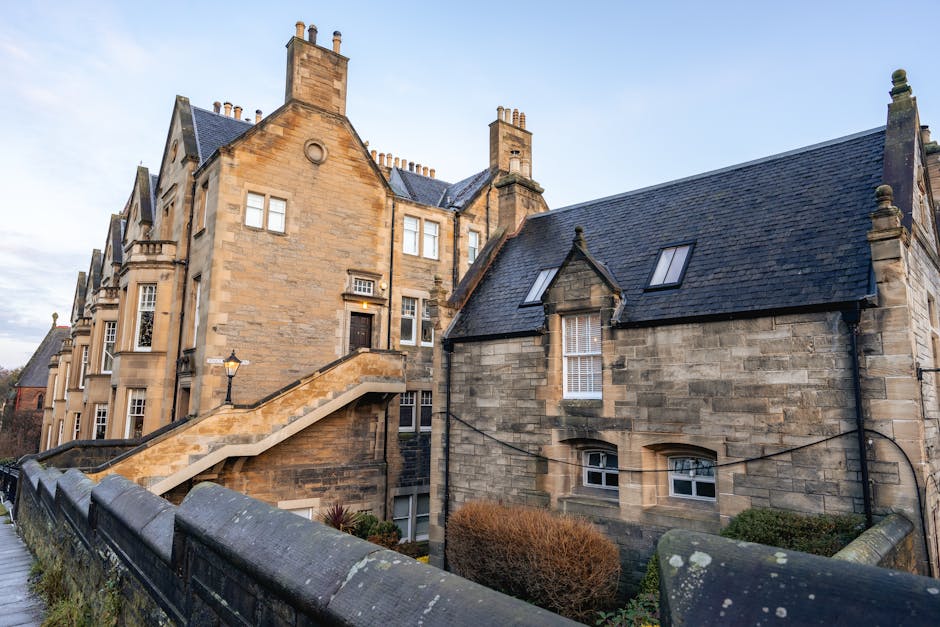 Challenging
Edinburgh, United Kingdom
Ascend an ancient volcano and discover royal history on this challenging self-guided walk through Edinburgh's iconic Holyrood Park.
