Escape the bustling university center and ascend into the layered history of Cambridge on this self-guided neighborhood stroll through Castle Hill. While many visitors never cross the River Cam, those who do discover the city's ancient roots, where Roman fortifications once stood and Norman conquerors built their strongholds. This walking route invites you to explore the 'other side' of Cambridge, a place where local life and avant-garde art intersect seamlessly with medieval architecture. Your journey begins at the iconic Magdalene Bridge, the historic gateway between the town and the university colleges. From here, you will transition from the riverside beauty of the colleges into the charming, narrow streets of the Castle Hill district. This area serves as a living museum of Cambridge’s social history, featuring one of the city's oldest pubs and a converted inn that now houses local artifacts. A major highlight of this walking route is Kettle's Yard, an extraordinary house and gallery that redefined how we experience art. It is not just a museum, but a home where masterworks by artists like Barbara Hepworth and Joan Miró are displayed alongside pebbles and shells. It offers a peaceful, contemplative atmosphere that stands in stark contrast to the grandeur of the university chapels. As you continue the climb, you will visit the tiny, ancient St Peter’s Church, a hidden gem that feels frozen in time, before concluding your self-guided adventure at the summit of Castle Mound. This elevated vantage point provides the most comprehensive panoramic view of the Cambridge skyline, allowing you to see the jagged spires of King’s College Chapel and the modern silhouettes of the city from a unique perspective. Whether you are an art lover, a history enthusiast, or a photography fan seeking the perfect skyline shot, this route offers a quiet, rewarding alternative to the typical walking tour Cambridge itineraries. Discover the stories of the people who lived here long before the colleges were built and enjoy the independent spirit of this historic heights neighborhood.
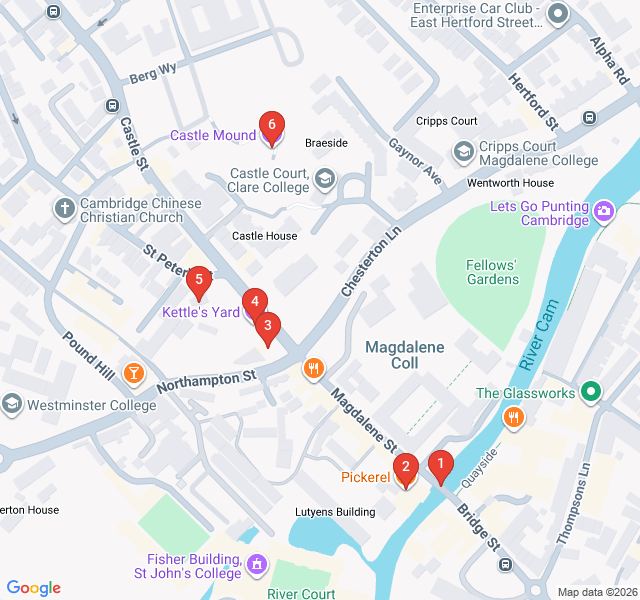
Numbers indicate the order of stops on the tour
Begin your exploration at Magdalene Bridge, a site that has served as a vital crossing point for centuries. This cast-iron bridge, completed in 1823, stands where the Great Bridge once linked the Roman settlement on the hill to the medieval town. As you look south, you can see the famous punts gliding along the River Cam, framed by the walls of Magdalene College. This bridge marks the boundary between the university-dominated center and the more independent-minded Castle Hill district. It was here that the 'town' and 'gown' often clashed in centuries past. Take a moment to appreciate the view of the Pepys Library at Magdalene College, which houses the original diaries of Samuel Pepys, before we move away from the river and up toward the historic heights.
Just a few steps from the bridge sits The Pickerel, widely considered one of the oldest pubs in Cambridge. With its low ceilings, crooked timber frames, and dark wooden beams, this building dates back to the 16th century and possibly earlier. It has served many purposes over the years, from a gin palace to a brew house. The Pickerel is a quintessential example of the 'town' side of Cambridge life—a place where locals, scholars, and travelers have gathered for centuries to escape the formalities of college life. Its name likely refers to a young pike, a fish common in the River Cam. While the interior is cozy and inviting, the exterior itself tells a story of the city's architectural evolution over five hundred years.
Housed in the former White Horse Inn, the Museum of Cambridge is a treasure trove of local life. Unlike the grand university museums, this space focuses on the everyday people of the city and the surrounding Fenlands. For over 300 years, this building operated as a pub, and you can still feel that domestic history as you walk through its quirky, uneven rooms. The collection includes everything from giant 'fen skates' to Victorian kitchen tools and childhood toys. It provides a fascinating look at the social history of the Castle Hill neighborhood, showing how the 'other half' of Cambridge lived, worked, and played. It is a vital reminder that the city’s identity is built on more than just academic achievement.
Kettle's Yard is perhaps the most unique art space in the United Kingdom. It was the home of Jim Ede, a former curator at the Tate, and his wife Helen. In the 1950s, they converted four derelict cottages into a space where art could be experienced in a domestic setting. Jim’s philosophy was that art should be part of daily life, not kept on a pedestal. As you walk through, you will find works by Henry Moore and Barbara Hepworth placed naturally alongside found objects like smooth pebbles, shells, and antique furniture. There are no labels on the walls, encouraging a personal, intuitive connection with the objects. The light-filled extension and the original cottage rooms offer a profound sense of peace and artistic harmony.
Tucked away beside Kettle's Yard is the tiny St Peter's Church. This is one of the smallest and oldest ecclesiastical sites in the city. Though much of the current structure dates to the 18th century, it stands on foundations that go back to the 11th century, and you can even spot Roman bricks recycled into its flint walls. The church is no longer used for regular worship but remains a consecrated, quiet sanctuary. Its simple interior and the small, overgrown graveyard outside offer a moment of reflection. It serves as a physical link to the Roman and Saxon settlers who first chose this high ground for its strategic advantage overlooking the river crossing you visited at the start of the walk.
Your walk concludes at the summit of Castle Mound. While the stone castle built by William the Conqueror in 1068 is long gone, this massive earthwork remains. This was the site of a Roman station, a Norman motte-and-bailey castle, and a Civil War fortification. Today, it serves as the highest point in Cambridge. From the top, you are rewarded with a spectacular 360-degree view. To the south, the 'dreaming spires' of the university colleges stretch out before you, including the massive roof of King's College Chapel. To the north, you can see out toward the flat expanses of the Fens. It is the perfect place to sit, catch your breath, and look down upon the layers of history you have just traversed.
Download Zigway to experience "Kettle's Yard and the Castle Hill Heights" with AI-powered audio narration. Walk at your own pace while stories unfold around you.
 Moderate
Cambridge, United Kingdom
Discover Cambridge's verdant soul on this self-guided walk through the Botanic Garden and secret riverside fens. Perfect for nature lovers.
 Easy
EasyCambridge, United Kingdom
Discover the Saxon and Norman roots of Cambridge on this self-guided walk through the city's oldest churches and medieval landmarks.
 Easy
EasyCambridge, United Kingdom
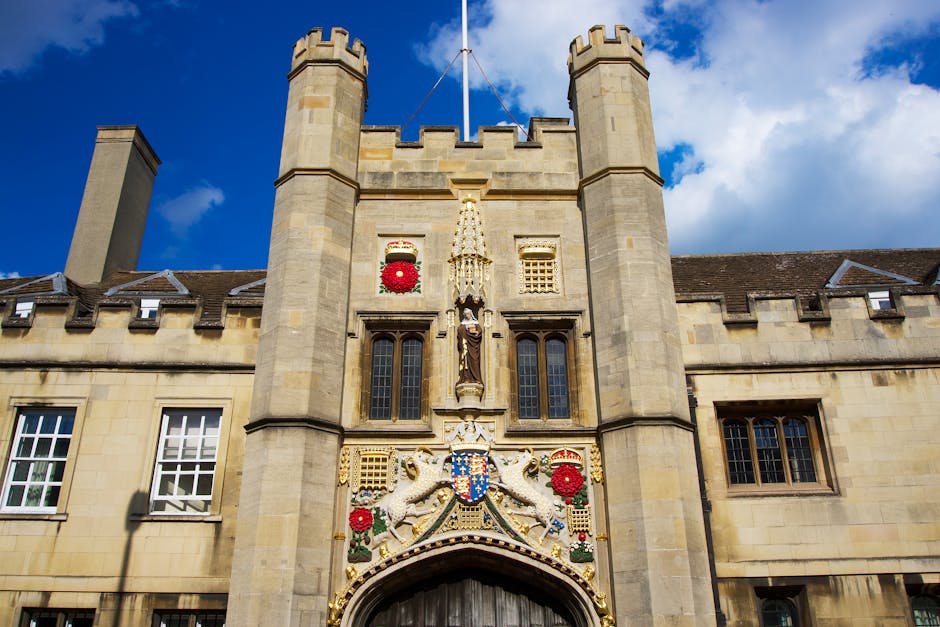
Discover the architectural wonders and scholarly secrets of Cambridge’s most prestigious colleges on this independent, historic neighborhood stroll.
 Moderate
Cambridge, United Kingdom
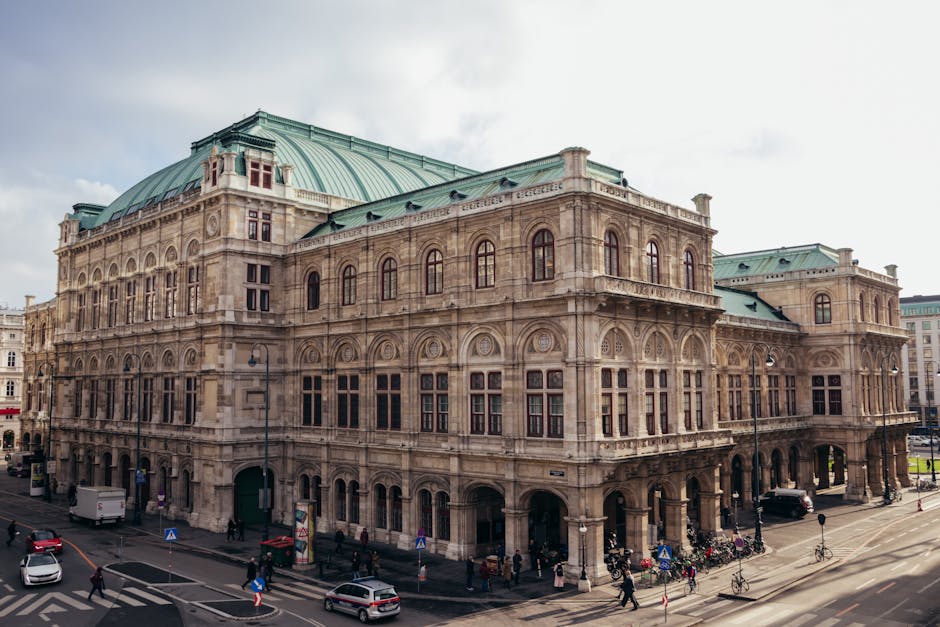
Discover the hidden history of the female pioneers who fought for equality and transformed the University of Cambridge on this self-guided walk.
 Moderate
Vienna, Austria
Discover the noir world of The Third Man and Cold War Vienna on this atmospheric self-guided audio walk through the historic Innere Stadt.
 Easy
EasyGothenburg, Sweden
Explore Gothenburg's elegant academic district, featuring grand 19th-century stone architecture and the iconic cultural hub of Götaplatsen.
 Easy
EasyKrakow, Poland
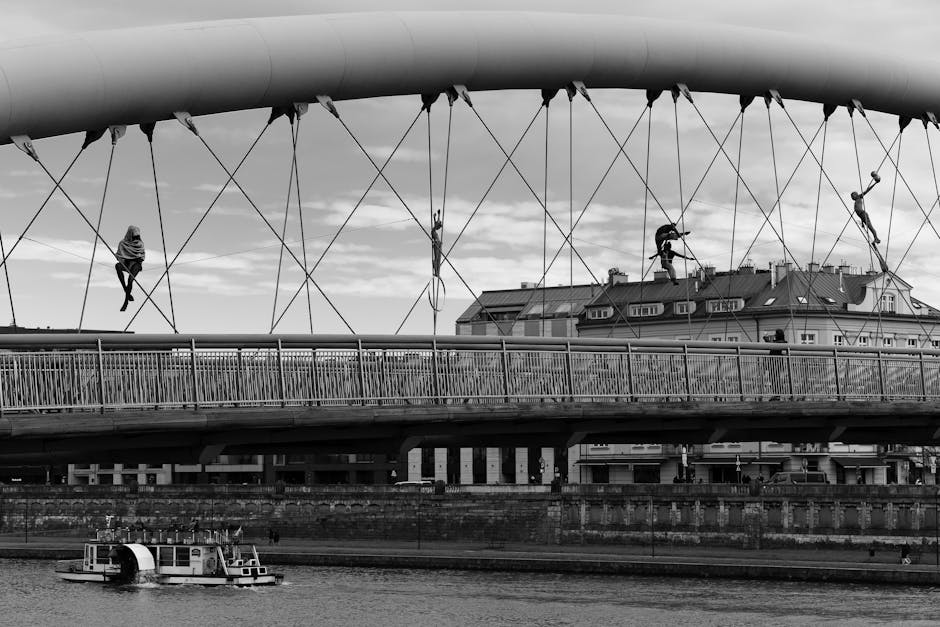
Discover Krakow’s creative soul in Zabłocie, exploring industrial heritage, contemporary art museums, and avant-garde architecture at your own pace.
 Moderate
Gdansk, Poland
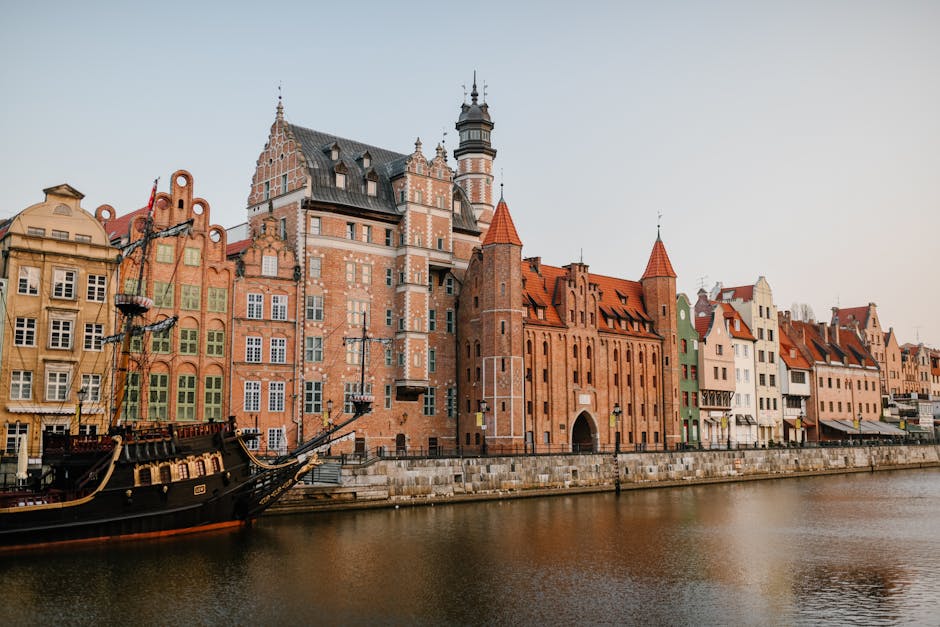
Discover the raw beauty of Gdansk’s Lower Town. Explore industrial ruins, hidden sluices, and riverside bastions on this self-guided walk.
 Easy
EasyEdinburgh, United Kingdom
Explore Edinburgh's historic Royal Mile at your own pace, from the heights of the Castle to the royal Palace of Holyroodhouse.
 Easy
EasyEdinburgh, United Kingdom
Capture the magic of Edinburgh on this self-guided stroll through the fairy-tale Dean Village, floral Circus Lane, and the scenic Water of Leith.
 Easy
EasyEdinburgh, United Kingdom
Explore Edinburgh's creative soul on this self-guided walk from historic museums to the stylish galleries and boutiques of the West End.
 Challenging
Edinburgh, United Kingdom
Ascend an ancient volcano and discover royal history on this challenging self-guided walk through Edinburgh's iconic Holyrood Park.
