Step into the vibrant tapestry of London’s East End with this self-guided walk through Spitalfields and Brick Lane. This neighborhood stroll captures the essence of a city in constant flux, where centuries of immigration have layered one culture upon another to create a unique urban landscape. As you navigate the narrow alleys and bustling markets, you will discover the stories of the French Huguenots, the Jewish community, and the Bengali families who have all called this area home. The route begins at the historic Petticoat Lane Market, a place synonymous with the rag trade and the entrepreneurial spirit of new arrivals. From here, the journey takes you past the towering spire of Christ Church Spitalfields, a monument to the wealth brought by 18th-century silk weavers. This walking route London allows you to explore the architectural shifts that mirror the social changes of the district. You will see how a single building on Brick Lane has served as a chapel, a synagogue, and a mosque, embodying the area's spiritual evolution. History enthusiasts will appreciate the stop at Hanbury Street, while those seeking sensory experiences can dive into the world-famous street art and culinary delights of Brick Lane. This neighborhood is famous for its curry houses and 24-hour bagel shops, offering a taste of the diverse heritage that defines the East End. The walk also includes a visit to the enigmatic Dennis Severs' House, where the past feels palpably present in a series of meticulously recreated historical rooms. Whether you are interested in the dark tales of the Victorian era or the modern-day creativity of Shoreditch, this self-guided adventure provides a deep dive into the soul of London. Exploring at your own pace allows for spontaneous detours into hidden courtyards or a quick stop for a salt beef bagel. This walking tour London offers a comprehensive look at how global migration has shaped a local community, making it an essential experience for anyone looking to understand the real London beyond the typical tourist sites. **Note:** This area is known for its ever-changing character. Street art, pop-up venues, and temporary exhibitions may differ from what's described. That's part of the adventure - you might discover something entirely new!
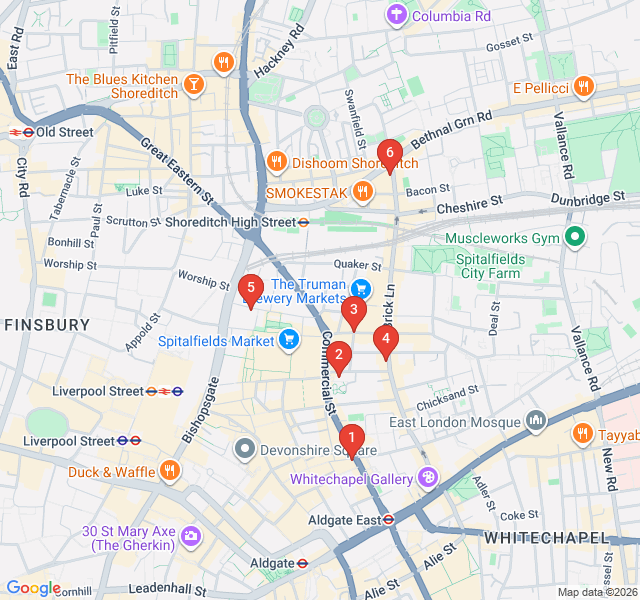
Numbers indicate the order of stops on the tour
Start your self-guided adventure at Petticoat Lane Market, located primarily on Middlesex Street. Though the name 'Petticoat Lane' was deemed too scandalous by Victorian authorities—who renamed it to Middlesex Street in 1846—the market's original moniker stuck. This area was the heart of the Jewish garment industry in the late 19th and early 20th centuries. Thousands of immigrants arrived here, bringing skills in tailoring and textiles that defined the local economy. Today, you will find a mix of clothing, leather goods, and household items. The market is a living link to the East End's entrepreneurial past, where many families began their journey from poverty to prosperity in the London rag trade.
Look up at the towering spire of Christ Church Spitalfields, one of Nicholas Hawksmoor’s most significant architectural achievements. Completed in 1729, this church was built during a time when the area was booming thanks to the French Huguenots. These Protestant refugees fled persecution in France and brought with them the secrets of high-end silk weaving. The church’s grand scale reflected the newfound wealth of the neighborhood. As you stand here, imagine the surrounding streets filled with the rhythmic clatter of looms coming from the attic windows of the nearby townhouses. The building underwent a massive restoration in the early 2000s, returning it to its original 18th-century glory.
Hanbury Street is a place where different eras of East End history collide. In the late 1800s, this street was part of the impoverished landscape associated with the Jack the Ripper mysteries, but today it is better known as a canvas for world-class street art. Because street art is ephemeral, the murals here change frequently, reflecting the neighborhood's current creative pulse. Historically, this street was also home to the Truman Brewery workers and numerous Jewish soup kitchens. As you walk, notice the contrast between the old brickwork and the vibrant, modern colors of the spray paint. It is a testament to how Spitalfields constantly reinvents itself while keeping its structural bones intact.
The building at 59 Brick Lane is perhaps the most significant symbol of the area’s immigrant history. It was originally built in 1743 as a Protestant chapel for the Huguenots. As the demographics shifted, it became a Methodist chapel, then the Machzikei Hadass Great Synagogue in the late 19th century to serve the growing Jewish population. Since 1976, it has served as the Jamme Masjid, or Brick Lane Mosque, for the local Bengali community. The structure itself has changed very little on the outside, but its interior and purpose have adapted to meet the needs of each new wave of residents, perfectly illustrating the 'tale of two immigrations' that defines this district.
Tucked away on Folgate Street is Dennis Severs' House. This is not a traditional museum but what Severs called a 'still-life drama.' Inside, the house is arranged as if a family of Huguenot silk weavers, the Jervis family, has just stepped out of the room. You might see a half-eaten meal on the table or smell the scent of woodsmoke and candles. It is an immersive experience designed to trigger the imagination and transport you back to the 18th and 19th centuries. Please note that the house has specific opening hours and often requires silence inside to maintain the atmosphere, so it is worth checking their schedule before your neighborhood stroll.
Conclude your walking route at the legendary Beigel Bake on the northern end of Brick Lane. This 24-hour institution is famous for its traditional Jewish-style bagels, boiled and baked to perfection. The white-and-orange sign is a beacon for locals, night owls, and travelers alike. Their salt beef bagel with mustard and gherkins is a local favorite that has remained consistent for decades. While the surrounding area has become increasingly gentrified with high-end boutiques and trendy cafes, Beigel Bake remains a steadfast reminder of the Jewish community that once dominated this street. Grab a bagel, find a spot to sit, and soak in the bustling atmosphere of one of London’s most iconic streets.
Download Zigway to experience "Spitalfields & Brick Lane: A Tale of Two Immigrations" with AI-powered audio narration. Walk at your own pace while stories unfold around you.
 Easy
EasyLondon, United Kingdom
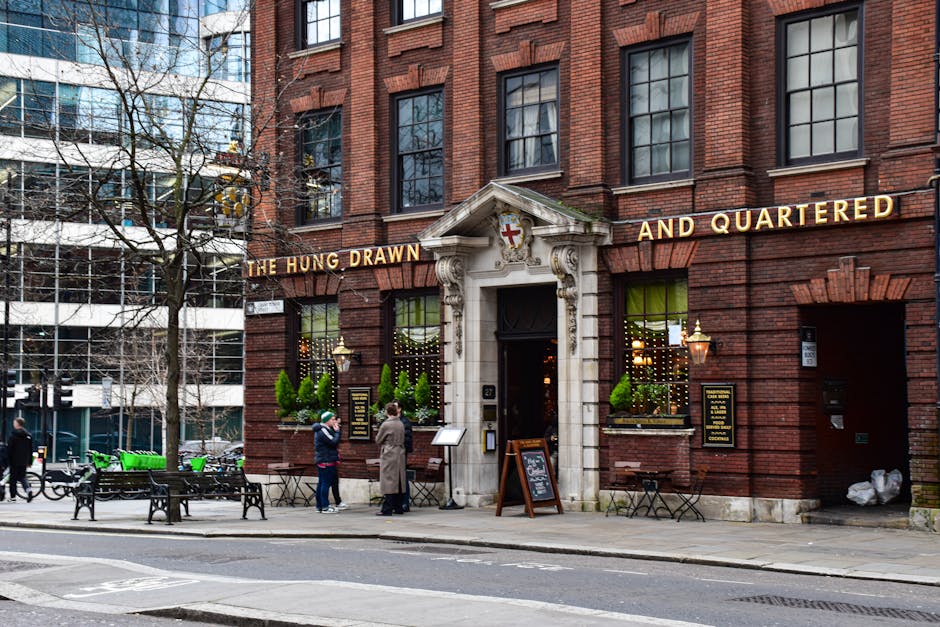
Explore the heart of British royalty and politics on this self-guided walk from the gates of St James's Palace to the iconic chimes of Big Ben.
 Easy
EasyLondon, United Kingdom
Explore the neon glow of Soho and the magic of Theatreland on this self-guided audio walk through London's most vibrant nightlife districts.
 Moderate
London, United Kingdom
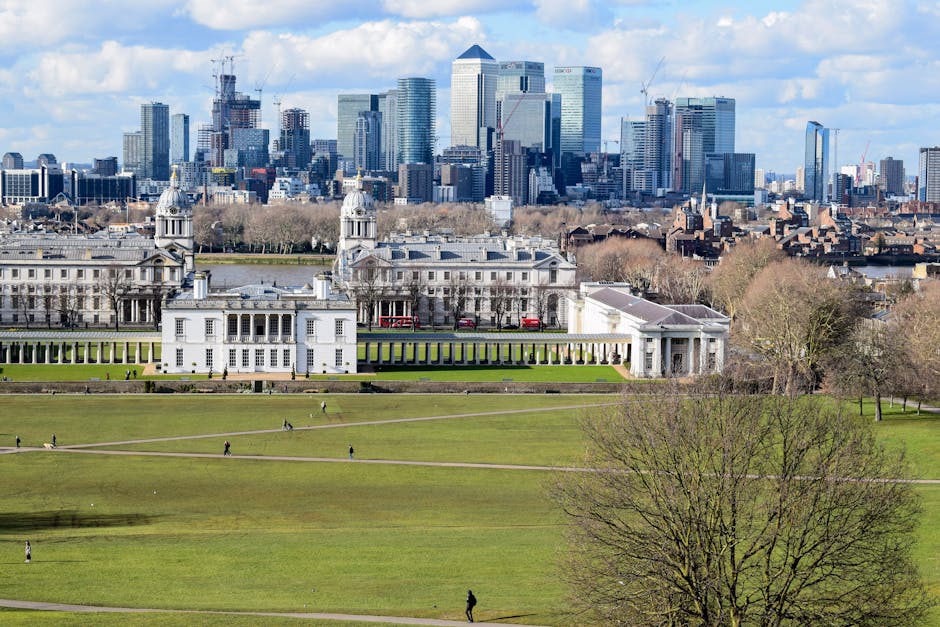
Follow the tranquil Regent’s Canal from the bustle of Camden Market to the serene, leafy waters of Little Venice on this scenic self-guided walk.
 Easy
EasyLondon, United Kingdom
Explore London’s dark history on this self-guided walk through Smithfield, covering the Great Fire, plague pits, and legendary execution sites.
 Easy
EasyGdansk, Poland
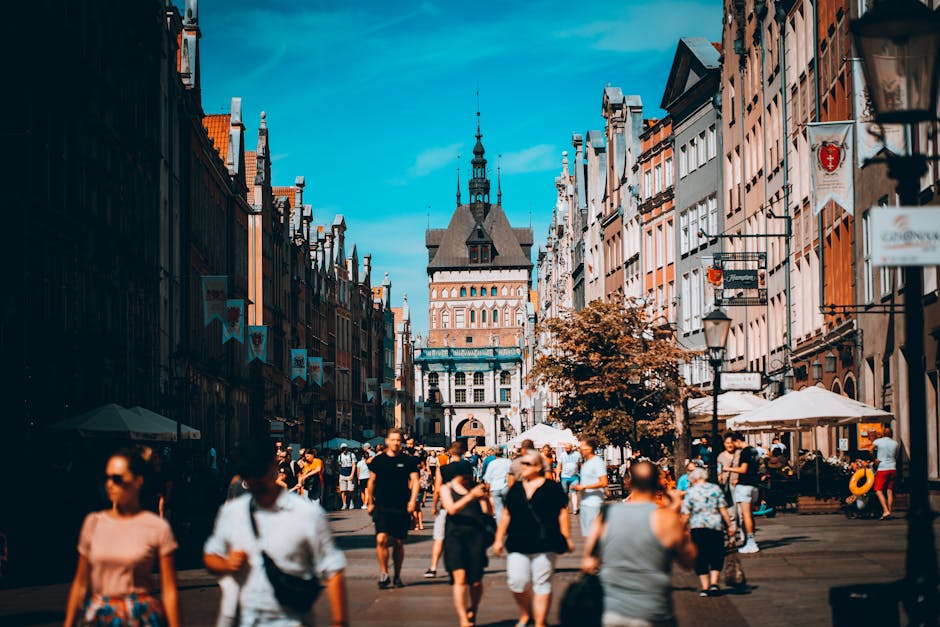
Taste the history of the Baltic. Explore Gdansk's culinary heritage from medieval markets to gold-flecked liqueurs on this self-guided walk.
 Easy
EasyGothenburg, Sweden
Discover Gothenburg’s maritime flavors on this self-guided walk through historic market halls and iconic seafood landmarks.
 Easy
EasyGothenburg, Sweden
Explore Gothenburg’s historic wooden houses, legendary giant cinnamon buns, and panoramic fortress views on this self-guided neighborhood stroll.
 Easy
EasyGothenburg, Sweden
Explore Gothenburg's maritime soul on this self-guided walk from historic shipyards to sleek modern piers and iconic industrial landmarks.
 Easy
EasyEdinburgh, United Kingdom
Explore Edinburgh's historic Royal Mile at your own pace, from the heights of the Castle to the royal Palace of Holyroodhouse.
 Easy
EasyEdinburgh, United Kingdom
Capture the magic of Edinburgh on this self-guided stroll through the fairy-tale Dean Village, floral Circus Lane, and the scenic Water of Leith.
 Easy
EasyEdinburgh, United Kingdom
Explore Edinburgh's creative soul on this self-guided walk from historic museums to the stylish galleries and boutiques of the West End.
 Challenging
Edinburgh, United Kingdom
Ascend an ancient volcano and discover royal history on this challenging self-guided walk through Edinburgh's iconic Holyrood Park.
