Step back nearly two thousand years to when York was known as Eboracum, a formidable military fortress at the edge of the Roman Empire. This self-guided walk invites you to peel back the layers of time, moving through the medieval streets to find the stone-carved echoes of the Ninth and Sixth Legions. Unlike a typical guided tour York offers, this independent neighborhood stroll allows you to stand where emperors stood and walk the perimeter of a fortress that once housed 5,000 elite soldiers, all at your own pace. The route begins in the tranquil Museum Gardens, where the lower masonry of the Multangular Tower still stands as a testament to 4th-century engineering. From there, you will explore the defensive fortifications that have protected the city through Roman, Anglian, Viking, and Medieval eras. You will encounter the towering Roman column unearthed beneath the York Minster, a monument to the moment Constantine the Great was proclaimed Emperor right here in the city. As you navigate the historic City Centre, the architecture reveals a fascinating story of reuse and resilience. You'll visit the site of one of the world's most famous ghost stories at the Treasurer's House, where the spirits of a Roman legion were famously sighted, and conclude your journey at a local pub built directly over the remains of an ancient bathhouse. This walking route is perfect for history enthusiasts and first-time visitors who want to understand the foundational stones of England’s most historic city. By choosing a self-guided walk, you have the freedom to linger at the ruins or grab a coffee in a historic square without the pressure of a group. This is the ultimate way to experience the Roman legacy of York, discovering how the layout of a modern city is still dictated by the lines drawn by Roman surveyors centuries ago.
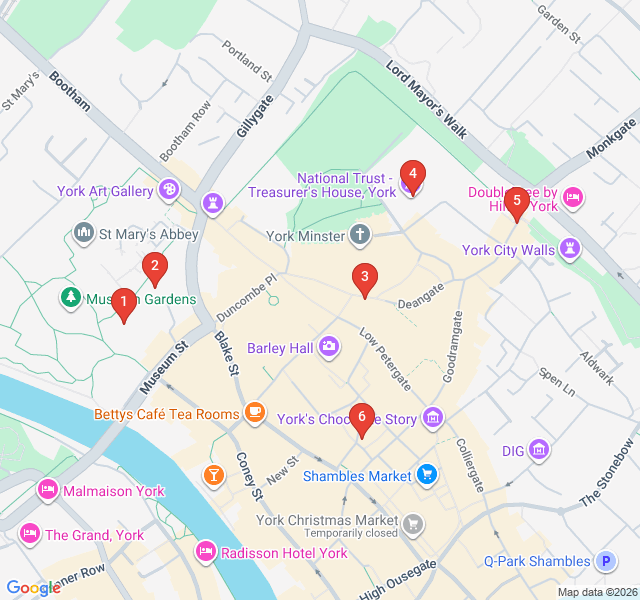
Numbers indicate the order of stops on the tour
Welcome to the Museum Gardens, home to the most impressive fragment of Roman Eboracum. Look at the tower before you. The lower half, with its small, neat limestone blocks and a distinctive band of red Roman tiles, dates back to the early 4th century. This was the corner bastion of the Roman fortress. When the Romans left, the medieval residents simply built on top of it—you can see the larger, rougher stones and the arrow slits of the upper section added much later. Imagine Roman sentries standing here, looking out over the River Ouse, guarding the headquarters of northern Roman Britain.
Tucked away along the city walls is the Anglian Tower. This small, square stone structure is a rare archaeological gem. For a long time, historians weren't sure when it was built, but it is now widely believed to be the 'missing link' between the Roman era and the Viking arrival. It was likely built in the 7th or 8th century to fill a gap in the crumbling Roman fortifications. It’s one of the few standing structures from the 'Dark Ages' in England, representing a time when the city was the capital of the Kingdom of Northumbria.
This massive stone pillar standing in the shadow of the York Minster wasn't always here. It was discovered in 1969 during excavations in the Minster's foundations. It originally belonged to the Basilica, the great hall of the Roman military headquarters, which stood exactly where the cathedral stands today. This column is a physical connection to the year 306 AD. When Emperor Constantius Chlorus died in York, his son Constantine was proclaimed Emperor by the soldiers right here. Constantine would go on to legalize Christianity and move the capital of the Empire to Constantinople.
While this elegant house dates mainly from the 17th and 18th centuries, its most famous residents might be much older. In 1953, a young apprentice named Harry Martindale was working in the cellar when he saw a troop of Roman soldiers emerge from the wall, appearing only from the knees up. It was later discovered that a Roman road lies exactly 15 inches below the cellar floor, explaining why the 'ghosts' appeared to be walking on their knees. The house sits directly over the Roman road leading to the fortress's northeast gate.
As you stand near Monk Bar, you are positioned over the site of the Porta Decumana, the northeast gate of the Roman fortress. While the gate you see today is medieval, it follows the exact alignment of the Roman original. Look down Goodramgate; the narrow, winding nature of the street is a medieval characteristic, but the overall grid of this part of York still respects the boundaries set by Roman surveyors nearly 2,000 years ago. This area was the heart of the civilian settlement that grew up around the military garrison.
Our final stop is perhaps the most unique. Beneath this pub, which is aptly named 'The Roman Bath,' lies the remains of the fortress's caldarium, or steam room. Discovered during renovations in 1930, these ruins show the sophisticated underfloor heating system, known as a hypocaust, that the Romans used to keep their soldiers clean and relaxed. For a small fee, you can head down into the basement to see the original tiles and the plunge pool. It’s a vivid reminder that even at the edge of the empire, the Romans brought their luxury and engineering with them.
Download Zigway to experience "Roman Legions and Eboracum Echoes" with AI-powered audio narration. Walk at your own pace while stories unfold around you.
 Easy
EasyYork, United Kingdom
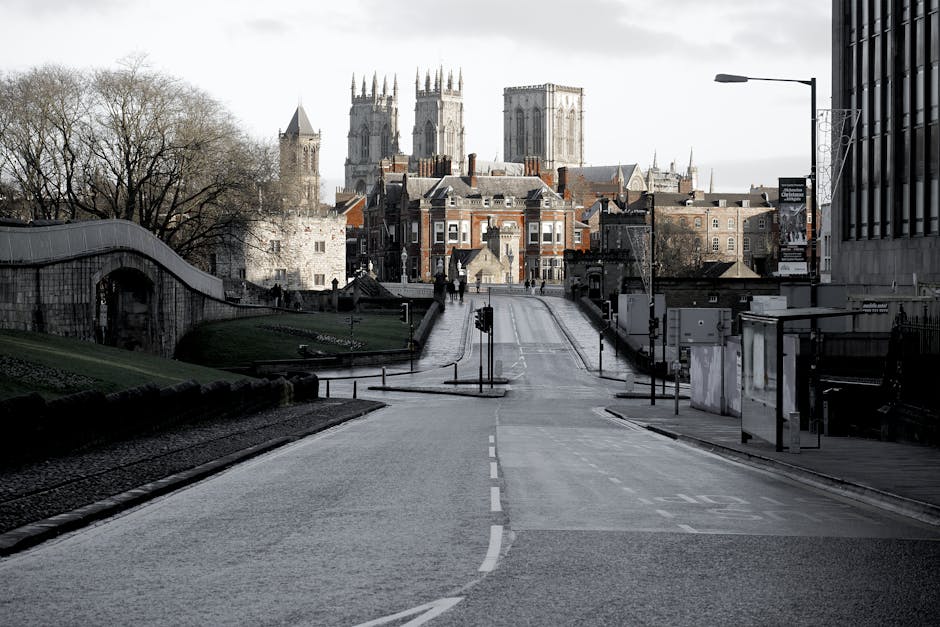
Discover York's industrial soul on this self-guided walk through grand Victorian stations and world-class railway history.
 Easy
EasyYork, United Kingdom
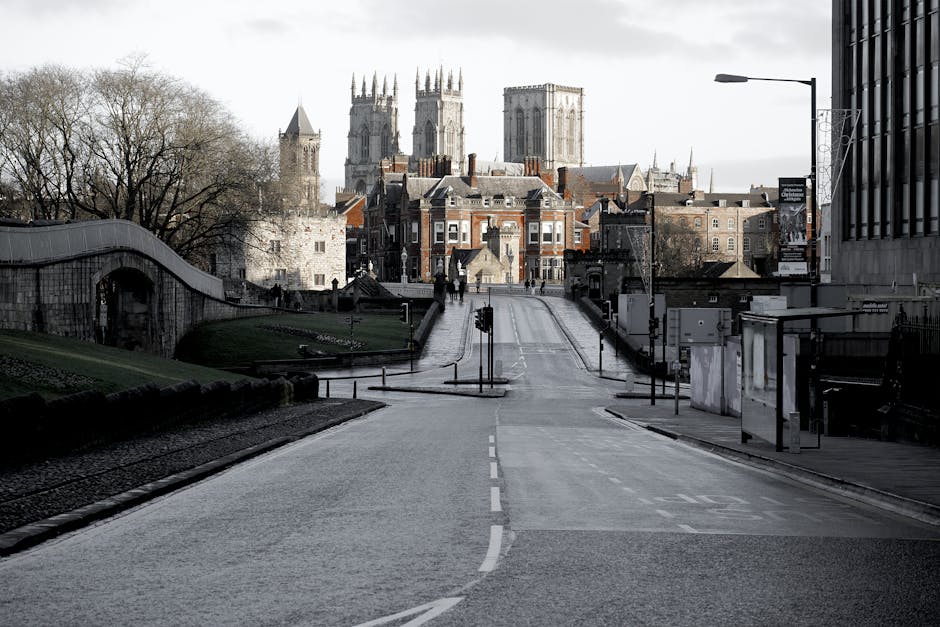
Explore the architectural wonders of York’s Minster Quarter at your own pace with this independent audio walk through Gothic history.
 Easy
EasyYork, United Kingdom
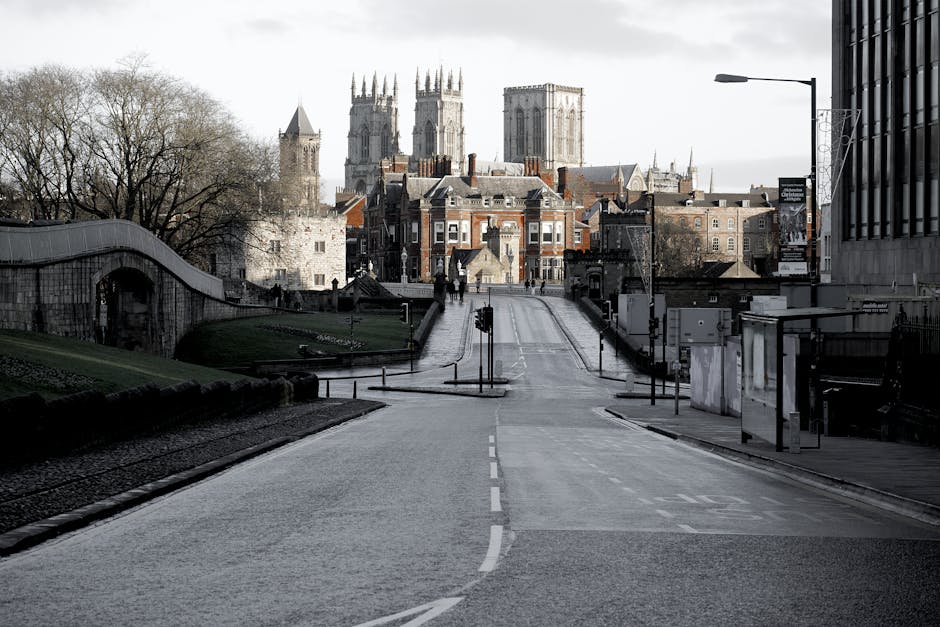
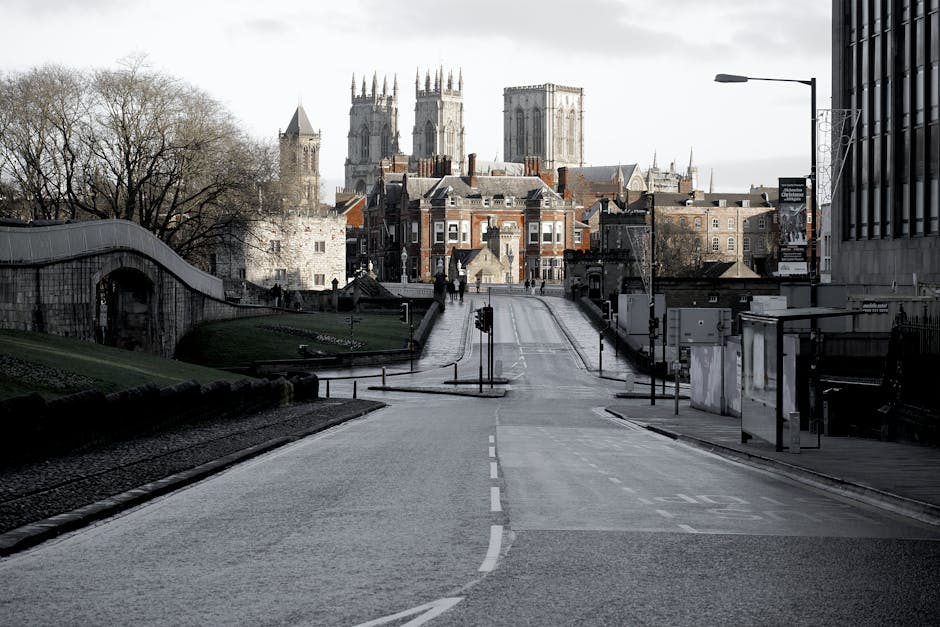
Explore York's delicious artisan food scene on this self-guided walking route through medieval streets and modern creative hubs.
 Easy
EasyYork, United Kingdom
Explore the literary soul of York on a self-guided walk through historic libraries, ancient bookshops, and the haunts of famous poets.
 Easy
EasyNairobi, Kenya
Explore Nairobi's architectural evolution from colonial-era landmarks to iconic Brutalist skyscrapers on this historic self-guided walking route.
 Easy
EasyNairobi, Kenya
Discover Nairobi's iconic skyline on this self-guided architecture walk through the CBD’s most famous modernist and Brutalist landmarks.
 Easy
EasyKrakow, Poland
Explore the prestigious Jagiellonian University district, featuring Neo-Gothic architecture, Baroque churches, and Krakow's hidden scholarly gems.
 Easy
EasyGothenburg, Sweden
Discover Gothenburg’s 17th-century Dutch foundations, historic canals, and military fortifications on this self-guided architectural walk.
 Easy
EasyEdinburgh, United Kingdom
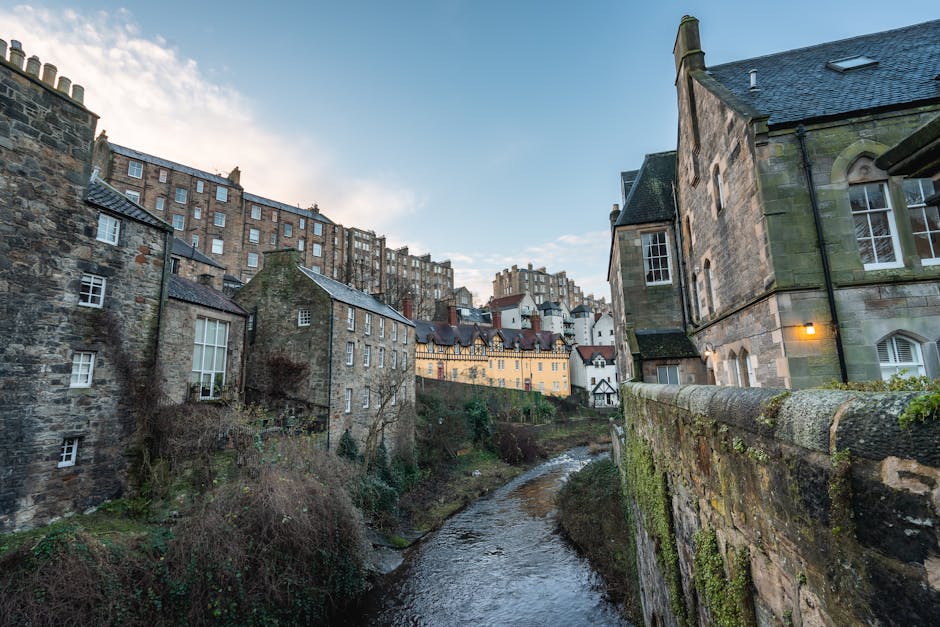
Explore Edinburgh's historic Royal Mile at your own pace, from the heights of the Castle to the royal Palace of Holyroodhouse.
 Easy
EasyEdinburgh, United Kingdom
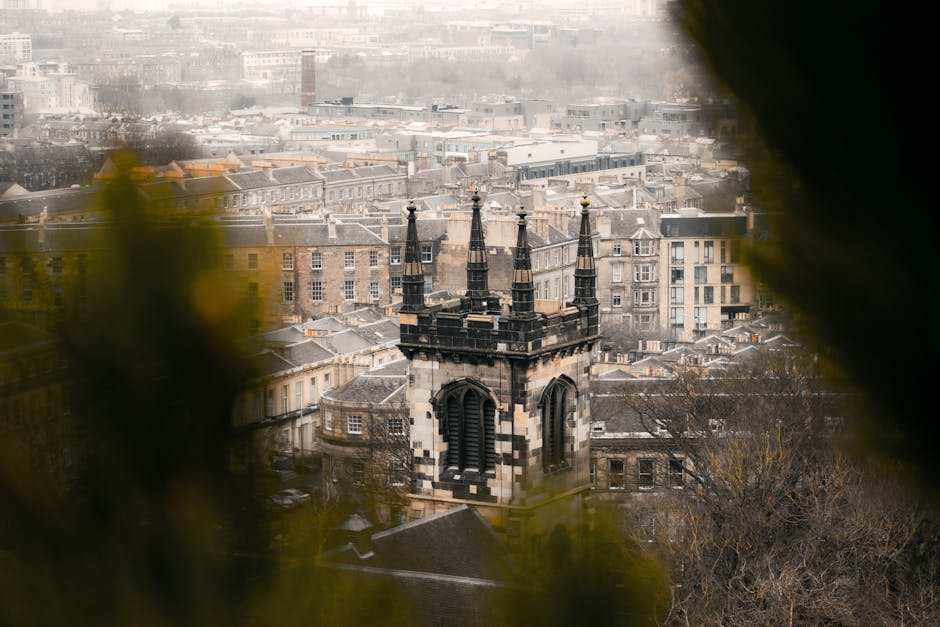
Capture the magic of Edinburgh on this self-guided stroll through the fairy-tale Dean Village, floral Circus Lane, and the scenic Water of Leith.
 Easy
EasyEdinburgh, United Kingdom
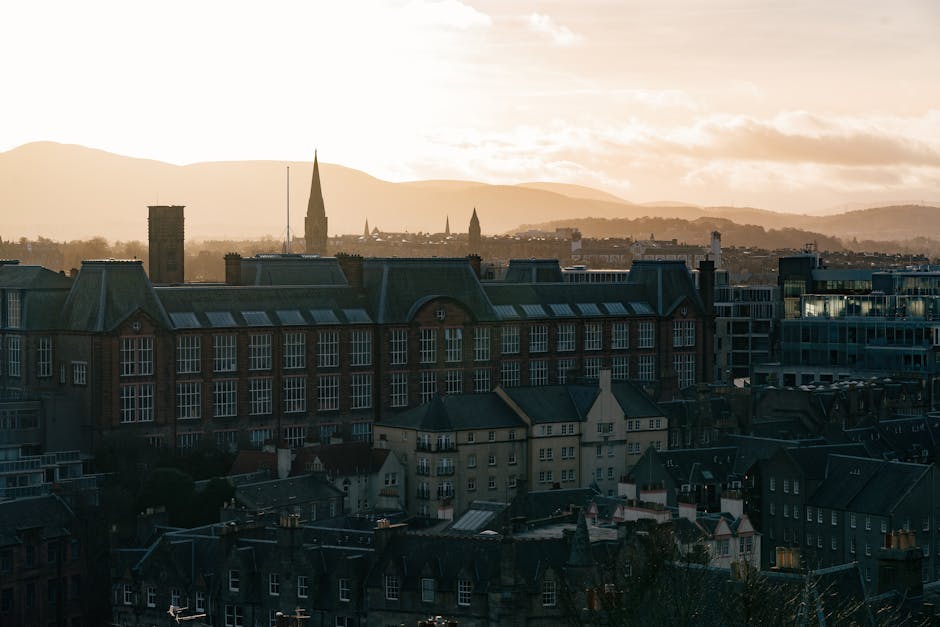
Explore Edinburgh's creative soul on this self-guided walk from historic museums to the stylish galleries and boutiques of the West End.
 Challenging
Edinburgh, United Kingdom
Ascend an ancient volcano and discover royal history on this challenging self-guided walk through Edinburgh's iconic Holyrood Park.
