Step away from the amber shops and medieval crowds of the Main Town to discover Wrzeszcz, Gdańsk’s most soulful and eclectic neighborhood. This self-guided walk invites you into a district where Prussian architecture meets a thriving modern creative scene. Once a separate village, Wrzeszcz evolved into an affluent suburb and later an intellectual hub, largely defined by the presence of the Gdańsk University of Technology. As you explore independently, you will notice a distinct change in pace and atmosphere, where historical weight is balanced by bohemian energy. The area is perhaps most famous as the childhood home of Nobel Prize-winning author Günter Grass. His 'Danzig Trilogy' immortalized the streets you will walk today, particularly around the Lower Wrzeszcz area. This neighborhood stroll traces the footsteps of his characters while highlighting the architectural grandeur of the late 19th and early 20th centuries. From the ornate, Neo-Renaissance facades of the university to the charming, revitalized tenements of Wajdeloty Street, the route showcases a side of the city often missed by those on a standard walking tour Gdansk offers. You will also experience the modern face of the city at the Garnizon complex, a former military site transformed into a hub for art, literature, and gastronomy. The walk concludes in the serene Jaśkowa Dolina, a valley lined with magnificent villas that once served as the summer residences of Gdańsk’s elite. This walking route is perfect for travelers who appreciate literature, architectural history, and the vibrant pulse of local life. Whether you are a fan of 'The Tin Drum' or simply looking for a quiet coffee in a historic courtyard, Wrzeszcz provides an authentic Gdańsk experience at your own pace. **Note:** This area is known for its ever-changing character. Street art, pop-up venues, and temporary exhibitions may differ from what's described. That's part of the adventure - you might discover something entirely new!
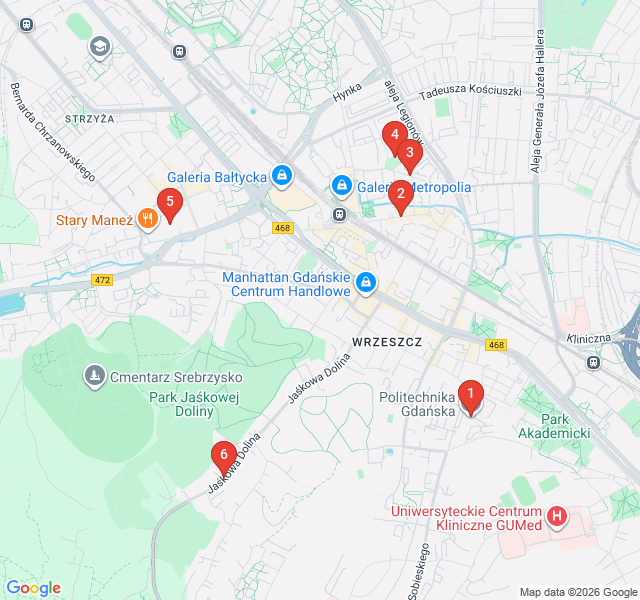
Numbers indicate the order of stops on the tour
Start exploring with Zigway at the heart of Gdańsk's intellectual life. The Main Building of the University of Technology is a masterpiece of Northern Neo-Renaissance architecture, completed in 1904. Look up at the ornate clock tower and the intricate stone carvings. This institution survived the world wars and remains one of the most prestigious technical schools in Poland. The atmosphere here is a blend of academic tradition and youthful energy. Notice the owl symbols tucked into the facade—a traditional sign of wisdom. The surrounding campus serves as a green lung for the neighborhood, providing a quiet start to your self-guided adventure through Wrzeszcz's history.
Wajdeloty Street is the epicenter of the 'Wrzeszcz Renaissance.' Once a neglected corner of the district, it has been beautifully revitalized into a pedestrian-friendly hub of vegan cafes, craft breweries, and independent boutiques. The architecture here is classic Prussian tenement style, with circular corners and decorative brickwork. This street captures the bohemian vibe of the neighborhood perfectly. Because the local business scene is dynamic, you might find new pop-up galleries or changing street art installations during your visit. It is a great place to observe how Gdańsk's young creatives have breathed new life into historical spaces without losing their original character.
To understand the literary soul of this district, you must visit Lelewela Street. At number 13, the Nobel laureate Günter Grass was born and raised. This modest apartment building and the surrounding courtyard served as the primary setting for his world-famous novel, 'The Tin Drum.' Grass’s writing is deeply rooted in the specific geography of these streets, blending the mundane reality of pre-war Danzig with surrealist imagery. While the building remains a private residence, walking this block allows you to see the world through the eyes of Grass’s protagonist, Oskar Matzerath. The neighborhood's layout has remained remarkably consistent since the 1930s, preserving a tangible link to the past.
Located in a small square nearby, you will find a bronze monument dedicated to Günter Grass. This is not a typical stiff statue; it is a whimsical scene. Grass sits on a bench with his pipe, while next to him sits Oskar Matzerath, the boy who refused to grow up, clutching his iconic tin drum. A small turtle also rests on the bench, referencing another of Grass's works. This spot is a favorite for locals and literary pilgrims alike. It serves as a tribute to the man who put Wrzeszcz on the global literary map, acknowledging the complex, multicultural history of a city that was once the Free City of Danzig.
As you transition into the Garnizon area, you enter a former Prussian cavalry barracks that has been converted into a massive mixed-use cultural space. Sztuka Wyboru is the crown jewel of this development. It is a multi-story concept store, bookstore, and café housed in a meticulously restored brick building. The interior often hosts rotating art exhibitions and photography displays. This stop highlights the 'Bohemian' theme of our route, showing how industrial and military heritage can be repurposed for the arts. The surrounding Garnizon district is constantly evolving, so keep an eye out for new murals or temporary outdoor installations in the central plazas.
Finish your walk with a stroll up Jaśkowa Dolina, often called the 'Valley of John.' This street is famous for its collection of eclectic villas built at the turn of the 20th century. These homes were designed for the city's wealthy merchants and officials who wanted to escape the density of the center for a life near the forest. The architecture ranges from Swiss-chalet styles to Neo-Gothic mansions. The road leads directly into the Tri-City Landscape Park, where the urban grid gives way to ancient beech forests. It is a peaceful conclusion to the route, reflecting the historical prestige that has always defined Upper Wrzeszcz.
Download Zigway to experience "Wrzeszcz: Literature and Bohemian Vibes" with AI-powered audio narration. Walk at your own pace while stories unfold around you.
 Easy
EasyGdansk, Poland
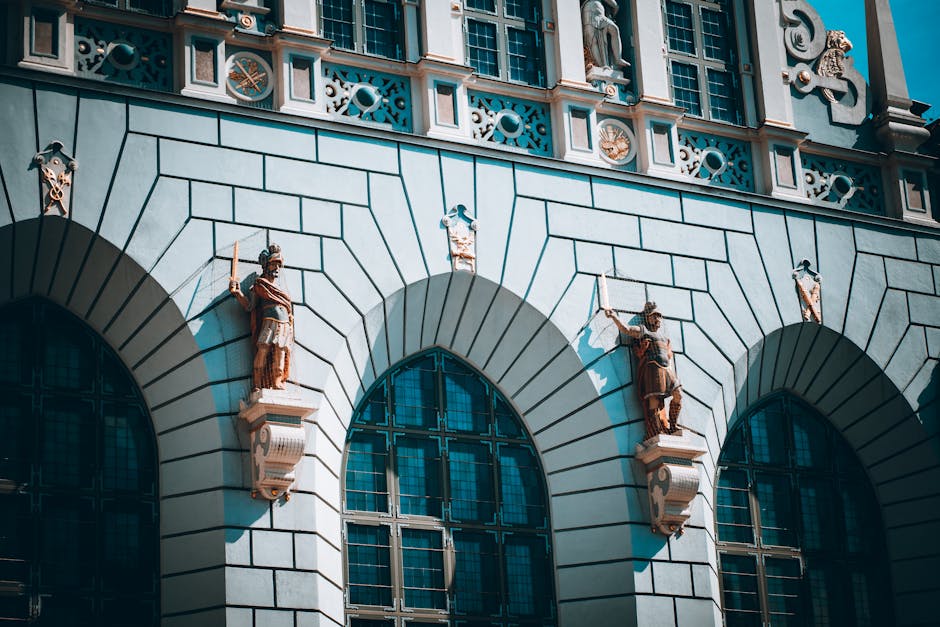
Discover the opulent Royal Way of Gdansk at your own pace. Explore Hanseatic history, gilded architecture, and the iconic Neptune's Fountain.
 Easy
EasyGdansk, Poland
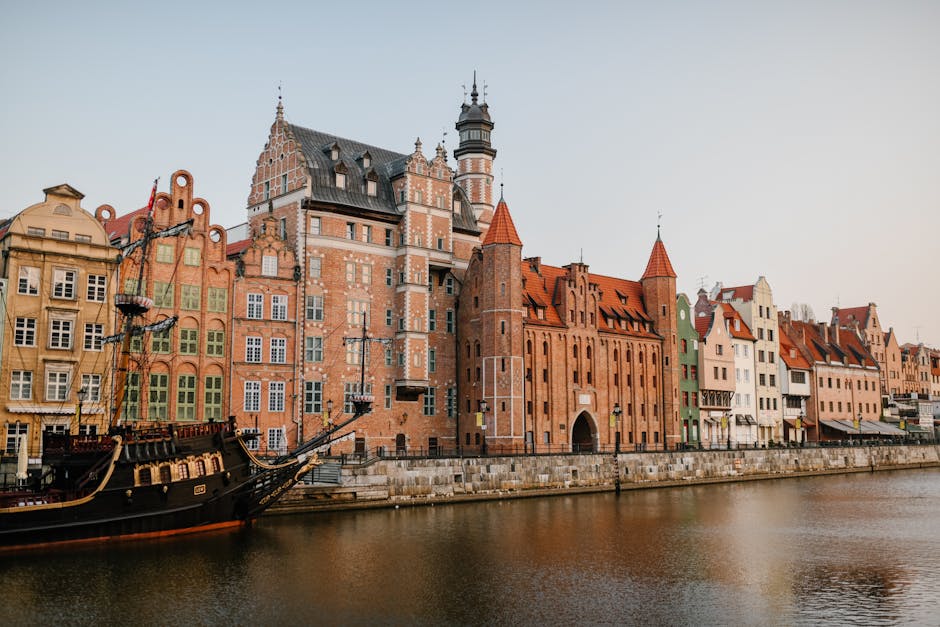
Discover the monastic heritage, world-famous organs, and lush botanical gardens of Oliwa on this peaceful self-guided neighborhood stroll.
 Easy
EasyGdansk, Poland
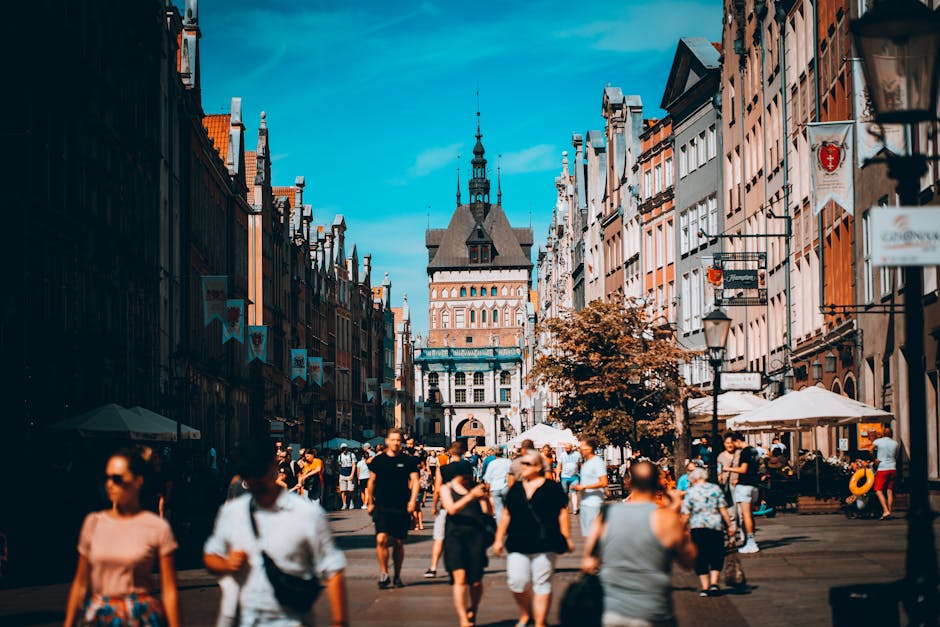
Taste the history of the Baltic. Explore Gdansk's culinary heritage from medieval markets to gold-flecked liqueurs on this self-guided walk.
 Moderate
Gdansk, Poland
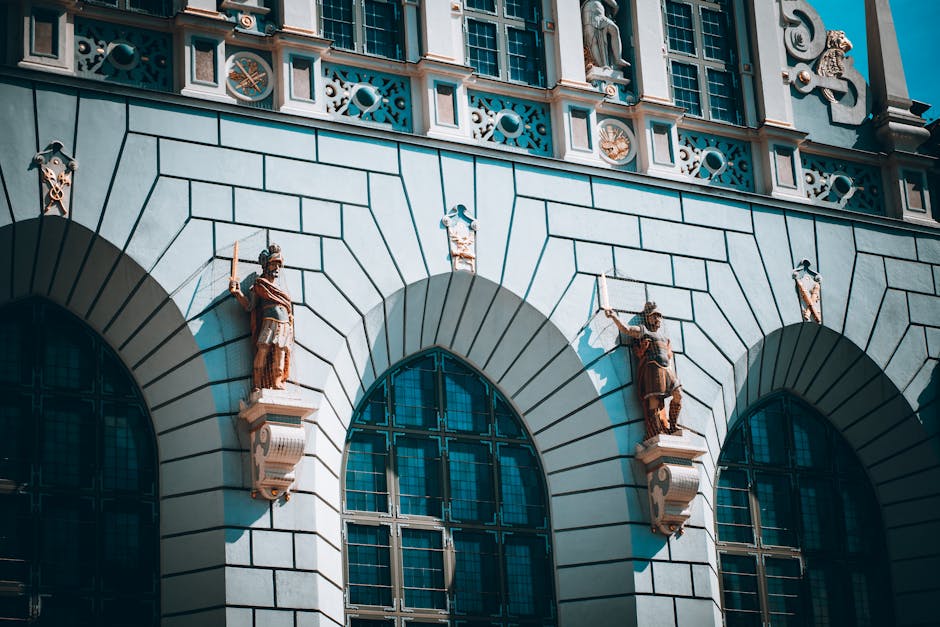
Discover the origins of WWII in Gdansk on this self-guided walk through heroic last stands, massive museums, and strategic hilltop fortifications.
 Moderate
Helsinki, Finland
Explore Helsinki's bohemian heart. Discover historic saunas, granite churches, and the vibrant local life of the Kallio neighborhood at your own pace.
 Moderate
Nairobi, Kenya
Discover the creative soul of Nairobi on this self-guided walk through the city's premier art galleries, markets, and artisan workshops.
 Easy
EasyKrakow, Poland
Explore the prestigious Jagiellonian University district, featuring Neo-Gothic architecture, Baroque churches, and Krakow's hidden scholarly gems.
 Easy
EasyHelsinki, Finland
Discover Helsinki's oldest neighborhood on this self-guided audio walk through Kruununhaka’s historic streets, hidden courtyards, and scenic shores.
EasyKrakow, Poland
Explore the prestigious Jagiellonian University district, featuring Neo-Gothic architecture, Baroque churches, and Krakow's hidden scholarly gems.
 Easy
EasyKrakow, Poland
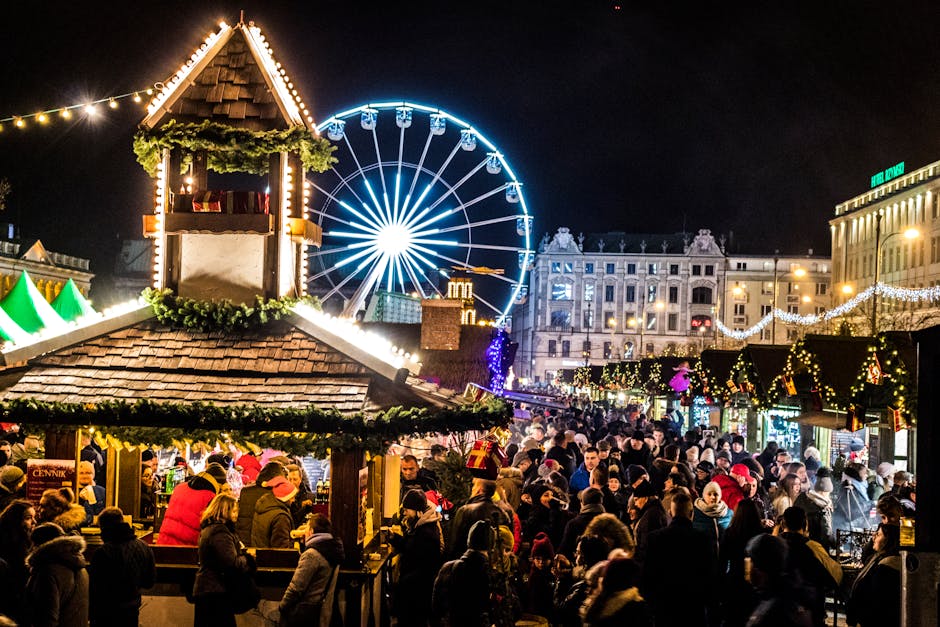
Explore Krakow's hidden nightlife with this self-guided walk through medieval cellars, jazz clubs, and bohemian bars in the Old Town and Kazimierz.
 Easy
EasyKrakow, Poland
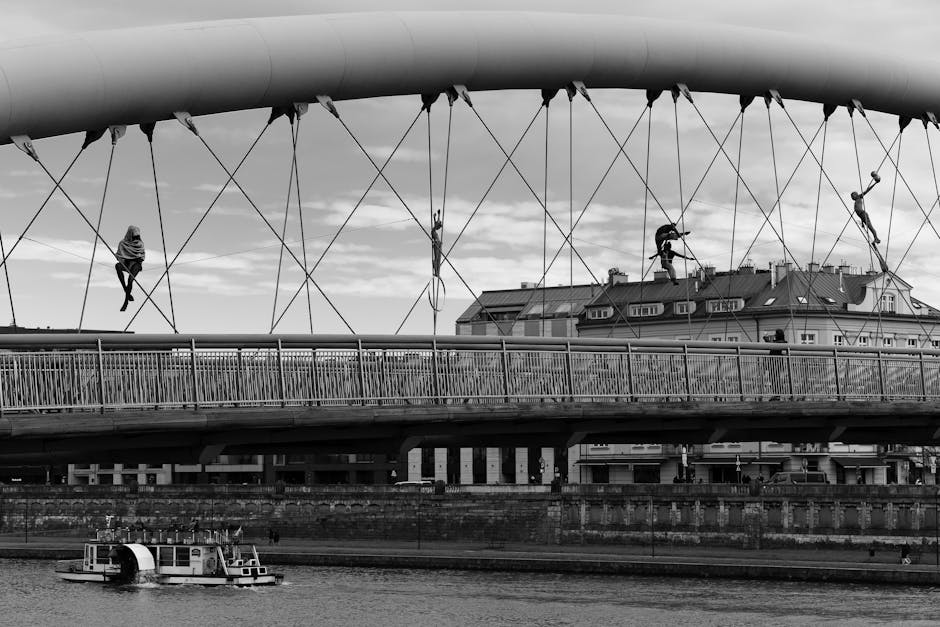
Discover Krakow’s creative soul in Zabłocie, exploring industrial heritage, contemporary art museums, and avant-garde architecture at your own pace.
 Easy
EasyKrakow, Poland
Explore the historic heart of Kazimierz on this self-guided walk through synagogues, ancient cemeteries, and vibrant squares.
