Embark on a captivating self-guided walk through Strasbourg’s Grande Île, a UNESCO World Heritage site where the lines between folklore, faith, and history blur. This neighborhood stroll invites you to explore the spiritual heart of Alsace, a region famously caught between two nations and two major branches of Christianity. Throughout this walking route, you will discover how Strasbourg became a pioneer of the Reformation while maintaining its deep-rooted Catholic traditions, creating a unique religious landscape that still defines the city today. This self-guided adventure begins at the majestic St. Thomas Church, known as the 'Protestant Cathedral,' and winds through the medieval streets of the historic center. You will see how the city’s squares, like Place Kléber, served as more than just marketplaces; they were the stages for social revolutions and religious shifts. The route highlights the architectural evolution of the city, from the Romanesque foundations of its oldest sanctuaries to the Gothic heights of its parish churches. Along the way, you’ll encounter hidden frescoes, tales of lost medieval libraries, and the fascinating history of 'simultaneum'—the practice of sharing a single church building between different denominations. This audio walk is perfect for those who want to understand the soul of Strasbourg beyond the typical tourist paths. You can explore independently, stopping to admire the intricate woodcarvings or the serene atmosphere of a cloister at your own pace. Whether you are interested in the influence of Johannes Gutenberg, the musical legacy of Mozart, or the legends of local saints, this walking route provides a comprehensive look at the sacred sites that shaped the Alsatian identity. By the end of this self-guided walk, you will have a deeper appreciation for the tolerance and resilience that characterize this crossroads of Europe. This isn't just a walking tour Strasbourg offers; it is a deep dive into the cultural fabric of a city that has always looked toward the heavens while keeping its feet firmly planted in its rich, storied soil.
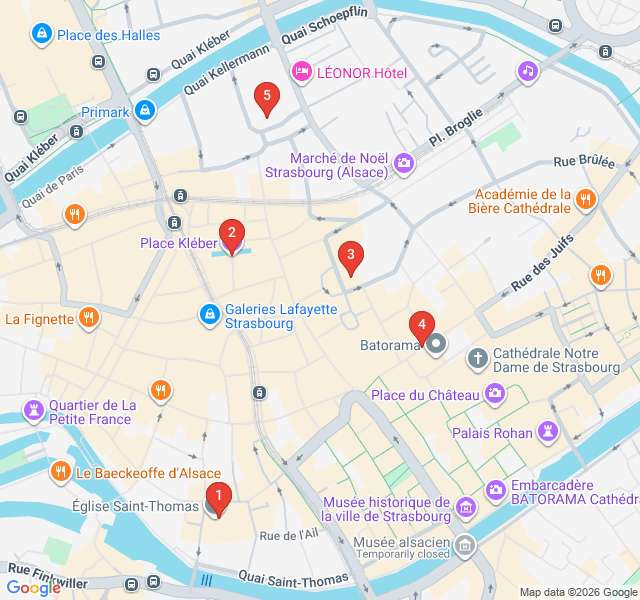
Numbers indicate the order of stops on the tour
Start exploring with Zigway at the Church of St. Thomas, often called the 'Old Lady' of Strasbourg. This is the primary Protestant church in the city and a masterpiece of Alsatian Gothic architecture. Inside, you’ll find the magnificent Mausoleum of Marshal Saxe, a late-Baroque masterpiece that survived the French Revolution. Music lovers should note the 1741 Silbermann organ; Wolfgang Amadeus Mozart himself played it in 1778 and praised its beautiful tone. This site represents the city’s early embrace of the Reformation in the 1520s. As you walk around the exterior, notice the hall-church design, where the aisles are the same height as the nave, creating a spacious, light-filled interior that reflects the Protestant emphasis on the 'Word' and community.
A short walk brings you to Place Kléber, the central square of Strasbourg. While it serves as a modern gathering point, its history is deeply tied to the city's identity. The square is named after General Jean-Baptiste Kléber, a Napoleonic hero born in Strasbourg whose remains lie in a crypt beneath his statue here. On the north side stands the Aubette, a 18th-century military building that later became a 'Sistine Chapel of Abstract Art' in the 1920s. During the Reformation, this area was a hub of public discourse. Today, it remains the site of the city’s Great Christmas Tree every December, a tradition that links modern festivities to the region's ancient folklore of bringing greenery indoors during the winter solstice.
Next, discover the Temple-Neuf, a site that rose from the ashes of conflict. Originally a Dominican convent where the mystic Johannes Tauler preached in the 14th century, the building was tragically destroyed during the Siege of Strasbourg in 1870. The fire claimed the city's library and the priceless 'Hortus Deliciarum' manuscript. The current Neo-Romanesque structure was completed in 1877. It stands as a symbol of the city's resilience and its intellectual heritage. Take a moment to appreciate the acoustic quality of the space, which often hosts concerts, continuing the tradition of sacred music that has echoed through this neighborhood for centuries.
Stroll down Rue des Hallebardes, one of the most picturesque streets in the Grande Île. In the Middle Ages, this was the street of the armorers and halberd makers. As you walk, look up at the intricate timber-framed houses and the decorative signs. This narrow passage connects the civic heart of the city to the Cathedral district. It illustrates the daily life of Strasbourg’s citizens during the Renaissance, where faith and commerce were inextricably linked. The street offers one of the best 'peek-a-boo' views of the Cathedral’s spire, reminding pedestrians of the constant presence of the divine in the medieval urban landscape.
Continue your walking route to Saint-Pierre-le-Jeune, perhaps the most historically layered church in the city. Parts of the building date back to the 11th century, including a Merovingian crypt. The interior is a treasure trove of art, featuring a stunning 14th-century fresco cycle depicting the Passion of Christ and the 'Navicella' of the Apostles. Don't miss the quiet cloister, partially dating from the 11th century, which offers a peaceful escape from the city bustle. This church is a perfect example of how Strasbourg’s sacred sites have preserved their Catholic artistic heritage even after becoming Protestant parishes during the Reformation.
The final stop on your self-guided adventure is Saint-Pierre-le-Vieux. This site is unique because it is actually two churches in one: a Catholic part and a Protestant part, separated by a wall. This physical division is a literal manifestation of the 'simultaneum'—a 17th-century decree by Louis XIV that forced many Protestant churches to share their space with Catholics. While the wall still stands, the two communities now coexist as neighbors. The Catholic side contains beautiful 15th-century woodcarvings and paintings depicting the life of Saint Peter and the Passion. It is a fitting end to our journey, representing the complex, often divided, but ultimately shared history of faith in Strasbourg.
Download Zigway to experience "Folklore and Faith: Strasbourg's Sacred Sites" with AI-powered audio narration. Walk at your own pace while stories unfold around you.
 Easy
EasyStrasbourg, France
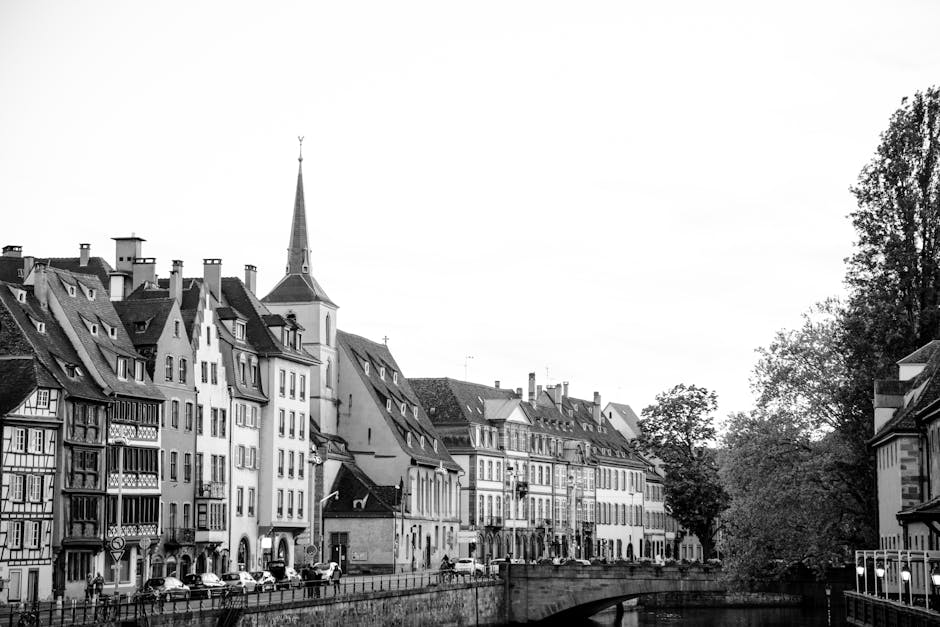
Discover the vibrant soul of Strasbourg’s student district. Explore historic factories, lively squares, and canal-side hangouts at your own pace.
 Easy
EasyStrasbourg, France
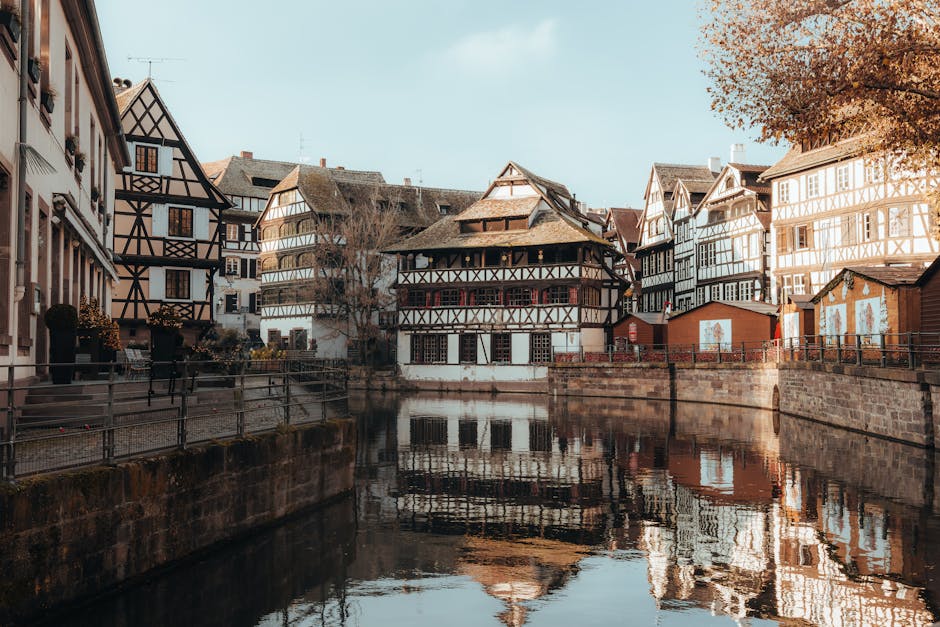
Explore Strasbourg’s Gothic heart and astronomical marvels on this self-guided walk through the historic Grande Île.
 Easy
EasyStrasbourg, France
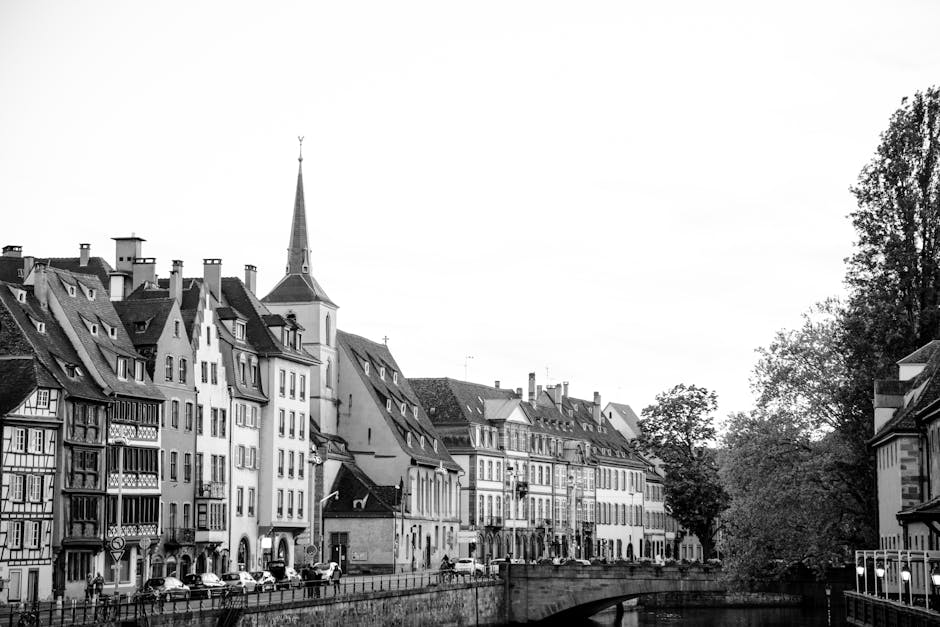
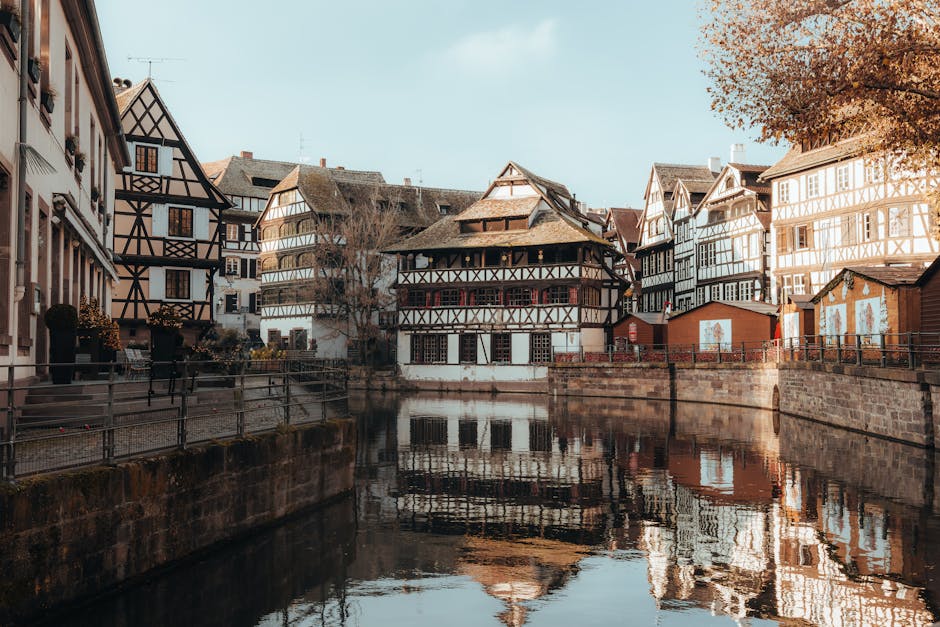
Discover Strasbourg’s soul on this self-guided stroll along historic quays, scenic bridges, and the fairytale canals of Petite France.
 Moderate
Strasbourg, France
Explore the military genius of Vauban on this self-guided walk through Strasbourg’s historic bridges, dams, and riverside defenses.
 Easy
EasyKrakow, Poland
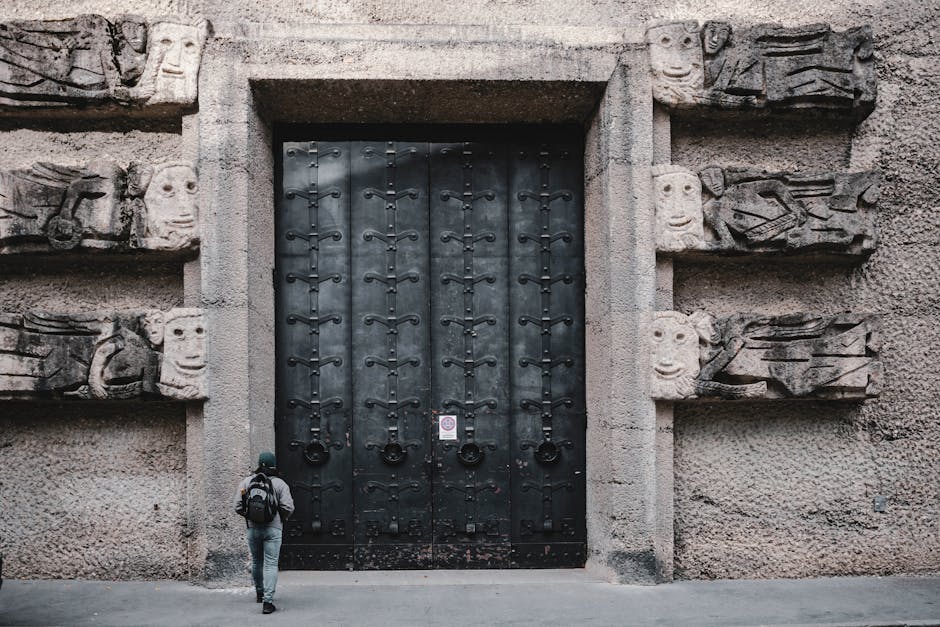
Explore the historic heart of Kazimierz on this self-guided walk through synagogues, ancient cemeteries, and vibrant squares.
 Easy
EasySalzburg, Austria
Discover the 'Rome of the North' on this self-guided walk through the Baroque squares and monumental legacy of Salzburg’s Prince-Archbishops.
 Easy
EasyGothenburg, Sweden
Discover Gothenburg’s 17th-century Dutch foundations, historic canals, and military fortifications on this self-guided architectural walk.
 Easy
EasyNairobi, Kenya
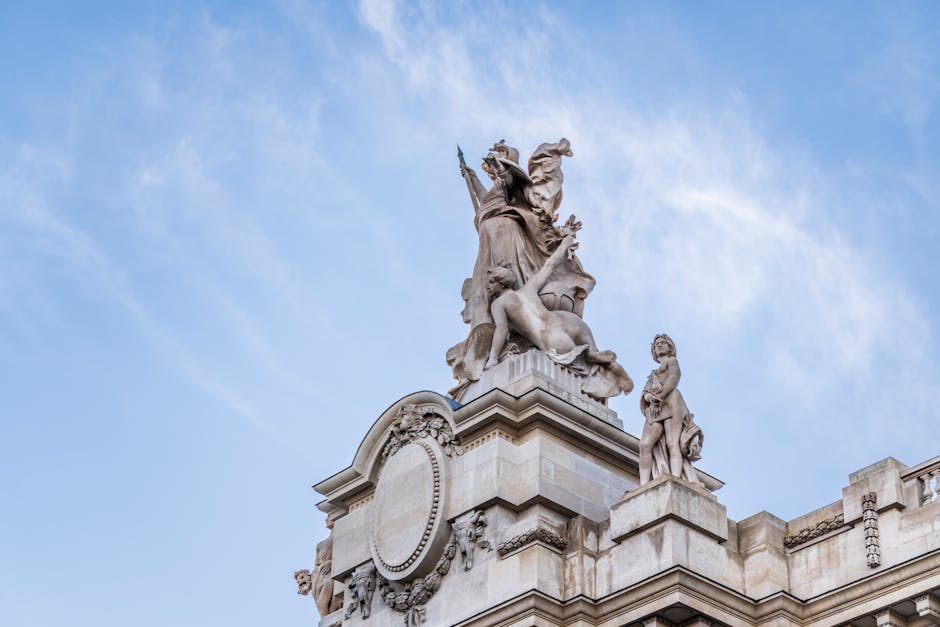
Explore Nairobi's architectural evolution from colonial-era landmarks to iconic Brutalist skyscrapers on this historic self-guided walking route.
 Challenging
Paris, France
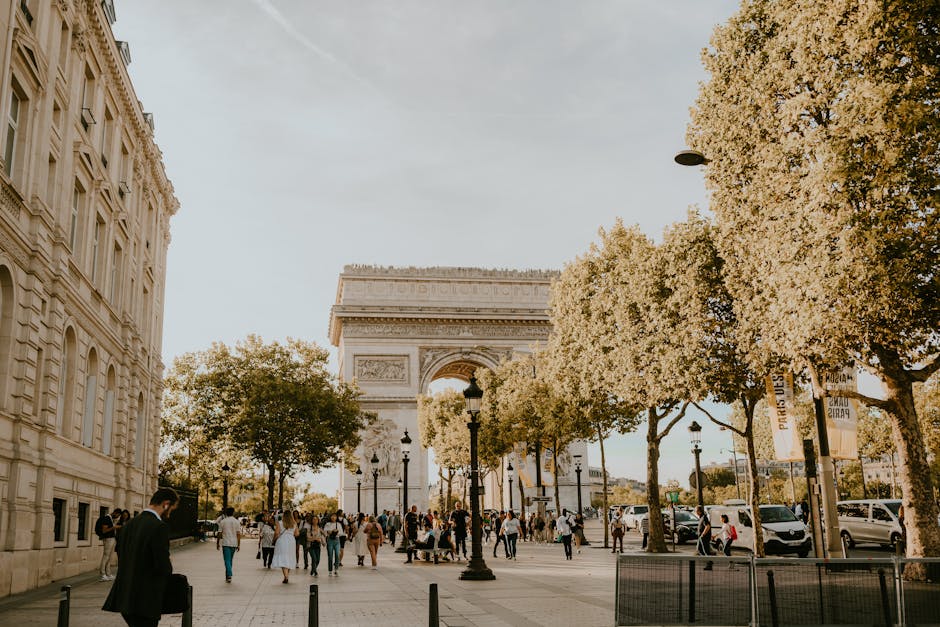
Explore the secret vineyards, legendary artist studios, and hidden squares of Paris's iconic hilltop on this self-guided bohemian walking route.
 Easy
EasyParis, France
Explore the evolution of Parisian design from Art Nouveau whimsy to Le Corbusier's Modernist masterpieces on this self-guided architectural walk.
 Easy
EasyParis, France
Explore the flavors and history of Bastille on this self-guided walk through the legendary Aligre Market and the scenic Coulée Verte.
 Easy
EasyParis, France
Discover aristocratic mansions, secret medieval courtyards, and royal history on this self-guided walk through the enchanting Marais district.
