Step away from the golden limestone of Bordeaux's 18th-century center and enter a world of bold concrete shapes and visionary urban planning. This self-guided walk invites you to explore Mériadeck, a district that stands as a fascinating 'city within a city.' Conceived in the 1960s and 70s under the long-standing mayor Jacques Chaban-Delmas, Mériadeck was designed to be a modern administrative heart, replacing what was once a marshy, dilapidated neighborhood. As you navigate the elevated walkways and 'slab' architecture, you will discover a unique example of Brutalist-inspired urbanism that prioritized the separation of pedestrians and cars—a radical idea for its time. This architecture-focused route highlights the contrast between the old and the new, featuring the 17th-century Saint-Bruno church nestled among towering glass and concrete blocks. You will encounter the 'cross' buildings, designed to maximize natural light, and the massive Mériadeck Library, one of the largest public libraries in France. This neighborhood stroll is perfect for those looking to see a different side of the city, away from the typical tourist paths. While many visitors stick to the riverfront, this walking tour Bordeaux offers a deeper look at the social and political ambitions of the late 20th century. Whether you are an architecture student or a curious traveler, the Mériadeck experiment offers a striking visual narrative of Bordeaux's leap into modernity. This self-guided adventure allows you to appreciate the 'hanging gardens' and the rhythmic patterns of the facades at your own pace. Even if you have previously taken a guided tour Bordeaux, this independent route provides the context needed to appreciate the raw beauty and functional logic of this often-misunderstood district.
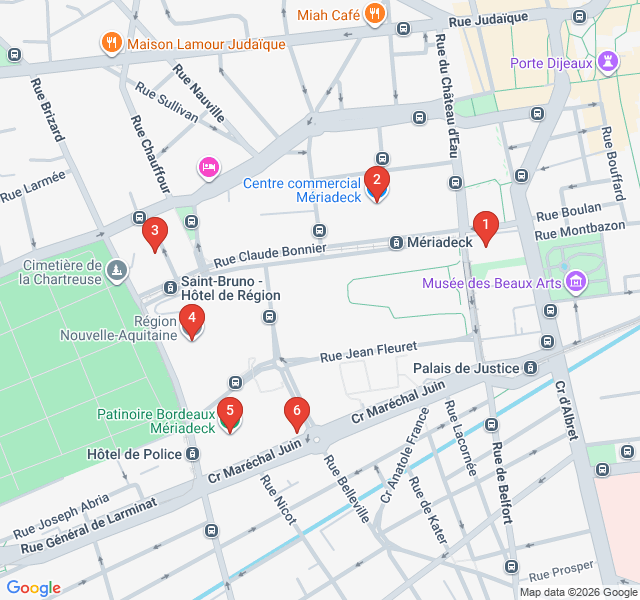
Numbers indicate the order of stops on the tour
Begin your self-guided walk at the Cité Municipale, a striking example of how Mériadeck continues to evolve. Completed in 2014 and designed by architect Paul Andreu, this building serves as a modern gateway to the district. Its glass-heavy, transparent design was intended to symbolize open government, contrasting sharply with the opaque concrete of the older buildings nearby. It is a highly sustainable structure, featuring solar panels and natural cooling systems. As you stand here, notice how the building bridges the gap between the traditional stone architecture of Bordeaux's center and the concrete experiment of Mériadeck. It sets the stage for a neighborhood that has always looked toward the future, even when that future looks very different from the rest of the city.
Walk up onto the central esplanade to truly understand the Mériadeck experiment. This is 'urbanisme sur dalle' or slab urbanism. The core concept was to separate people from machines. Cars, deliveries, and parking are all hidden in the levels below you, while the top surface is reserved for pedestrians and gardens. Look around at the distinctive 'cross' buildings. By using a cross-shaped footprint, the architects ensured that every office received natural sunlight and had views of the surrounding greenery. It was a utopian vision of working life. While some find the concrete harsh, take a moment to look at the geometry and the way the buildings are positioned to create open plazas and 'hanging' parks in the middle of a dense city.
In the middle of this concrete forest stands a surprising survivor: the Saint-Bruno Church. This 17th-century Baroque masterpiece was originally part of a Carthusian monastery. Its ornate interior and classic facade provide a startling visual contrast to the surrounding 1970s towers. This church used to be surrounded by a massive cemetery, which was the city's main burial ground for centuries. When the Mériadeck district was redeveloped, the church was preserved as a historical anchor. It serves as a reminder that this area was a living part of Bordeaux long before the concrete was poured. The juxtaposition of the church's traditional bell tower against the flat, geometric lines of the modern buildings is one of the most photographed views in the district.
The Hôtel de Région is the administrative powerhouse of the district. This massive complex houses the regional government and reflects the monumental scale typical of Mériadeck's design. The architecture here is all about rhythm—look at the repetitive patterns of the windows and the heavy use of pre-cast concrete panels. This style was meant to convey stability and modernity during France's 'Trente Glorieuses' (the thirty years of post-war economic growth). The building sits at a key junction of the pedestrian walkways, illustrating how the district was designed to function as a seamless network of offices and public services, all interconnected without ever needing to cross a road at street level.
The Patinoire de Mériadeck is more than just an ice rink; it is an architectural landmark and a major cultural venue. Opened in 1981, its design is characterized by large, sweeping curves and a distinctively '80s aesthetic that feels slightly different from the earlier 1970s blocks. It has hosted everything from international ice skating championships to major rock concerts. The building represents the 'leisure' aspect of the Mériadeck plan, ensuring that the district wasn't just for office workers but also for the citizens of Bordeaux to enjoy. Its low, spreading profile helps break up the verticality of the nearby office towers, adding a different texture to the neighborhood's skyline.
Your neighborhood stroll concludes at the Bibliothèque Mériadeck, one of the largest public libraries in France. This is Brutalism at its most functional and impressive. Opened in 1991, the building houses over a million documents, including rare medieval manuscripts. Architecturally, it is a massive cube of concrete and glass that manages to feel light and airy once you are inside. The interior features wide-open spaces and a central atrium that allows light to flood down through the levels. It is the perfect place to see how Mériadeck's architecture serves the public good. Take a moment to sit in the gardens outside or explore the collections within to finish your journey through Bordeaux's concrete heart.
Download Zigway to experience "Concrete Curiosities: The Mériadeck Experiment" with AI-powered audio narration. Walk at your own pace while stories unfold around you.
 Easy
EasyBordeaux, France
Explore the vibrant Saint-Michel district and the legendary Marché des Capucins on this self-guided food and culture walk through Bordeaux.
 Easy
EasyBordeaux, France
Discover the intellectual soul of Bordeaux on this self-guided walk through the haunts of legendary philosophers and writers.
 Moderate
Bordeaux, France
Explore Bordeaux's creative edge on this self-guided walk from classic museums to the vibrant Darwin Ecosystem and industrial ruins.
 Easy
EasyBordeaux, France
Explore the bohemian heart of Bordeaux on this self-guided walk through Saint-Michel’s markets, antique shops, and historic churches.
 Moderate
Vienna, Austria
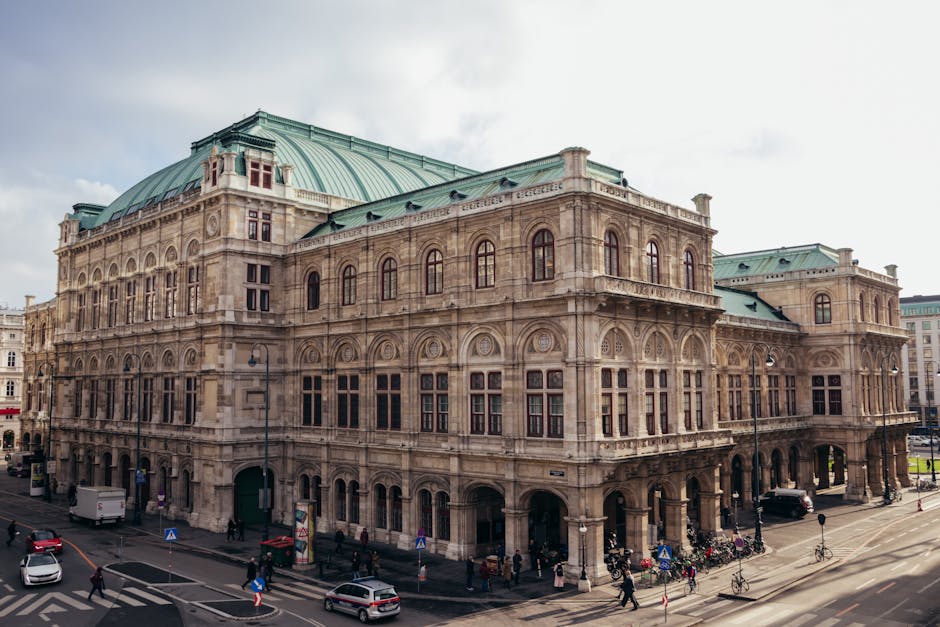
Discover the noir world of The Third Man and Cold War Vienna on this atmospheric self-guided audio walk through the historic Innere Stadt.
 Easy
EasyKrakow, Poland
Explore the prestigious Jagiellonian University district, featuring Neo-Gothic architecture, Baroque churches, and Krakow's hidden scholarly gems.
 Easy
EasyKrakow, Poland
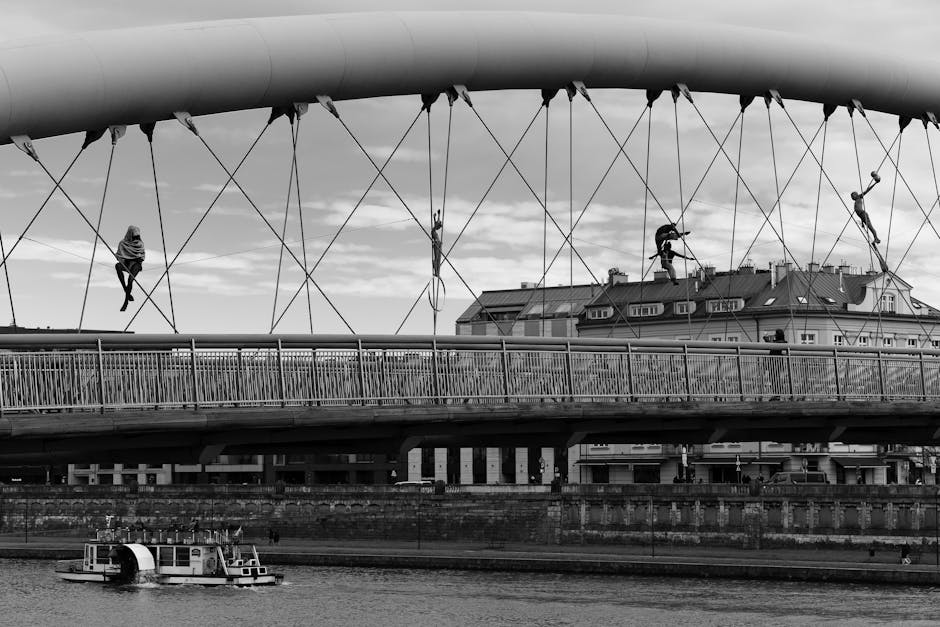
Discover Krakow’s creative soul in Zabłocie, exploring industrial heritage, contemporary art museums, and avant-garde architecture at your own pace.
 Moderate
Krakow, Poland
Discover Krakow’s stunning skyline and riverside charm on this self-guided audio walk through scenic viewpoints and historic mounds.
 Challenging
Paris, France
Explore the secret vineyards, legendary artist studios, and hidden squares of Paris's iconic hilltop on this self-guided bohemian walking route.
 Easy
EasyParis, France
Explore the evolution of Parisian design from Art Nouveau whimsy to Le Corbusier's Modernist masterpieces on this self-guided architectural walk.
 Easy
EasyParis, France
Explore the flavors and history of Bastille on this self-guided walk through the legendary Aligre Market and the scenic Coulée Verte.
 Easy
EasyParis, France
Discover aristocratic mansions, secret medieval courtyards, and royal history on this self-guided walk through the enchanting Marais district.
