Step into the 15th century and discover why Bruges was once the artistic heartbeat of Europe. This self-guided walk explores the legacy of the 'Flemish Primitives' and the intricate crafts that defined the city’s wealth and reputation. Beyond the postcard-perfect canals lies a history of immense creative innovation, from the revolutionary oil painting techniques of Jan van Eyck to the delicate art of bobbin lace-making that continues in the quiet corners of the St. Anna neighborhood today. Your walking route begins at the Groeninge Museum, an essential stop for anyone wishing to understand the Northern Renaissance. Here, the precision of 15th-century masters is on full display. As you explore independently, you will move from the grand halls of art to the spiritual and architectural heights of the Church of Our Lady, which houses a rare masterpiece by Michelangelo. The journey continues through the medicinal history of Saint John’s Hospital, where art was used as a form of healing, and into the sparkling history of the diamond trade. The second half of this neighborhood stroll leads you away from the busiest tourist paths toward the Adornes Domain and the Kantcentrum. In these tranquil spaces, you will see how private piety and traditional craftsmanship have been preserved for centuries. Whether you are a fan of fine art or curious about the rhythmic clicking of lace bobbins, this route offers a deep dive into the creative soul of Bruges. This walking tour Bruges provides the flexibility to linger over a painting or pause for a Belgian waffle whenever you choose, offering a comprehensive look at the city's cultural heritage without the rush of a traditional group itinerary.
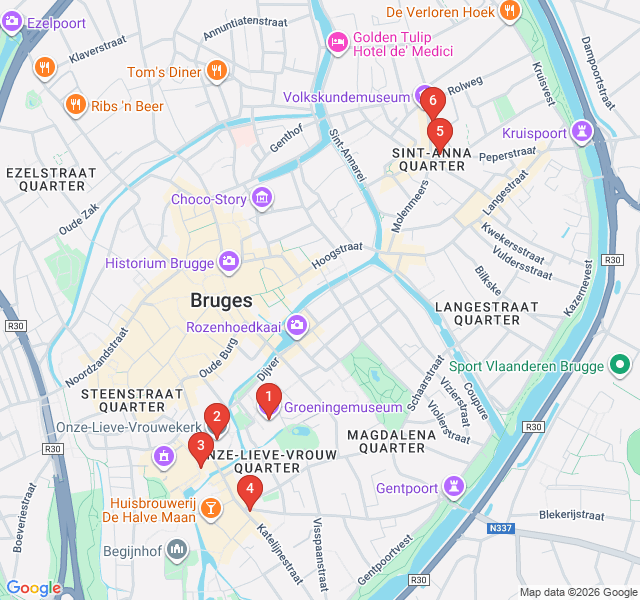
Numbers indicate the order of stops on the tour
Welcome to the Groeninge Museum, the ultimate gallery for Flemish art. As you stand among these centuries-old panels, look closely at the incredible detail—the textures of velvet, the reflection in a glass bead, and the realistic wrinkles on a donor's face. This was the 'New Realism' of the 1400s. Masters like Jan van Eyck and Hans Memling transformed painting here by using oil glazes to capture light in ways never seen before. This museum provides a chronological journey through Belgian art, but the heart of the collection remains these 'Flemish Primitives' who made Bruges the most prestigious art market in the medieval world.
The towering brick spire of the Church of Our Lady is a landmark you can see from almost anywhere in Bruges, but the real treasure is inside. This church is home to the 'Madonna of Bruges,' the only sculpture by Michelangelo to leave Italy during his lifetime. It was bought by a Bruges merchant family, the Mouscrons, and brought here in 1506. Beyond the famous marble statue, the church houses the ornate bronze tombs of Mary of Burgundy and Charles the Bold, representing the end of the powerful Burgundian era that fueled the city's artistic golden age.
Sint-Janshospitaal is one of the oldest preserved hospital buildings in Europe, dating back to the mid-12th century. Imagine the medieval pilgrims and sick citizens who sought refuge within these thick stone walls. The sisters and brothers who ran the hospital believed that beautiful art could heal the spirit, which is why they commissioned Hans Memling to create several masterpieces specifically for this space. Today, the hospital chapel serves as a museum where you can see the famous St. Ursula Shrine, a gilded wooden reliquary painted with miniature scenes that are marvels of detail and storytelling.
While Antwerp is famous for diamonds today, the trade actually began right here in Bruges. It was a local goldsmith, Lodewyk van Bercken, who is credited with inventing the 'scaif'—a polishing wheel infused with diamond dust and olive oil. This invention allowed diamonds to be cut with the facets we recognize today, unlocking their brilliance. Inside this museum, you can explore the history of the trade and the geological origins of these stones. If you time it right, you might even see a live demonstration of the traditional polishing techniques that have remained largely unchanged for centuries.
As you move into the quieter St. Anna district, you encounter the Adornes Domain. This is a rare example of a private medieval estate still owned by the same family after 600 years. The centerpiece is the Jerusalem Chapel, inspired by the Church of the Holy Sepulchre in Jerusalem after the Adornes family made a pilgrimage there. It is a hauntingly beautiful, gothic space filled with family heraldry and a macabre tomb. The domain offers a glimpse into the life of the 15th-century elite, who were not just merchants, but diplomats and patrons of the arts who shaped the city's destiny.
Bruges and lace are inseparable. In the 18th and 19th centuries, lace-making was a vital industry that kept many families from poverty. At the Kantcentrum, or Lace Centre, located in the old lace school of the Sisters of the Immaculate Conception, you can witness this heritage firsthand. The sound you hear—the rapid, rhythmic clicking of wooden bobbins—is the sound of history being preserved. Skilled lace-makers still gather here to create intricate patterns that can take weeks to complete just a few inches. It is a testament to the patience and artistry that continues to define the Bruges 'artisan' spirit.
Download Zigway to experience "The Artisans of Bruges: Flemish Primitives and Fine Lace" with AI-powered audio narration. Walk at your own pace while stories unfold around you.
 Easy
EasyBruges, Belgium
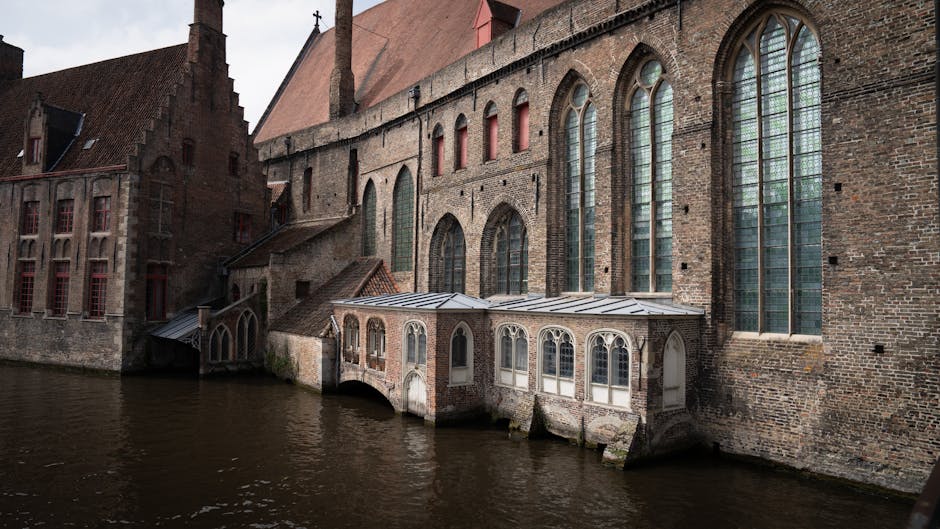
Discover the most iconic canal views in Bruges on this scenic self-guided audio walk through the historic "Venice of the North".
 Easy
EasyBruges, Belgium
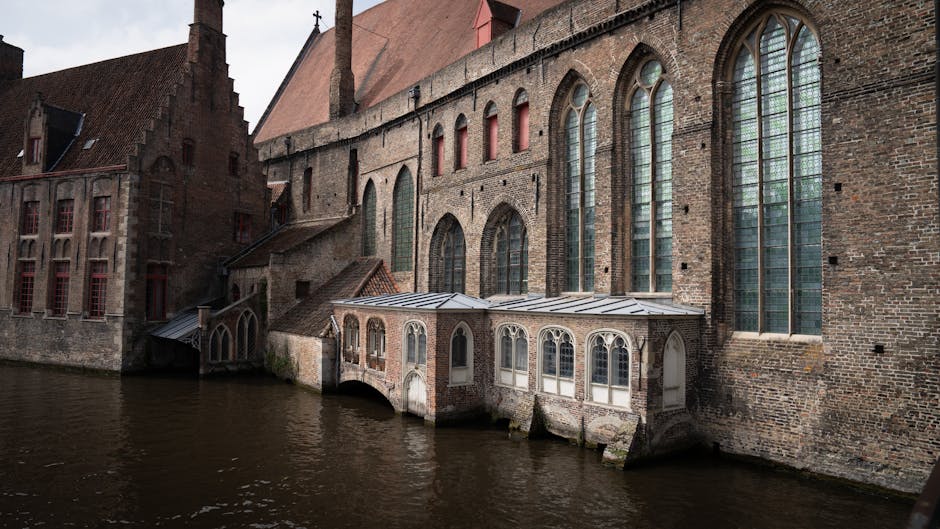
Discover the tranquil almshouses and hidden courtyards of Bruges on this peaceful self-guided audio walk through the historic St. Anna district.
 Easy
EasyBruges, Belgium
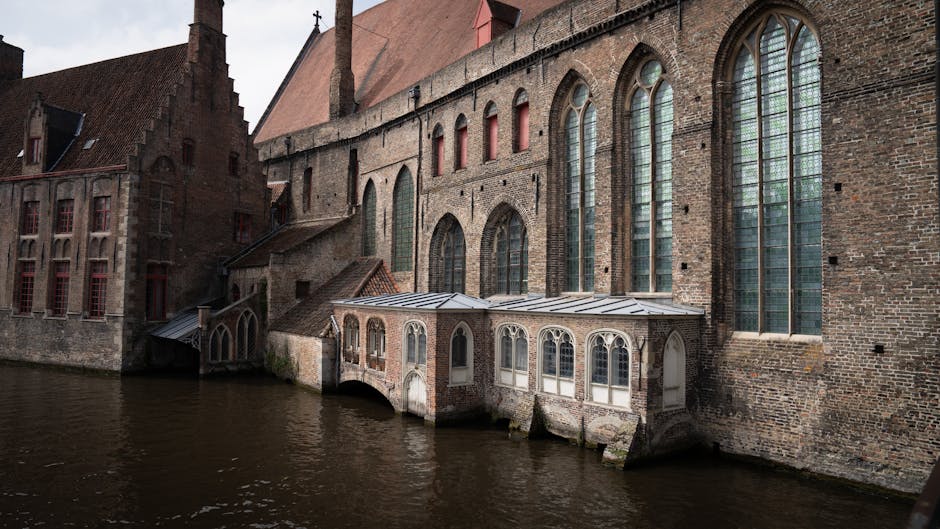
Discover the artisanal secrets of Bruges' world-class chocolatiers on this delicious self-guided walking route through the medieval center.
 Moderate
Bruges, Belgium
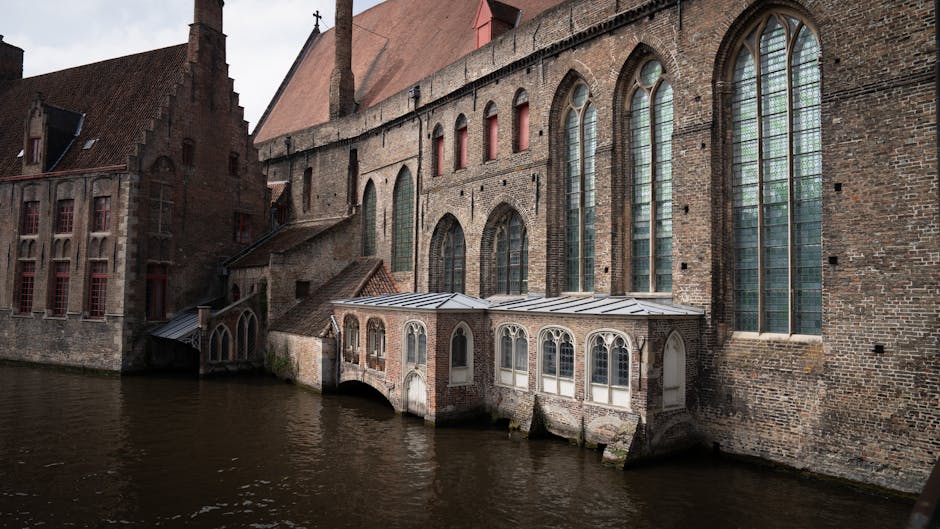
Discover the medieval gates and historic windmills of Bruges on this peaceful self-guided walk along the city's lush green ramparts.
 Moderate
Gdansk, Poland
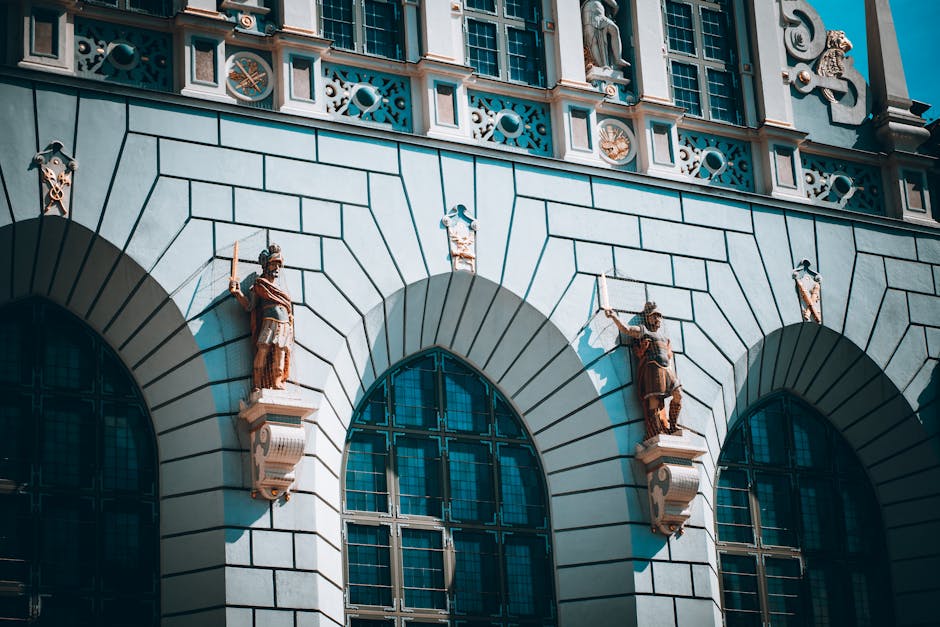
Discover the origins of WWII in Gdansk on this self-guided walk through heroic last stands, massive museums, and strategic hilltop fortifications.
 Moderate
Warsaw, Poland
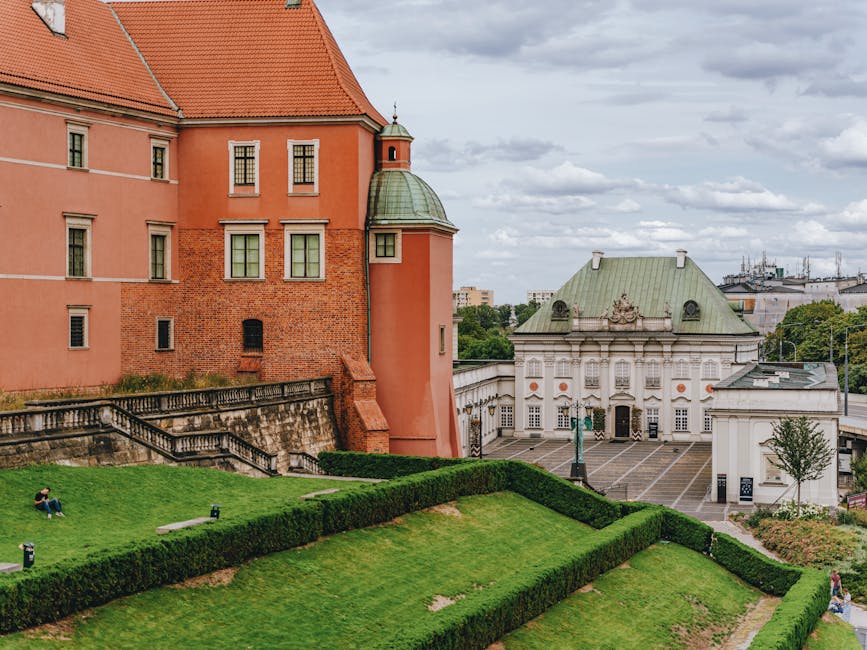
A powerful self-guided walk through Warsaw's WWII history, tracking the 1944 Uprising from ruined skyscrapers to solemn memorials.
 Moderate
Vienna, Austria
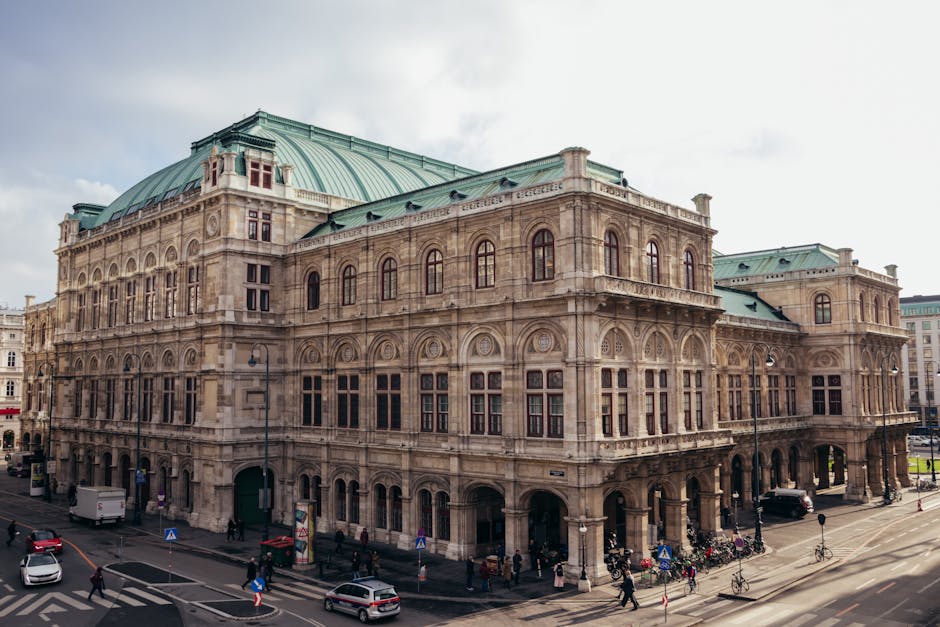
Discover the noir world of The Third Man and Cold War Vienna on this atmospheric self-guided audio walk through the historic Innere Stadt.
 Easy
EasyKrakow, Poland
Explore the historic heart of Kazimierz on this self-guided walk through synagogues, ancient cemeteries, and vibrant squares.
 Easy
EasyBrussels, Belgium
Discover the colorful world of Belgian comics on this independent walking route through the creative streets and murals of central Brussels.
 Moderate
Brussels, Belgium
Explore the majestic Royal Quarter, from Art Nouveau gems to the King's Palace and the iconic views of Mont des Arts on this self-guided walk.
 Moderate
Brussels, Belgium
Explore Brussels' industrial heart and artistic rebirth on this self-guided walk through Molenbeek and the Canal district's iconic landmarks.
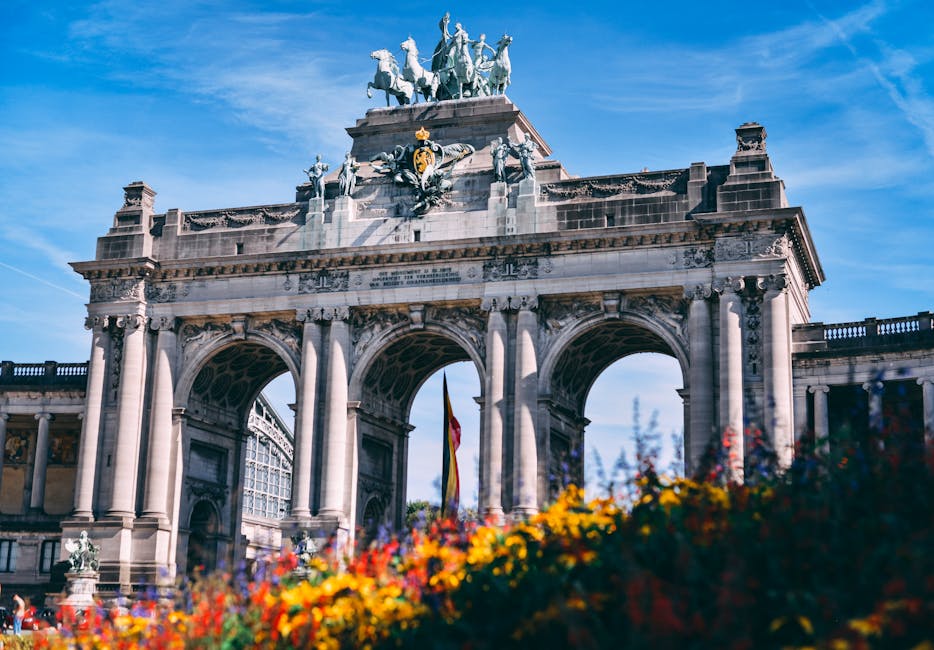 Moderate
Brussels, Belgium
Discover Brussels' Art Nouveau masterpieces at your own pace, from Victor Horta's UNESCO sites to the flamboyant Maison Saint-Cyr.
