Step into the heart of Utrecht and discover a canal system unlike any other in the world. This self-guided walk along the Oudegracht, or Old Canal, reveals the city's unique medieval engineering: the wharf cellars. While other cities built their houses directly at street level, Utrecht’s residents created a split-level system, with storage cellars at the water's edge and living quarters above. This neighborhood stroll takes you through the bustling historic center, where these ancient warehouses have been transformed into vibrant cafes, boutiques, and private homes. You will begin at the lively Ganzenmarkt, once a hub for local commerce, before encountering the grand architecture of the Winkel van Sinkel. As you follow the water, the route highlights the 'Stadskasteel' or city castles—fortified medieval residences that showcase the wealth of Utrecht’s Golden Age. The Oudegracht has served as the city's main artery for over eight centuries, and this walking route allows you to experience that history at your own pace. You will cross historic bridges like the Bezembrug and Maartensbrug, each offering a distinct vantage point of the Dom Tower soaring above the skyline. Whether you are interested in the Gothic details of the architecture or the stories of the merchants who once hauled goods from the water into the deep cellars, this audio walk provides a comprehensive look at what makes Utrecht so special. It is a perfect introduction for those who want to explore independently, away from the constraints of a traditional walking tour Utrecht. By the time you reach the Smeebrug, you will have a deep appreciation for how this city has balanced its medieval heritage with a modern, energetic atmosphere.
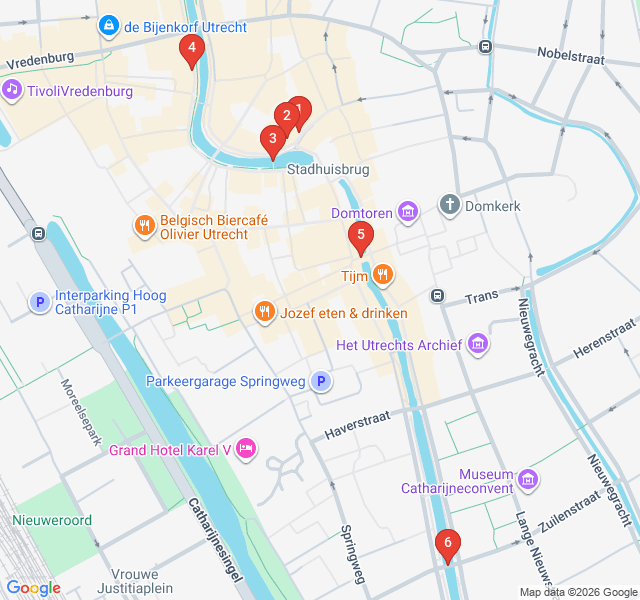
Numbers indicate the order of stops on the tour
Start your journey at the Ganzenmarkt, or Goose Market. In the Middle Ages, this square was a bustling center for trade, specifically for livestock. Look for the tunnel leading down to the water; this is one of the many entrances to the wharf level. Notice the 'Goose-foot' patterns in the paving, a nod to the market's history. This spot provides an excellent first look at the height difference between the street level and the canal wharves, a characteristic that defines Utrecht's city center. It’s the perfect place to begin understanding how the city managed its water and commerce simultaneously.
Standing before you is the Winkel van Sinkel, a building that represents a major milestone in Dutch retail history. Opened in 1839, it was the first modern department store in the Netherlands. Its most striking features are the four massive cast-iron statues, known as caryatids, which act as columns. Local legend says that during their delivery, one of the statues was dropped into the canal, earning them the nickname 'The Fallen Women.' The building’s neoclassical grandeur stands in stark contrast to the medieval brickwork found elsewhere along the Oudegracht, illustrating the city's growth in the 19th century.
The Bezembrug, or Broom Bridge, offers one of the most classic views of the Oudegracht. In the 16th century, this area was the site of the broom market. From the bridge, look down at the wharf cellars. These were originally used as warehouses where goods like wine, grain, and cloth were unloaded directly from boats. Because Utrecht’s water level is significantly lower than the street level, these cellars could be dug deep into the banks. Today, they house everything from tapas bars to design studios, showing a brilliant example of adaptive reuse in an urban environment.
Towering above the canal is Stadskasteel Oudaen. While it looks like a castle, it was actually a fortified house built for a wealthy family around 1276. In medieval Utrecht, building with stone was a sign of immense power and wealth. Oudaen has survived centuries of change, serving as a residence, a home for the elderly, and now a brewery and restaurant. Its thick walls and defensive windows remind us that the Oudegracht wasn't just for trade—it was the heart of the city's social and political hierarchy. It remains one of the best-preserved examples of a medieval 'city castle' in Europe.
Maartensbrug is the oldest bridge site in the city, connecting the canal to the Dom Square. If you look up, you’ll see the Dom Tower, the tallest church tower in the Netherlands. The bridge is named after Saint Martin, the patron saint of Utrecht. This is a prime spot for photography, as the curve of the canal, the historic wharfs, and the towering church spire all come together in one frame. Imagine the countless processions and merchants that have crossed this point over the last 800 years. It is the spiritual and historical crossroads of Utrecht.
Your walk concludes at the Smeebrug, or Blacksmiths' Bridge. This bridge marks the entrance to the quieter, southern part of the old city. The name comes from the blacksmiths who once worked in this neighborhood, as their workshops were kept away from the very center to prevent fire hazards. From here, the canal continues towards the Museum Quarter. The atmosphere here is often more local and peaceful compared to the busy shopping district. It's a great place to reflect on the layers of history you've just walked through, from medieval fortifications to 19th-century commerce.
Download Zigway to experience "Wharf Cellars and Waterways of the Oudegracht" with AI-powered audio narration. Walk at your own pace while stories unfold around you.
 Easy
EasyUtrecht, Netherlands
Explore Utrecht's 2,000-year history from Roman fortresses to medieval cathedrals on this self-guided audio walk through the city center.
 Easy
EasyUtrecht, Netherlands
Explore Utrecht's industrial evolution on this self-guided walk from the medieval Dom Tower to the creative warehouses and design hubs of Rotsoord.
 Easy
EasyUtrecht, Netherlands
Explore Utrecht’s liquid history on this self-guided walk from historic canal-side cafes to modern craft breweries.
 Easy
EasyUtrecht, Netherlands
Discover the dramatic world of the Utrecht Caravaggisti on this self-guided walk through the historic Museumkwartier and its artistic landmarks.
 Easy
EasyNairobi, Kenya
Discover Nairobi's iconic skyline on this self-guided architecture walk through the CBD’s most famous modernist and Brutalist landmarks.
 Easy
EasyKrakow, Poland
Explore the historic heart of Kazimierz on this self-guided walk through synagogues, ancient cemeteries, and vibrant squares.
 Easy
EasyGdansk, Poland
Discover the 'Baltic Gold' on this self-guided walk through Gdansk's historic mills, massive cathedrals, and the magical Mariacka Street.
 Easy
EasyWarsaw, Poland
Discover the hidden courtyards and grand pre-war architecture of Warsaw's most atmospheric neighborhood on this self-guided stroll.
 Easy
EasyAmsterdam, Netherlands
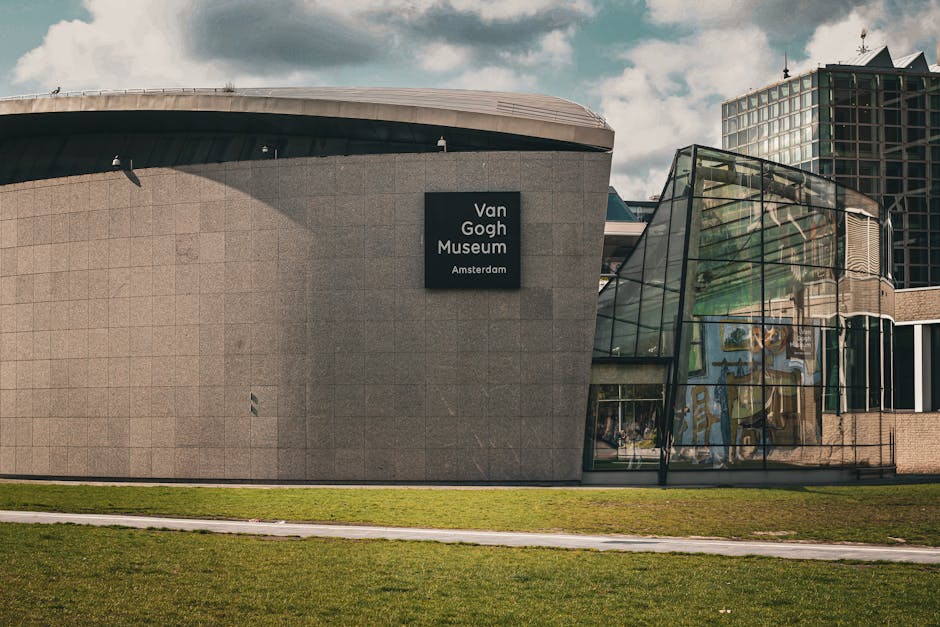
Discover Amsterdam's cultural heart on this self-guided walk from the iconic Museumplein to the serene blooming gardens of Vondelpark.
 Easy
EasyAmsterdam, Netherlands
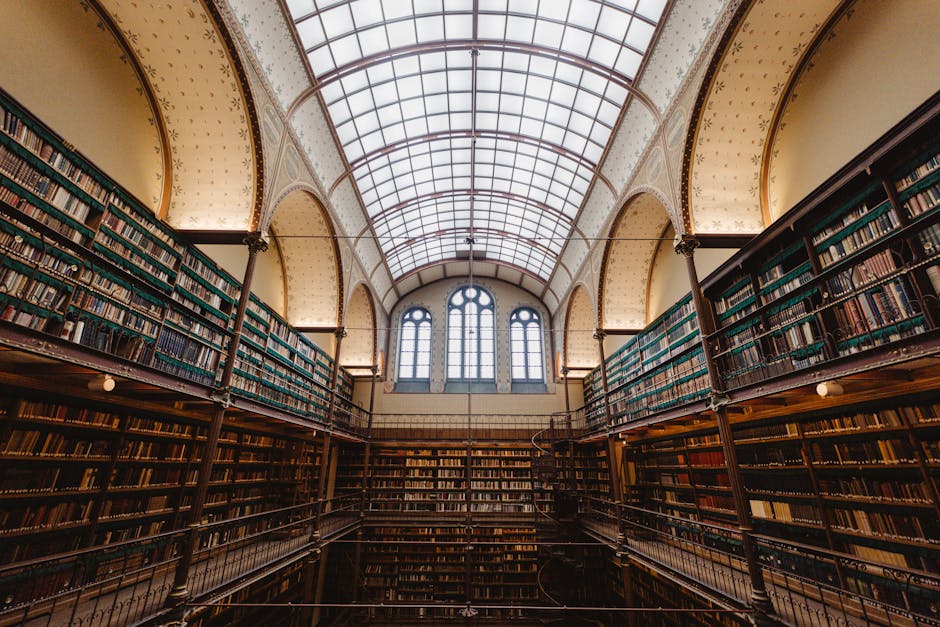
Discover Amsterdam's literary heart on this self-guided walk through historic bookshops, writers' haunts, and the homes of revolutionary thinkers.
 Easy
EasyAmsterdam, Netherlands
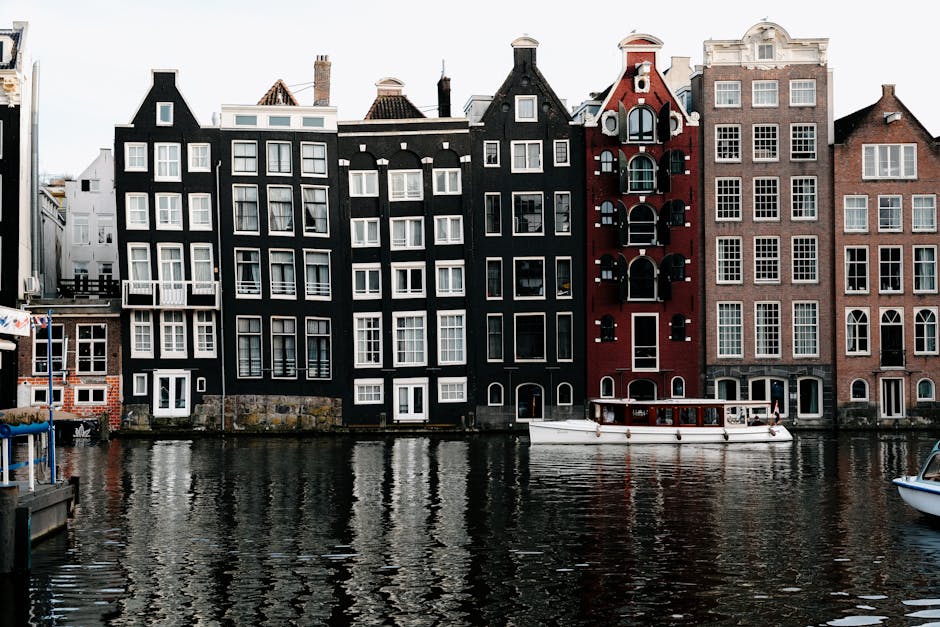
Capture the magic of Amsterdam with this self-guided photography walk across the iconic bridges and scenic banks of the Amstel River.
 Easy
EasyAmsterdam, Netherlands
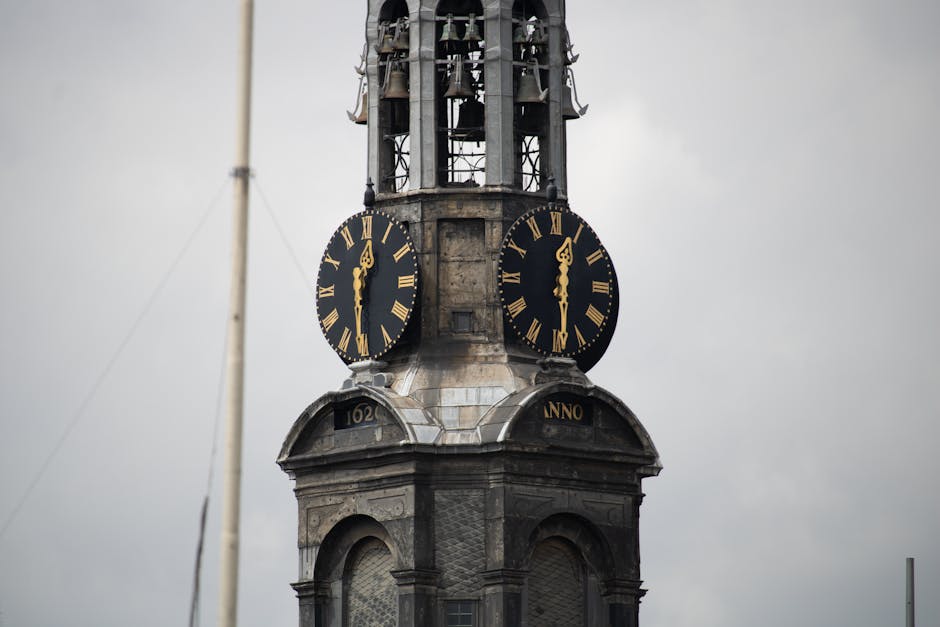
Discover the opulent 17th-century mansions and rich history of Amsterdam's famous Canal Belt on this self-guided architectural walking route.
