Step into the 17th century and wander through the cobblestone streets of Madrid’s most intellectual enclave, the Barrio de las Letras. This self-guided walk invites you to explore the 'Literary Quarter,' a neighborhood that once served as the creative heartbeat of the Spanish Golden Age. Here, the narrow alleys whispered the verses of legendary rivals like Miguel de Cervantes and Lope de Vega, whose legacies still haunt these historic corners. Your neighborhood stroll begins in the lively Plaza de Santa Ana, a space dedicated to the performing arts for centuries, before leading you past the oldest theaters in the city. As you explore independently, you will discover the modest sites where the author of 'Don Quixote' lived and died, contrasting sharply with the more opulent residence of his contemporary, the prolific playwright Lope de Vega. This walking route is not just about the buildings; it is about the stories etched into the very pavement. Along the Calle de las Huertas, you will literally walk over the words of Spain’s greatest writers, with famous literary quotes inscribed in gold lettering beneath your feet. The journey concludes at the solemn Convento de las Trinitarias Descalzas, a site of immense historical significance where the remains of Cervantes were finally identified centuries after his death. This audio walk provides the perfect balance of history, architecture, and atmosphere, allowing you to soak in the bohemian spirit of Madrid at your own pace. Whether you are a history buff or a casual traveler, this walking tour Madrid experience offers a deep dive into the soul of Spanish culture without the constraints of a rigid schedule.
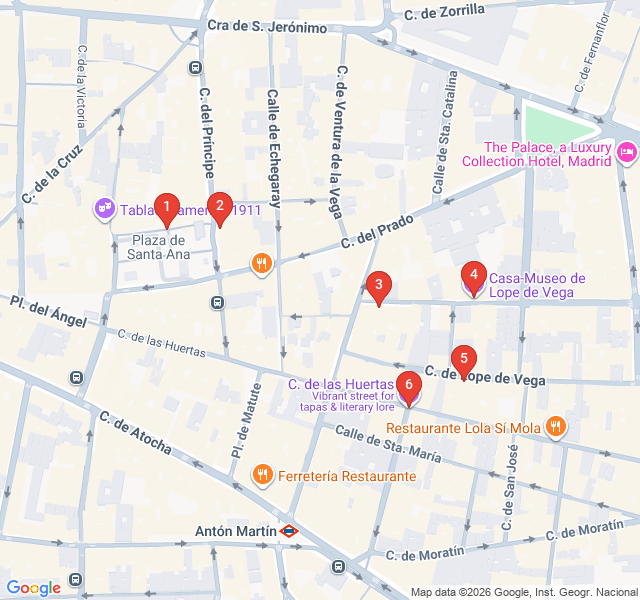
Numbers indicate the order of stops on the tour
Welcome to Plaza de Santa Ana, the vibrant heart of the Barrio de las Letras. For over four hundred years, this square has been the center of Madrid’s theatrical life. Look around and you will see two prominent statues: one of the playwright Pedro Calderón de la Barca, and the other of the poet Federico García Lorca, holding a bird. This plaza was once the site of a convent, but today it is known for its lively terraces and historic cafes. It serves as the perfect introduction to our literary journey, where the world of the stage and the world of the street have always been inextricably linked.
Standing before you is the Teatro Español, one of the oldest theaters in the world with continuous performances. It sits on the site of the former 'Corral del Príncipe,' a 16th-century open-air courtyard where the plays of the Spanish Golden Age were first staged. Even if the current neoclassical facade dates to later renovations, the spirit of the space remains unchanged. Great dramatists like Lope de Vega and Tirso de Molina saw their works come to life here, often amidst rowdy crowds. Notice the names of famous Spanish playwrights engraved along the top of the building, honoring the giants of the stage.
At the corner of Calle de Cervantes and Calle de León, you stand before the site where Miguel de Cervantes lived and ultimately died in 1616. Although the original building was demolished and rebuilt in the 19th century, a plaque marks the spot where the creator of 'Don Quixote' spent his final days. It is a place of quiet reflection; despite his global fame today, Cervantes lived much of his life in financial struggle. It is a historical irony that his house is located on a street named after his great rival, Lope de Vega, while Lope’s house is on the street named after Cervantes.
This well-preserved 17th-century house was the home of Felix Lope de Vega, the 'Phoenix of Wits.' Unlike Cervantes, Lope was a superstar of his time, incredibly prolific and successful. He lived here for the last 25 years of his life, writing many of his most famous plays within these walls. The house has been restored to reflect the domestic life of the period, complete with a small garden where Lope used to walk and tend to his plants. It offers a rare, intimate look at the daily environment of a Golden Age genius, tucked away from the busy Madrid streets.
This red-brick convent is a site of immense pilgrimage for literature lovers. It was the Trinitarian order that helped pay the ransom to free Cervantes from captivity in Algiers, and in gratitude, he requested to be buried here. For centuries, the exact location of his grave was a mystery. However, in 2015, a team of archaeologists and scientists identified his remains in a crypt beneath the floor. While the convent is still home to a community of cloistered nuns, the exterior stands as a solemn monument to the man who gave the world the first modern novel.
Our walk concludes on Calle de las Huertas, the main artery of the neighborhood. As you stroll down this pedestrian street, look down at your feet. You will see famous verses and prose from Spanish literature's greatest authors etched into the pavement in brass lettering. This street perfectly encapsulates the Barrio de las Letras: a blend of profound history and modern vitality. It is lined with traditional jazz clubs, old-fashioned pharmacies, and tapas bars. It’s the ideal place to end your self-guided adventure with a glass of wine and a book, just as the writers of the Golden Age might have done.
Download Zigway to experience "Literary Ghosts of the Barrio de las Letras" with AI-powered audio narration. Walk at your own pace while stories unfold around you.
 Easy
EasyMadrid, Spain
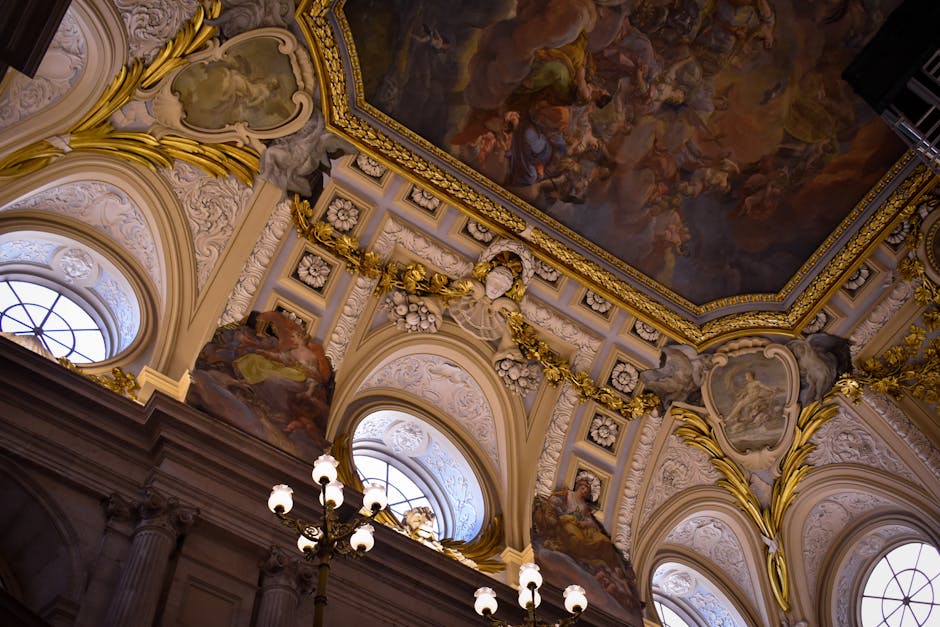
Explore Madrid's 'Landscape of Light' on this self-guided walk through the world-renowned Golden Triangle of Art, from Cibeles to the Reina Sofía.
 Moderate
Madrid, Spain
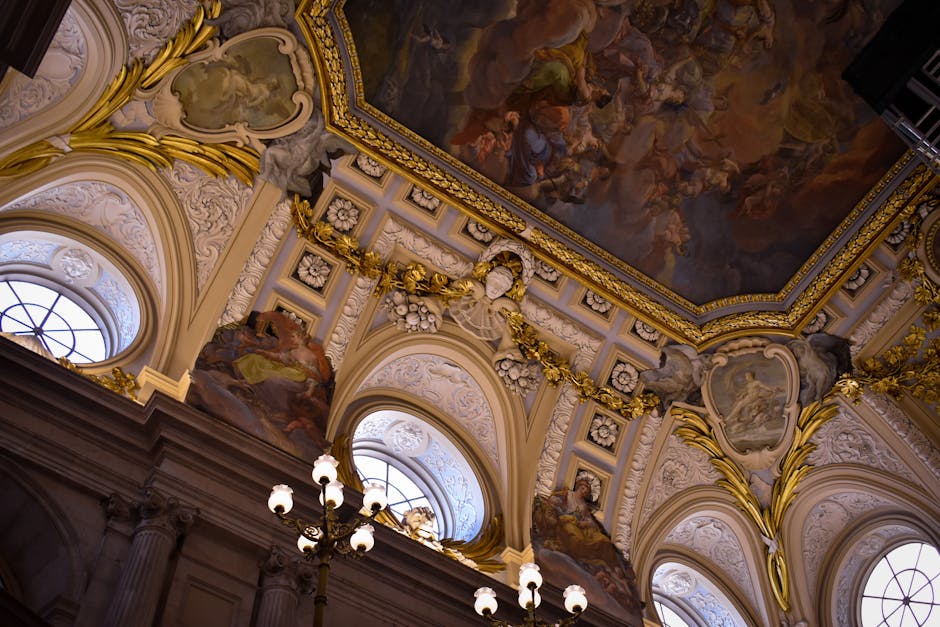
Explore Madrid's most diverse neighborhood on this self-guided walk through street art, historic markets, and multicultural squares.
 Easy
EasyMadrid, Spain
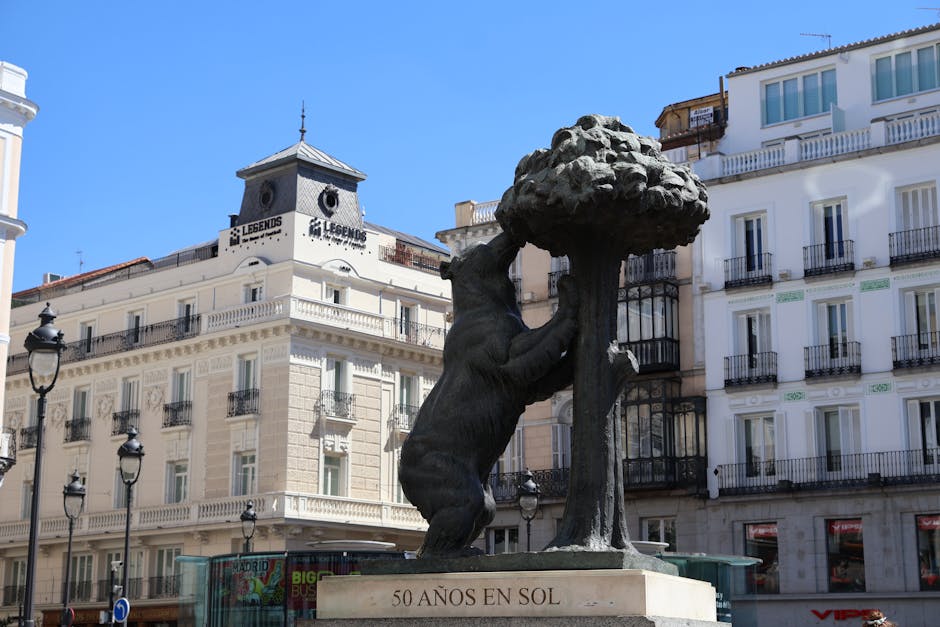
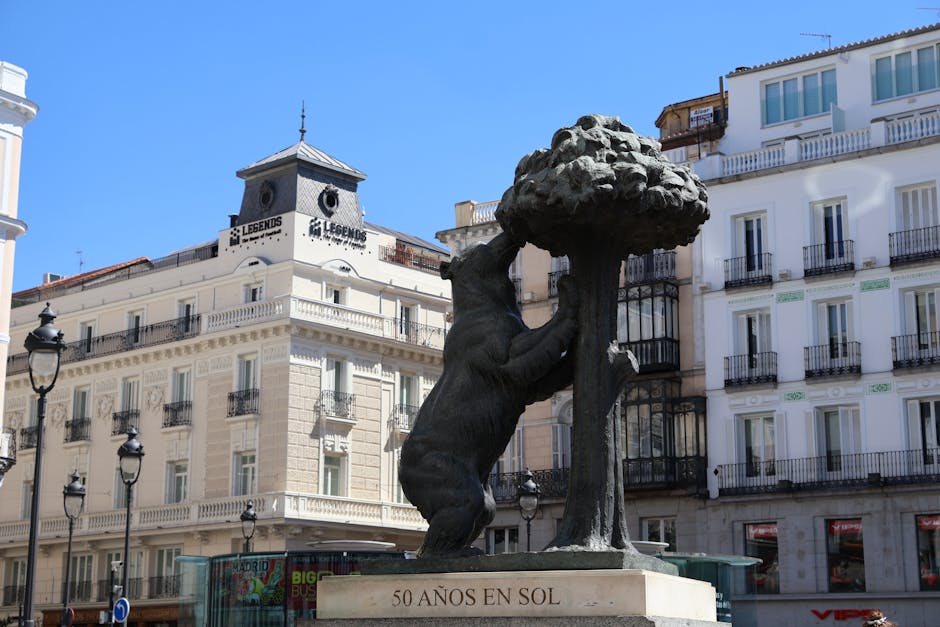
Explore the royal legacy and medieval alleys of Madrid's historic Habsburg district on this immersive self-guided walk through the city's heart.
 Easy
EasyMadrid, Spain
Discover the rebellious spirit of Malasaña on this self-guided walk through Madrid's best street art, historic squares, and counter-culture hubs.
 Easy
EasyKrakow, Poland
Explore the prestigious Jagiellonian University district, featuring Neo-Gothic architecture, Baroque churches, and Krakow's hidden scholarly gems.
 Easy
EasyWarsaw, Poland
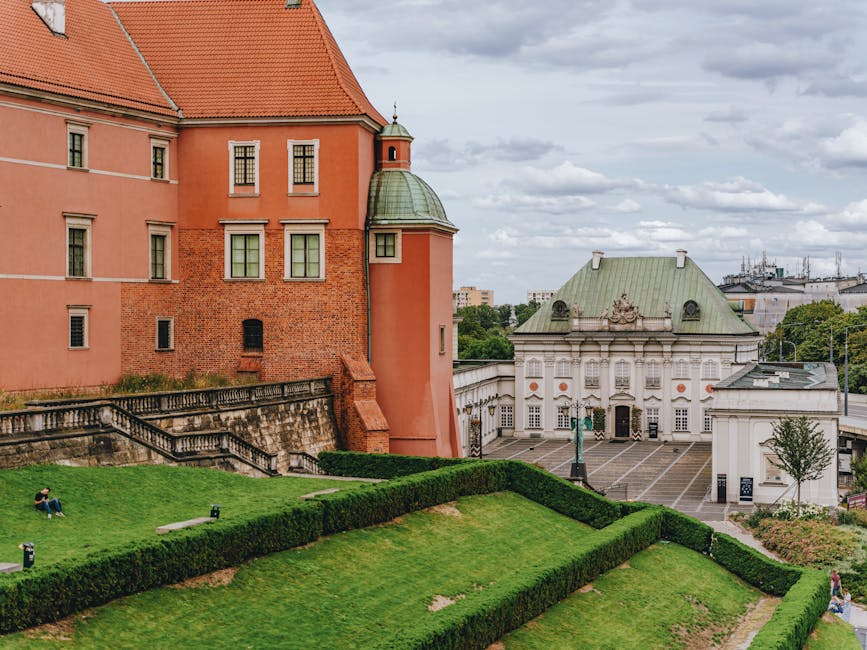
Follow the life of Fryderyk Chopin through Warsaw’s historic center. See where he lived, studied, and where his heart remains today.
 Easy
EasyGothenburg, Sweden
Discover Gothenburg’s 17th-century Dutch foundations, historic canals, and military fortifications on this self-guided architectural walk.
 Easy
EasyNairobi, Kenya
Discover Nairobi’s literary soul on this self-guided walk through historic libraries, iconic bookshops, and cultural centers in the heart of the CBD.
 Moderate
Barcelona, Spain
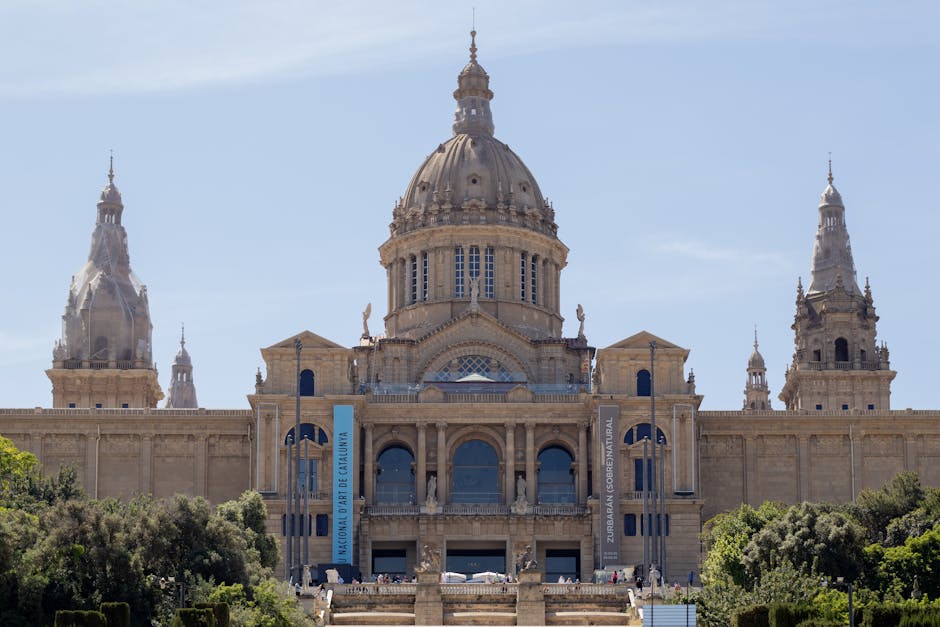
Explore the elegant 'village' of Sarrià, where Gothic monasteries and Gaudí's hidden gems meet charming local markets and narrow streets.
 Moderate
Barcelona, Spain
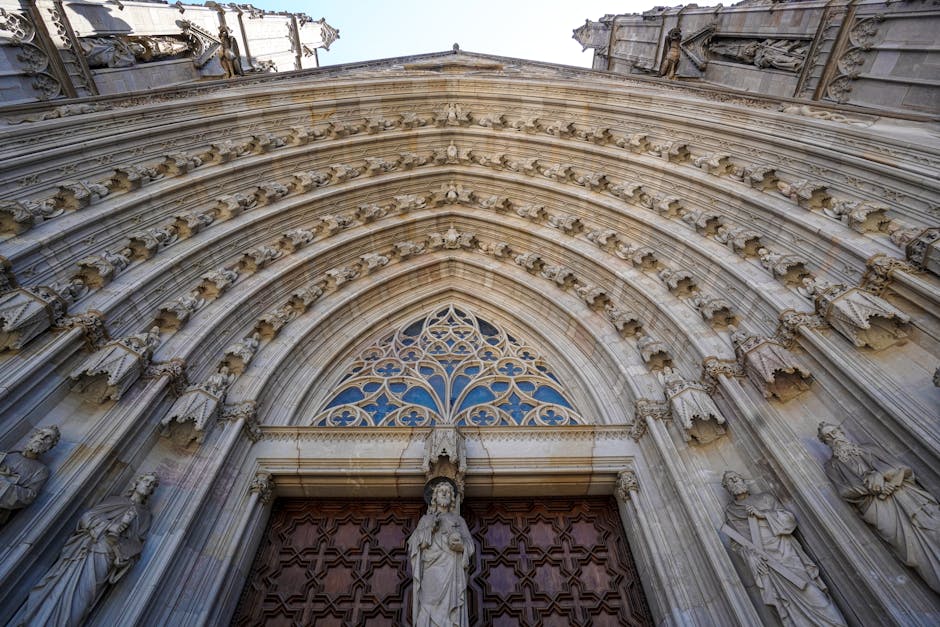
Discover the revolutionary history and haunting scars of the Spanish Civil War on this self-guided walk through Barcelona's historic streets.
 Easy
EasyBarcelona, Spain
Discover the architectural wonders of Barcelona's Golden Square on this self-guided stroll through Eixample's most luxurious Modernista streets.
 Challenging
Barcelona, Spain
Explore Montjuïc’s lush gardens, historic fortress, and iconic Olympic venues on this scenic self-guided walk with panoramic Mediterranean views.
