Step into the 'Madrid de los Austrias,' the historic heart of Spain’s capital where the legacy of the Habsburg dynasty remains etched into every stone. This self-guided walk invites you to step back into the 16th and 17th centuries, a time when Madrid transformed from a modest town into the seat of a global empire. As you navigate the winding cobblestone streets and expansive squares, you will discover how architectural ambition and royal decree shaped the city’s identity. The route begins in the iconic Plaza Mayor, once the stage for bullfights, trials of the Inquisition, and royal proclamations, before leading you through narrow alleys that reveal the city's medieval roots. What makes this neighborhood stroll unique is the layer-by-layer reveal of Madrid's history. You will encounter the iron-and-glass elegance of the Mercado de San Miguel and the austere beauty of the Plaza de la Villa, which houses some of the city's oldest civic buildings. This exploration is not just about the grand monuments; it is about the transition from the medieval 'Villa' to the majestic 'Corte.' Along the way, the architecture tells the story of the Habsburg kings, known for their somber, brick-heavy style, which eventually gave way to the more ornate influences seen near the Royal Palace. Whether you are a first-time visitor or a seasoned traveler, this walking route offers a flexible way to explore at your own pace. You will see the artistic evolution of the city at the Plaza de Oriente and conclude at the Almudena Cathedral, a building that took over a century to complete. By choosing this independent audio walk, you can linger at the viewpoints that interest you most and dive deep into the legends of the kings who built an empire. This walking tour Madrid provides a comprehensive look at the city's golden age without the constraints of a group schedule.
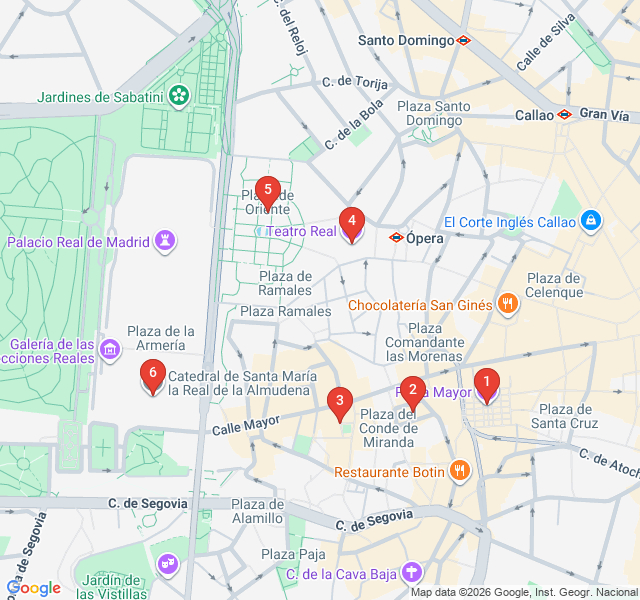
Numbers indicate the order of stops on the tour
Welcome to Plaza Mayor, the true heart of Habsburg Madrid. Built during the reign of Philip III, whose equestrian statue stands in the center, this square was once the center of all public life. Look up at the slate spires and the uniform red facades; this layout was designed by Juan de Herrera and later Juan de Villanueva after several devastating fires. For centuries, these balconies were prime seating for bullfights, royal weddings, and even the somber trials of the Spanish Inquisition. Today, it remains a bustling meeting point where the echoes of history meet the modern energy of the city.
Just a few steps from the grand plaza lies the Mercado de San Miguel. This is the last iron-structured market remaining in Madrid, originally completed in 1916. While it started as a local wholesale food market, it has evolved into a premier gastronomic destination. Notice the delicate glass and wrought-iron work, a style that was revolutionary at the turn of the 20th century. It stands on the site of a former church, and today it serves as a bridge between Madrid's traditional past and its modern culinary fame. It is the perfect spot to observe the local 'tapeo' culture.
Plaza de la Villa is one of the best-preserved medieval corners of Madrid. Around this small square, you can see three different centuries of architecture. The oldest is the Casa y Torre de los Lujanes, built in the 15th century in the Gothic-Mudéjar style—legend says the King of France was held prisoner here. Then there is the 16th-century Casa de Cisneros and the 17th-century Casa de la Villa, which served as the City Hall for centuries. This square represents the transition from the medieval village to the capital of a global empire, characterized by austere brick and stone work.
As we move toward the royal district, we encounter the Teatro Real, Madrid's premier opera house. Founded by King Ferdinand VII and finally opened in 1850 under Queen Isabel II, the building has a complex history, having served as a political meeting place and even a gunpowder store during the Civil War. Its hexagonal floor plan is a unique feature in European opera houses. The theater faces the Royal Palace, symbolizing the close link between the Spanish monarchy and the patronage of the arts. Its stage is one of the most technologically advanced in Europe today.
The Plaza de Oriente is a monumental garden square that offers one of the most beautiful views in the city. It was designed during the Napoleonic occupation by Joseph Bonaparte, who wanted to create an open space that would showcase the Royal Palace. The square is famous for its collection of twenty limestone statues of Spanish monarchs, originally intended to decorate the palace roof but found to be too heavy. In the center stands the magnificent equestrian statue of Philip IV; it was the first statue in the world to be cast with the horse rearing on its hind legs, a feat made possible by calculations from Galileo Galilei.
Our journey concludes at the Almudena Cathedral. Unlike many European cathedrals that took centuries to build in a single style, the Almudena was only completed in 1993. Because it faces the Royal Palace, its exterior was designed in a Neoclassical style to match the palace's facade, while the interior is Neo-Gothic. Step inside to see the vibrant, modern pop-art style stained glass and ceiling paintings, which provide a stark contrast to the historic churches you have seen elsewhere on this route. It is dedicated to the Virgin of Almudena, the patroness of Madrid, whose image was reportedly hidden in the city walls during the Moorish era.
Download Zigway to experience "Habsburg Kings and Hidden Alleys" with AI-powered audio narration. Walk at your own pace while stories unfold around you.
 Easy
EasyMadrid, Spain
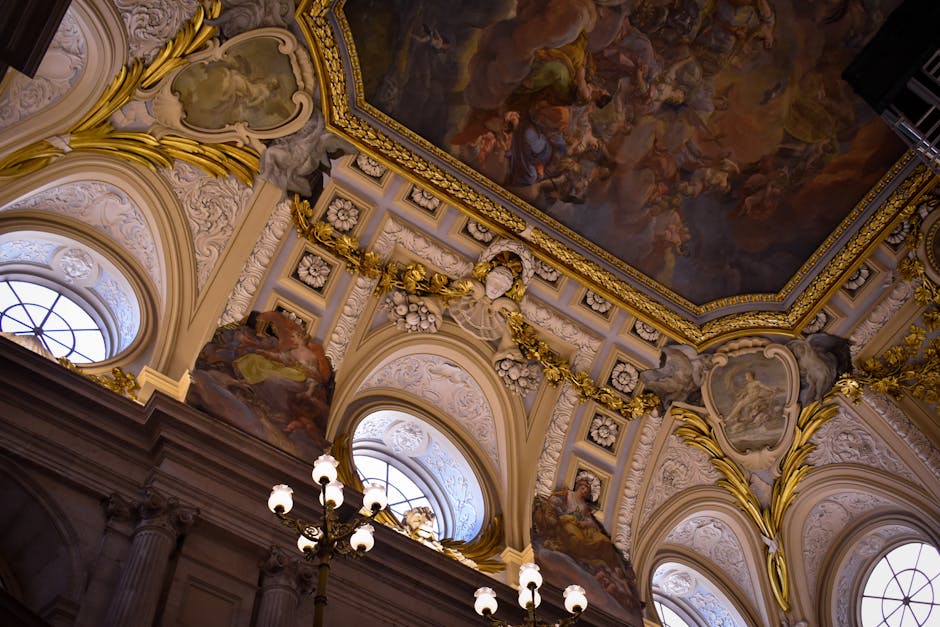
Explore Madrid's 'Landscape of Light' on this self-guided walk through the world-renowned Golden Triangle of Art, from Cibeles to the Reina Sofía.
 Moderate
Madrid, Spain
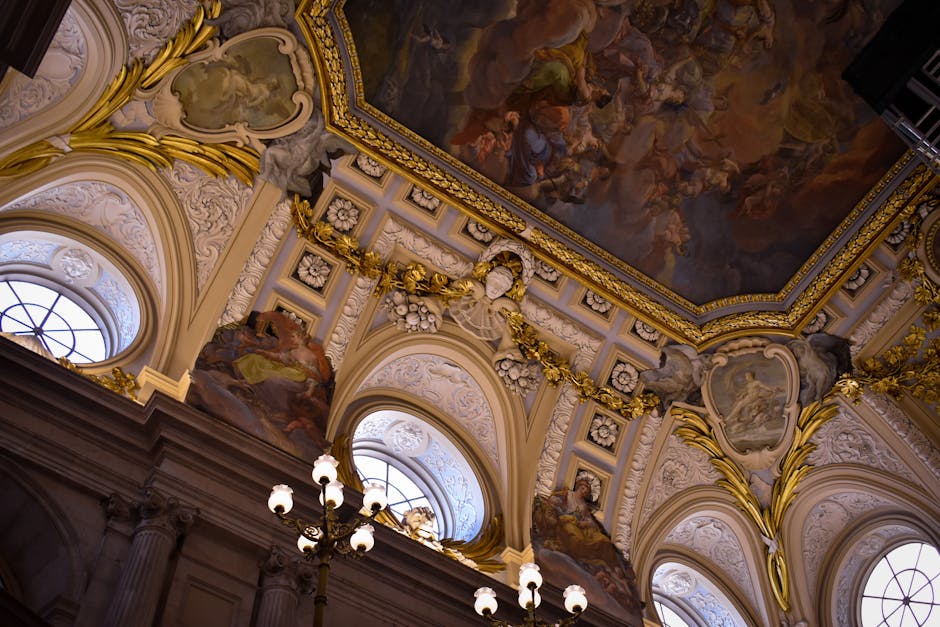
Explore Madrid's most diverse neighborhood on this self-guided walk through street art, historic markets, and multicultural squares.
 Easy
EasyMadrid, Spain
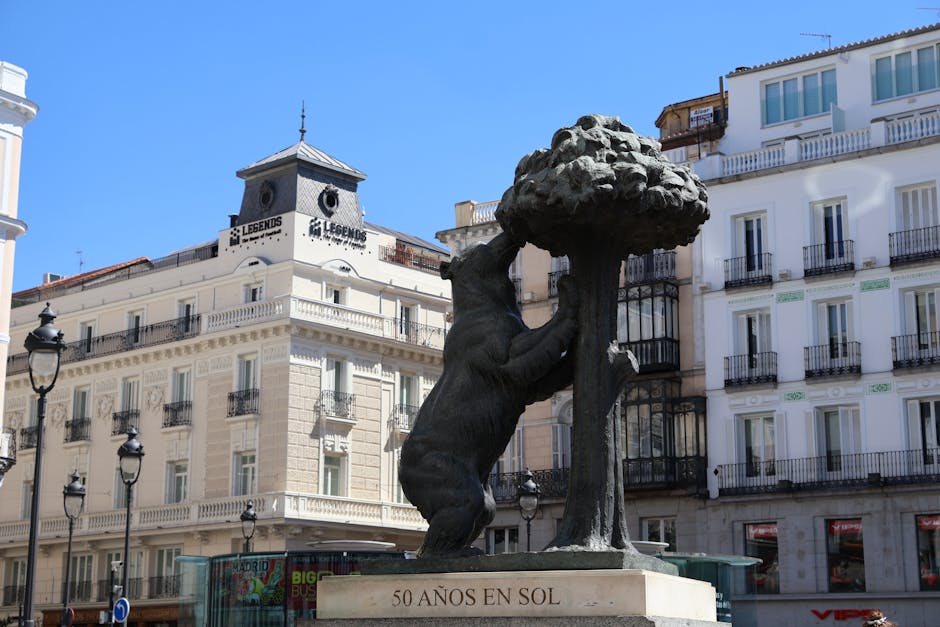
Discover the rebellious spirit of Malasaña on this self-guided walk through Madrid's best street art, historic squares, and counter-culture hubs.
 Moderate
Madrid, Spain
Discover the medieval soul and legendary tapas scene of Madrid's La Latina neighborhood at your own pace with this flavor-filled audio walk.
 Easy
EasyGdansk, Poland
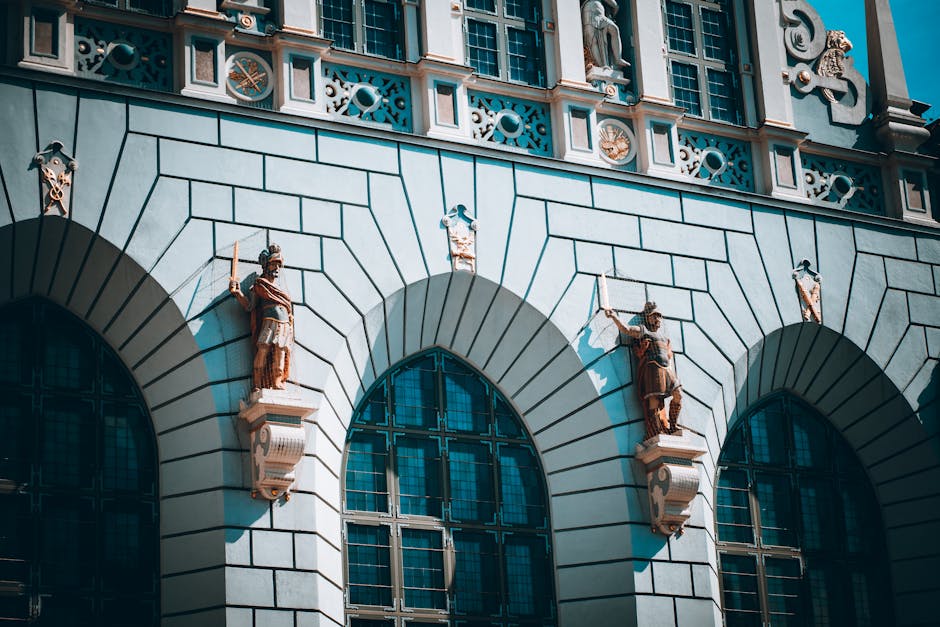
Discover the opulent Royal Way of Gdansk at your own pace. Explore Hanseatic history, gilded architecture, and the iconic Neptune's Fountain.
 Easy
EasySalzburg, Austria
Discover the 'Rome of the North' on this self-guided walk through the Baroque squares and monumental legacy of Salzburg’s Prince-Archbishops.
 Easy
EasyWarsaw, Poland
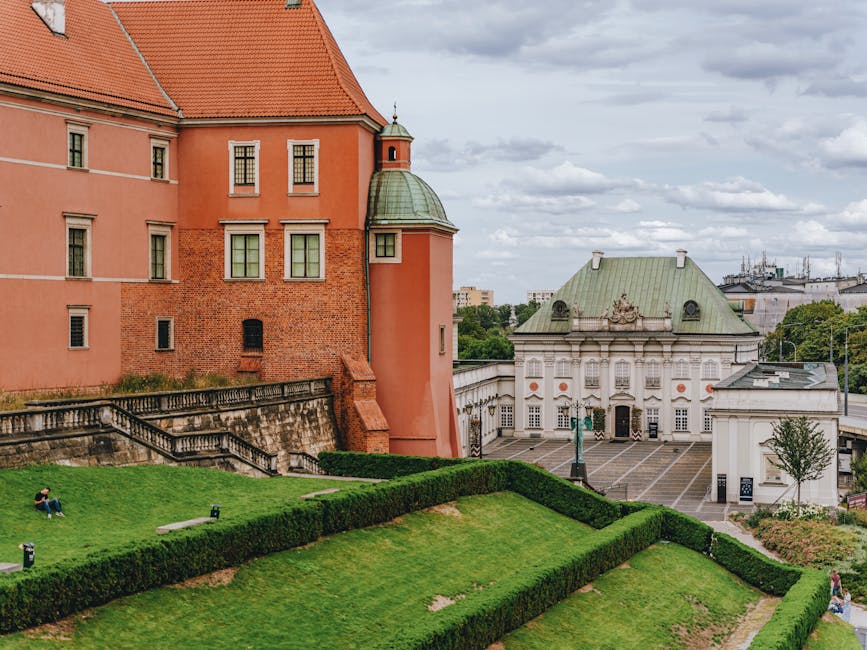
Explore the miracle of Warsaw's reconstructed Old Town on this self-guided walk through royal squares, medieval walls, and heroic monuments.
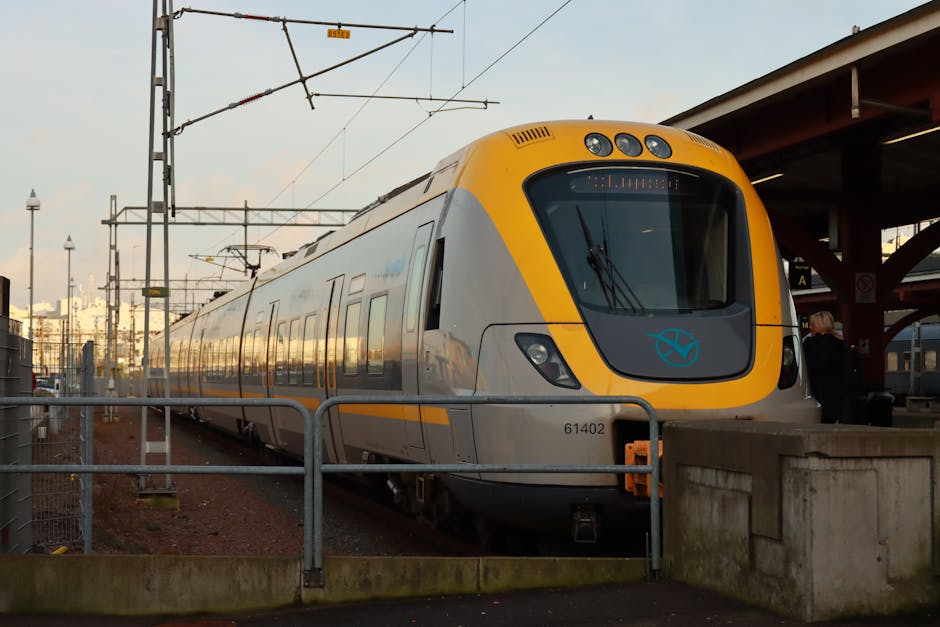 Easy
EasyGothenburg, Sweden
Discover Gothenburg’s 17th-century Dutch foundations, historic canals, and military fortifications on this self-guided architectural walk.
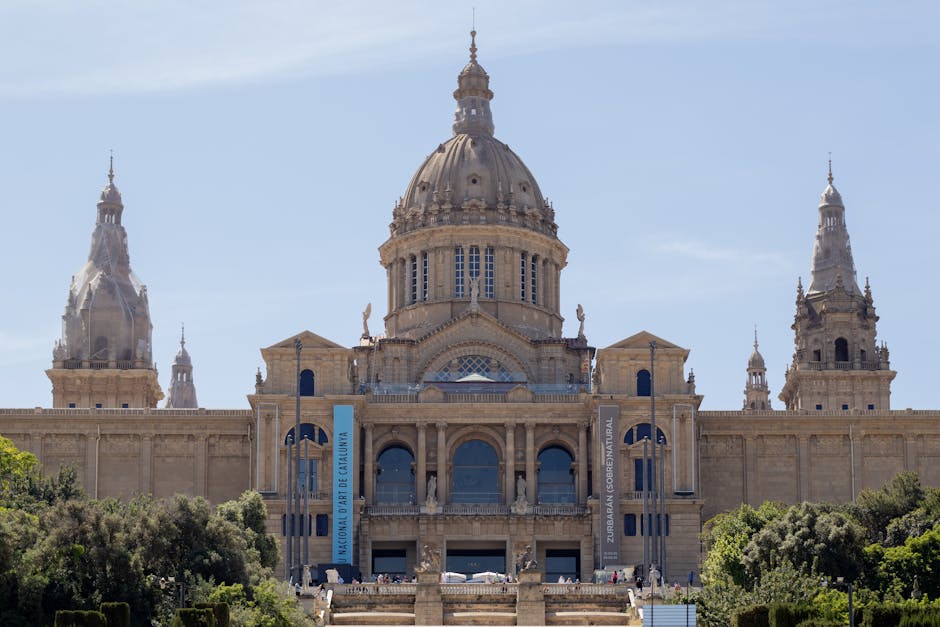 Moderate
Barcelona, Spain
Explore the elegant 'village' of Sarrià, where Gothic monasteries and Gaudí's hidden gems meet charming local markets and narrow streets.
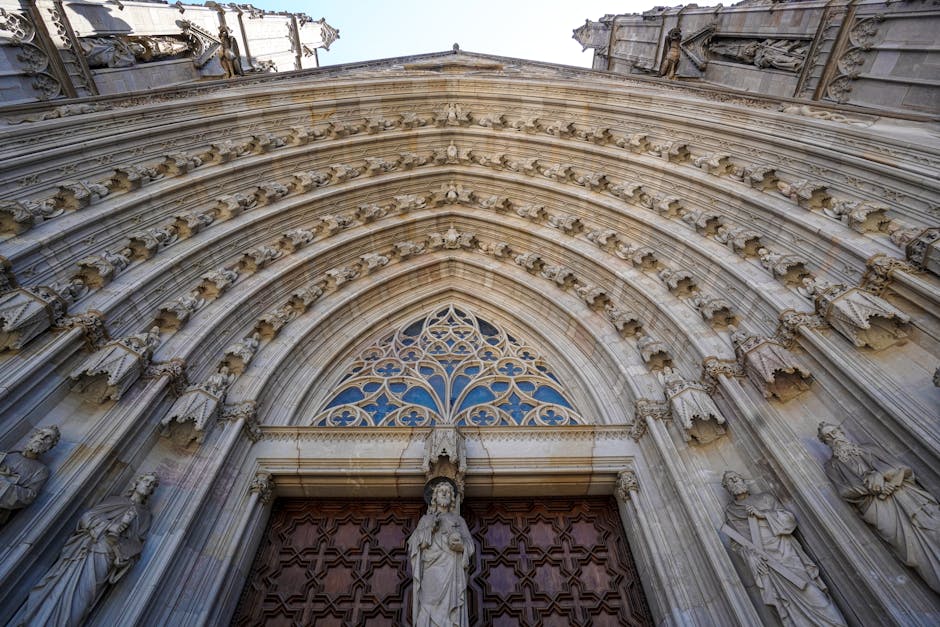 Moderate
Barcelona, Spain
Discover the revolutionary history and haunting scars of the Spanish Civil War on this self-guided walk through Barcelona's historic streets.
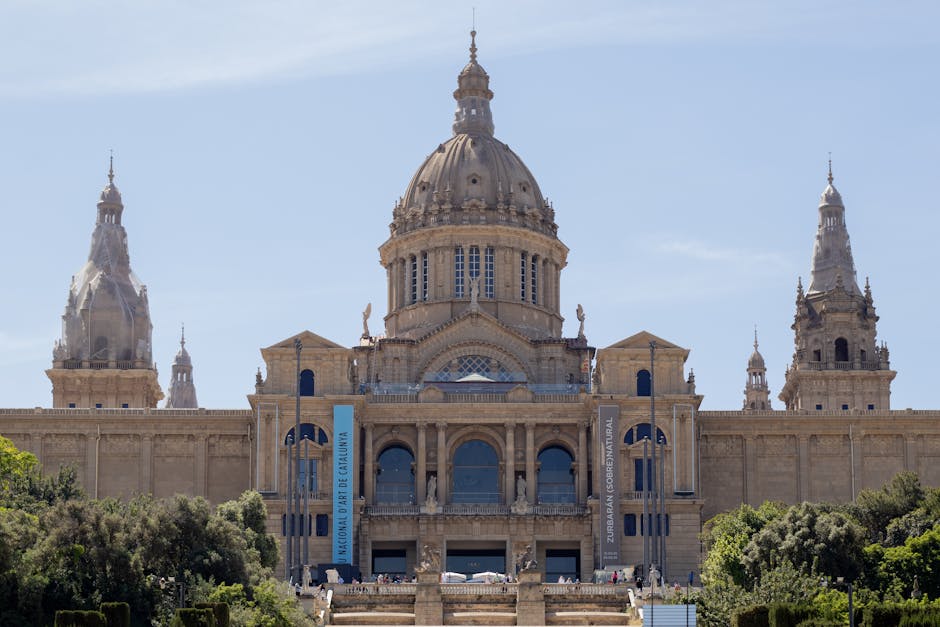 Easy
EasyBarcelona, Spain
Discover the architectural wonders of Barcelona's Golden Square on this self-guided stroll through Eixample's most luxurious Modernista streets.
 Challenging
Barcelona, Spain
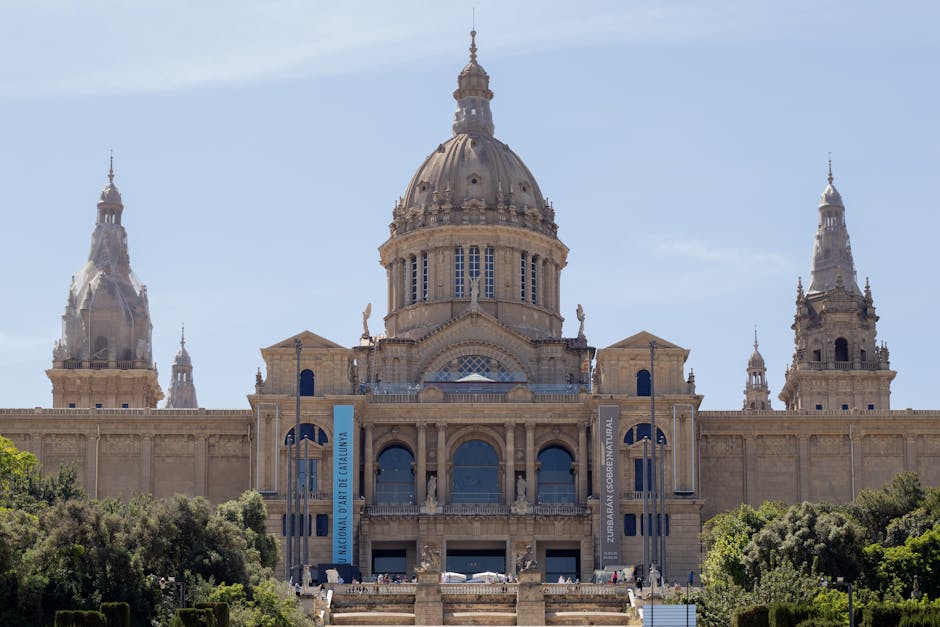
Explore Montjuïc’s lush gardens, historic fortress, and iconic Olympic venues on this scenic self-guided walk with panoramic Mediterranean views.
