Step away from the bustling crowds of the Alhambra and into the serene, silent world of Granada's historic convents. This neighborhood stroll reveals a centuries-old tradition where cloistered life meets culinary art. In the narrow alleys of the city center and the Albaicín, hidden behind thick stone walls, nuns have spent generations perfecting recipes for 'dulces de convento'—traditional sweets like almond-based 'yemas' and honeyed pastries. This self-guided walk invites you to explore the architectural evolution of the city, from Renaissance masterpieces to the 'Christian Alhambra' of the Spanish Baroque. Along this walking route, you will discover the unique 'torno' system—a revolving wooden window that allows the public to purchase handmade delicacies without ever breaking the nuns' vow of seclusion. It is a rare glimpse into a living history that remains largely unchanged since the 16th century. Beyond the sugar-dusted treats, you will encounter the resting place of the 'Great Captain' at San Jerónimo and the breathtaking ornamentation of the Cartuja Monastery. Whether you are a history enthusiast or a food lover looking for authentic local flavors, this independent exploration offers a peaceful and flavorful way to experience the spiritual heart of Granada.
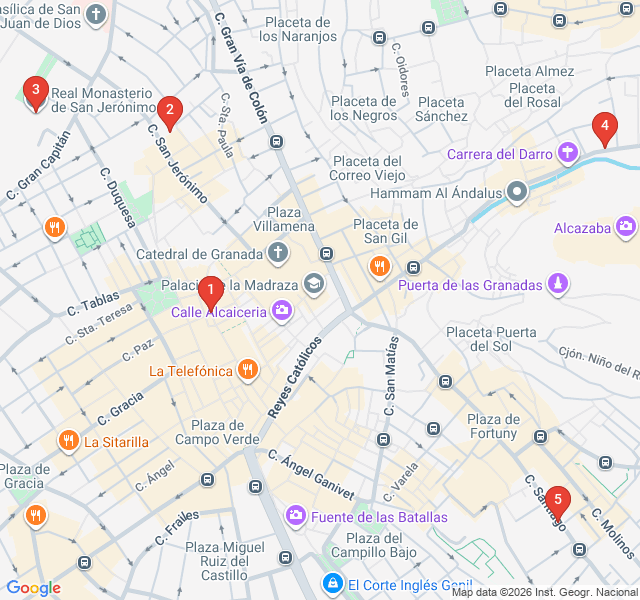
Numbers indicate the order of stops on the tour
Welcome to the heart of Granada. Plaza Pescadería, once the city’s bustling fish market, serves as the gateway between the commercial center and the spiritual quarters. As you stand here, you are surrounded by the layers of Granada’s history. To your north lies the Cathedral, built over the Great Mosque, signaling the transition to Christian rule in 1492. This walk focuses on that transition, specifically through the institutions that provided social stability and, surprisingly, confectionery. Take a moment to appreciate the open space before we head into the narrower streets where the city's cloisters have stood for centuries.
This convent, the Monasterio de la Encarnación, is a prime example of the early Christian structures built shortly after the Reconquista. The architecture reflects the austerity of the Carmelite order. While the exterior might seem plain, it guards a life of devotion. Look for the 'torno'—the revolving wooden drum. This device allowed the cloistered nuns to receive supplies and sell their famous almond cakes without being seen. It remains a functional piece of history, bridging the gap between the modern street and the medieval cloisters within.
You are standing before a masterpiece of the Spanish Renaissance. The Monastery of San Jerónimo was the first to be founded in Granada after the conquest. Its most striking feature is the church, which houses the tomb of Gonzalo Fernández de Córdoba, known as the 'Gran Capitán'. He was the military genius who revolutionized European warfare. The interior is a riot of gold leaf and intricate carvings, designed to impress and inspire. The orange-tree-filled cloisters here offer one of the most peaceful atmospheres in the entire city.
Located at the foot of the Albaicín, this convent is housed in a former Moorish palace. You can see the Mudejar influence in the brickwork and the layout. The Zafra convent is particularly famous for its 'huesos de santo' (marzipan rolls) and other traditional sweets. The tradition of nun-made confectionery likely stems from a need for the convents to be self-sufficient, using local ingredients like almonds, honey, and sugar—remnants of the region's Islamic agricultural heritage. It’s a literal taste of Granada’s multicultural past.
This is the oldest convent in Granada, founded by the Catholic Monarchs themselves. It belongs to the military Order of Santiago. The nuns here are legendary for their culinary skills. They offer a wide variety of sweets, from 'pestiños' to 'bizcochos'. This stop highlights the social role of convents in the Realejo district, where they acted as anchors for the community. The quiet courtyard and the scent of baking sugar often drift out into the street, providing a sensory landmark for passersby.
Our final stop is a bit of a climb, but well worth the effort. La Cartuja is often called the 'Christian Alhambra' due to its incredible Baroque interior. While the Carthusian monks who lived here practiced a vow of silence and extreme simplicity, their church is anything but simple. The Sacristy, in particular, is an explosion of white stucco and brown marble, representing the peak of Spanish Baroque art. It is a dramatic conclusion to our walk, showing how Granada’s religious architecture evolved from the somber Renaissance to this theatrical, heavenly display.
Download Zigway to experience "Cloisters and Confectionery" with AI-powered audio narration. Walk at your own pace while stories unfold around you.
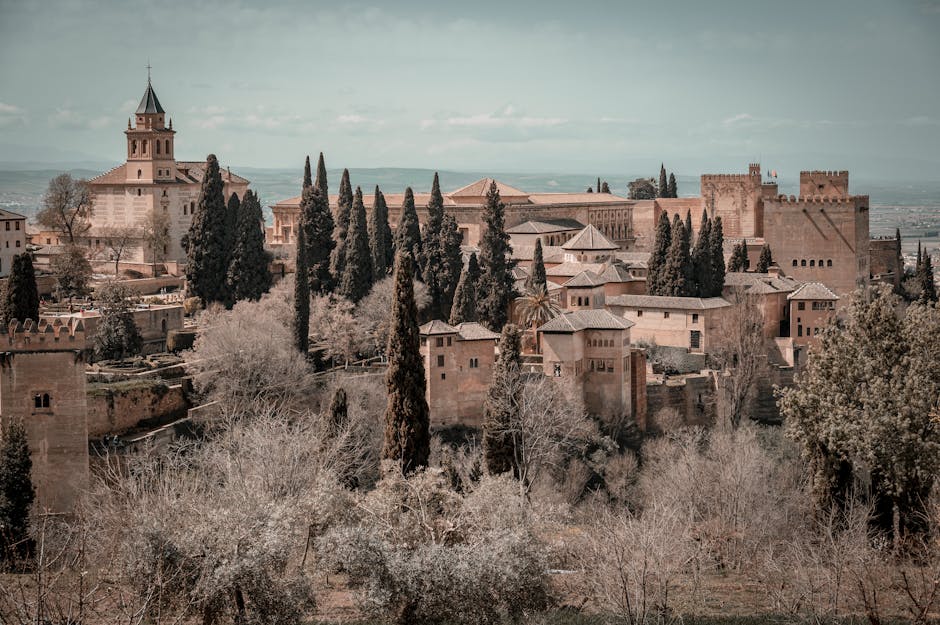 Moderate
Granada, Spain
Explore the bohemian heart of Granada's oldest district on this self-guided walking route through the hidden gems of the Upper Albaicín.
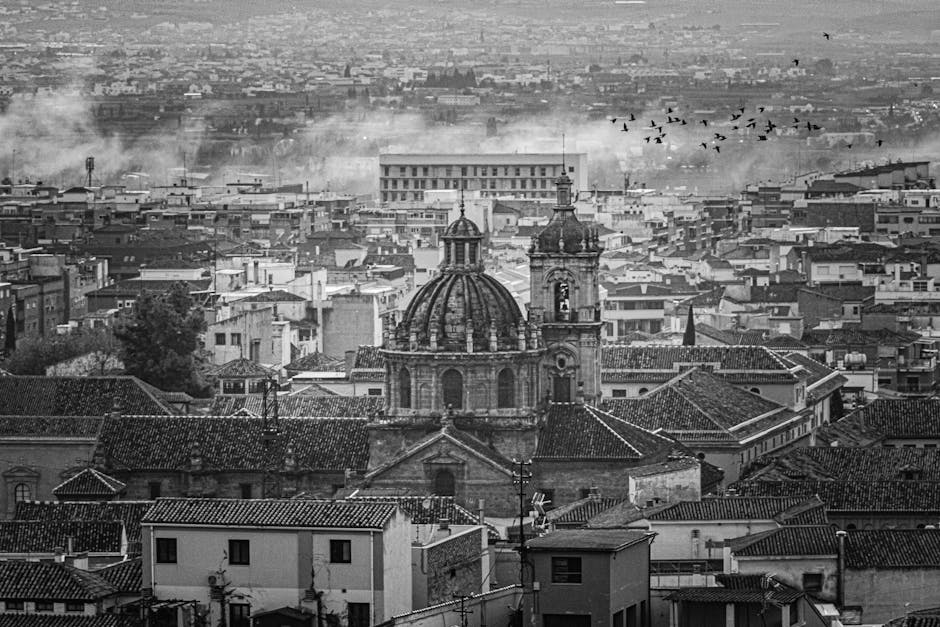 Easy
EasyGranada, Spain
Discover the legacy of the Nasrid silk trade and the vibrant evolution of Granada's historic center on this atmospheric self-guided walk.
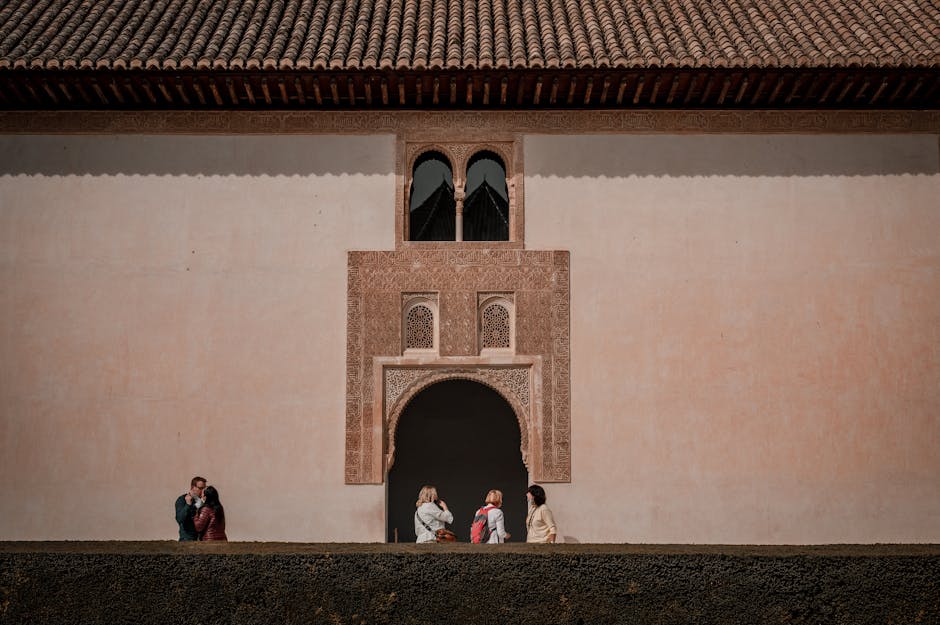 Moderate
Granada, Spain
Explore Granada's historic Jewish Quarter and discover world-class street art on this self-guided walk through the vibrant Realejo neighborhood.
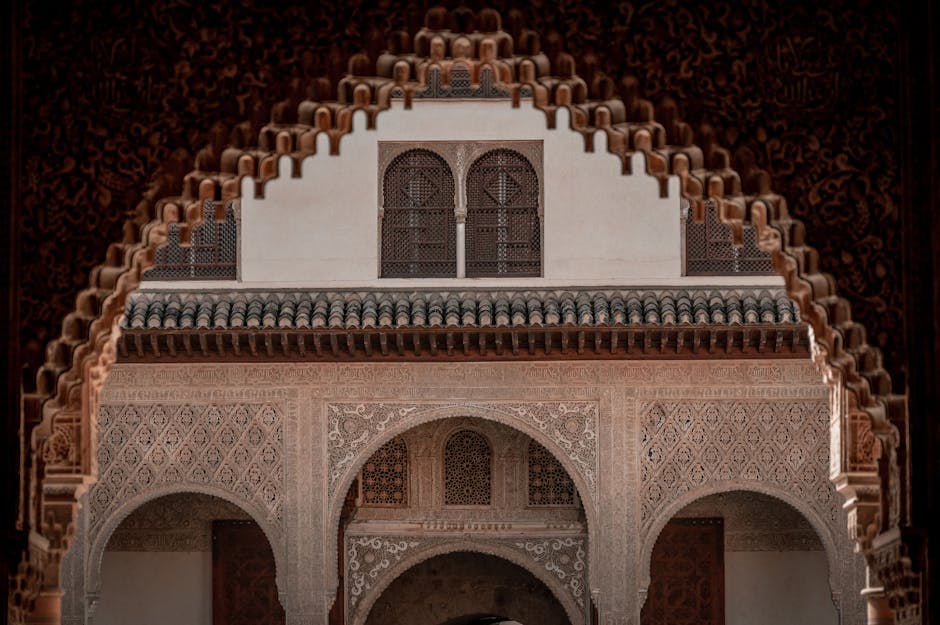 Moderate
Granada, Spain
Discover the Moorish soul of Granada on this self-guided walk through the Albaicín’s winding streets, historic palaces, and iconic viewpoints.
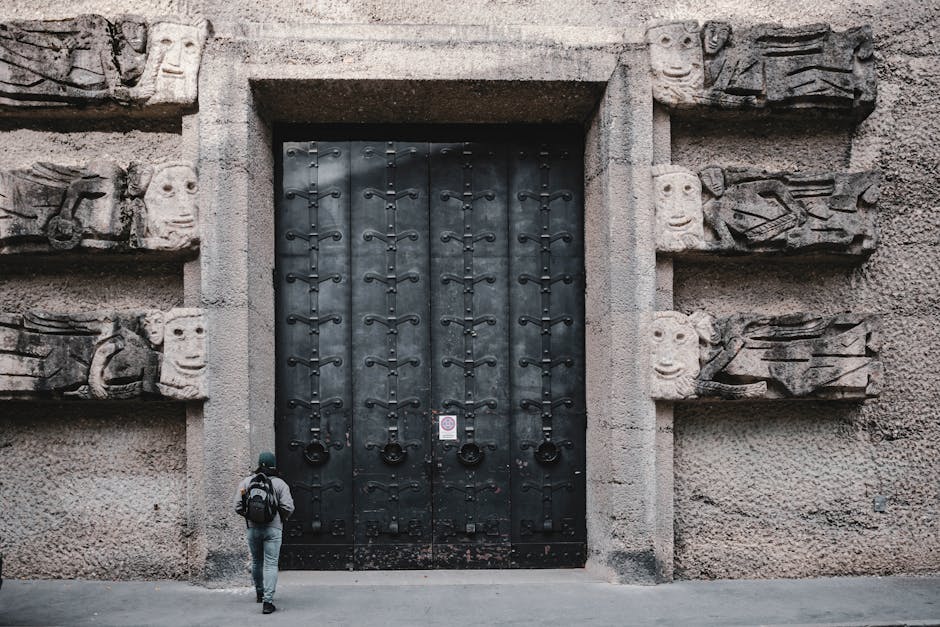 Easy
EasySalzburg, Austria
Discover Salzburg's oldest medieval alley, the birthplace of the 'Silent Night' author, and breathtaking views on this quiet self-guided walk.
 Easy
EasyNairobi, Kenya
Explore Nairobi's architectural evolution from colonial-era landmarks to iconic Brutalist skyscrapers on this historic self-guided walking route.
 Easy
EasyNairobi, Kenya
Discover Nairobi's iconic skyline on this self-guided architecture walk through the CBD’s most famous modernist and Brutalist landmarks.
 Easy
EasyKrakow, Poland
Explore the prestigious Jagiellonian University district, featuring Neo-Gothic architecture, Baroque churches, and Krakow's hidden scholarly gems.
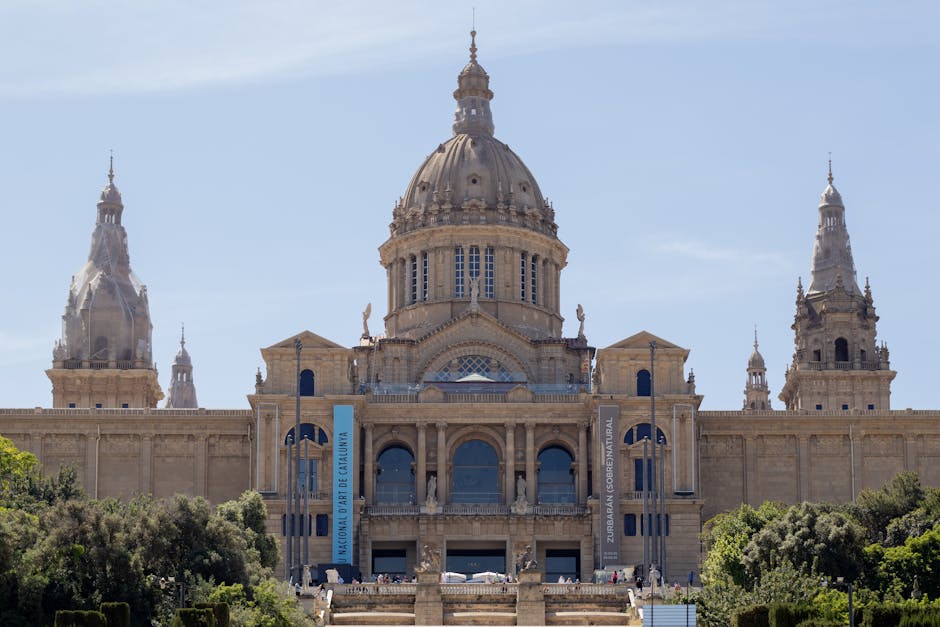 Moderate
Barcelona, Spain
Explore the elegant 'village' of Sarrià, where Gothic monasteries and Gaudí's hidden gems meet charming local markets and narrow streets.
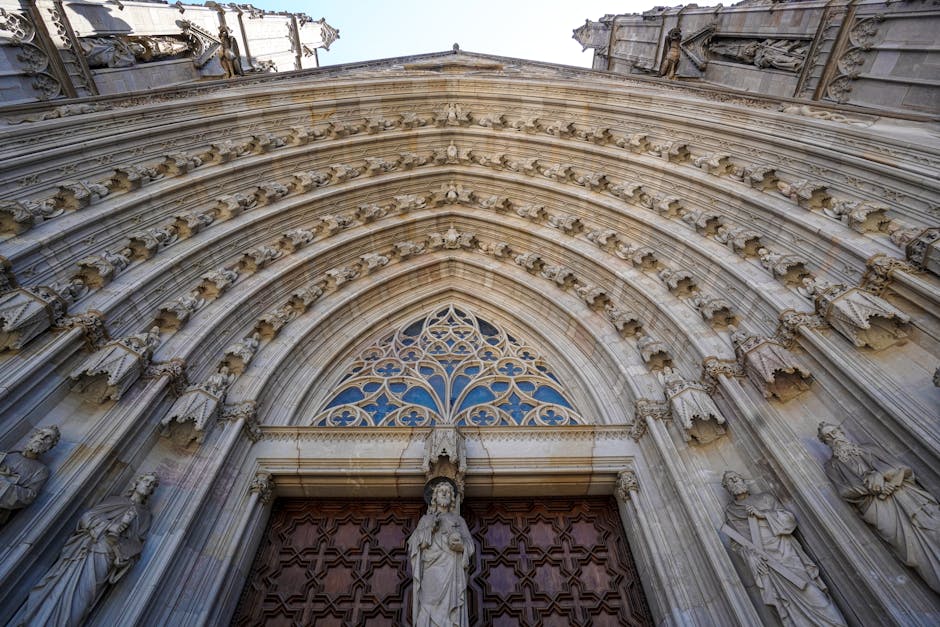 Moderate
Barcelona, Spain
Discover the revolutionary history and haunting scars of the Spanish Civil War on this self-guided walk through Barcelona's historic streets.
 Easy
EasyBarcelona, Spain
Discover the architectural wonders of Barcelona's Golden Square on this self-guided stroll through Eixample's most luxurious Modernista streets.
 Challenging
Barcelona, Spain
Explore Montjuïc’s lush gardens, historic fortress, and iconic Olympic venues on this scenic self-guided walk with panoramic Mediterranean views.
