Step into the soul of Granada with a self-guided walk through Realejo, the city’s historic Sephardic quarter. Once known as Garnata al-Yahud, this neighborhood is a labyrinth of whitewashed alleys and steep staircases that whisper stories of the medieval Jewish community. Today, it serves as a canvas for some of Spain’s most compelling urban art, creating a striking contrast between the ancient stone walls and the vibrant, philosophical graffiti of the local artist Raúl Ruiz, better known as 'El Niño de las Pinturas.' This neighborhood stroll invites you to discover the hidden corners that many travelers overlook, blending centuries of religious heritage with a thriving modern creative scene. As you explore independently, you will transition from the quiet, residential heights of the upper Realejo down to the bustling social heart of the district. The route highlights the architectural evolution of the city, from the remnants of the 16th-century laundry houses at Puerta del Sol to the grand, modernist estate of the Fundación Rodríguez-Acosta. You will also encounter the Campo del Príncipe, a vast square that serves as a communal living room for locals, dominated by the solemn Cristo de los Favores. This walking tour Granada offers a unique perspective on how a neighborhood can reinvent itself while honoring its deep-seated roots. Starting your self-guided adventure in Realejo means embracing the pace of the locals. You can pause for a tapa in a traditional tavern or spend extra time deciphering the poetic verses woven into the street art. Because this neighborhood is situated on the slopes of the Alhambra hill, the route provides frequent glimpses of the Sierra Nevada mountains and the city rooftops below. Whether you are interested in the tragic history of the Jewish expulsion or the contemporary pulse of the Spanish art scene, this walking route provides a comprehensive look at one of Granada’s most charismatic barrios. Discover at your own pace why Realejo remains the favorite corner of the city for artists and historians alike. **Note:** This area is known for its ever-changing character. Street art, pop-up venues, and temporary exhibitions may differ from what's described. That's part of the adventure - you might discover something entirely new!
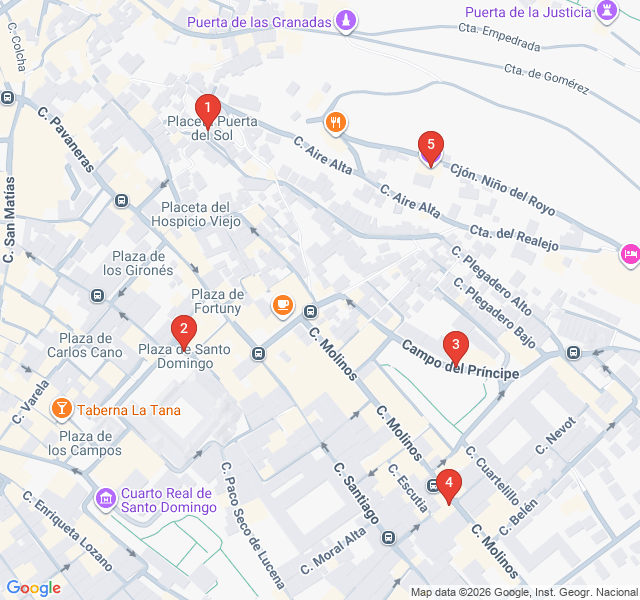
Numbers indicate the order of stops on the tour
Begin your self-guided adventure at the Puerta del Sol, a spot that perfectly encapsulates the layers of Realejo's history. While the 'Sun Gate' itself is long gone, you are standing near one of the city's few remaining 16th-century communal laundry houses. Look for the statue of the 'Lavandera' (the laundress), which pays tribute to the women who once gathered here to wash clothes and share news. This square offers a magnificent panoramic view of Granada, stretching toward the cathedral and the distant mountains. It serves as a gateway to the upper Realejo, where the Jewish community flourished before the 1492 expulsion, leaving behind a layout of narrow, winding streets designed to keep the interiors cool and private.
As you descend toward the heart of the neighborhood, you reach the Plaza de Santo Domingo. This square is dominated by the Church of Santo Domingo, founded by the Catholic Monarchs in 1492. Notice the statue of Fray Luis de Granada, a famous mystic and writer born in this neighborhood. The square is a vital hub for the 'Cofradías' or religious brotherhoods of Granada, especially during Holy Week. The architecture here marks the transition from the medieval Jewish quarter to the Christian city, with grand facades replacing the modest dwellings of the previous era. It is a perfect spot to observe the local rhythm of life as residents gather at the nearby cafes.
Welcome to the social heart of Realejo. The Campo del Príncipe was originally built over a Muslim cemetery to create a grand space for royal celebrations, including the wedding of Philip the Handsome and Joanna the Mad. Today, it is a sprawling plaza lined with terraces where locals enjoy tapas. At the center stands the Cristo de los Favores, a stone crucifix that is the object of great devotion; every Good Friday at 3:00 PM, thousands gather here in silence. The square is surrounded by traditional 'corralas' (apartment blocks with central courtyards), showcasing the communal living style that has defined this district for centuries.
In the streets branching off from the main squares, you will encounter the work of Raúl Ruiz, known globally as 'El Niño de las Pinturas.' His style is unmistakable, blending realistic portraits with intricate mechanical elements and calligraphic poetry. Realejo has become an open-air gallery for his work, which often deals with themes of childhood, time, and the human condition. Please note that street art is inherently transient; while some large murals have remained for years, others may be painted over or weathered by time. This fluidity is part of the neighborhood's charm, as the urban landscape continues to evolve through the eyes of its modern-day 'residents' and artists.
Conclude your walk at one of Granada’s most striking hidden gems. The Fundación Rodríguez-Acosta is a modernist 'Carmen' (a traditional Granada house with a garden) and studio built by the painter José María Rodríguez-Acosta in the early 20th century. Its stark white walls, neoclassical columns, and underground galleries create an almost surrealist atmosphere that stands in sharp contrast to the medieval streets you just traversed. The building sits on the hill of the Mauror, adjacent to the Alhambra. While the interior requires a ticket for entry, the exterior and the surrounding gardens offer a final, breathtaking look at how Realejo bridges the gap between Granada's ancient past and its artistic future.
Download Zigway to experience "Realejo Street Art & Jewish Roots" with AI-powered audio narration. Walk at your own pace while stories unfold around you.
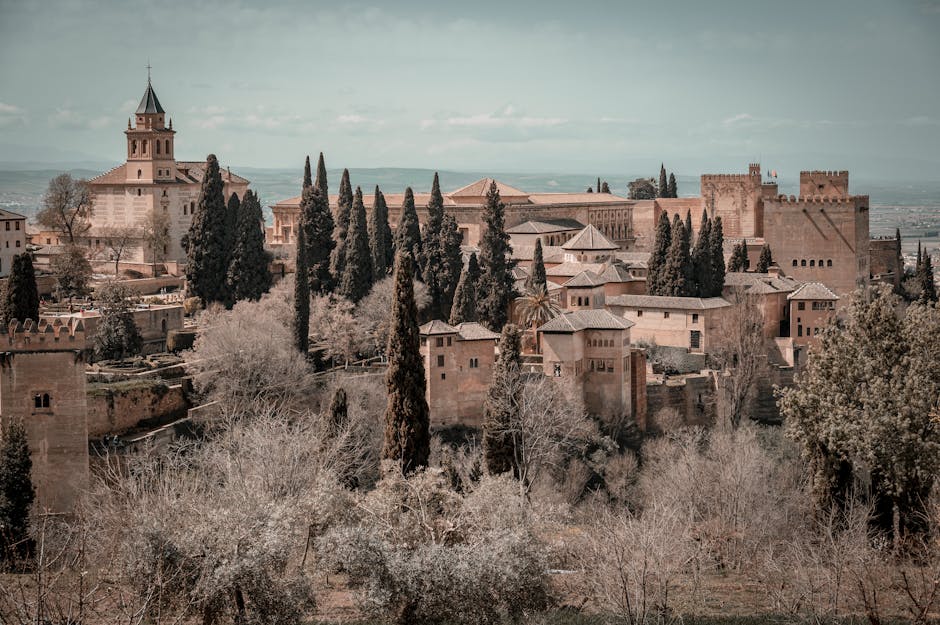 Moderate
Granada, Spain
Explore the bohemian heart of Granada's oldest district on this self-guided walking route through the hidden gems of the Upper Albaicín.
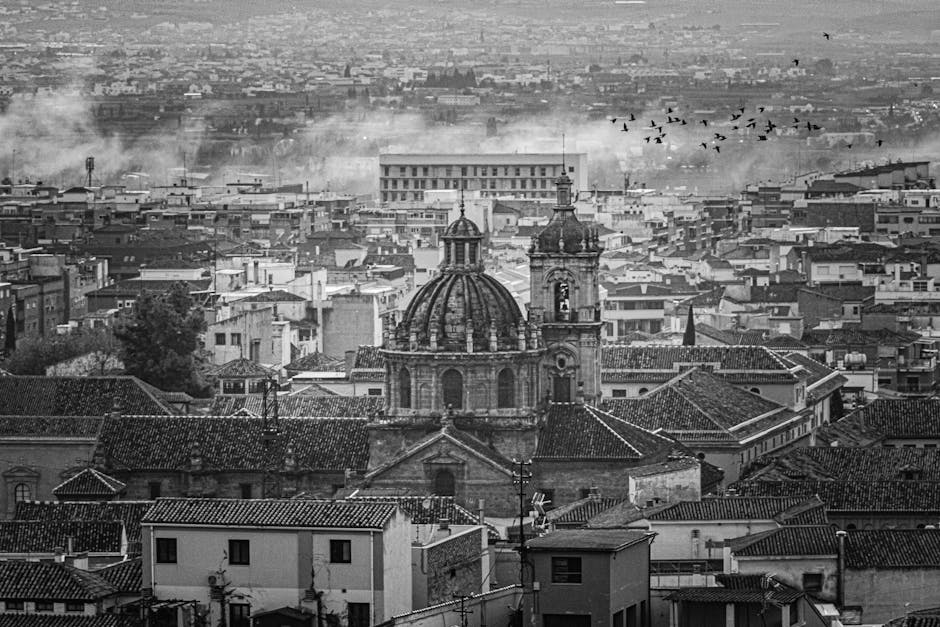 Easy
EasyGranada, Spain
Discover the legacy of the Nasrid silk trade and the vibrant evolution of Granada's historic center on this atmospheric self-guided walk.
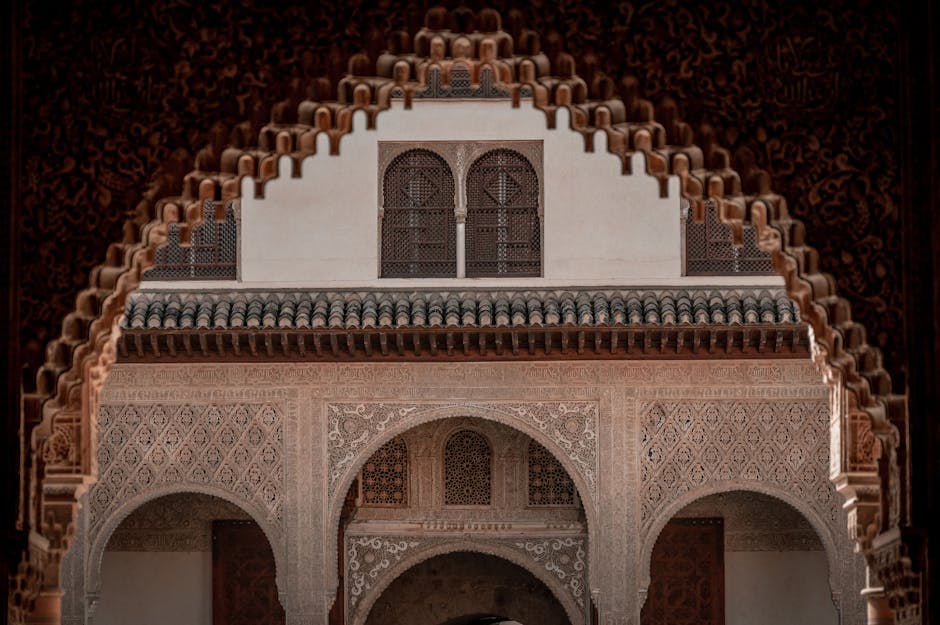 Moderate
Granada, Spain
Discover the Moorish soul of Granada on this self-guided walk through the Albaicín’s winding streets, historic palaces, and iconic viewpoints.
 Easy
EasyGranada, Spain
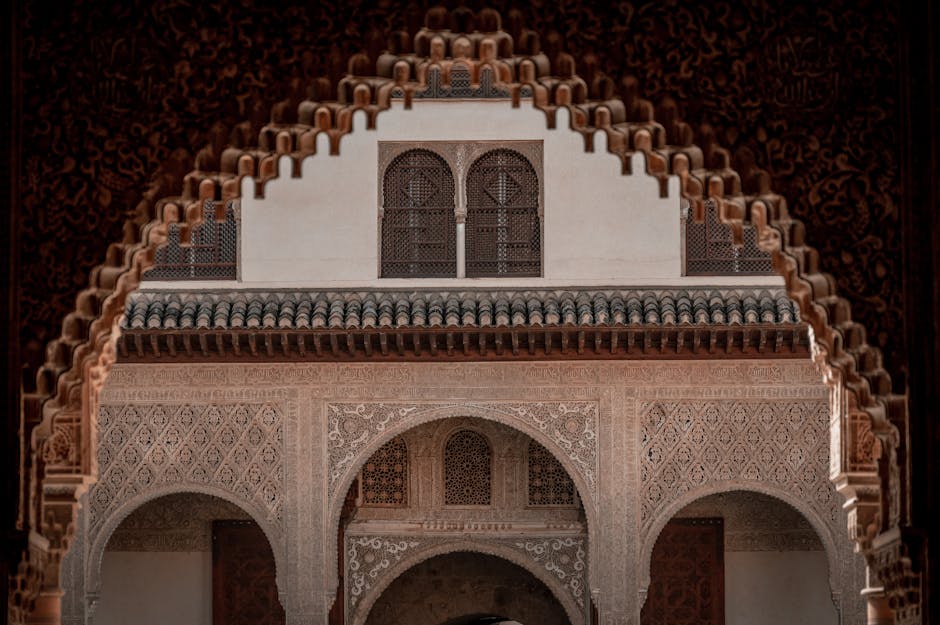
Discover the legacy of the Catholic Monarchs on a self-guided walk through Granada’s grandest Renaissance and Gothic monuments.
 Moderate
Vienna, Austria
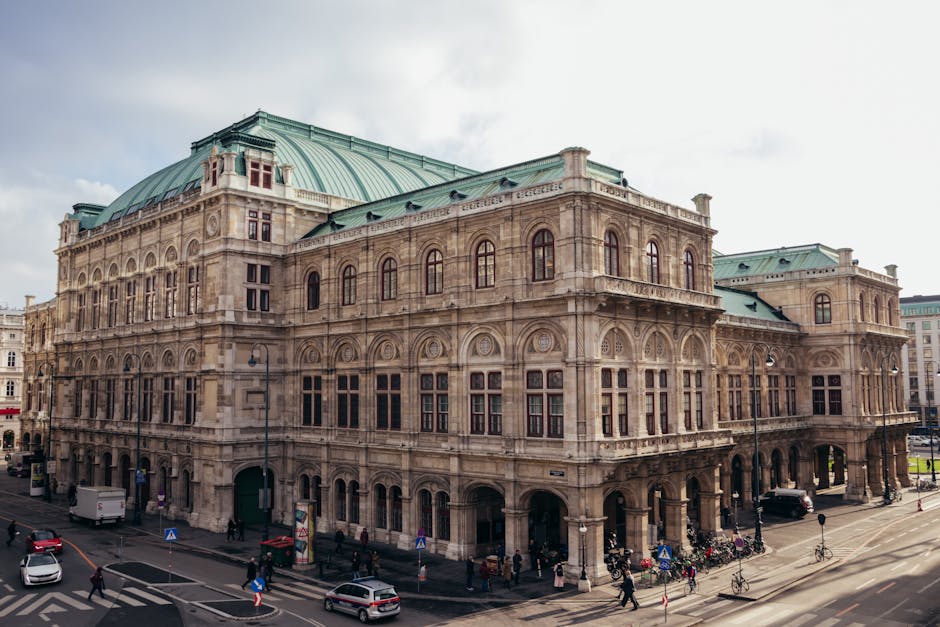
Discover the noir world of The Third Man and Cold War Vienna on this atmospheric self-guided audio walk through the historic Innere Stadt.
 Moderate
Gdansk, Poland
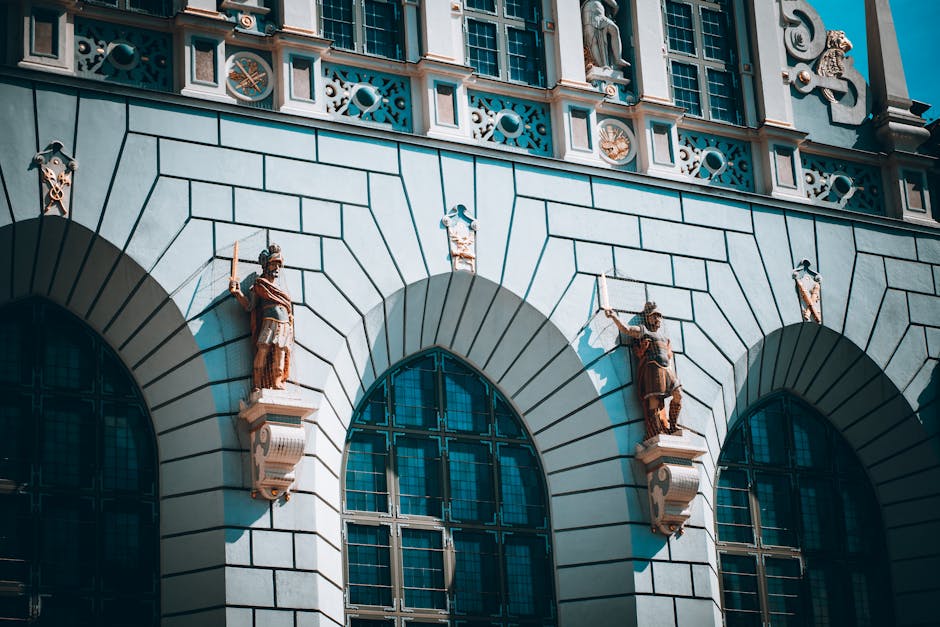
Discover Zaspa, a massive open-air gallery where grey housing blocks are transformed by over 60 monumental murals. Explore at your own pace.
 Easy
EasyWarsaw, Poland
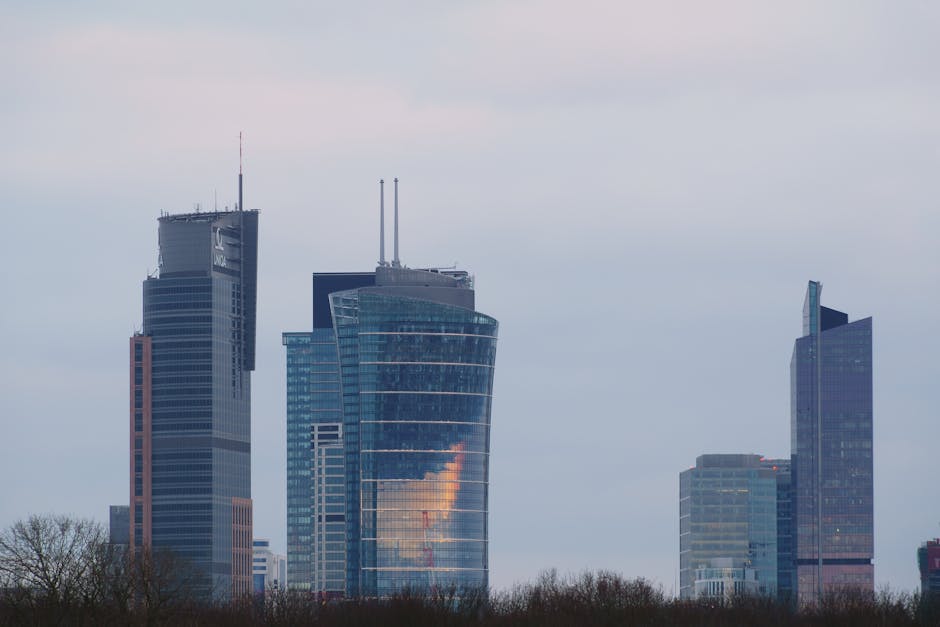
Discover the hidden courtyards and grand pre-war architecture of Warsaw's most atmospheric neighborhood on this self-guided stroll.
 Easy
EasyGothenburg, Sweden
Explore Gothenburg’s historic wooden houses, legendary giant cinnamon buns, and panoramic fortress views on this self-guided neighborhood stroll.
 Moderate
Barcelona, Spain
Explore the elegant 'village' of Sarrià, where Gothic monasteries and Gaudí's hidden gems meet charming local markets and narrow streets.
 Moderate
Barcelona, Spain
Discover the revolutionary history and haunting scars of the Spanish Civil War on this self-guided walk through Barcelona's historic streets.
 Easy
EasyBarcelona, Spain
Discover the architectural wonders of Barcelona's Golden Square on this self-guided stroll through Eixample's most luxurious Modernista streets.
 Challenging
Barcelona, Spain
Explore Montjuïc’s lush gardens, historic fortress, and iconic Olympic venues on this scenic self-guided walk with panoramic Mediterranean views.
