Discover the rebellious soul of Hamburg on this self-guided walk through Sternschanze, the city’s most vibrant and politically charged neighborhood. Known simply as 'the Schanze' by locals, this former working-class district has transformed into a focal point for alternative culture, independent commerce, and artistic expression. As you follow this neighborhood stroll, you will peel back layers of history that range from its industrial origins to its modern-day reputation as a bastion of the autonomous movement. This route is designed for those who want to understand the tension between gentrification and grassroots activism while enjoying some of the most creative urban aesthetics in Germany. The journey begins at the towering Schanzenturm, a massive brick structure that once served as Europe's largest water tower, now standing as a symbol of the area's architectural evolution. From there, you will traverse the green expanses of Schanzenpark before diving into the bustling streets of Susannenstraße and Schulterblatt. Along the way, the ever-changing murals and political posters serve as a living gallery, reflecting the neighborhood's fierce spirit of independence. A central highlight of this walking route is the Rote Flora, a squatted former theater that has remained a symbol of resistance for over three decades. Exploring this area independently allows you to soak in the atmosphere of the local cafes and boutiques without the constraints of a rigid schedule. Whether you are interested in the evolution of social movements or simply looking for the best street art in Hamburg, this route provides a deep dive into the counter-culture that defines the city's modern identity. By the time you reach the community-focused Flora Park, you will have experienced the true, unpolished heartbeat of Hamburg, far removed from the polished facades of the harbor or the city center. This self-guided adventure is perfect for curious travelers who prefer to discover local favorites and hidden gems at their own pace. **Note:** This area is known for its ever-changing character. Street art, pop-up venues, and temporary exhibitions may differ from what's described. That's part of the adventure - you might discover something entirely new!
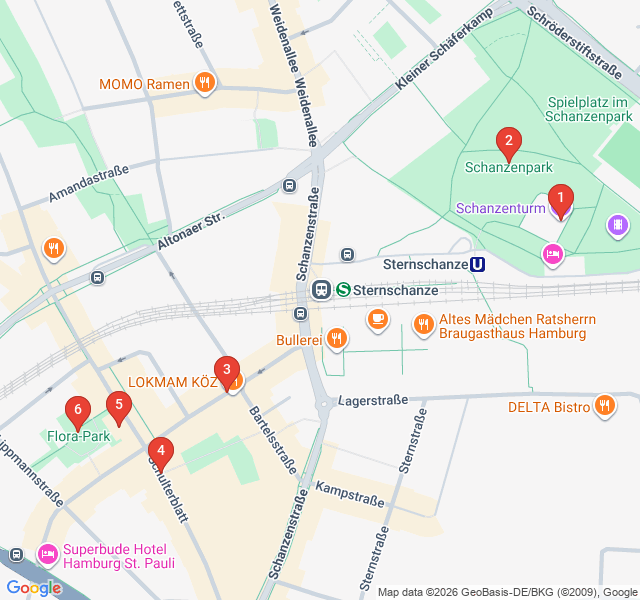
Numbers indicate the order of stops on the tour
Standing 60 meters tall, the Schanzenturm is an imposing reminder of Hamburg's industrial heritage. Completed in 1910, it was once the largest water tower in Europe, serving the city's growing population. Its massive brickwork is a classic example of the era's utilitarian architecture. However, its purpose has shifted dramatically over the decades. After falling into disrepair in the mid-20th century, it was eventually converted into a high-end hotel in the early 2000s. This conversion was controversial at the time, seen by many locals as an early sign of the gentrification that would eventually sweep through the Schanze. As you stand here, notice how the tower dominates the skyline of the surrounding park, acting as a permanent landmark for the neighborhood's ongoing transformation from industrial utility to modern luxury.
Schanzenpark is the green lung of the district, but its history is far from peaceful. The word 'Schanze' actually refers to a defensive fortification, and this area was once part of the city's outer defense works. Today, it is a hub for community life, where locals gather for picnics, sports, and protests. Tucked within the greenery, you might spot the entrance to a massive World War II bunker system, a somber reminder of the city's darker days. The park serves as a buffer between the residential areas and the more commercial streets you are about to explore. It is a perfect place to observe the local 'Schanzen-lifestyle'—a mix of relaxed leisure and politically active youth culture.
As you turn onto Susannenstraße, you enter the commercial heart of the Schanze. This street is a microcosm of the neighborhood's identity struggle. On one hand, you will find long-standing independent record stores and radical bookstores; on the other, trendy boutiques and upscale coffee shops. The facades here are often covered in layers of stickers and posters, a form of low-level communication for the local community. While the storefronts change frequently, the 'vibe' remains constant—this is where the neighborhood comes to see and be seen. Keep an eye out for small artistic details on the building corners, as this street often hosts smaller, more intricate examples of local street art that are easy to miss.
Schulterblatt is the most famous street in Sternschanze, and its name has a peculiar origin. It translates to 'Shoulder Blade,' named after a 17th-century inn that hung a whale's shoulder blade as a sign. Today, this wide street functions as a public plaza. It has been the site of numerous political demonstrations, most notably during the G20 summit in 2017. The atmosphere here is usually festive, with outdoor seating spilling into the street, but the history of conflict is never far from the surface. Look at the upper floors of the buildings; you'll see a mix of grand Wilhelminian architecture and modern interventions. This street is the best place to appreciate the neighborhood's density and the collision of different social worlds.
The Rote Flora is perhaps the most significant political landmark in Hamburg. Originally a theater built in 1888, it was squatted in 1989 by activists protesting plans to turn it into a musical theater. Against all odds, the squatters stayed, and the building has remained an 'autonomous' cultural center for over 30 years. Its facade is a canvas for political messaging, often featuring large-scale murals addressing global and local issues like housing rights and anti-fascism. Because the artwork on the building is frequently updated or painted over, what you see today is a unique snapshot of the current political climate. It stands as a defiant middle finger to traditional urban development and remains the spiritual heart of the Schanze's radical community.
Located directly behind the Rote Flora, this park was reclaimed by the community in the 1990s. It was once a private plot of land, but local residents fought to turn it into a public space. Today, it features a popular climbing wall (built onto the back of a bunker), a skate park, and community gardens. The walls surrounding the park are often covered in high-quality murals and graffiti, making it one of the most concentrated areas for street art in the city. As you conclude your walk here, you can see the practical results of the neighborhood's activism: a vibrant, multi-use space that serves the people rather than commercial interests. It is a fitting end to a journey through a district that refuses to be tamed.
Download Zigway to experience "Bohemian Schanze: Street Art & Social History" with AI-powered audio narration. Walk at your own pace while stories unfold around you.
 Easy
EasyHamburg, Germany
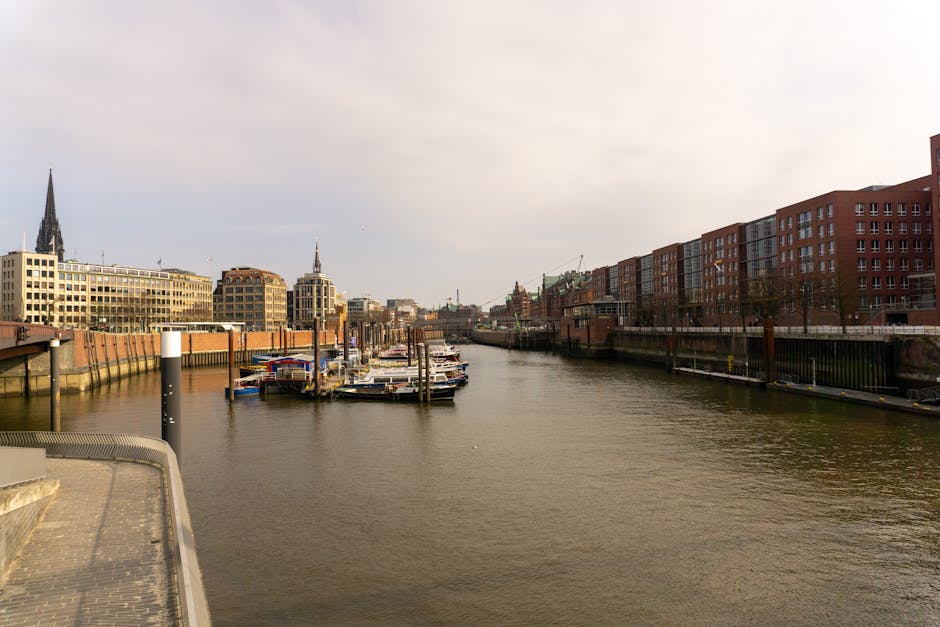
Discover Hamburg's UNESCO-listed warehouse district and stunning Brick Gothic architecture on this self-guided stroll through the Speicherstadt.
 Easy
EasyHamburg, Germany
Explore Hamburg's most diverse district, where luxury hotels meet vibrant LGBTQ+ culture and historic art museums on this self-guided audio walk.
 Easy
EasyHamburg, Germany
Explore the neon-lit legends of Hamburg's St. Pauli on this self-guided audio walk through the Reeperbahn’s history, music, and nightlife.
 Moderate
Hamburg, Germany
Discover Hamburg’s elegant waterfront on this self-guided walk from the bustling Jungfernstieg to the tranquil gardens of the Alsterpark.
 Easy
EasyVienna, Austria
Explore Vienna’s vibrant open-air gallery along the Danube Canal on this self-guided street art and nightlife stroll through Leopoldstadt.
 Moderate
Helsinki, Finland
Explore Helsinki's bohemian heart. Discover historic saunas, granite churches, and the vibrant local life of the Kallio neighborhood at your own pace.
 Easy
EasyNairobi, Kenya
Discover Nairobi’s literary soul on this self-guided walk through historic libraries, iconic bookshops, and cultural centers in the heart of the CBD.
 Moderate
Nairobi, Kenya
Discover the pulse of Nairobi's contemporary art scene on this self-guided walk through the galleries and creative spaces of Kilimani.
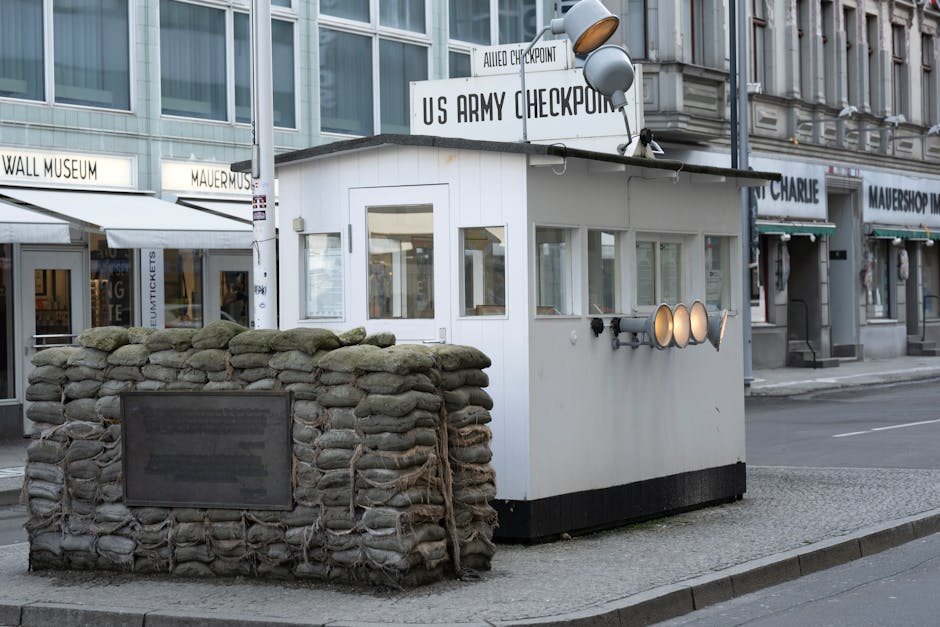 Easy
EasyBerlin, Germany
Explore the sites of Nazi power and the memorials that honor its victims on this self-guided walk through Berlin's historic Wilhelmstraße district.
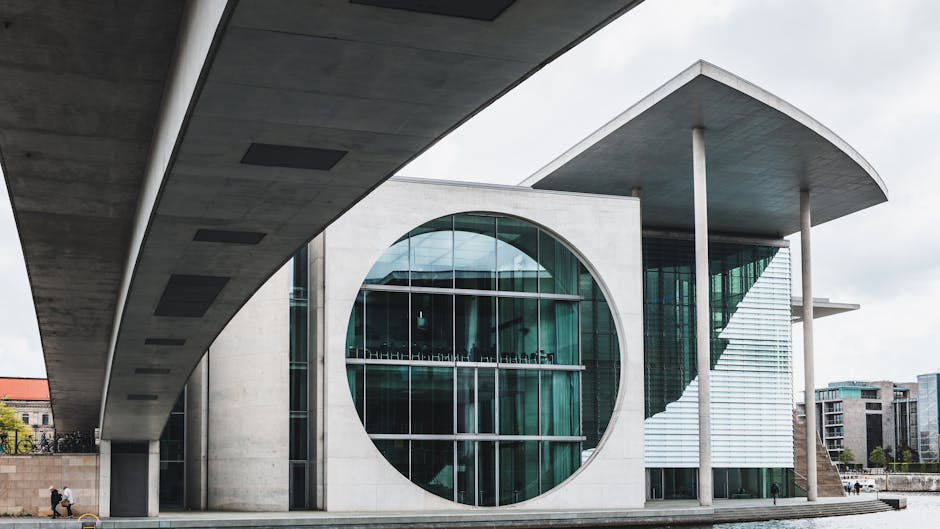 Moderate
Berlin, Germany
Explore Berlin’s 'Green Heart' on a self-guided walk through royal history, Cold War memorials, and serene lakeside gardens.
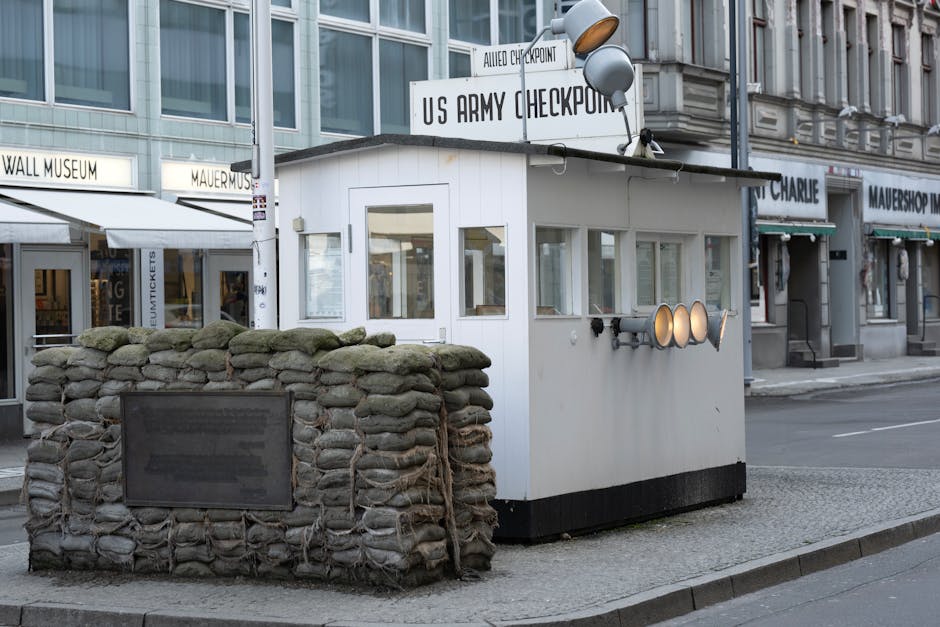 Moderate
Berlin, Germany
Discover the legacy of the Berlin Wall on this self-guided walk from historic ghost stations to the vibrant street art and cafes of Mauerpark.
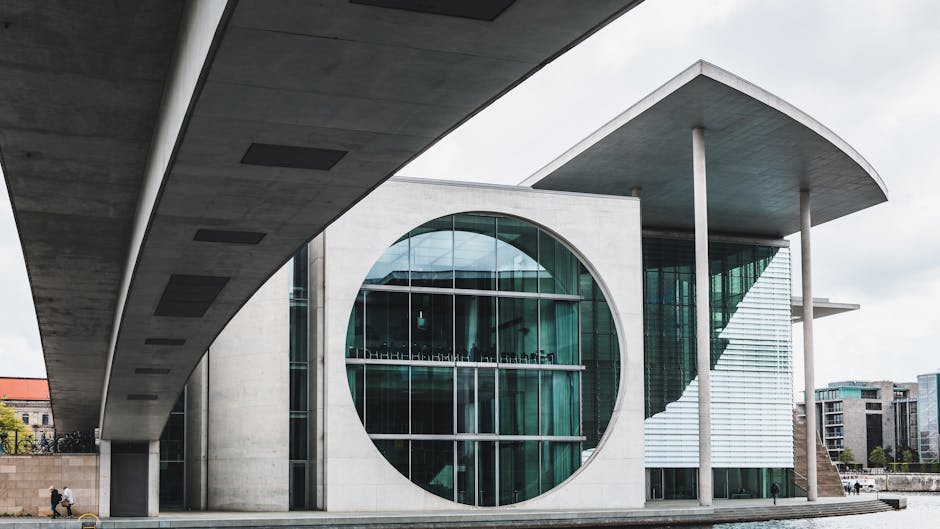 Easy
EasyBerlin, Germany
Discover the soul of 1920s Berlin on a self-guided walk through Charlottenburg’s iconic literary cafes, historic theaters, and artistic landmarks.
