Hamburg is often called the "Venice of the North," not just for its labyrinthine canals, but for the magnificent Alster lake that defines its urban core. This self-guided walk invites you to explore the transition from the bustling, high-end commerce of the Binnenalster (Inner Alster) to the serene, leafy expanses of the Außenalster (Outer Alster). It is a route that captures the dual identity of the city: a powerhouse of international trade and a sanctuary of natural beauty. This neighborhood stroll through Rotherbaum and the shoreline offers a masterclass in Hanseatic elegance. Starting at the historic Jungfernstieg, you will trace the water’s edge, passing architectural marvels and lush gardens that have served as the city’s playground for centuries. You'll encounter the iconic Alster Fountain, a soaring plume of water that has become a symbol of Hamburg’s vitality, before crossing the bridges that offer panoramic views of the skyline's copper-topped spires. As the route moves toward Dammtor and the Japanese Garden, the urban noise fades into the rustle of exotic flora. This walking tour Hamburg experience highlights how the city integrates water into every facet of life, from leisure sailing to historic preservation. The journey concludes in the Alsterpark, where the "White Alster" villas stand as a testament to the city's merchant wealth. Whether you are a first-time visitor or a local seeking a fresh perspective, this walking route provides the flexibility to discover Hamburg's maritime soul at your own pace. By following this shoreline path, you engage with the landmarks that define the Hanseatic spirit without the constraints of a rigid schedule. The transition from urban shopping hubs to the tranquil, sail-dotted horizon of the outer lake provides a comprehensive view of why this city remains one of Europe's most liveable and luxurious destinations.
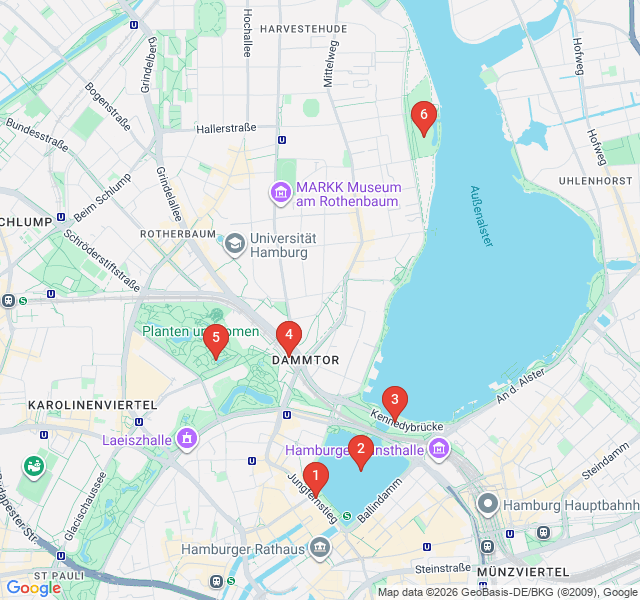
Numbers indicate the order of stops on the tour
Welcome to Jungfernstieg, the historic heart of Hamburg's waterfront. This promenade has been the city's premier social hub since the 18th century. Interestingly, its name translates to 'Maiden's Walk.' Historically, wealthy Hanseatic families would bring their unmarried daughters—their maidens—here for a Sunday stroll to show them off to potential suitors. Today, it is a center for luxury shopping and the main departure point for the Alster steamships. As you look out over the Binnenalster, notice the elegant buildings lining the shore, including the famous Alsterhaus department store. This area represents the intersection of Hamburg's mercantile success and its love for public leisure space.
Dominating the center of the Binnenalster is the Alsterfontäne, an iconic fountain that has sprayed water up to 60 meters into the air since 1987. While it is a beautiful landmark, it also serves a practical ecological purpose. By pumping approximately 180 cubic meters of water per hour, the fountain helps aerate the lake, improving water quality and supporting aquatic life. The fountain typically operates from March to November, being dismantled during the winter months to protect the machinery from ice. It stands as a symbol of the city's commitment to blending engineering with environmental care, providing a cooling mist and a focal point for the city center.
As you walk toward the Kennedybrücke, you are crossing the literal and figurative divide between the Inner and Outer Alster. Originally called the Neue Lombardsbrücke, it was renamed in 1963 to honor U.S. President John F. Kennedy following his assassination. This bridge offers one of the most photographed vistas in Germany. To one side, you see the compact, urban Binnenalster framed by church spires; to the other, the vast, open Außenalster, which feels more like a sea than a lake. This is a favorite spot for locals to stop and watch the sunset, as the water reflects the changing colors of the Hamburg sky.
Moving slightly inland, you reach Dammtor, often called the 'Gateway to the World.' The station here is a masterpiece of Art Nouveau architecture, and the surrounding area serves as a major cultural junction. Historically, this was the site of one of the city's main gates in the medieval fortifications. Today, it connects the urban center with the university district and the vast Planten un Blomen park. Look for the 'Kriegsklotz' monument nearby—a somber reminder of the city's complex 20th-century history. This area acts as a green lung for the city, transitioning the walk from the blue waters of the Alster to the deep greens of Hamburg's botanical treasures.
Step into the serenity of the Japanese Garden, located within the larger Planten un Blomen park. Designed by landscape architect Yoshikuni Araki in 1988, this is the largest Japanese garden in Europe. It is meticulously designed around a central pond and a traditional tea house. Every element here—from the placement of the stones to the selection of the Japanese maples—is intended to create a sense of harmony and reflection. Depending on the season, you might see blooming azaleas or the fiery red of autumn leaves. It is a stark, peaceful contrast to the busy streets you left behind at Jungfernstieg, offering a moment of Zen in the heart of the Hanseatic city.
Your walk concludes in the Alsterpark, a sprawling green space that hugs the western shore of the Außenalster. This area is the 'living room' of Hamburg. You will see locals jogging, sailing, and relaxing on the grass. This park was significantly expanded for the International Garden Exhibition in 1953. As you wander along the paths, look across the street to see the magnificent 'White Alster' villas of the Rotherbaum district. These grand mansions were built by wealthy merchants and shipowners in the 19th and early 20th centuries. Today, many house consulates or prestigious firms, serving as a reminder of Hamburg’s enduring status as a wealthy global port city.
Download Zigway to experience "Lake & Luxury: The Alster Shoreline Walk" with AI-powered audio narration. Walk at your own pace while stories unfold around you.
 Easy
EasyHamburg, Germany
Explore the rebellious heart of Hamburg on a self-guided walk through Sternschanze, featuring iconic murals and radical social history.
 Easy
EasyHamburg, Germany
Discover Hamburg's UNESCO-listed warehouse district and stunning Brick Gothic architecture on this self-guided stroll through the Speicherstadt.
 Easy
EasyHamburg, Germany
Explore Hamburg's most diverse district, where luxury hotels meet vibrant LGBTQ+ culture and historic art museums on this self-guided audio walk.
 Easy
EasyHamburg, Germany
Explore the neon-lit legends of Hamburg's St. Pauli on this self-guided audio walk through the Reeperbahn’s history, music, and nightlife.
 Moderate
Gothenburg, Sweden
Explore Gothenburg’s lush "Green Lung" on this self-guided walk through the Botanical Garden, Slottsskogen park, and rugged Änggård Mountains.
 Easy
EasyNairobi, Kenya
Explore Nairobi's architectural evolution from colonial-era landmarks to iconic Brutalist skyscrapers on this historic self-guided walking route.
 Easy
EasyNairobi, Kenya
Discover Nairobi's iconic skyline on this self-guided architecture walk through the CBD’s most famous modernist and Brutalist landmarks.
 Moderate
Nairobi, Kenya
Discover Nairobi's lush side on this self-guided walk through botanical gardens, historic memorials, and vibrant local markets.
 Easy
EasyBerlin, Germany
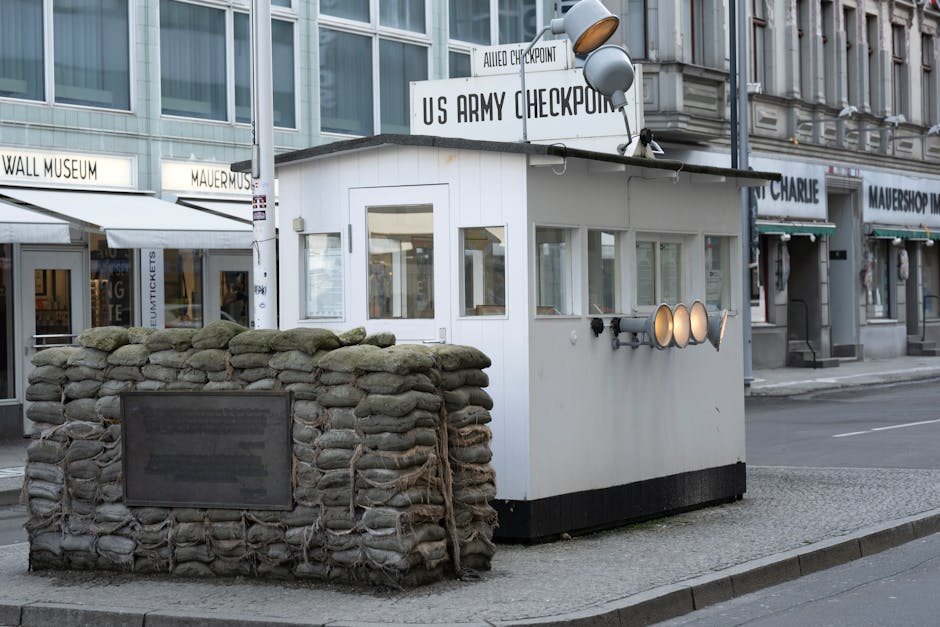
Explore the sites of Nazi power and the memorials that honor its victims on this self-guided walk through Berlin's historic Wilhelmstraße district.
 Moderate
Berlin, Germany
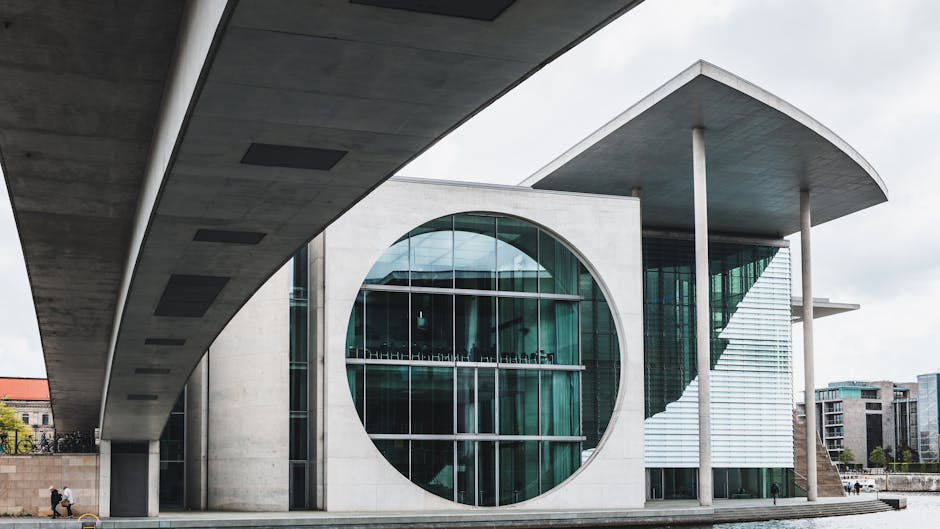
Explore Berlin’s 'Green Heart' on a self-guided walk through royal history, Cold War memorials, and serene lakeside gardens.
 Moderate
Berlin, Germany
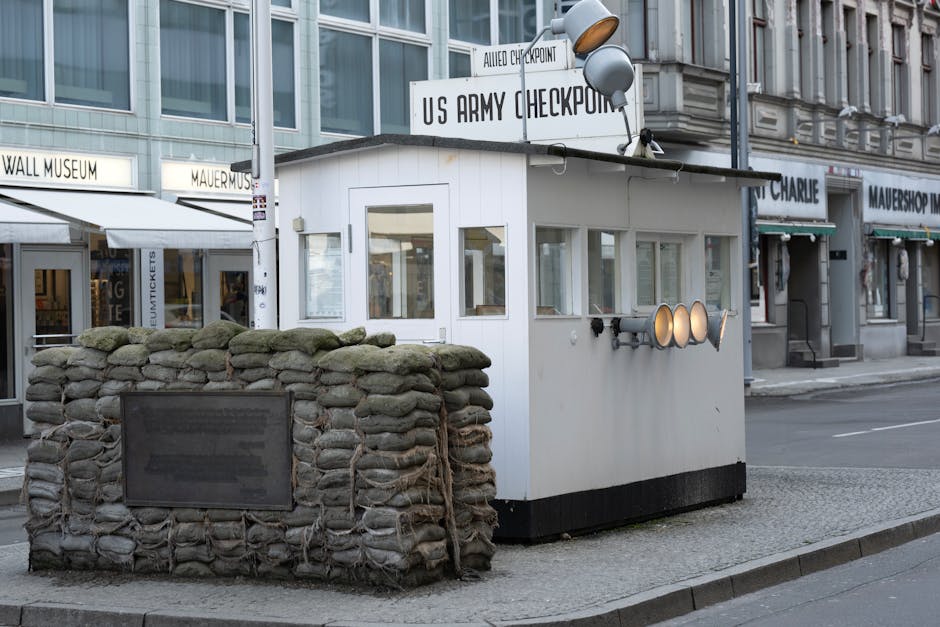
Discover the legacy of the Berlin Wall on this self-guided walk from historic ghost stations to the vibrant street art and cafes of Mauerpark.
 Easy
EasyBerlin, Germany
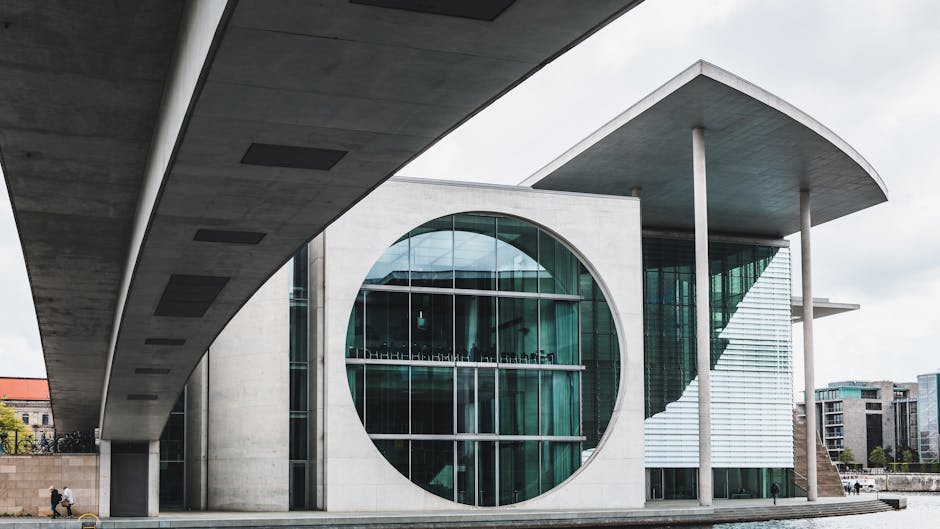
Discover the soul of 1920s Berlin on a self-guided walk through Charlottenburg’s iconic literary cafes, historic theaters, and artistic landmarks.
