Step into a world where the scent of roasted coffee and exotic spices lingers in the air between towering red-brick warehouses. This self-guided walk invites you to explore the Speicherstadt, Hamburg's 'City of Warehouses' and a UNESCO World Heritage site. Built between 1883 and 1927, this district represents the pinnacle of Brick Gothic and Brick Expressionist design, standing on thousands of oak piles driven into the Elbe riverbed. On this walking tour Hamburg, you will discover how a once-exclusive customs-free zone transformed into a vibrant cultural hub without losing its industrial soul. As you navigate the intricate network of canals, known locally as 'Fleets,' you will encounter the district's most iconic landmarks. The route begins at the Poggenmühlen Bridge, offering the quintessential postcard view of the district, before leading you to the architectural marvel of the Chilehaus. This building, shaped like a massive ship’s prow, is a masterpiece of early 20th-century architecture and a symbol of the city's maritime history. The history of global trade comes alive as you pass former customs houses and modern museums housed in 19th-century storage blocks. This neighborhood stroll is designed for those who appreciate the intersection of industrial heritage and aesthetic beauty. You will learn about the 'Quartiersleute'—the traditional warehouse keepers who handled everything from rubber to carpets—and see how their legacy continues in the specialty coffee shops and spice museums that occupy these spaces today. Whether you are a photography enthusiast looking for the perfect bridge shot or a history buff eager to understand Hamburg's rise as a global port, this walking route provides the flexibility to explore independently and at your own pace.
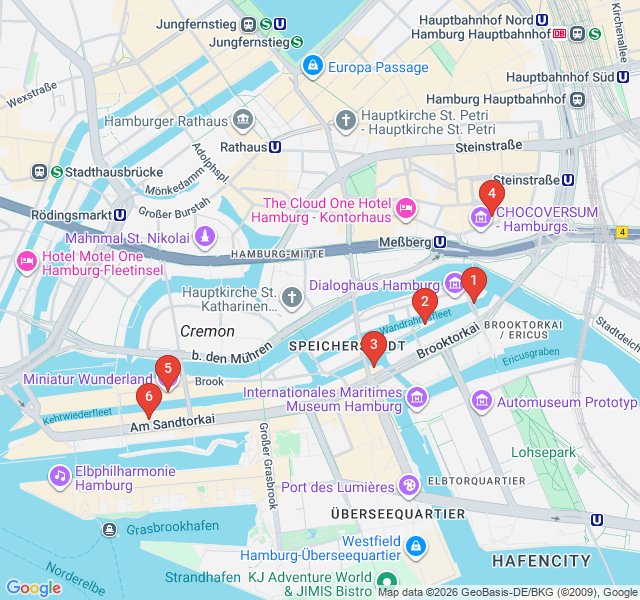
Numbers indicate the order of stops on the tour
Start your self-guided adventure at the Poggenmühlen Bridge. This is arguably the most photographed spot in all of Hamburg. From here, you look down the Wandrahmsfleet canal toward the Wasserschloss. Notice the symmetry of the red-brick warehouses and how they rise directly out of the water. These buildings were designed with both utility and beauty in mind, featuring ornate gables and copper-clad turrets. The bridge itself is a reminder of the engineering required to connect these man-made islands. For over a century, this view has captured the essence of Hamburg’s 'Speicherstadt'—a city within a city dedicated entirely to the storage of high-value goods like tea, silk, and spices.
The Wasserschloss, or 'Water Castle,' is the architectural jewel of the district. Built between 1905 and 1907, it wasn't a residence for royalty, but rather a functional hub for the warehouse workers. It originally housed the workshops and living quarters for the technicians who maintained the district's hydraulic cranes. Because it sits at the confluence of two canals, it survived the heavy bombings of WWII remarkably well. Today, it serves as a traditional tea house and restaurant. Look closely at the facade to see the intricate brick patterns that define the Brick Gothic style—a revivalist movement that used local materials to create grandeur in an industrial setting.
This charming, diminutive building is the Fleetschlösschen. In a district defined by massive blocks, this tiny structure stands out. It was originally a customs office, built to monitor the goods moving between the free port and the city. Its location at the edge of the canal was strategic for checking barges. Over the years, it has served as a fire station and a public toilet before being carefully restored into the cafe you see today. It represents the 'human scale' of the Speicherstadt, providing a contrast to the monolithic warehouses nearby. It is a perfect example of how Hamburg repurposes its historic infrastructure for modern leisure.
A short walk takes you to the Chilehaus, a UNESCO World Heritage site and a titan of Brick Expressionism. Designed by architect Fritz Höger and completed in 1924, its most striking feature is the eastern tip, which resembles the prow of a massive ship cutting through the streets. The building was commissioned by Henry Sloman, who made his fortune trading saltpeter from Chile—hence the name. The facade is made of 4.8 million dark Oldenburg bricks, which shimmer with different hues depending on the light. This building wasn't just an office; it was a statement of Hamburg’s resilience and economic recovery following the First World War.
You are now standing outside 'Block D' of the Speicherstadt, home to Miniatur Wunderland. While famous for housing the world's largest model railway, the building itself is a prime example of the district's massive storage capacity. Each floor was designed to hold immense weight, which made it the perfect location for the heavy machinery and elaborate landscapes of the museum. The transition of this block from a warehouse for coffee and tobacco into a world-class tourist attraction mirrors the evolution of the entire district. Even if you don't head inside today, take a moment to observe the external hoists and pulleys above the windows, which were once used to haul heavy sacks directly from boats in the canal.
Our final stop is Spicy’s Spice Museum, located in an original warehouse floor. For centuries, Hamburg was the gateway for pepper, cinnamon, and cardamom entering Europe. Inside these thick brick walls, the climate stays naturally cool and dry—ideal for preserving the potency of spices. This museum is one of the few places where you can still experience the Speicherstadt as it was 100 years ago, complete with the original wooden floors and the lingering aroma of 900 different spice varieties. It’s a sensory conclusion to your walk, connecting the grand architecture you’ve seen to the tangible goods that built this city’s immense wealth.
Download Zigway to experience "Brick Gothic & Coffee: The Speicherstadt Route" with AI-powered audio narration. Walk at your own pace while stories unfold around you.
 Easy
EasyHamburg, Germany
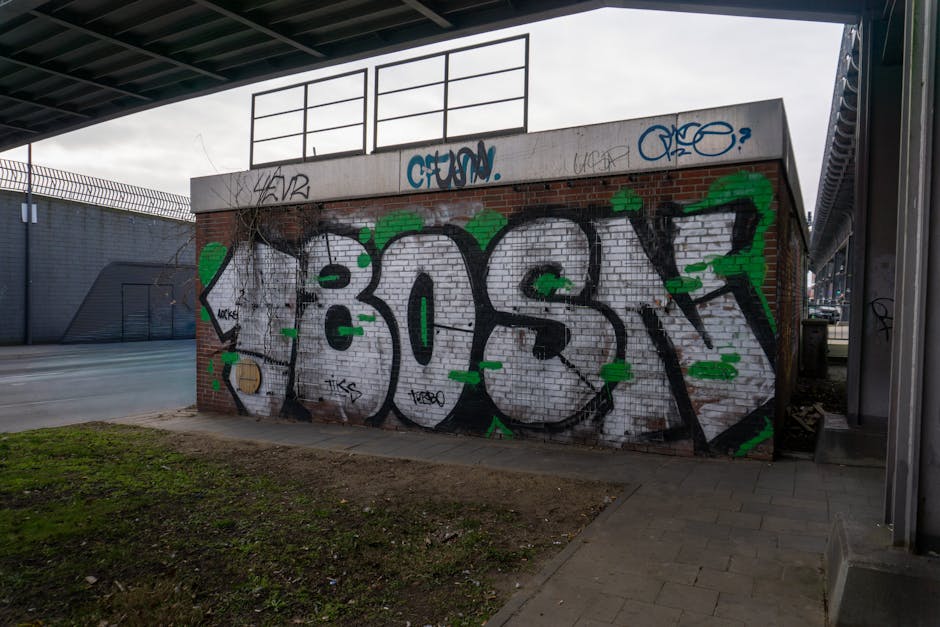
Explore the rebellious heart of Hamburg on a self-guided walk through Sternschanze, featuring iconic murals and radical social history.
 Easy
EasyHamburg, Germany
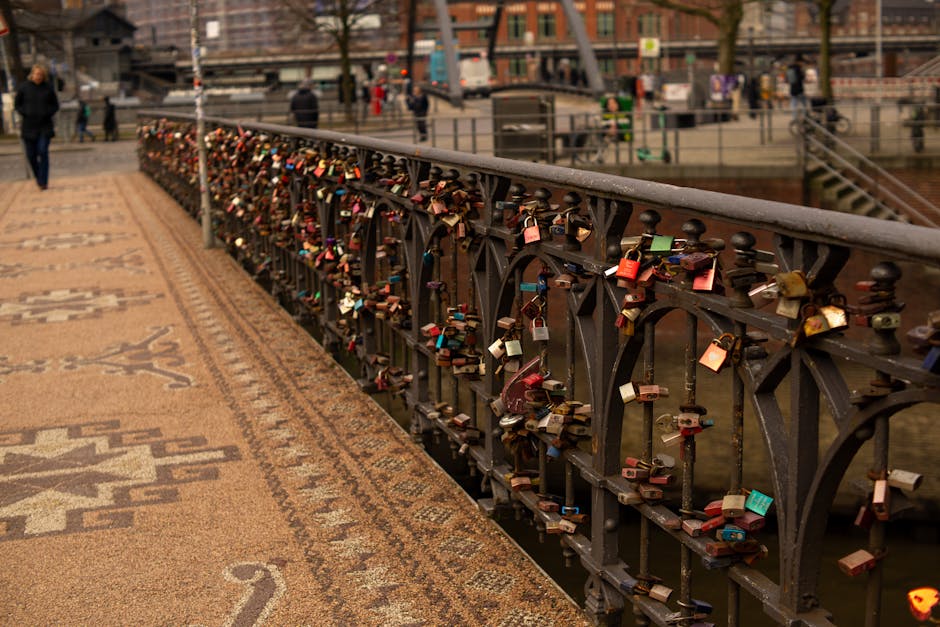
Explore Hamburg's most diverse district, where luxury hotels meet vibrant LGBTQ+ culture and historic art museums on this self-guided audio walk.
 Easy
EasyHamburg, Germany
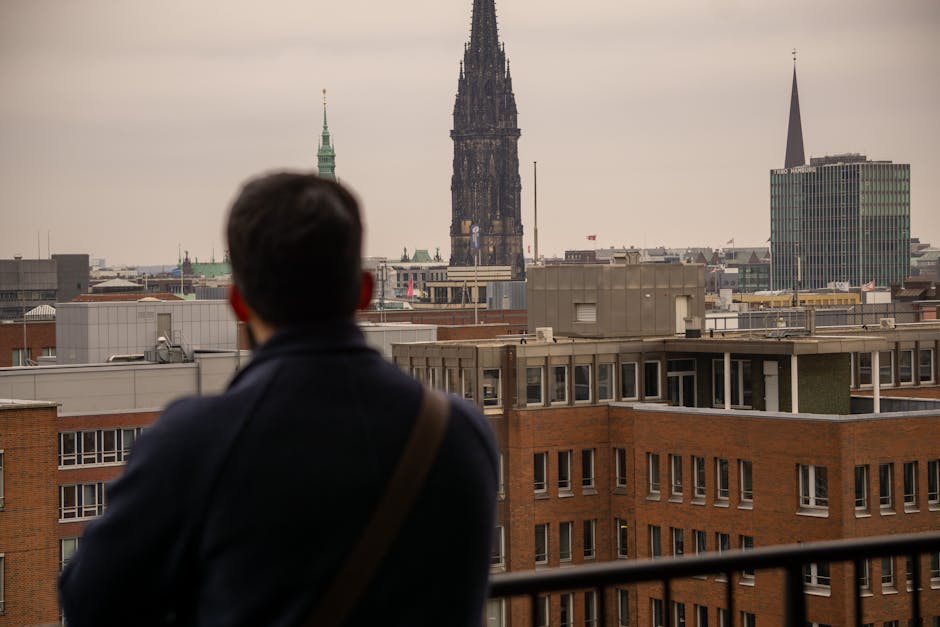
Explore the neon-lit legends of Hamburg's St. Pauli on this self-guided audio walk through the Reeperbahn’s history, music, and nightlife.
 Moderate
Hamburg, Germany
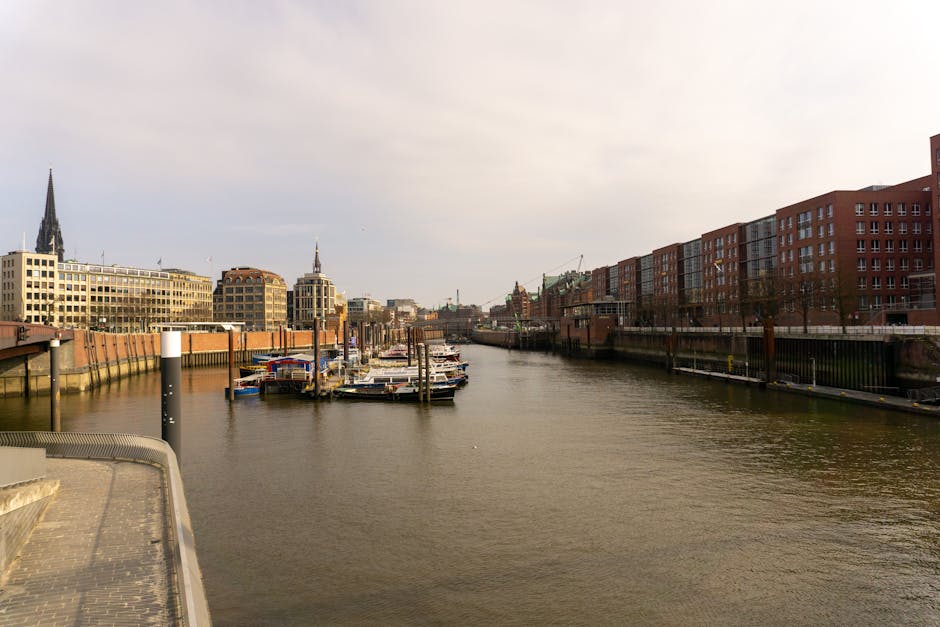
Discover Hamburg’s elegant waterfront on this self-guided walk from the bustling Jungfernstieg to the tranquil gardens of the Alsterpark.
 Easy
EasyGothenburg, Sweden
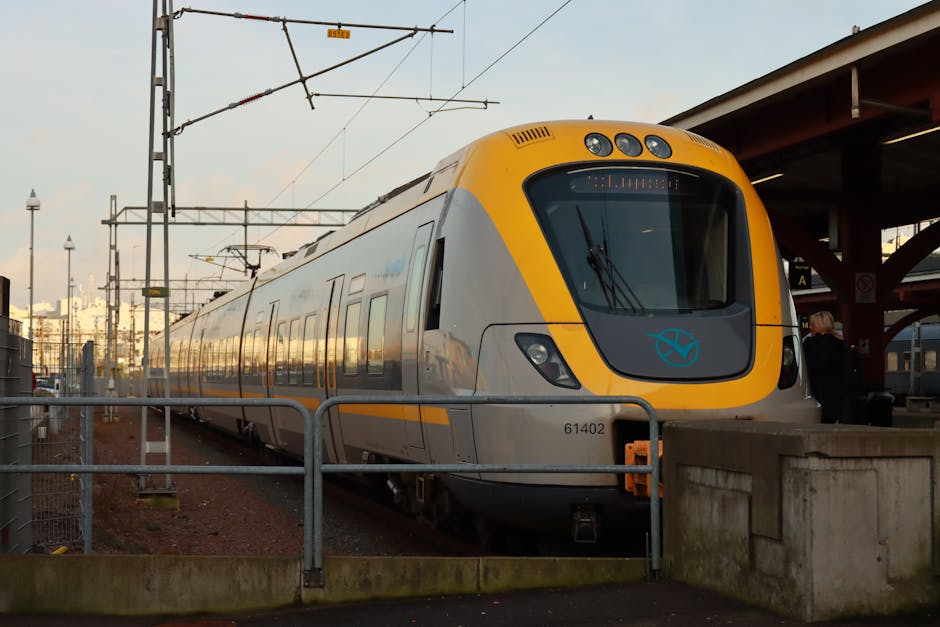
Discover Gothenburg’s 17th-century Dutch foundations, historic canals, and military fortifications on this self-guided architectural walk.
 Easy
EasyGdansk, Poland
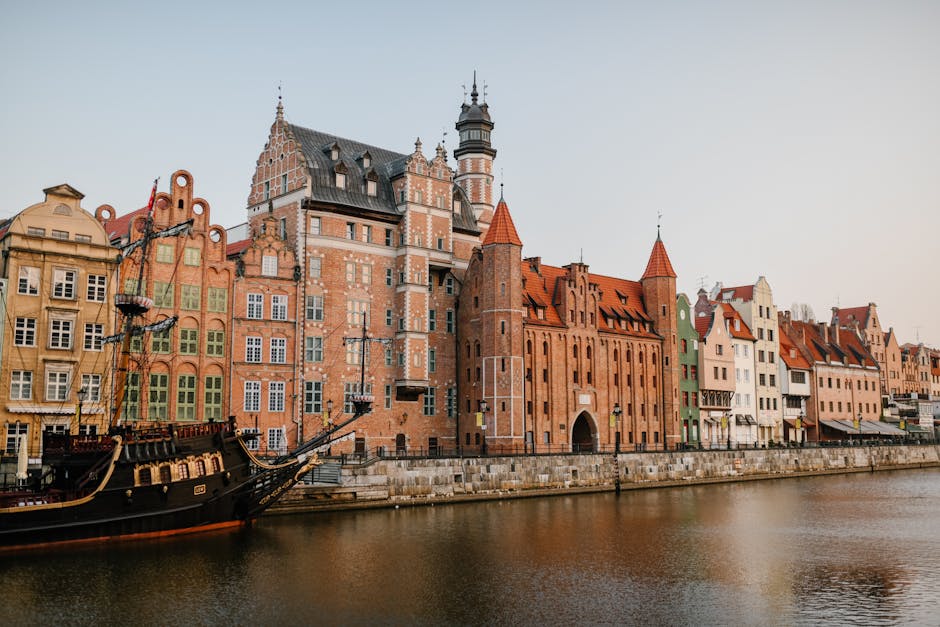
Discover the 'Baltic Gold' on this self-guided walk through Gdansk's historic mills, massive cathedrals, and the magical Mariacka Street.
 Easy
EasyGothenburg, Sweden
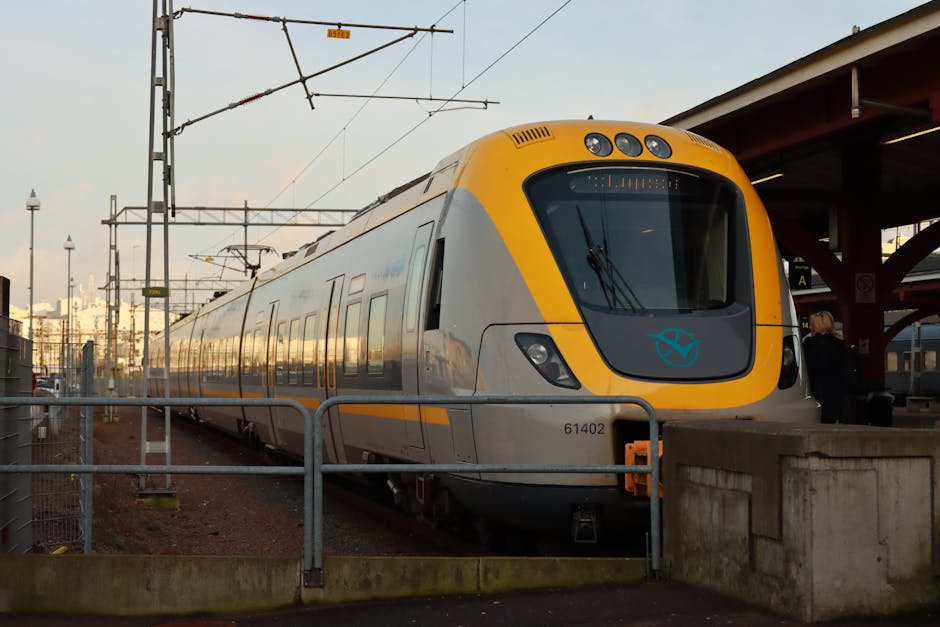
Explore Gothenburg's maritime soul on this self-guided walk from historic shipyards to sleek modern piers and iconic industrial landmarks.
 Easy
EasyNairobi, Kenya
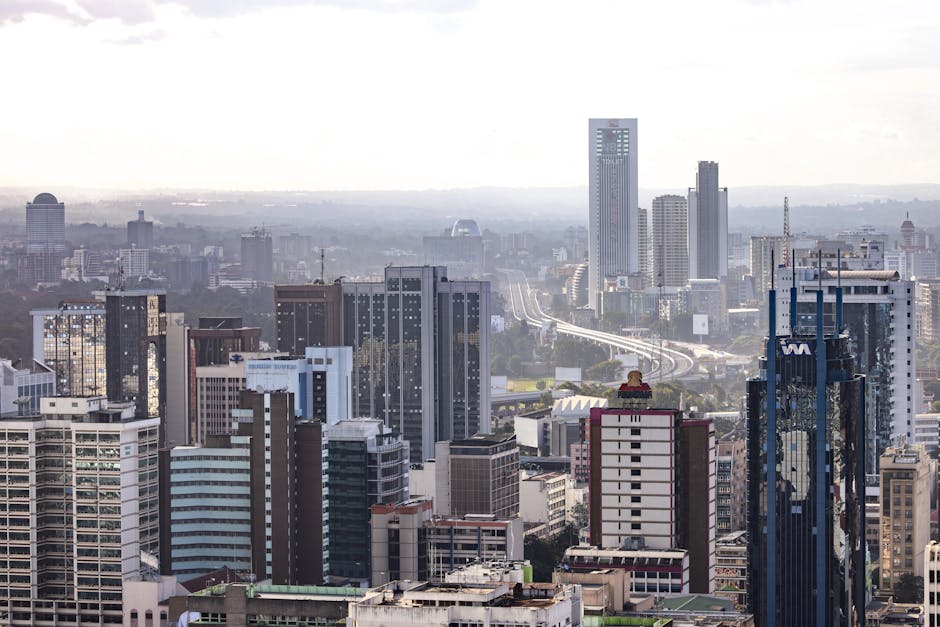
Explore Nairobi's architectural evolution from colonial-era landmarks to iconic Brutalist skyscrapers on this historic self-guided walking route.
 Easy
EasyBerlin, Germany
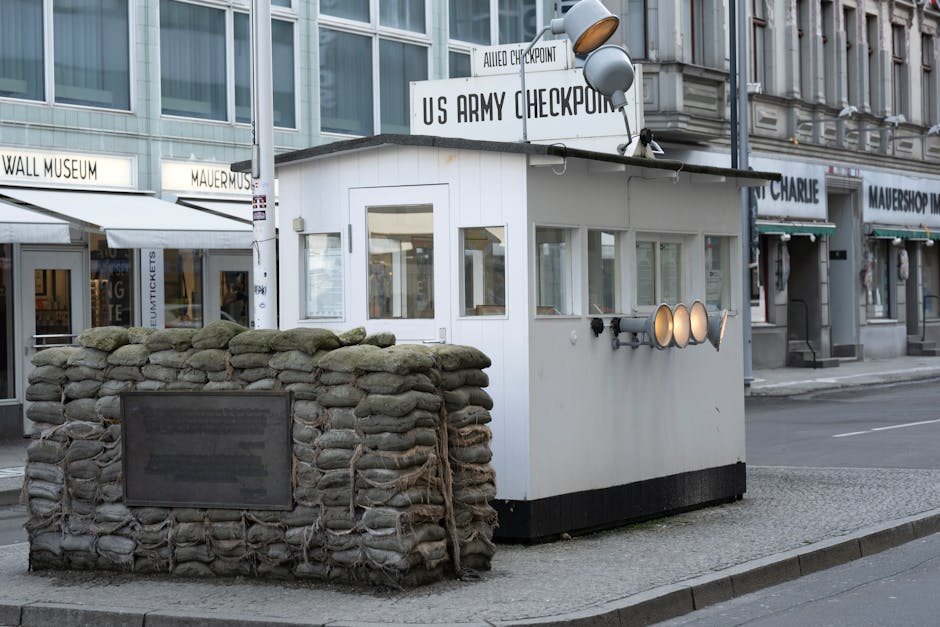
Explore the sites of Nazi power and the memorials that honor its victims on this self-guided walk through Berlin's historic Wilhelmstraße district.
 Moderate
Berlin, Germany
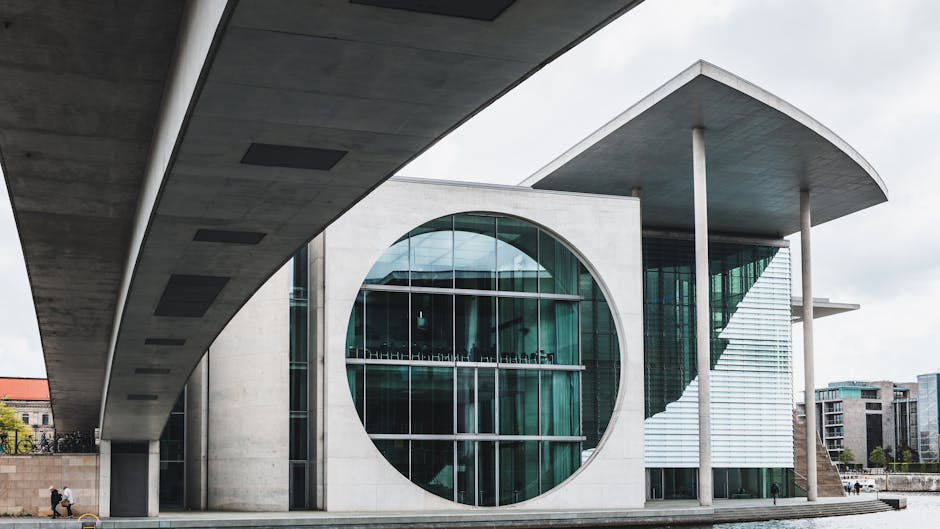
Explore Berlin’s 'Green Heart' on a self-guided walk through royal history, Cold War memorials, and serene lakeside gardens.
 Moderate
Berlin, Germany
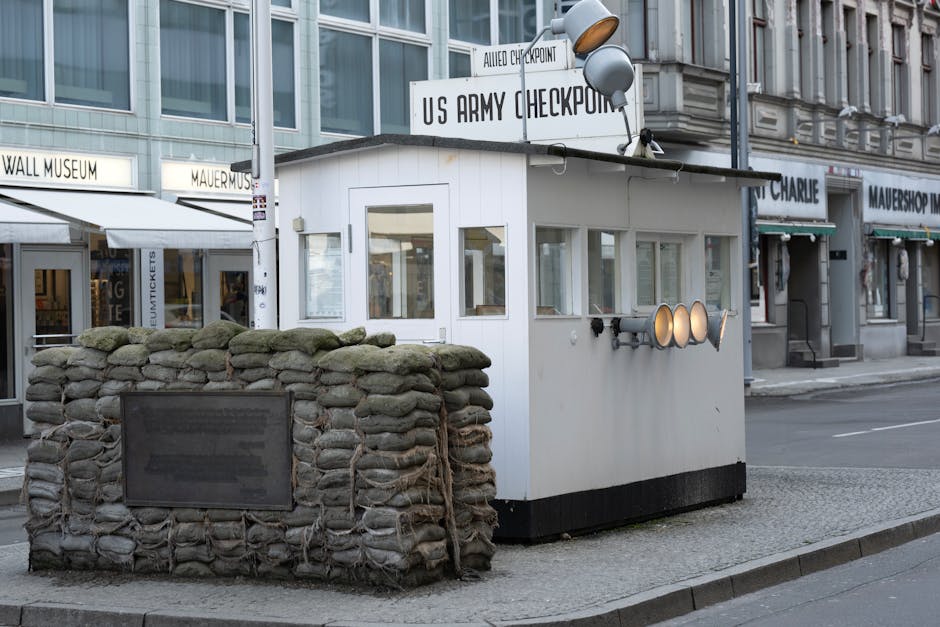
Discover the legacy of the Berlin Wall on this self-guided walk from historic ghost stations to the vibrant street art and cafes of Mauerpark.
 Easy
EasyBerlin, Germany
Discover the soul of 1920s Berlin on a self-guided walk through Charlottenburg’s iconic literary cafes, historic theaters, and artistic landmarks.
