Discover the striking contrast between Cologne’s industrial past and its futuristic present on this self-guided walk through the Rheinauhafen and beyond. Once a bustling commercial port, the Rheinauhafen district has undergone one of Europe’s most ambitious urban regenerations, transforming into a hub of cutting-edge architecture and luxury living. As you explore independently, you will witness how 19th-century brick warehouses now stand in the shadow of the 'Kranhäuser'—the iconic Crane Houses that have redefined the city's skyline. This route is a dream for those interested in photography and urban design, offering endless perspectives of glass, steel, and the shimmering Rhine river. Your neighborhood stroll begins at the Schokoladenmuseum, a landmark that sits on the tip of the harbor island, before leading you past the historic Malakoff Tower, a relic of the city's old fortifications. The heart of the journey focuses on the three Crane Houses, designed by architect Hadi Teherani, which mimic the shape of the massive loading cranes that once lined these quays. Beyond the harbor, this walking route invites you to see how Cologne’s architectural identity extends into its academic and religious spaces. From the Gothic majesty of the Cologne Cathedral to the breathtaking contemporary curves of the Cologne Central Mosque, you will experience the diverse styles that make this city a living museum of structural history. Whether you are a fan of sleek modernism or the rugged charm of industrial heritage, this self-guided adventure allows you to uncover the stories behind the facades at your own pace. You’ll navigate the transition from the historic Altstadt-Süd to the academic corridors of the University of Cologne, ending with a view from the right bank of the Rhine. This walking tour Cologne offers a unique lens through which to view the city, moving far beyond the typical tourist paths to show how a city can reinvent itself while honoring its roots. Prepare your camera for the sharp angles of the Rheinauhafen and the soft light reflecting off the river on this comprehensive architecture-themed exploration.
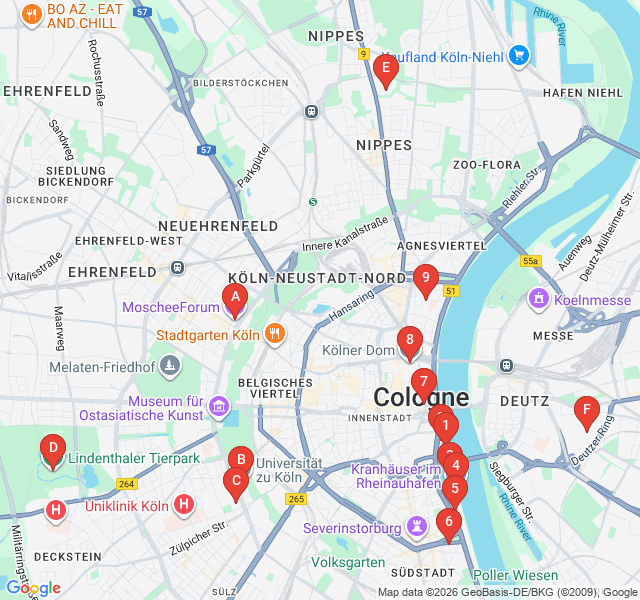
Numbers indicate the order of stops on the tour
Start exploring at the tip of the Rheinauhafen peninsula. The Chocolate Museum isn't just a treat for the palate; it's a significant architectural landmark. Opened in 1993, the building's ship-like design of glass and aluminum was intended to echo the maritime history of the site. It stands on the former 'Preußischer Zollhafen' (Prussian Customs Harbor). While today it celebrates the history of cocoa, the structure itself serves as the gateway between the historic Old Town and the modernized harbor district. Take a moment to look at how the building juts out into the Rhine, mimicking the prow of a vessel ready to set sail.
Standing as a silent guardian of the harbor, the Malakoff Tower is a stunning example of 19th-century military architecture. Built in 1848, this brick fortress-like tower was part of Cologne's river-side fortifications. Its name commemorates the Fort Malakoff in Sevastopol. Notice the intricate brickwork and the crenelated top, which give it a medieval appearance despite its industrial-era construction. In the late 1800s, it also housed the machinery for a massive swing bridge that allowed ships to enter the harbor. It serves as a perfect visual bridge between the city’s ancient defenses and the industrial boom that followed.
As you move south, you encounter the first of the three 'Kranhäuser' or Crane Houses. This is Kranhaus Nord. Completed in 2008, these buildings are the definitive symbols of modern Cologne. Designed by Hadi Teherani, the structure takes the form of an inverted 'L', reaching 60 meters into the sky. The design is a literal homage to the harbor cranes that once dominated this landscape. The upper floors cantilever out over the promenade, supported only by a slender glass tower. This specific building primarily houses office spaces, and its glass facade reflects the ever-changing colors of the Rhine and the sky.
Here you can see the full trio of Crane Houses. While they look similar, they serve different purposes: the middle one (Kranhaus 1) and the northern one are offices, while the southern one (Pandion Vista) contains luxury apartments. Collectively, they represent a feat of structural engineering. To support the massive overhang, the architects used a core of reinforced concrete and a steel frame system similar to bridge construction. This area has become a favorite for photographers because the buildings create a frame for the river, blending the heavy industrial heritage of the port with a lightweight, transparent future.
Amidst the glass and steel, the Altes Hafenamt (Old Port Office) provides a touch of Neo-Renaissance elegance. Built in 1889, this was the administrative heart of the harbor during its commercial peak. The red brick facade and ornate decorations contrast sharply with the minimalist Crane Houses nearby. It survived the bombings of World War II and was meticulously restored. Today, it serves as a reminder of the wealth and prestige the harbor brought to Cologne in the late 19th century. Look for the decorative elements on the roofline that signal its former status as a government building.
Leaving the immediate waterfront, you reach the Südstadt campus of the Technical University of Cologne. This building is a prime example of historicist architecture, originally constructed as a school for civil engineering. Its grand entrance and symmetrical wings reflect the importance of technical education in the early 20th century. The building marks the transition from the commercial harbor district into the residential and academic heart of the Südstadt neighborhood. The blend of red brick and stone detailing here echoes the style of the Altes Hafenamt, showing a consistent aesthetic for the city's public infrastructure at the time.
Heading back toward the center, you arrive at Heumarkt, one of Cologne's largest and most historic squares. Since the Middle Ages, this has been a vital center of trade. Architecturally, the square is a mix of post-war reconstructions and traditional styles. In the center stands the massive equestrian statue of King Frederick William III of Prussia. The square serves as an urban lungs for the city, connecting the riverfront to the shopping districts. Observe the narrow gables of the surrounding houses, which, though many are modern rebuilds, maintain the medieval verticality that defined Cologne for centuries.
No architectural route in Cologne is complete without the Kölner Dom. This Gothic masterpiece took over 600 years to complete, from 1248 to 1880. It is a masterclass in the High Gothic style, featuring flying buttresses, ribbed vaults, and two massive spires that were the tallest structures in the world when finished. The cathedral was built to house the Reliquary of the Three Kings, and its scale was intended to reflect the glory of the Holy Roman Empire. Even in a city of modern glass, the dark, intricate stone of the Cathedral remains the undisputed anchor of the skyline.
Located near the cathedral, this institution represents the modern side of Cologne’s cultural life. The architecture here is more functionalist, designed to optimize acoustics and practice space for one of Europe's leading music academies. It stands as a testament to the city's commitment to the arts, providing a sharp visual break from the surrounding historic streets. The campus often hums with the sound of rehearsals, making it a unique sensory stop where the 'architecture' of sound meets the physical structure of the city.
A short transit or long walk away is the Cologne Central Mosque, a breathtaking example of contemporary religious architecture. Designed by Paul Böhm, whose father and grandfather were also famous architects, the mosque features a concrete and glass dome that appears to be opening like a flower bud. The design does away with traditional heavy walls, opting for transparency to symbolize openness and integration. The two 55-meter minarets are sleek and stylized, blending Ottoman traditions with modern European aesthetics. It is widely considered one of the most beautiful modern mosques in the Western world.
The main campus of the University of Cologne offers a look at mid-20th-century academic architecture. As one of the oldest and largest universities in Europe, its buildings reflect a variety of styles, but the central areas are dominated by post-war modernism. The Main Building (Hauptgebäude) is characterized by its clean lines and functional layout, typical of the 1950s rebuilding phase. It represents the intellectual core of the city and shows how Cologne prioritized educational infrastructure during its recovery from the war.
Adjacent to the university is the Library, a building that prioritizes light and space. The architecture here is designed to facilitate quiet study and the preservation of millions of volumes. Its facade is a mix of glass and concrete, typical of the late modern style that aimed to make public institutions feel more accessible and less imposing. The library serves as a bridge between the university students and the general public, housing significant historical archives alongside modern digital resources.
For a change of pace, the Lindenthaler Tierpark shows how landscape architecture integrates nature into the urban fabric. This public park and animal enclosure is a 'green lung' for the western part of the city. The layout follows the principles of English landscape gardens, with winding paths and water features. It demonstrates the city's 19th-century expansion plans, where green belts were preserved to ensure the health and well-being of the growing urban population. It’s a peaceful contrast to the hard lines of the harbor’s steel and glass.
This vocational college represents the contemporary approach to educational spaces in Cologne. The building uses modern materials and a layout that encourages collaboration and light-filled learning environments. It is part of the city's ongoing investment in modernizing its school buildings, often using sustainable materials and energy-efficient designs. Architecturally, it shows the move away from the rigid corridors of the past toward more fluid, open-plan spaces.
End your walk on the 'Schäl Sick'—the right bank of the Rhine. The Deutz campus of TH Köln is a massive complex that showcases late-20th-century functionalism. While perhaps less 'ornate' than the harbor buildings, it is a vital piece of the city's technical identity. From here, you have an incredible view back across the river toward the Crane Houses and the Cathedral. This vantage point allows you to see the full scope of the 'Steel, Glass, and Cranes' transformation, witnessing how the old and new sides of Cologne are connected by the mighty Rhine.
Download Zigway to experience "Steel, Glass, and Cranes: The Rheinauhafen Transformation" with AI-powered audio narration. Walk at your own pace while stories unfold around you.
 Easy
EasyCologne, Germany
Explore ancient Colonia. Discover Roman ruins, imperial palaces, and hidden monuments on this self-guided walk through Cologne's historic heart.
 Easy
EasyCologne, Germany
Discover 2,000 years of Jewish history in Cologne, from Roman roots and medieval ritual baths to modern resilience and poignant memorials.
 Easy
EasyCologne, Germany
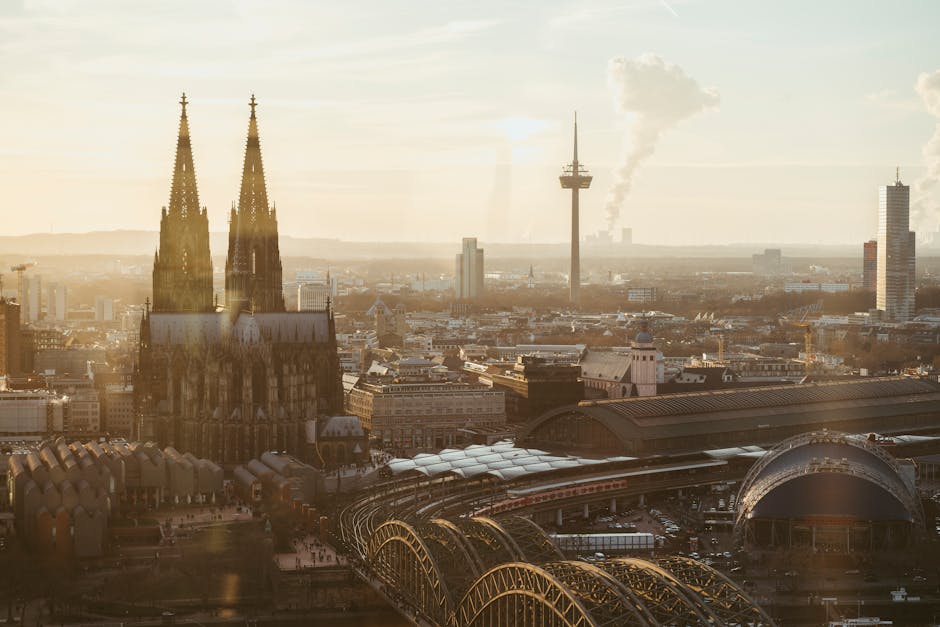
Discover the legends and liquid gold of Cologne’s Altstadt on this self-guided walking route through historic breweries and ancient squares.
 Moderate
Cologne, Germany
Discover the heart of Cologne's Südstadt. Explore medieval gates, Romanesque churches, and vibrant local life on this self-guided neighborhood walk.
 Easy
EasyGdansk, Poland
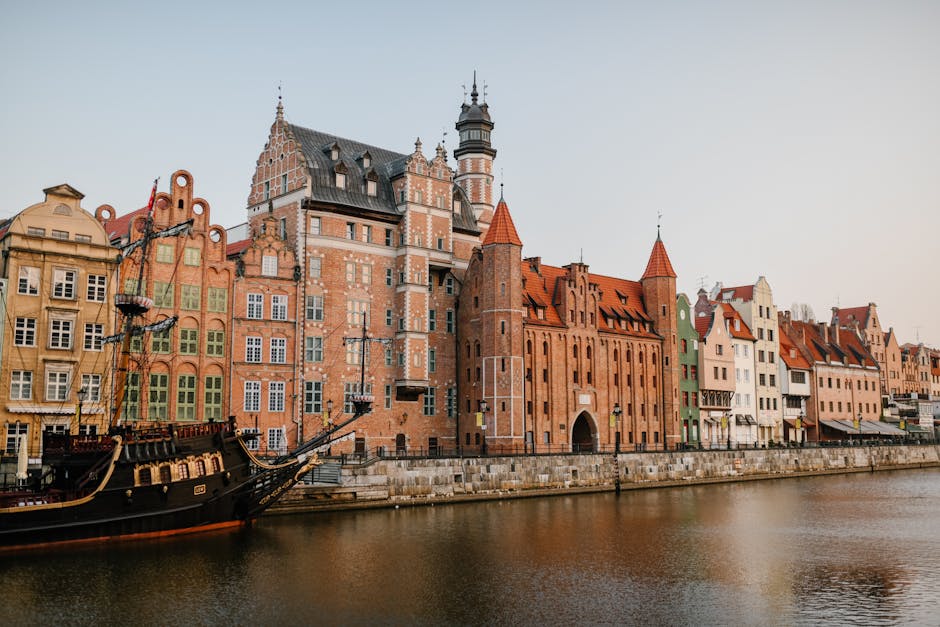
Discover the 'Baltic Gold' on this self-guided walk through Gdansk's historic mills, massive cathedrals, and the magical Mariacka Street.
 Easy
EasyGothenburg, Sweden
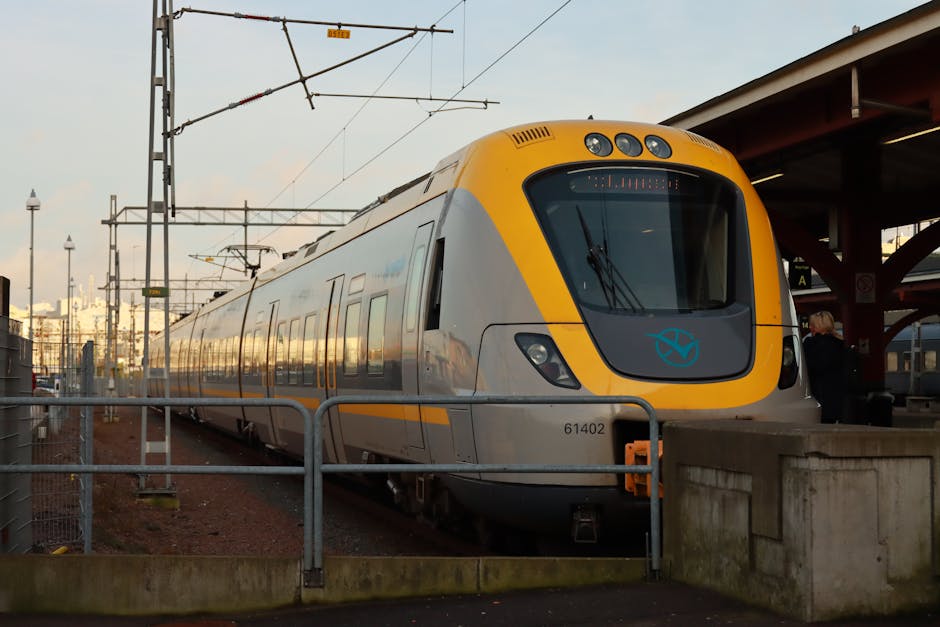
Explore Gothenburg’s historic wooden houses, legendary giant cinnamon buns, and panoramic fortress views on this self-guided neighborhood stroll.
 Easy
EasyGothenburg, Sweden
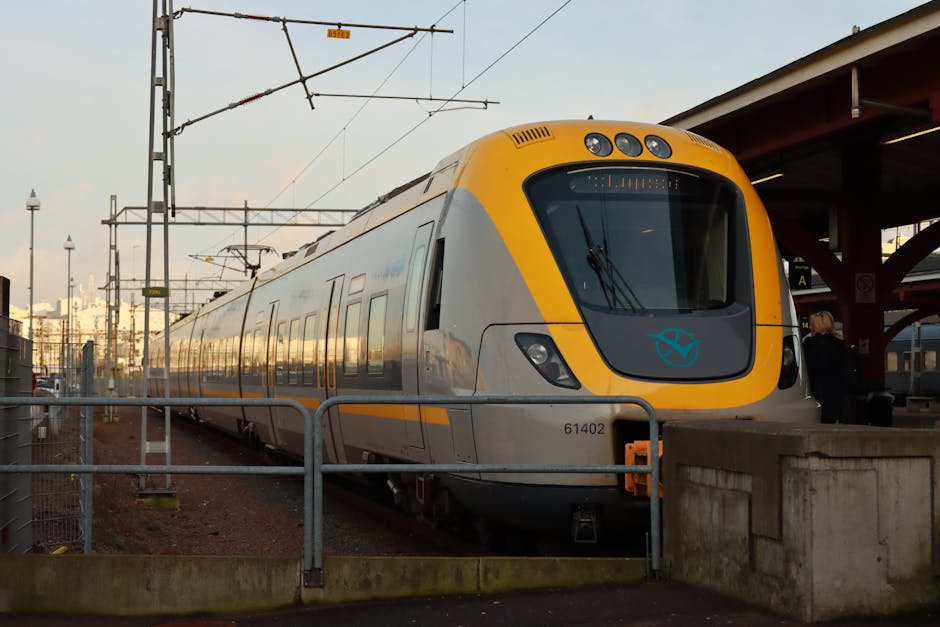
Explore Gothenburg's maritime soul on this self-guided walk from historic shipyards to sleek modern piers and iconic industrial landmarks.
 Easy
EasyGothenburg, Sweden
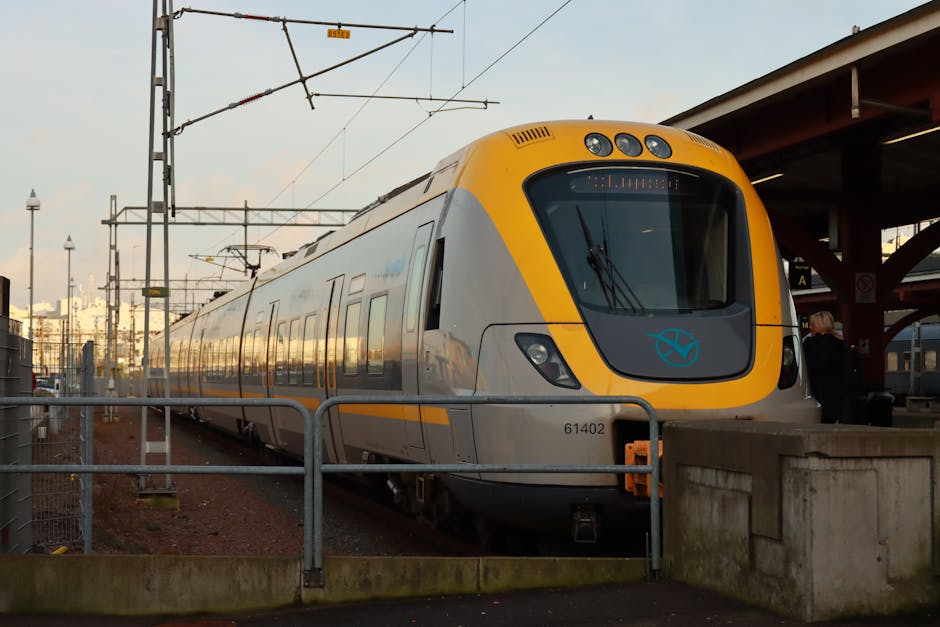
Discover Gothenburg’s 17th-century Dutch foundations, historic canals, and military fortifications on this self-guided architectural walk.
 Easy
EasyBerlin, Germany
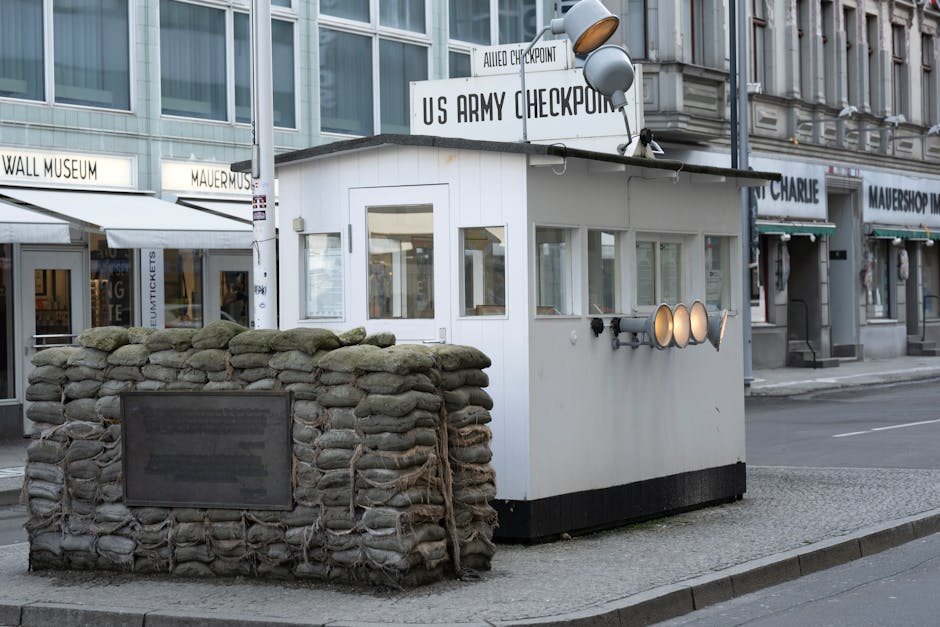
Explore the sites of Nazi power and the memorials that honor its victims on this self-guided walk through Berlin's historic Wilhelmstraße district.
 Moderate
Berlin, Germany
Explore Berlin’s 'Green Heart' on a self-guided walk through royal history, Cold War memorials, and serene lakeside gardens.
 Moderate
Berlin, Germany
Discover the legacy of the Berlin Wall on this self-guided walk from historic ghost stations to the vibrant street art and cafes of Mauerpark.
 Easy
EasyBerlin, Germany
Discover the soul of 1920s Berlin on a self-guided walk through Charlottenburg’s iconic literary cafes, historic theaters, and artistic landmarks.
