Lisbon is often called the 'City of Light,' but it could just as easily be named the 'City of Glazed Art.' On this self-guided walk, you will discover how the humble azulejo transformed from a simple building material into a national treasure. This walking route takes you through the heart of Lisbon’s historic districts, revealing the stories hidden behind the ceramic facades that define the city's aesthetic. The journey begins in the vibrant Intendente neighborhood, once a neglected corner of the city and now a showcase for some of the most stunning glazed work in Portugal. You will explore the legacy of the Viúva Lamego factory, whose facade remains one of the most photographed spots in Lisbon. As you move toward the Baixa district, the architecture shifts to the 'Pombaline' style, where ceramic squares were used for both beauty and fire protection following the devastating 1755 earthquake. This neighborhood stroll offers a unique perspective on Lisbon’s resilience and creativity. Along the way, you will visit landmarks like the Casa dos Bicos, where the architecture itself mimics the geometry of patterned art, and the Miradouro de Santa Luzia, home to large-scale panels depicting historic battles and cityscapes. The route concludes at the National Tile Museum, housed in a former 16th-century convent, which holds the most comprehensive collection of Portuguese pottery in the world. This self-guided walking tour Lisbon is perfect for art lovers, history buffs, and anyone who wants to see the city through a more colorful lens. By following this trail independently, you can linger at the details that catch your eye, from the Moorish-inspired geometric patterns to the grand Baroque narratives in blue and white. It is an invitation to look up and look closely at the ceramic canvas that makes Lisbon one of the most visually captivating cities in Europe.
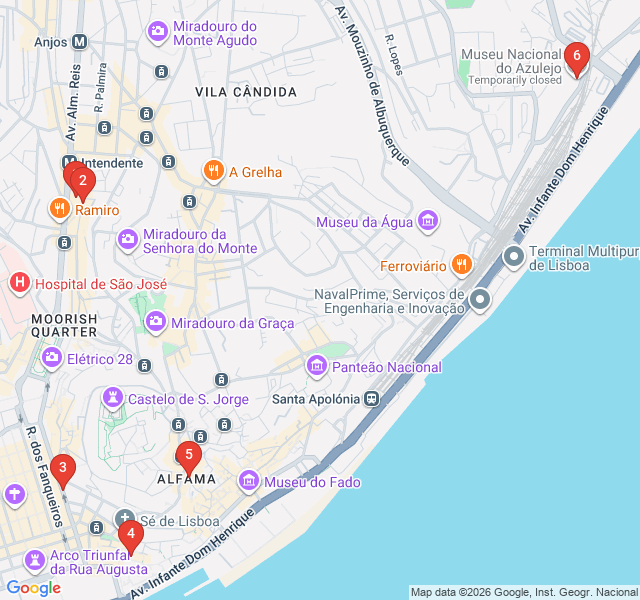
Numbers indicate the order of stops on the tour
Welcome to the start of your ceramic adventure. Standing before you is the former factory of Viúva Lamego, established in 1849. The building is a masterpiece of 19th-century art, featuring a facade entirely covered in allegorical figures and romantic motifs designed by the director, Ferreira das Tabuletas. Look closely at the figures representing commerce and industry, reflecting the factory's origins. Though the production has moved, this building remains a vibrant testament to Lisbon's industrial heritage. The glazed panels here aren't just decorative; they were a form of architectural advertising, showcasing the factory's skill to every passerby. This spot sets the stage for our journey, illustrating how ceramics began to wrap around the very skin of the city.
Largo do Intendente was once a forgotten corner of Lisbon, but today it is a symbol of urban renewal. The square is anchored by the beautiful building that served as the Viúva Lamego showroom. Notice the intricate patterns and the ceramic benches that invite you to sit and soak in the atmosphere. The renovation of this square in 2012 brought new life to the neighborhood, and glazed ceramics played a central role in its aesthetic rebirth. This space demonstrates how traditional motifs bridge the gap between history and modern urban design. It is a favorite local spot for a coffee, surrounded by some of the most intricate 19th and 20th-century work in the city.
As you walk down Rua da Madalena, you enter the heart of the Pombaline Baixa, the area rebuilt after the Great Earthquake of 1755. Here, the ceramics take on a more functional role. Known as 'padrão' or pattern styles, these repeating geometric designs were mass-produced to quickly and affordably decorate the new city. They weren't just for show; glazed surfaces were found to be fire-resistant and helped protect buildings from the damp Atlantic air. Observe the rhythmic patterns that line the street—they represent a transition from the bespoke, hand-painted panels of the wealthy to a more democratic and industrial form of art that defined Lisbon’s modern identity.
The Casa dos Bicos, or 'House of Spikes,' is one of Lisbon’s most curious architectural gems. Built in the early 16th century, its facade is covered in over 1,100 diamond-shaped stones, inspired by Italian Renaissance palaces. While not made of ceramic, the geometric precision of the 'spikes' mirrors the mathematical beauty found in early Moorish pattern work. Today, it houses the José Saramago Foundation, dedicated to the Nobel Prize-winning author. The building survived the 1755 earthquake, making it a rare survivor of old Lisbon. It serves as a reminder that Lisbon’s love for textured, repetitive facades extends beyond just glazed panels into the very masonry of the city.
This viewpoint offers more than just a stunning vista of the Tagus River; it is home to two significant panels that tell the story of Lisbon. On the side of the church, you will find blue and white compositions depicting the Praça do Comércio as it looked before the 1755 earthquake and the 1147 Christian conquest of Lisbon from the Moors. These 'historiated' panels were the 18th-century equivalent of a history book, using the durable medium of glazed clay to preserve national memories. The cool blue tones against the white background are classic examples of the 'Joanine' style, heavily influenced by the arrival of Chinese porcelain in Europe.
Our trail ends at the National Tile Museum, located in the former Convent of Madre de Deus. This is the ultimate pilgrimage site for ceramic lovers. The collection spans five centuries, showing the evolution from early Moorish mosaics to contemporary installations. The highlight is the 'Panorama of Lisbon,' a 23-meter-long panel created around 1700, showing the city's coastline in incredible detail before the earthquake. Inside, you can also see the gold-leafed church of Madre de Deus, where glazed panels and gilded wood create a breathtaking Baroque interior. It is the perfect place to reflect on how a simple square of clay became the soul of Portuguese architecture.
Download Zigway to experience "The Ceramic Canvas: A Self-Guided Tile Trail" with AI-powered audio narration. Walk at your own pace while stories unfold around you.
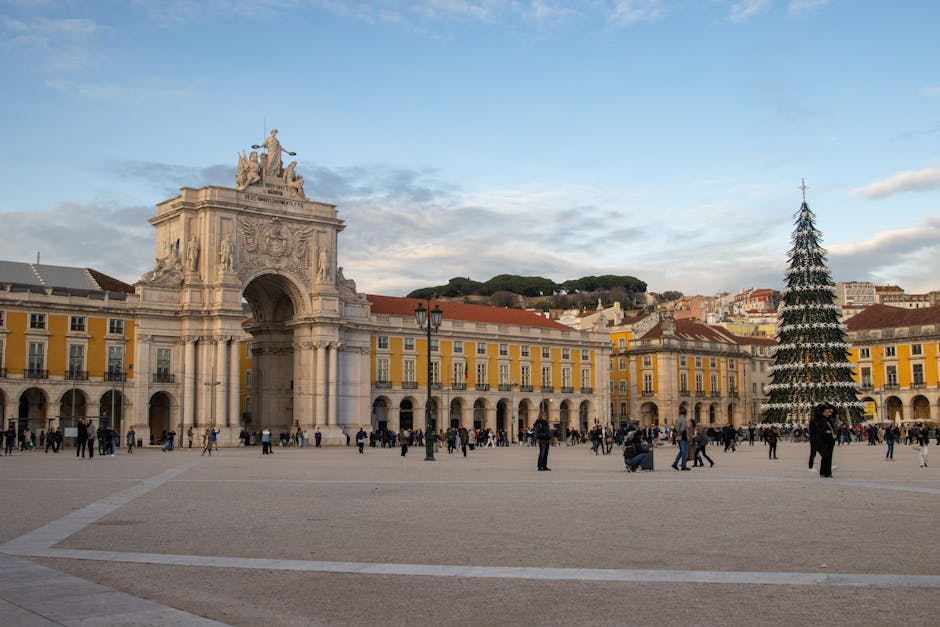 Easy
EasyLisbon, Portugal
Discover grand palaces, exotic botanical gardens, and hidden water reservoirs in Lisbon's most elegant and trendy neighborhood.
 Challenging
Lisbon, Portugal
Ascend to Lisbon's highest peaks. Explore the panoramic viewpoints, hidden gardens, and historic worker housing of the authentic Graça neighborhood.
 Moderate
Lisbon, Portugal
Experience Lisbon's bohemian soul on this evening walk through Bairro Alto's street art, panoramic views, and traditional cherry liqueur spots.
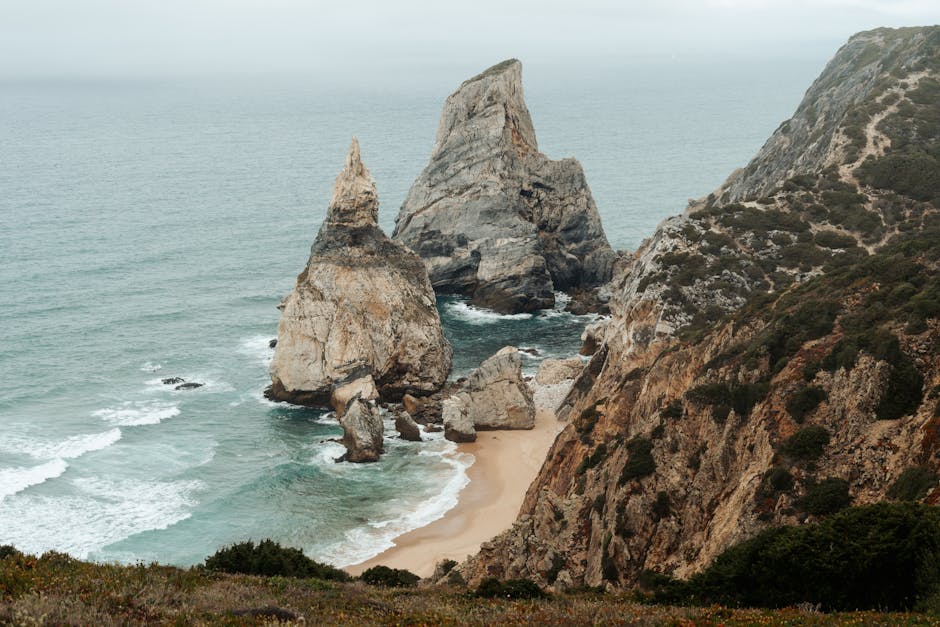 Moderate
Lisbon, Portugal
Discover the multicultural heart and Fado roots of Lisbon on this soulful self-guided walk through Mouraria's historic alleys.
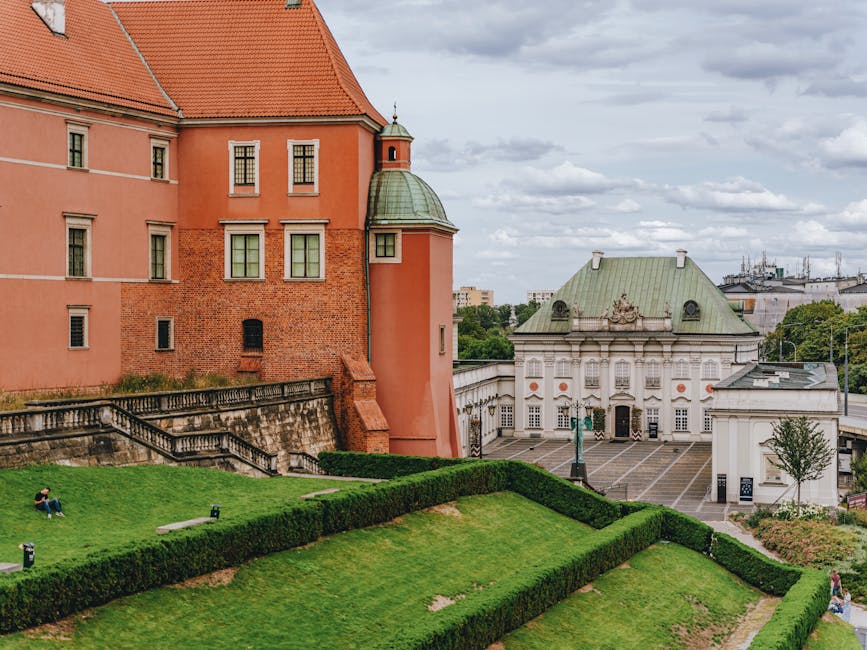 Easy
EasyWarsaw, Poland
Explore the miracle of Warsaw's reconstructed Old Town on this self-guided walk through royal squares, medieval walls, and heroic monuments.
 Easy
EasyGothenburg, Sweden
Explore Gothenburg's elegant academic district, featuring grand 19th-century stone architecture and the iconic cultural hub of Götaplatsen.
 Easy
EasyNairobi, Kenya
Explore the history of Kenya’s independence through the statues, monuments, and parks that define Nairobi’s political heart on this self-guided walk.
 Easy
EasyNairobi, Kenya
Discover Nairobi's iconic skyline on this self-guided architecture walk through the CBD’s most famous modernist and Brutalist landmarks.
 Easy
EasyPorto, Portugal
Taste the soul of Porto on this self-guided stroll through the historic Bolhão Market and its legendary surrounding food shops.
 Moderate
Porto, Portugal
Uncover the hidden history of Porto's Jewish community and the secrets of the Inquisition on this self-guided walking route through historic Miragaia.
 Challenging
Porto, Portugal
Explore Porto's 'High City' on this self-guided walk through Baroque landmarks, medieval cathedrals, and stunning panoramic viewpoints.
 Moderate
Porto, Portugal
Explore Porto's UNESCO-listed riverside district at your own pace through medieval alleys, golden churches, and historic maritime landmarks.
