Mouraria is the true soul of Lisbon, a place where the haunting echoes of Fado meet the vibrant scents of spices from across the globe. This self-guided walk invites you to step away from the polished tourist trails of Baixa and into a labyrinth of narrow alleys where history is etched into every stone and tile. As the birthplace of Fado and the former Moorish quarter of the city, Mouraria represents a unique intersection of Portuguese tradition and modern multiculturalism. On this walking route, you will uncover the stories of the legendary singer Maria Severa and the diverse immigrant communities that have shaped this district for centuries. The experience begins at the bustling Praça Martim Moniz, a square that serves as a vibrant gateway to the neighborhood, representing over 50 different nationalities. From there, you will climb the Escadinhas da Saúde, offering a glimpse of the Saint George Castle above, before diving deep into the historic Rua do Capelão. This area is a living museum of music, where portraits of Fado icons line the walls, reminding us of the neighborhood's artistic legacy. You will also discover the poignant street art of Beco das Farinhas, where local faces are immortalized in photography projects that capture the aging residents of the quarter. This neighborhood stroll is not just about the landmarks; it is about the sensory atmosphere of a living community. You will pass by tiny 'tascas' serving traditional cherry liqueur and aromatic shops selling ingredients from Bangladesh to Brazil. The route concludes at the historic Parish Church of Saint Christopher and Saint Lawrence, a rare architectural gem that has survived centuries of change. Whether you are a photography enthusiast looking for hidden-gems or a music lover seeking the roots of Lisbon’s soulful melodies, this self-guided adventure provides an authentic look at the city’s most diverse district. It is a moderate walk that rewards your curiosity with stunning vistas, intricate street art, and intimate local stories that most travelers miss. By choosing this walking tour Lisbon explorers can experience the real, unpolished charm of the capital at their own pace. **Note:** This area is known for its ever-changing character. Street art, pop-up venues, and temporary exhibitions may differ from what's described. That's part of the adventure - you might discover something entirely new!
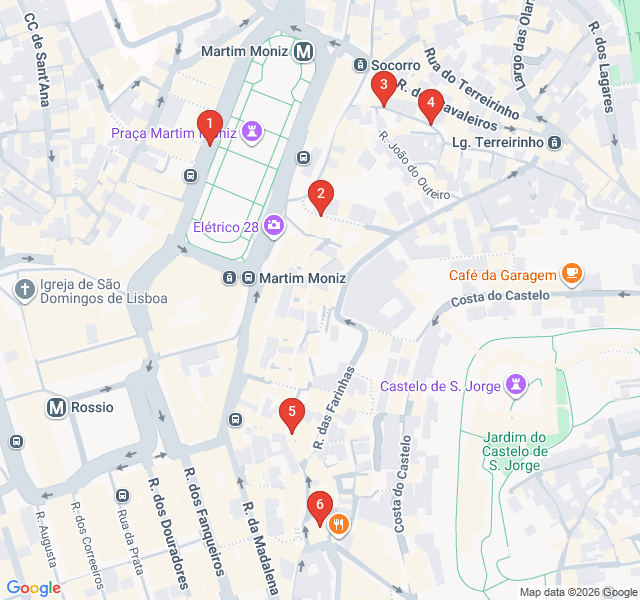
Numbers indicate the order of stops on the tour
Start exploring with Zigway at Praça Martim Moniz, the most multicultural square in Lisbon. This bustling hub is named after a legendary knight who, in 1147, sacrificed his life by wedging his body into the gates of the São George Castle to allow Christian forces to enter. Today, the square is a far cry from its medieval battles; it is a melting pot where over 50 nationalities converge. As you stand here, notice the variety of shops and kiosks serving everything from Chinese dumplings to African snacks. This square represents the modern face of Mouraria—a neighborhood that has always been a refuge for different cultures, from the Moors after the Reconquista to today's global immigrant communities.
Ascend the Escadinhas da Saúde, or 'Stairs of Health.' Don't let the name intimidate you; there is usually an escalator available to help you navigate the steep incline. As you rise above the square, look back for an expanding view of the city and the castle walls looming above. These stairs connect the lower city to the heart of the old Moorish quarter. Historically, this area was outside the city walls where the Moorish population was relocated after the Christian conquest in 1147. Today, it serves as a literal and metaphorical bridge between the commercial center and the ancient, winding streets of Mouraria.
Enter the Rua do Capelão, the spiritual heart of Fado music. As you walk down this narrow street, look at the walls—you'll see the 'Wall of Fame,' featuring portraits and names of famous Fado singers who were born or lived in this neighborhood. Fado, Portugal's soulful and melancholic musical genre, was born in these very taverns and brothels in the 19th century. The music expressed the 'saudade' or deep longing of the working class and sailors. Notice how the atmosphere shifts here; the narrowness of the street creates an intimate acoustic environment that once amplified the voices of Lisbon's most famous fadistas.
You have arrived at Largo da Severa, named after Maria Severa Onofriana, the first true superstar of Fado. She lived in the house marked with a plaque and a guitar-shaped stone in the pavement. Severa was a tall, striking woman who sang in the local taverns and died tragically young at age 26 in 1836. Her legend defined the image of the Fado singer—the black shawl she wore is still a staple of the costume today. This small square is a place of pilgrimage for music lovers. Take a moment to imagine the sound of the Portuguese guitar echoing off these stone walls over a century ago.
As you wander into Beco das Farinhas, look closely at the walls. You are entering an open-air gallery created by photographer Camilla Watson. Her project, 'Tribute,' features black-and-white portraits of the neighborhood's elderly residents printed directly onto the stone walls. These images are more than just art; they are a celebration of the people who have lived here for decades, witnessing the area's transformation. Please keep in mind that street art is inherently temporary; some portraits may have faded or been altered by time and weather, which only adds to the poignant story of a changing community. This narrow alleyway perfectly captures the intimate, human side of Lisbon’s history.
The final stop on this walking route is the Parish Church of Saint Christopher and Saint Lawrence. While many of Lisbon’s grand structures were leveled by the Great Earthquake of 1755, this church remarkably survived with its structure largely intact. It stands as a rare example of the transition between Manueline and Baroque styles in the city. Inside, if it is open, you can see beautiful 17th-century paintings and intricate gilded woodwork. The church serves as a quiet anchor for the community, perched at the edge where the steep hills of Mouraria begin to descend toward the Baixa district. It is a fitting place to reflect on the layers of history you have uncovered.
Download Zigway to experience "Mouraria's Melting Pot: Lisbon's Diverse Quarter" with AI-powered audio narration. Walk at your own pace while stories unfold around you.
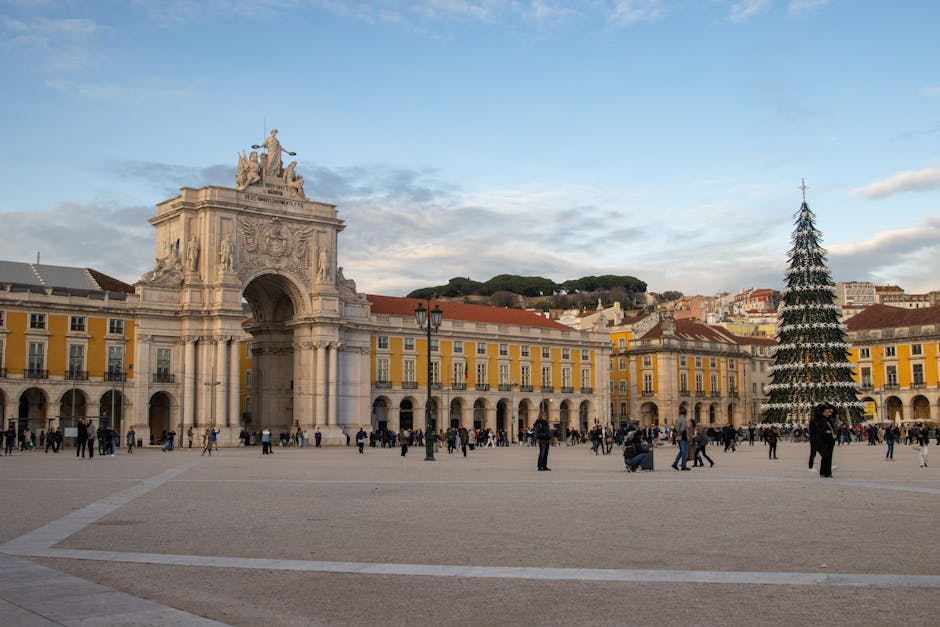 Easy
EasyLisbon, Portugal
Discover grand palaces, exotic botanical gardens, and hidden water reservoirs in Lisbon's most elegant and trendy neighborhood.
 Challenging
Lisbon, Portugal
Ascend to Lisbon's highest peaks. Explore the panoramic viewpoints, hidden gardens, and historic worker housing of the authentic Graça neighborhood.
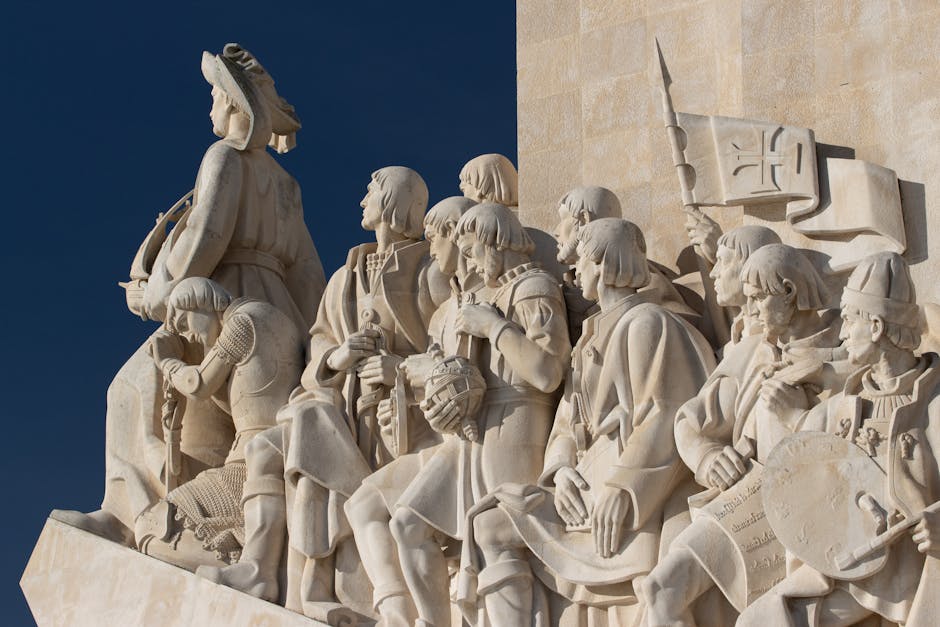 Moderate
Lisbon, Portugal
Experience Lisbon's bohemian soul on this evening walk through Bairro Alto's street art, panoramic views, and traditional cherry liqueur spots.
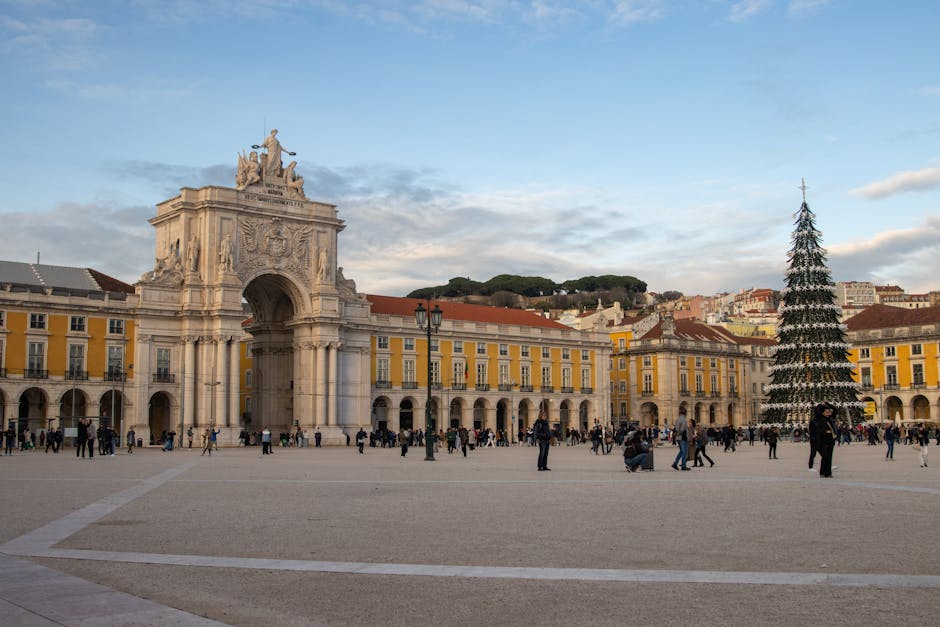 Easy
EasyLisbon, Portugal
Follow the footsteps of Fernando Pessoa through Lisbon’s elegant Chiado district on this self-guided literary and historical walking route.
 Moderate
Nairobi, Kenya
Taste your way through Nairobi's Westlands on this self-guided walk featuring street snacks, cultural landmarks, and hidden foodie gems.
 Moderate
Helsinki, Finland
Explore Helsinki's bohemian heart. Discover historic saunas, granite churches, and the vibrant local life of the Kallio neighborhood at your own pace.
 Moderate
Vienna, Austria
Discover the noir world of The Third Man and Cold War Vienna on this atmospheric self-guided audio walk through the historic Innere Stadt.
 Moderate
Gdansk, Poland
Discover Zaspa, a massive open-air gallery where grey housing blocks are transformed by over 60 monumental murals. Explore at your own pace.
 Easy
EasyPorto, Portugal
Taste the soul of Porto on this self-guided stroll through the historic Bolhão Market and its legendary surrounding food shops.
 Moderate
Porto, Portugal
Uncover the hidden history of Porto's Jewish community and the secrets of the Inquisition on this self-guided walking route through historic Miragaia.
 Challenging
Porto, Portugal
Explore Porto's 'High City' on this self-guided walk through Baroque landmarks, medieval cathedrals, and stunning panoramic viewpoints.
 Moderate
Porto, Portugal
Explore Porto's UNESCO-listed riverside district at your own pace through medieval alleys, golden churches, and historic maritime landmarks.
