Lisbon is famously known as the City of Seven Hills, and the neighborhood of Graça sits atop the highest of them all. This self-guided walk invites you to explore the most breathtaking panoramas in the Portuguese capital while immersing yourself in the authentic atmosphere of a traditional 'bairro'. As you navigate the winding alleys and steep inclines, you will discover why Graça remains a favorite for locals and photographers alike. This walking route is designed to showcase the dramatic contrast between Lisbon’s ancient roots and its vibrant modern life. Your journey begins at the highest natural point in the city, offering a bird's-eye view that stretches from the Tagus River to the 25 de Abril Bridge. From there, the path leads through hidden gardens and onto terraces where poets once found inspiration under the shade of pine trees. You will encounter grand monastic architecture and humble workers' housing, each telling a piece of the story of how Lisbon rebuilt itself after the devastating 1755 earthquake. This neighborhood stroll is more than just a series of viewpoints; it is an exploration of Lisbon’s soul. While this walking tour Lisbon experience requires some physical effort due to the hilly terrain, the rewards are unmatched. You will see the famous yellow Tram 28 rattling through narrow squares and find quiet corners where the scent of grilled sardines and the sound of Fado linger in the air. By choosing a self-guided adventure, you have the freedom to linger at a cafe or wait for the perfect sunset light at a 'miradouro' without the constraints of a group. Whether you are a photography enthusiast or a history buff, this neighborhood walk provides a deep dive into the character of Graça. Discover the architectural gems and local secrets that make this area a standout destination. This is not just a guided tour Lisbon alternative; it is a chance to truly inhabit the city at your own pace, uncovering the layers of history that define the Portuguese spirit.
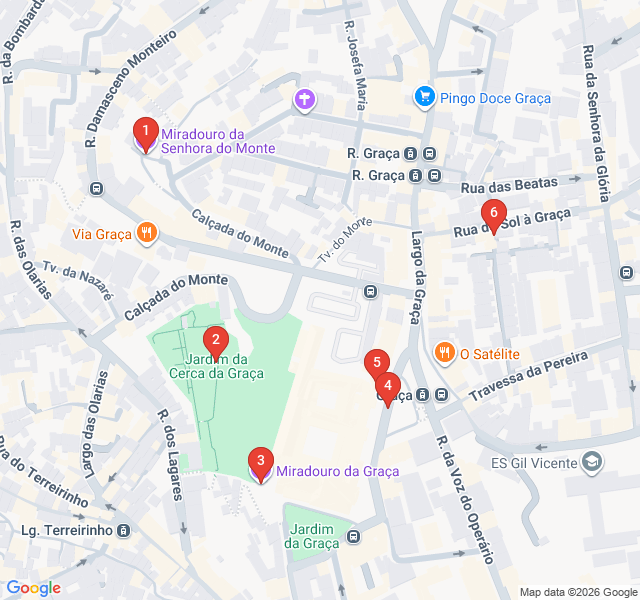
Numbers indicate the order of stops on the tour
Welcome to the highest point in Lisbon. This viewpoint, dedicated to Our Lady of the Mount, offers a panoramic vista that is arguably the best in the city. From here, you can see the São Jorge Castle, the Tagus River, and the sprawling red roofs of the Mouraria district. The small chapel behind you dates back to 1147, though it was rebuilt after the 1755 earthquake. It has long been a place of pilgrimage, particularly for expectant mothers seeking protection. Take a moment to appreciate the quiet atmosphere here, which is often less crowded than other viewpoints, making it a perfect spot for photography or quiet reflection before beginning your descent into the heart of Graça.
This lush green space was once the private fence and orchard of the Graça Convent. Opened to the public in 2015, it serves as a vital 'green lung' for the neighborhood. As you walk through the tiered lawns, notice the variety of fruit trees and the central kiosk where locals gather for coffee. The garden offers a unique perspective of the castle walls and the historic center from a lower, more intimate angle. It’s a testament to Lisbon's efforts to reclaim urban spaces for the community. It is an ideal spot to rest your legs and enjoy the fragrance of the Mediterranean plants while watching the city move below you.
Officially known as the Miradouro Sophia de Mello Breyner Andresen, named after one of Portugal’s most beloved poets who spent her days writing here. This terrace is the social heart of the neighborhood. Shaded by large pine trees, the open-air cafe is a classic Lisbon experience. Look out over the Baixa district and the ruins of the Carmo Convent on the opposite hill. The atmosphere here changes with the light; in the afternoon, it is a bustling meeting point, while at sunset, it becomes one of the most romantic spots in the city. The bronze bust of the poetess stands as a silent observer of the view she so frequently celebrated in her verses.
Step into the bustling center of local life. Largo da Graça is a vibrant square where the famous Tram 28 screeches around tight corners, narrowly missing the outdoor tables of traditional pastry shops. This square has been a hub of activity for centuries, serving as the main entry point to the neighborhood. Observe the daily rhythm of the 'Graçistas'—the local residents—as they go about their shopping or gather for a morning 'bica' (espresso). The architecture surrounding the square is a mix of 18th-century Pombaline style and more modern additions, reflecting the neighborhood's resilience and constant evolution through the ages.
Standing prominently over the square is the Convento da Graça, one of Lisbon's oldest religious institutions. Founded in the 13th century by the Augustinian Order, the current structure is a masterpiece of Mannerist and Baroque architecture following its post-earthquake reconstruction. Step inside to see the stunning 18th-century azulejos (hand-painted tiles) that depict scenes from the life of Saint Augustine. The church also houses the image of 'Senhor dos Passos', which is paraded through the streets in a major annual procession. The convent’s austere facade hides a wealth of artistic treasures, and its elevated position ensured it was a landmark for sailors returning to the Tagus for centuries.
To conclude your walk, step into a time capsule of early 20th-century Lisbon. Vila Berta is a unique residential street built between 1902 and 1908 by Joaquim Francisco Tojal to house workers and their families. Unlike the surrounding medieval alleys, this street features beautiful Art Nouveau details, wrought-iron balconies, and uniform tile work. It represents a period of industrial growth and social change in the city. Today, it is a highly sought-after residential enclave known for its quiet charm and the massive street party it hosts every June during the Feast of St. Anthony. It’s the perfect example of how Lisbon preserves its architectural heritage while remaining a living, breathing community.
Download Zigway to experience "The Seven Hills: Panoramic Vistas of Graça" with AI-powered audio narration. Walk at your own pace while stories unfold around you.
 Easy
EasyLisbon, Portugal
Discover grand palaces, exotic botanical gardens, and hidden water reservoirs in Lisbon's most elegant and trendy neighborhood.
 Moderate
Lisbon, Portugal
Experience Lisbon's bohemian soul on this evening walk through Bairro Alto's street art, panoramic views, and traditional cherry liqueur spots.
 Moderate
Lisbon, Portugal
Discover the multicultural heart and Fado roots of Lisbon on this soulful self-guided walk through Mouraria's historic alleys.
 Easy
EasyLisbon, Portugal
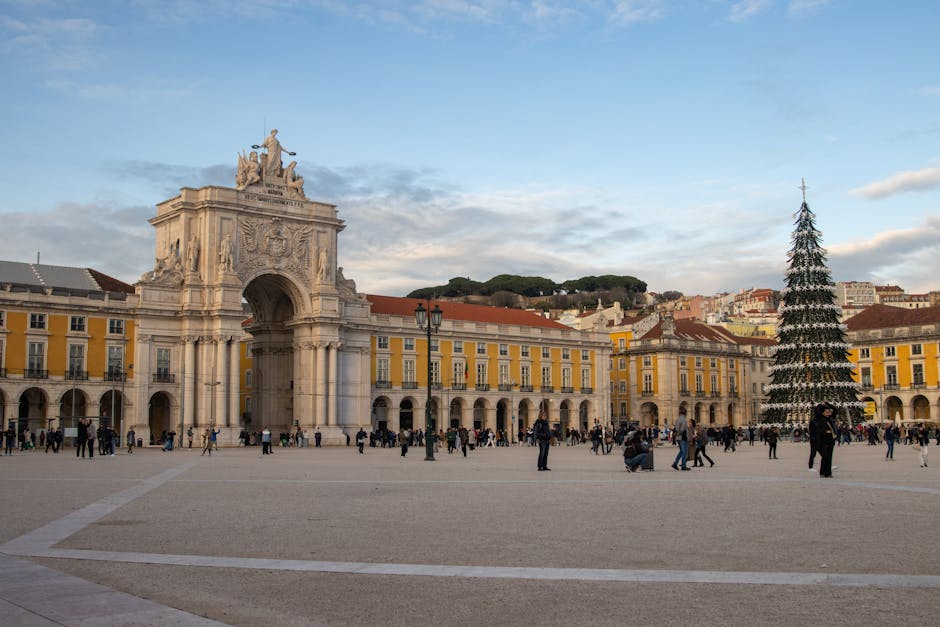
Follow the footsteps of Fernando Pessoa through Lisbon’s elegant Chiado district on this self-guided literary and historical walking route.
 Easy
EasyWarsaw, Poland
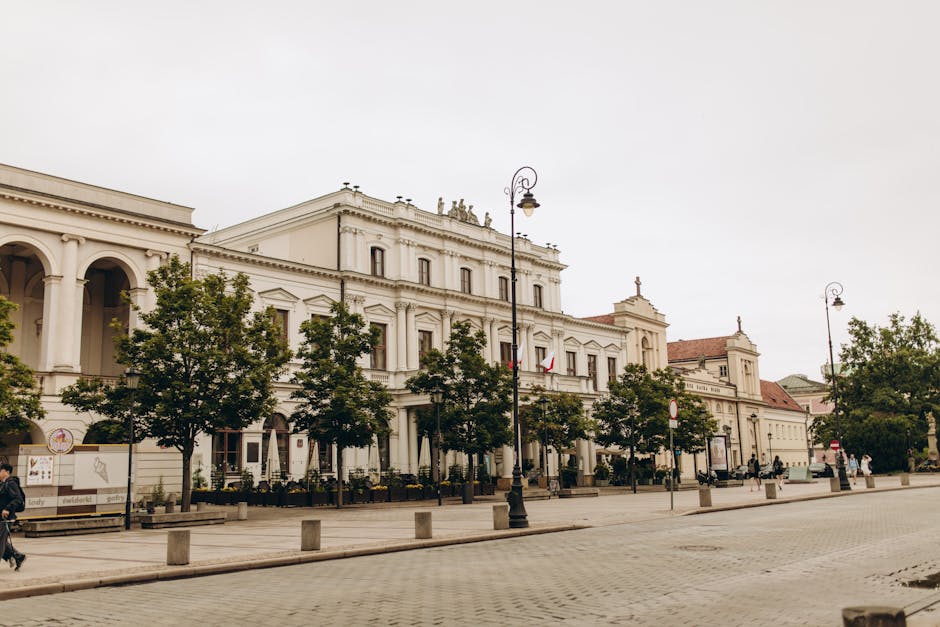
Explore Warsaw's scenic riverfront, rooftop gardens, and industrial-chic architecture on this self-guided stroll through the Powiśle district.
 Easy
EasyGothenburg, Sweden
Explore Gothenburg’s historic wooden houses, legendary giant cinnamon buns, and panoramic fortress views on this self-guided neighborhood stroll.
 Moderate
Nairobi, Kenya
Discover Nairobi's lush side on this self-guided walk through botanical gardens, historic memorials, and vibrant local markets.
 Easy
EasyKrakow, Poland
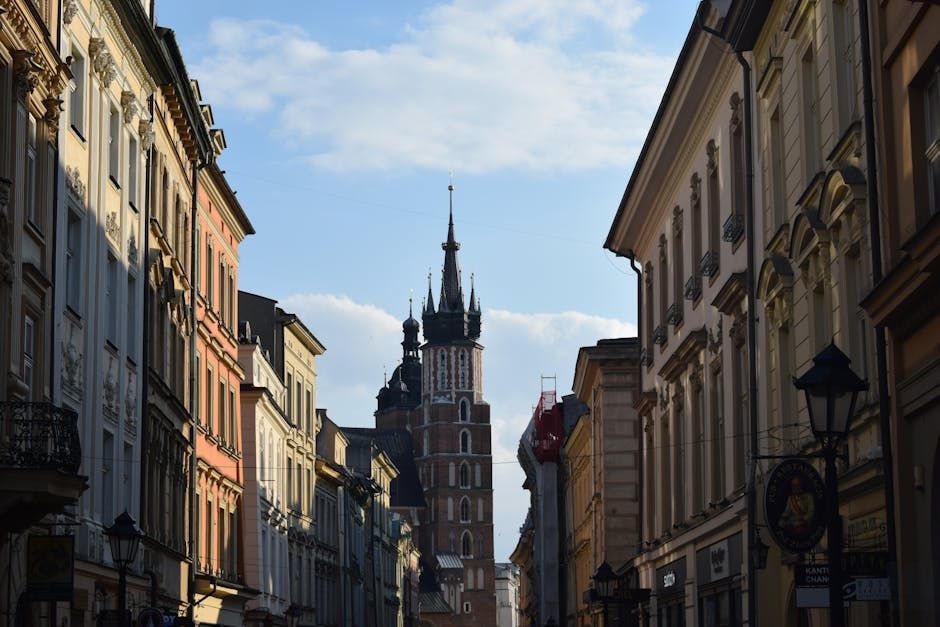
Savor the soul of Krakow on this self-guided walk through historic markets, bohemian cafes, and the city's best pierogi spots.
 Easy
EasyPorto, Portugal
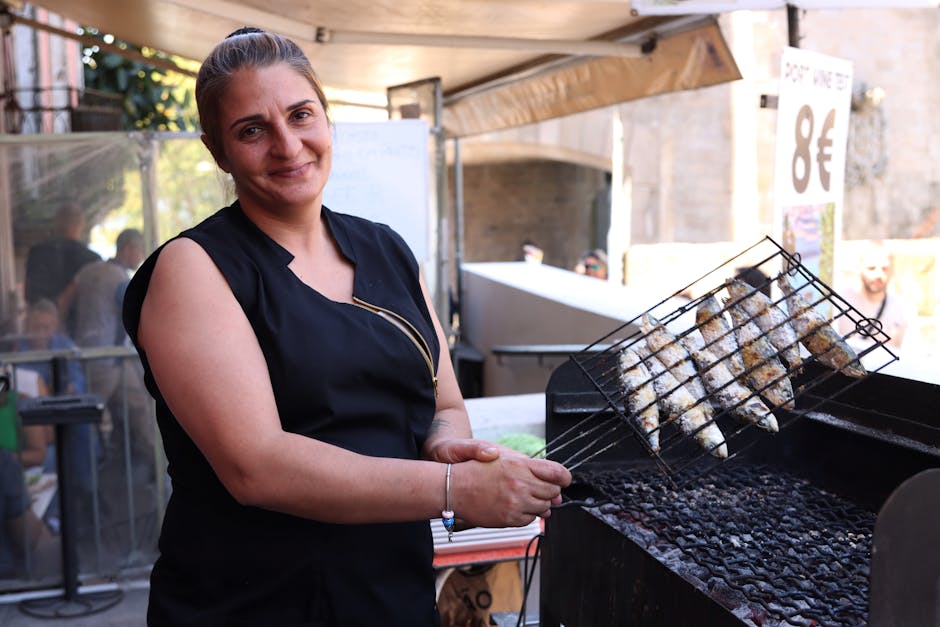
Taste the soul of Porto on this self-guided stroll through the historic Bolhão Market and its legendary surrounding food shops.
 Moderate
Porto, Portugal
Uncover the hidden history of Porto's Jewish community and the secrets of the Inquisition on this self-guided walking route through historic Miragaia.
 Challenging
Porto, Portugal
Explore Porto's 'High City' on this self-guided walk through Baroque landmarks, medieval cathedrals, and stunning panoramic viewpoints.
 Moderate
Porto, Portugal
Explore Porto's UNESCO-listed riverside district at your own pace through medieval alleys, golden churches, and historic maritime landmarks.
