Discover a side of Lisbon where industrial grit meets contemporary creativity on this neighborhood stroll through Alcântara. This self-guided walk takes you beneath the soaring 25 de Abril Bridge, an engineering masterpiece that defines the city's skyline and provides a rhythmic soundtrack of humming traffic above. Once a heavy industrial zone filled with textile mills and warehouses, Alcântara has reinvented itself as a vibrant cultural hub. Your walking route begins at the massive concrete pillars of the bridge, where the Pilar 7 experience offers a unique perspective on the city's infrastructure and the sheer scale of the 1966 suspension bridge. Nearby, the Village Underground showcases Lisbon's innovative spirit, repurposing shipping containers and vintage double-decker buses into creative studios and event spaces. As you move toward the river, the Doca de Santo Amaro provides a breezy contrast with its marina and repurposed warehouses that once served the port. The centerpiece of this self-guided adventure is the LX Factory, a sprawling complex that was once a 19th-century fabric company. Today, it is a labyrinth of street art, quirky boutiques, and some of the city's most photographed spots. Inside, you will find the legendary Ler Devagar bookstore, where old printing presses still stand among floor-to-ceiling shelves. Throughout this explore-at-your-own-pace journey, you will witness the seamless blend of Lisbon's working-class heritage and its modern artistic flair. Whether you are a photography enthusiast looking for the perfect mural or a history buff interested in the evolution of urban spaces, this route provides a deep dive into one of Lisbon's most dynamic districts. This walking tour Lisbon experience is perfect for those who want to escape the traditional hills of Alfama and see how the city is building its future on the foundations of its industrial past. The route concludes at the Carris Museum, where the story of the city's iconic yellow trams comes to life within a historic depot that still serves the city today. **Note:** This area is known for its ever-changing character. Street art, pop-up venues, and temporary exhibitions may differ from what's described. That's part of the adventure - you might discover something entirely new!
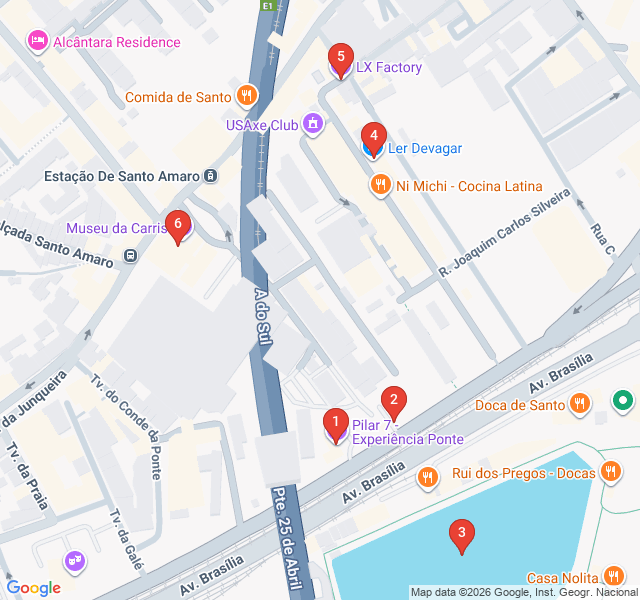
Numbers indicate the order of stops on the tour
Standing here at the base of the 25 de Abril Bridge, you are looking at one of the most significant engineering feats in Europe. Completed in 1966, this suspension bridge was originally named the Salazar Bridge but was renamed to commemorate the Carnation Revolution of 1974. The 'Pilar 7' experience allows you to enter one of the main concrete supports. Inside, you can see the massive steel cables that hold the structure together. The sound you hear above is the constant hum of traffic and trains crossing the Tagus River. This site serves as a literal bridge between Lisbon's industrial past and its modern connectivity.
Just a short walk from the bridge pillars, you will find a striking arrangement of stacked shipping containers and two vintage double-decker buses. This is Village Underground Lisboa, a creative incubator and international platform for culture. The aesthetic here is purely industrial-chic, reflecting the neighborhood's history of trade and transport. The murals here are part of an ever-changing landscape of street art; local and international artists often use these metal canvases for temporary installations. It is a working coworking space, so while the exterior is a public gallery, the interiors house the city's next generation of designers and artists.
As you head toward the river, you reach the Doca de Santo Amaro. This marina was once a bustling port area for fishing boats and cargo ships. Today, the old warehouses have been converted into a strip of restaurants and bars, offering a front-row seat to the Tagus River. From here, you get a spectacular upward view of the bridge's red steelwork. It is a perfect spot to observe how Lisbon has reclaimed its waterfront for leisure. The contrast between the sleek modern yachts and the rusted industrial remnants nearby perfectly captures the 'Industrial Chic' theme of this neighborhood stroll.
Tucked inside the LX Factory complex is Ler Devagar, often cited as one of the most beautiful bookstores in the world. Its name translates to 'Read Slowly,' and the space encourages exactly that. The building was formerly a printing press, and if you look up, you will see the original massive machinery still in place above the bookshelves. The most famous feature is the hanging sculpture of a woman on a flying bicycle, created by artist Pietro Proserpio. This stop is a sanctuary for bibliophiles and a testament to how industrial spaces can be repurposed into temples of culture and thought.
Welcome to the heart of the district, the LX Factory. This site was once the 'Companhia de Fiação e Tecidos Lisbonense,' one of the city's most important textile manufacturers founded in 1846. After decades of decline, the 23,000-square-meter site was transformed in 2008 into a creative 'island.' As you walk through the main artery, keep an eye out for large-scale murals—street art here is dynamic and may change, but the focus on urban expression remains constant. From rooftop bars to artisan workshops, this complex is the ultimate example of Lisbon's modern urban renewal, blending 19th-century brickwork with 21st-century style.
The route ends at the Carris Museum, located within a functioning tram depot. Since 1872, Carris has been the backbone of Lisbon's public transport. This museum houses a collection of horse-drawn carriages, early electric trams, and the iconic yellow vehicles that have become symbols of the city. Walking through the different pavilions, you follow the chronological evolution of how Lisboetas have moved through their city. It is a fitting conclusion to our walk, as the trams themselves are the moving heritage that connects the industrial docks of Alcântara to the historic heart of Lisbon.
Download Zigway to experience "Industrial Chic: From Under the Bridge to LX Factory" with AI-powered audio narration. Walk at your own pace while stories unfold around you.
 Easy
EasyLisbon, Portugal
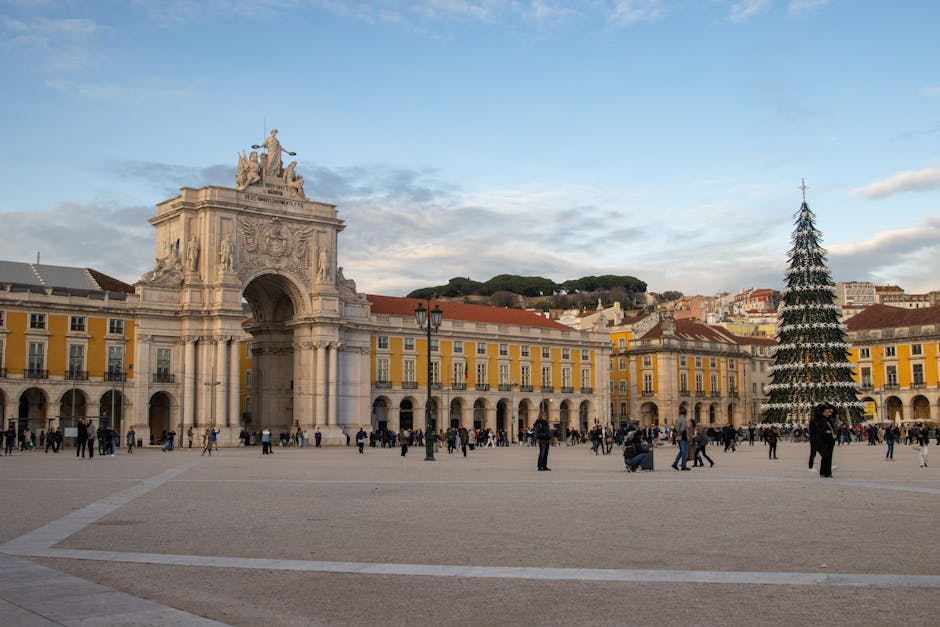
Discover grand palaces, exotic botanical gardens, and hidden water reservoirs in Lisbon's most elegant and trendy neighborhood.
 Challenging
Lisbon, Portugal
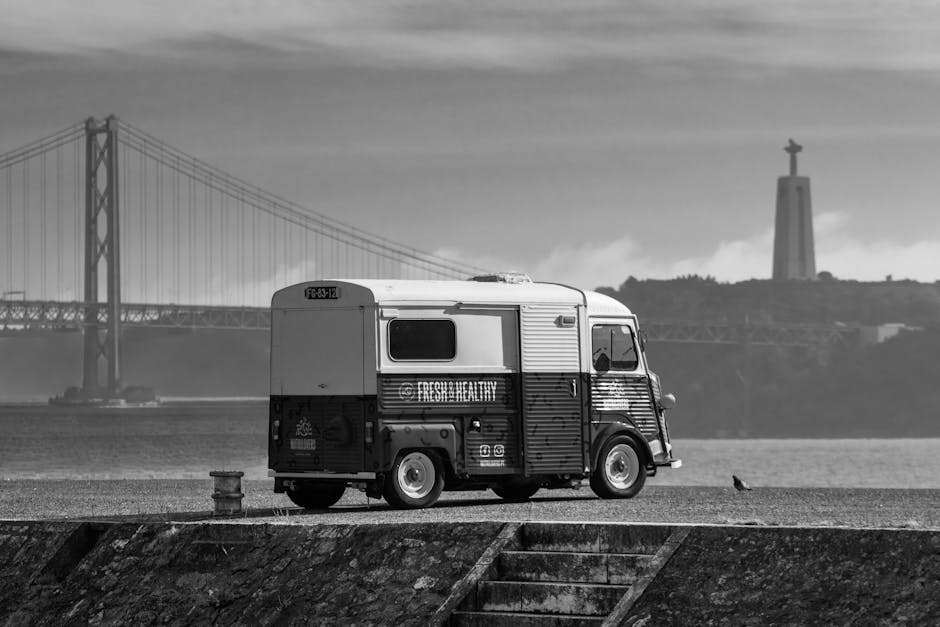
Ascend to Lisbon's highest peaks. Explore the panoramic viewpoints, hidden gardens, and historic worker housing of the authentic Graça neighborhood.
 Moderate
Lisbon, Portugal
Experience Lisbon's bohemian soul on this evening walk through Bairro Alto's street art, panoramic views, and traditional cherry liqueur spots.
 Moderate
Lisbon, Portugal
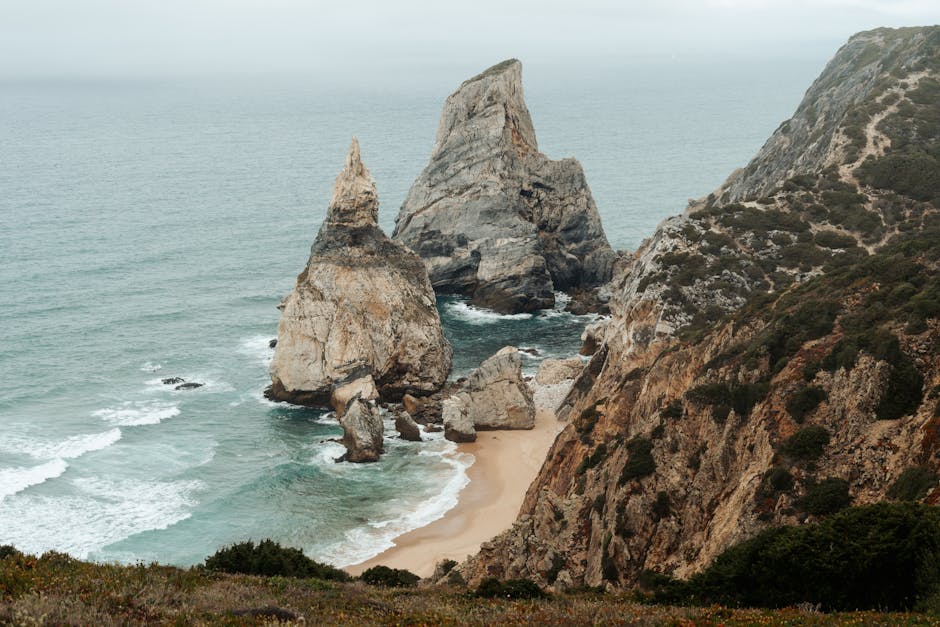
Discover the multicultural heart and Fado roots of Lisbon on this soulful self-guided walk through Mouraria's historic alleys.
 Easy
EasyKrakow, Poland
Discover Krakow’s creative soul in Zabłocie, exploring industrial heritage, contemporary art museums, and avant-garde architecture at your own pace.
 Easy
EasyGdansk, Poland
Discover the 'Baltic Gold' on this self-guided walk through Gdansk's historic mills, massive cathedrals, and the magical Mariacka Street.
 Easy
EasyGothenburg, Sweden
Explore Gothenburg's maritime soul on this self-guided walk from historic shipyards to sleek modern piers and iconic industrial landmarks.
 Easy
EasyVienna, Austria
Explore Vienna’s vibrant open-air gallery along the Danube Canal on this self-guided street art and nightlife stroll through Leopoldstadt.
 Easy
EasyPorto, Portugal
Taste the soul of Porto on this self-guided stroll through the historic Bolhão Market and its legendary surrounding food shops.
 Moderate
Porto, Portugal
Uncover the hidden history of Porto's Jewish community and the secrets of the Inquisition on this self-guided walking route through historic Miragaia.
 Challenging
Porto, Portugal
Explore Porto's 'High City' on this self-guided walk through Baroque landmarks, medieval cathedrals, and stunning panoramic viewpoints.
 Moderate
Porto, Portugal
Explore Porto's UNESCO-listed riverside district at your own pace through medieval alleys, golden churches, and historic maritime landmarks.
