Beyond the crowded gates of the National Palace and the colorful peaks of Pena lies a different Sintra, one of quiet cobblestone alleys and ancient water sources that have sustained this mountain community for centuries. This neighborhood stroll through São Martinho invites you to step away from the tourist shuttle buses and discover the intimate history of the 'Mountain of the Moon.' The route focuses on the architectural evolution of the town, from its 12th-century Romanesque roots to the Romanticist flourishes that define its modern identity. You will explore the relationship between the town and its natural springs, which were once considered sacred by the Moors and later became the social hubs of the medieval village. Beginning at a breathtaking viewpoint that overlooks the valley toward the Atlantic, this walking route guides you through the winding backstreets where the locals live. You will encounter the Church of Santa Maria, a rare surviving link to Sintra’s post-Reconquista era, and the Fonte da Sabuga, an iconic fountain whose waters were long rumored to have medicinal properties. As you navigate the steep, narrow passages like Rua da Fonte da Pipa, you will experience the unique urban layout of a town built into a mountain. This self-guided walk is perfect for those who want to see the authentic side of Sintra, focusing on the hidden gems that many visitors overlook. While most travelers rush between major monuments, this neighborhood stroll allows you to appreciate the subtle details—the weathered azulejo tiles, the moss-covered stone walls, and the sound of running water that provides a constant soundtrack to life in the Serra. This is a chance to explore independently, moving at your own speed through the historic heart of one of Portugal’s most mystical locations. Whether you are interested in religious architecture or simply want to escape the crowds, this itinerary provides a balanced look at the cultural and natural heritage of this UNESCO World Heritage site.
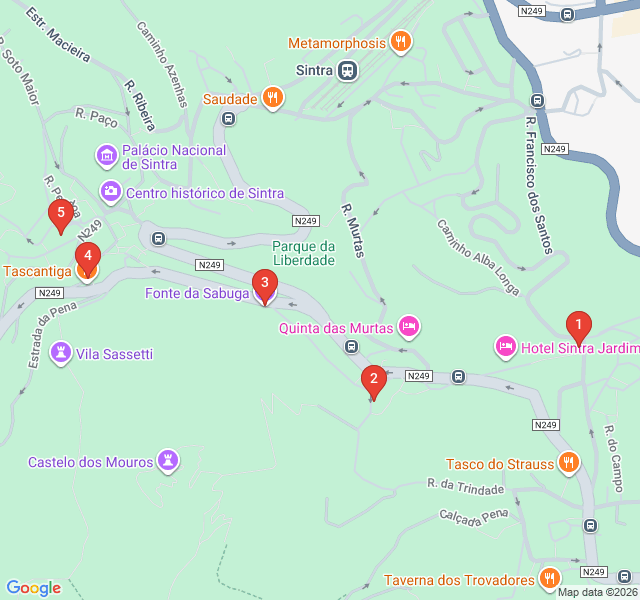
Numbers indicate the order of stops on the tour
Welcome to your self-guided adventure in Sintra. We begin here at the Miradouro da Vigia, a viewpoint that offers one of the most comprehensive vistas of the region. From this vantage point, you can see the dramatic contrast between the lush, green slopes of the Serra de Sintra and the distant, rugged Atlantic coastline. This spot was historically used as a lookout point—a 'vigia'—to monitor the approach of both friends and foes from the sea. Look closely at the landscape; the unique microclimate here allows for exotic flora to thrive, a legacy of the 19th-century Romanticism movement when explorers brought plants from across the globe to decorate the mountain's estates. Take a moment to breathe in the crisp mountain air before we head into the historic heart of the village.
As you stand before the Church of Santa Maria, you are looking at one of the oldest religious sites in Sintra. Originally built in the 12th century shortly after the Christian Reconquista, this church has survived centuries of change, including the devastating earthquake of 1755. While it has been remodeled, you can still see the transition from Romanesque to Gothic styles, particularly in its impressive Manueline-style portal. Historically, this was the main parish church of the town. The interior houses beautiful 17th-century tile panels and a vaulted ceiling that speaks to the wealth and importance of Sintra during the Age of Discovery. It remains a peaceful sanctuary, often missed by those only visiting the hilltop palaces.
Water is the lifeblood of Sintra, and the Fonte da Sabuga is one of its most storied sources. This fountain, with its distinctive twin arches and Moorish architectural influence, has provided fresh mountain water to residents for centuries. In the past, locals believed these waters possessed healing properties, and it was a primary gathering spot for the neighborhood. The name 'Sabuga' is thought to derive from the elderberry trees that once surrounded the area. As you look at the stone basins, imagine the generations of water carriers who filled their jugs here. The fountain serves as a reminder of the sophisticated hydraulic systems developed during the Moorish occupation of the Iberian Peninsula, which the later Christian residents continued to utilize.
Step onto Rua da Fonte da Pipa, an alleyway that feels like a portal back to the Middle Ages. This narrow, winding street is named after the 'Pipe Fountain' located nearby. The architecture here is characterized by thick stone walls, low doorways, and irregular steps—typical of a medieval mountain settlement. Notice how the buildings seem to lean into one another, providing shade during the hot summer months. This street was once a vital artery for the transport of goods via pack animals. Today, it offers a glimpse into the everyday life of Sintra's permanent residents, far removed from the bustling souvenir shops of the main square. Keep an eye out for the small niches and decorative tiles that adorn the facades of these historic homes.
Our walking route concludes at the Church of Saint Martin, or Igreja de São Martinho. Located in the heart of the old town, this church’s origins date back to the 12th century, though much of what you see today is the result of reconstruction after the Great Earthquake of 1755. The facade is a classic example of Portuguese Renaissance and Baroque influences. Inside, you’ll find exquisite 16th-century paintings and a high altar that is a masterpiece of gilded woodwork. This church has long been the spiritual center for the local community of São Martinho. From the terrace outside, you can enjoy a final view of the Moorish Castle perched high above, connecting the town's various historical eras in a single glance.
Download Zigway to experience "Hidden Fountains and Ancient Alleys" with AI-powered audio narration. Walk at your own pace while stories unfold around you.
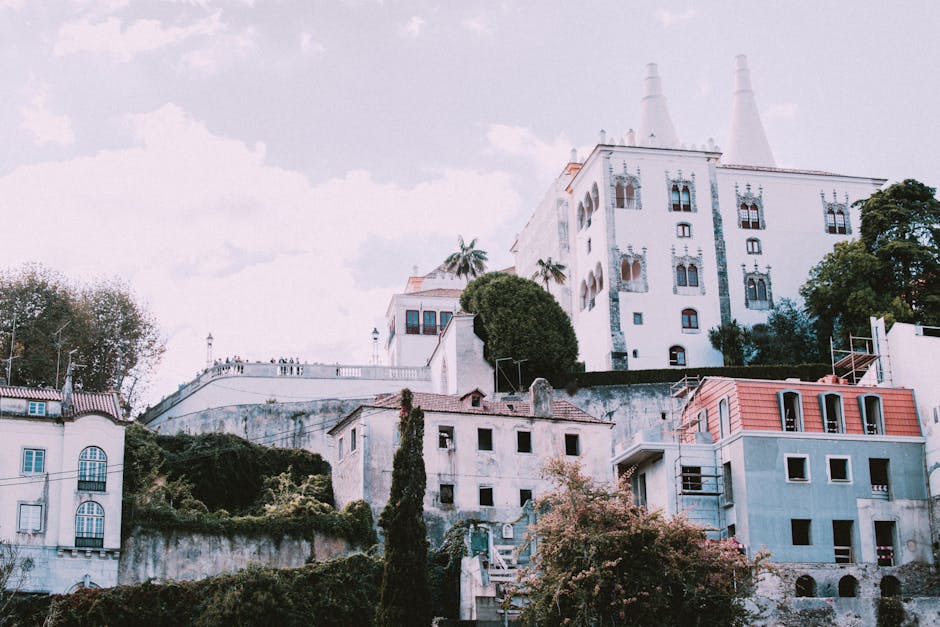 Moderate
Sintra, Portugal
Explore an eclectic palace and its lush botanical gardens. Discover 19th-century Romanticism through exotic architecture and hidden chapel ruins.
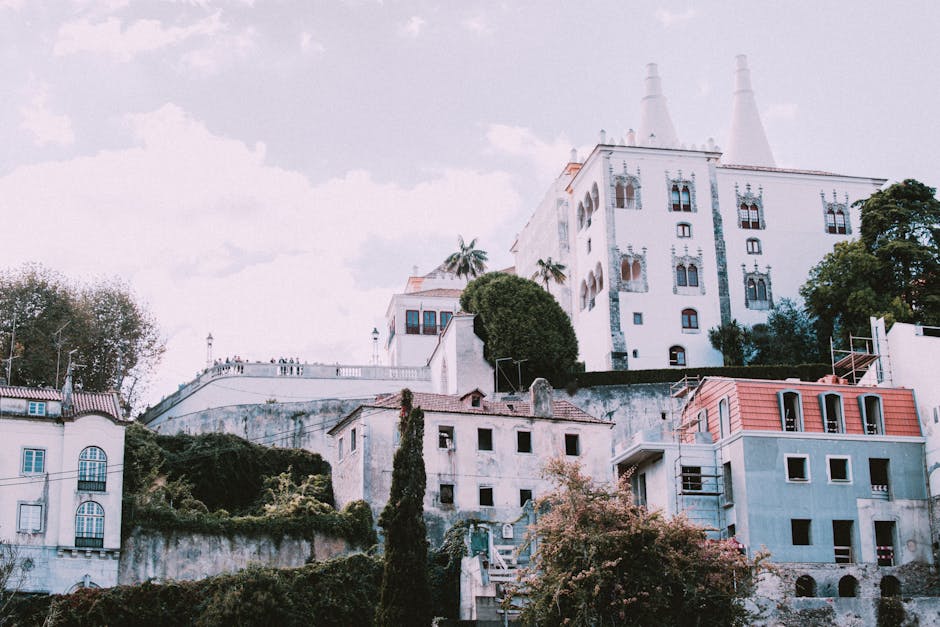 Moderate
Sintra, Portugal
Explore Sintra's most opulent 19th-century manors and mystical gardens on this self-guided audio walk through the historic Seteais district.
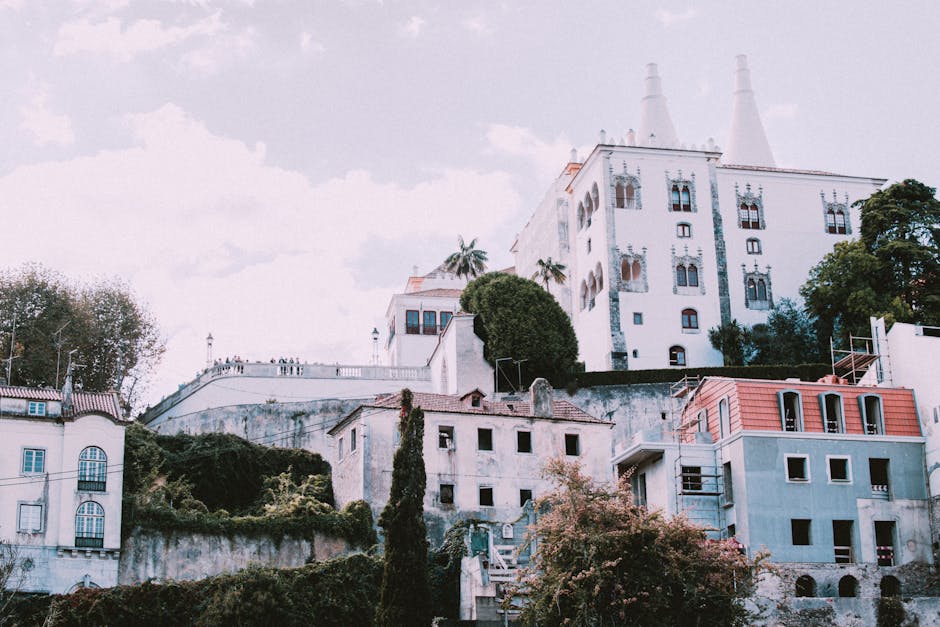 Easy
EasySintra, Portugal
Explore Sintra's historic center on this self-guided walk through legendary bakeries, tasting iconic Travesseiros and Queijadas at your own pace.
 Challenging
Sintra, Portugal
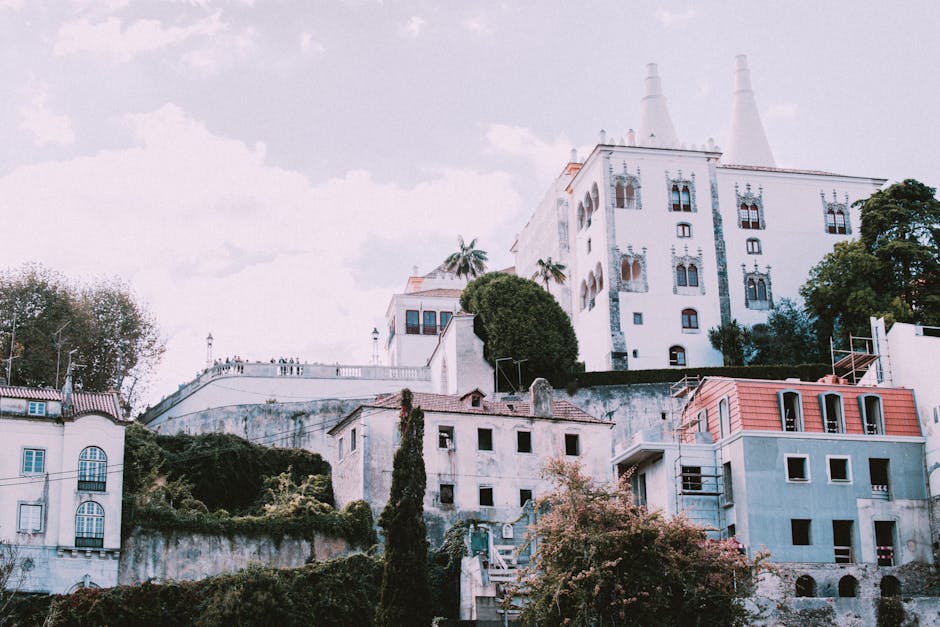
A challenging self-guided adventure through Sintra's highest peaks, designed to capture the perfect sunset shots of the Pena Palace and beyond.
 Moderate
Vienna, Austria
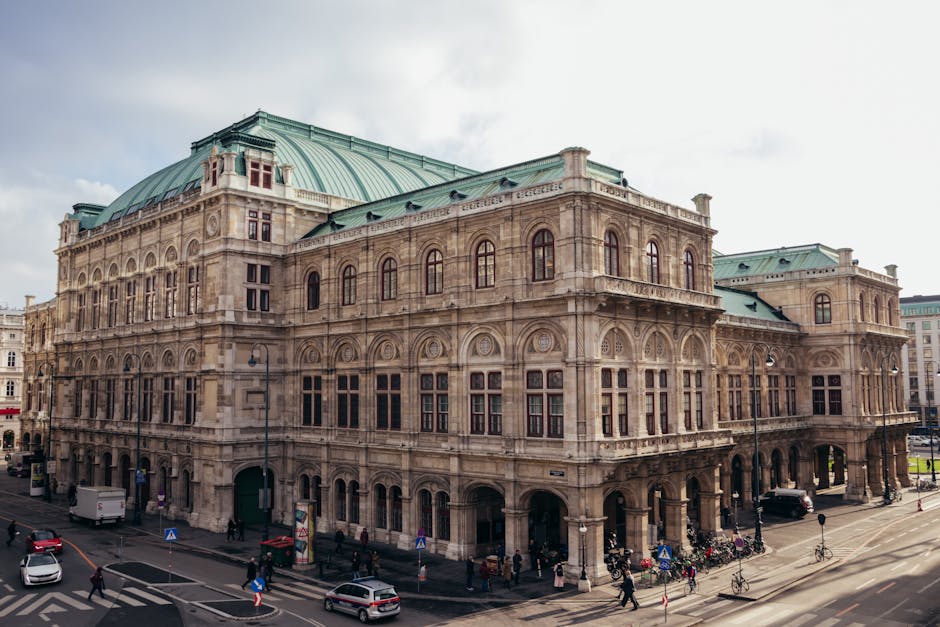
Discover the noir world of The Third Man and Cold War Vienna on this atmospheric self-guided audio walk through the historic Innere Stadt.
 Easy
EasyWarsaw, Poland
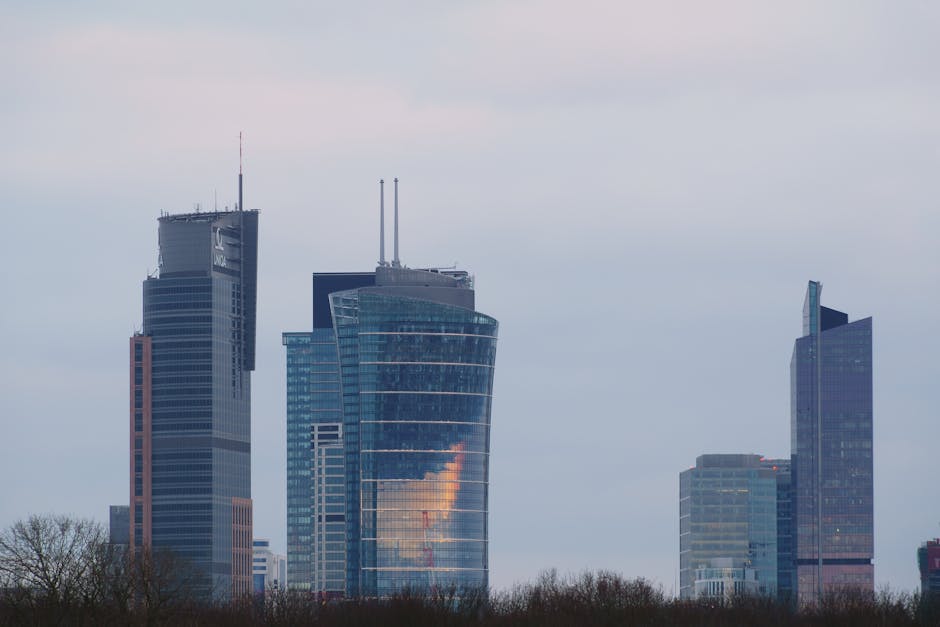
Discover the hidden courtyards and grand pre-war architecture of Warsaw's most atmospheric neighborhood on this self-guided stroll.
 Easy
EasySalzburg, Austria
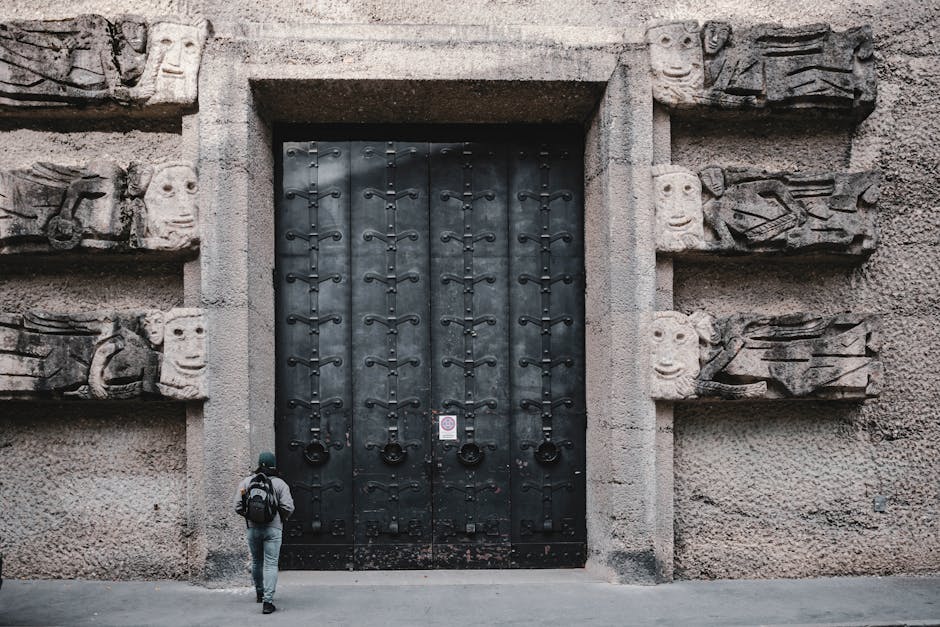
Discover Salzburg's oldest medieval alley, the birthplace of the 'Silent Night' author, and breathtaking views on this quiet self-guided walk.
 Easy
EasyGothenburg, Sweden
Explore Gothenburg’s historic wooden houses, legendary giant cinnamon buns, and panoramic fortress views on this self-guided neighborhood stroll.
 Easy
EasyPorto, Portugal
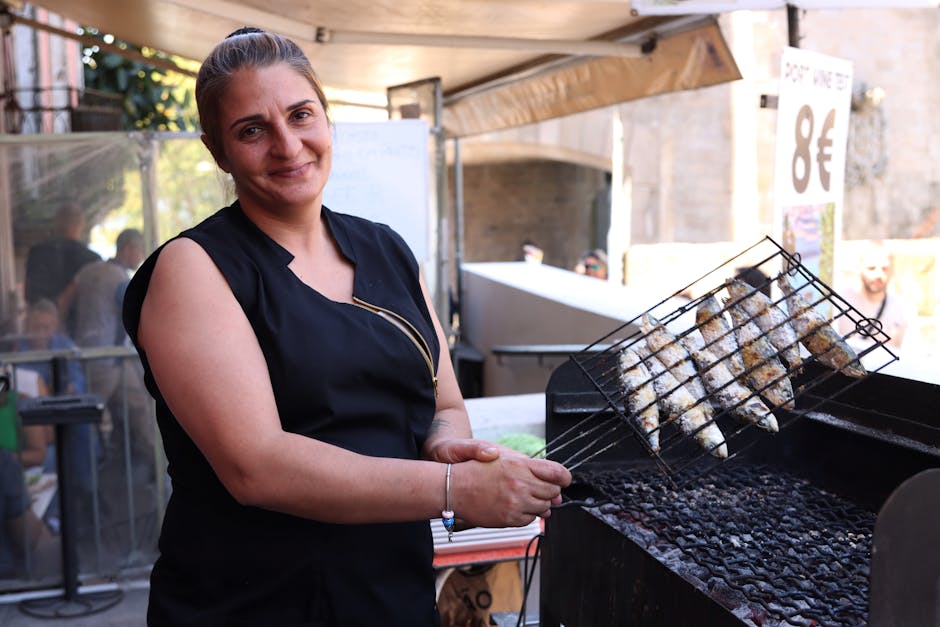
Taste the soul of Porto on this self-guided stroll through the historic Bolhão Market and its legendary surrounding food shops.
 Moderate
Porto, Portugal
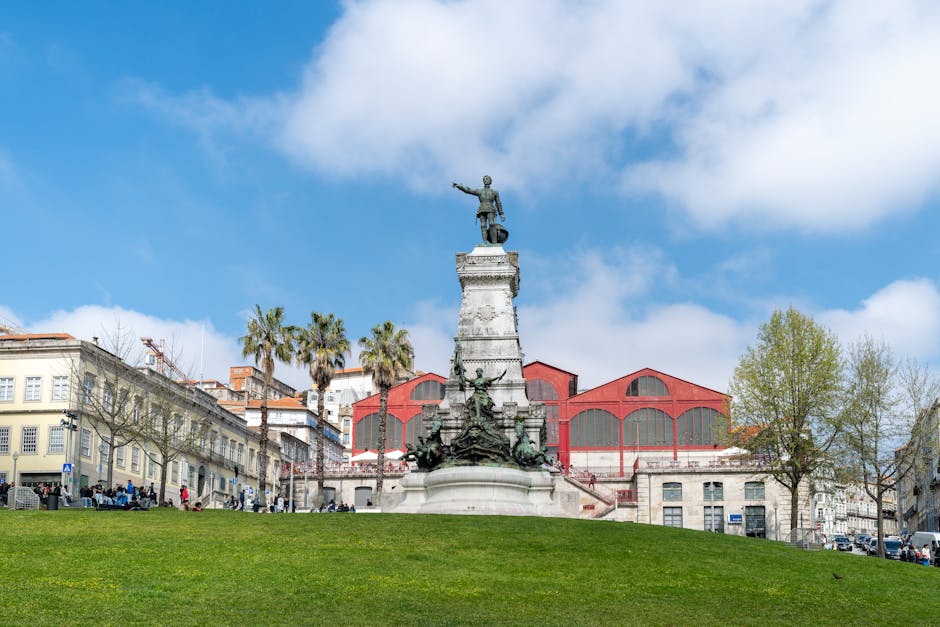
Uncover the hidden history of Porto's Jewish community and the secrets of the Inquisition on this self-guided walking route through historic Miragaia.
 Challenging
Porto, Portugal
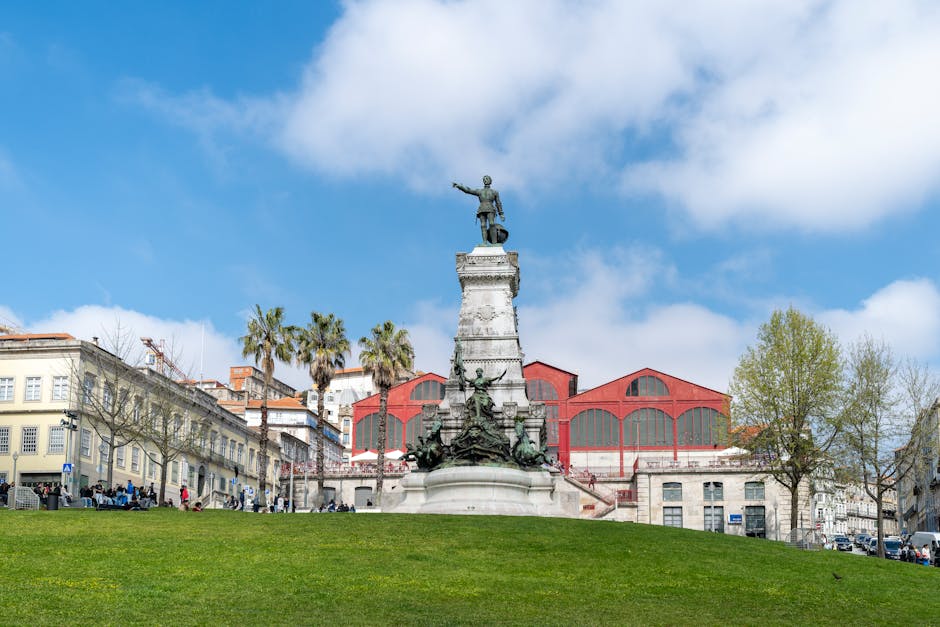
Explore Porto's 'High City' on this self-guided walk through Baroque landmarks, medieval cathedrals, and stunning panoramic viewpoints.
 Moderate
Porto, Portugal
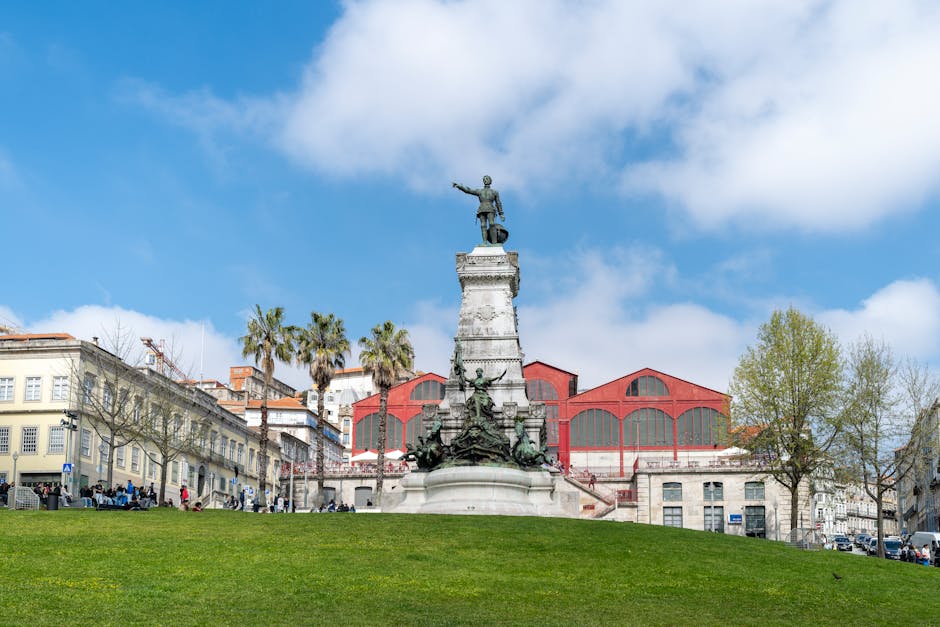
Explore Porto's UNESCO-listed riverside district at your own pace through medieval alleys, golden churches, and historic maritime landmarks.
