Zurich is a city where medieval charm meets the sleek, high-stakes world of global finance. This self-guided walk invites you to explore the 'Gold and Glitz' of Switzerland's largest city, tracing the evolution of its economic power from the industrial revolution to the modern day. As you navigate the famous Bahnhofstrasse and the surrounding streets, you will encounter the architectural monuments that house the world's most secretive wealth. This walking route is not just about money; it is a journey through time, showcasing how ambitious visionaries transformed a textile town into a premier international banking hub. Starting at the monumental Zurich HB, the city’s primary gateway, you will witness the scale of 19th-century Swiss ambition. From there, the route winds through Rennweg, one of Zurich's most historic thoroughfares, providing a glimpse into the city's medieval past before plunging into the heart of the banking district. You will stand before the headquarters of global giants like UBS and Credit Suisse, where the facade of the buildings tells stories of mergers, rivalries, and the legendary Swiss banking secrecy. The experience culminates at Paradeplatz, the intersection of luxury and finance, often considered the most expensive piece of real estate in the country. To round off the experience, the route leads you to the Fraumünster Church, where the spiritual history of Zurich meets the artistic brilliance of Marc Chagall. This self-guided walking tour Zurich offers the flexibility to linger outside a boutique or pause for a coffee at a historic café, making it the perfect way to understand the city's unique identity. Whether you are fascinated by the history of wealth or the grandeur of neo-classical architecture, this neighborhood stroll provides a comprehensive overview of what makes Zurich the financial heart of the world.
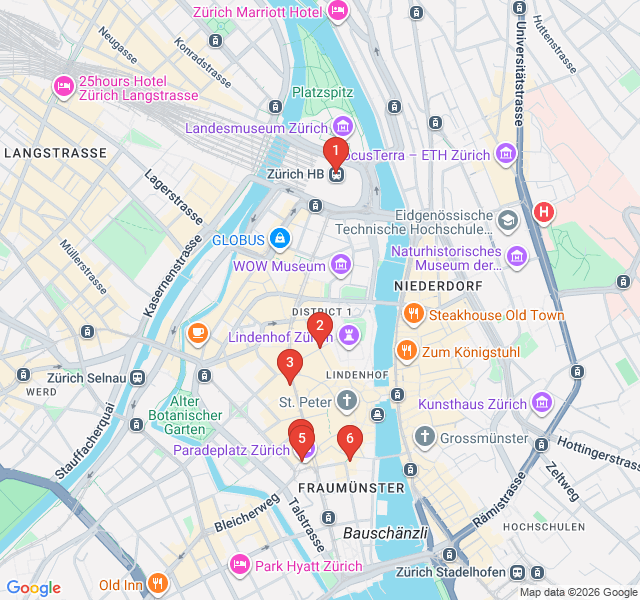
Numbers indicate the order of stops on the tour
Begin your self-guided adventure at Zurich Hauptbahnhof, one of the busiest railway hubs in the world. Opened in 1871, this sandstone masterpiece was designed by Jakob Friedrich Wanner in the Neo-Renaissance style. Look up at the soaring ceilings and notice the statue of Alfred Escher standing guard outside. Escher was the 'railway king' of Switzerland and a founding father of the modern Swiss economy. This station wasn't just built for travel; it was a statement of Zurich's arrival as a major European player. The grand hall, known as the Haupthalle, often hosts markets and art installations, embodying the city's blend of tradition and constant movement.
As you transition from the station, you enter Rennweg, which was once the widest and most important street in medieval Zurich. In the 14th century, this was the site of horse races, which is how it earned its name. Today, it serves as a pedestrian-friendly gateway to the upscale shopping district. Observe the beautifully restored facades and the traditional bay windows, known as 'Erker,' which allowed residents to see who was approaching the city gates. This street perfectly illustrates the transition from Zurich’s defensive, walled past to its current status as a refined center of commerce and luxury living.
Standing before the UBS headquarters on Bahnhofstrasse, you are looking at the heart of Swiss banking. This building represents the 1998 merger of the Union Bank of Switzerland and the Swiss Bank Corporation, a move that created one of the largest wealth managers on the planet. The architecture is deliberately understated yet imposing, reflecting the Swiss values of discretion and stability. This site has witnessed the evolution of banking laws that have shaped global finance for decades. While the vaults are hidden deep underground, the building's exterior remains a symbol of the immense capital that flows through this city every single day.
Just a short walk away is the historic home of Credit Suisse. Founded in 1856 by Alfred Escher—the same man you saw at the train station—this institution was originally created to fund the expansion of the Swiss railway network. The building itself, completed in the 1870s, is a palace of finance. Its ornate stonework and classical proportions were meant to inspire confidence in investors. For over 150 years, this site served as the nerve center for one of the world's most influential banks. It stands as a testament to the era of 'High Finance' when Zurich first began to rival London and Paris as a monetary capital.
Welcome to Paradeplatz, perhaps the most famous square in Switzerland. It’s hard to believe that in the 17th century, this was a livestock market known as the 'Säumärt' (pig market). Today, it is the center of the Swiss financial universe, surrounded by the largest banks and the legendary Confiserie Sprüngli. Beneath your feet lies a network of high-security vaults rumored to hold vast quantities of gold. This square is the pulse of the city; listen to the chime of the blue 'Cobra' trams as they crisscross the plaza. It is a place where deals are made and where the 'Gnomes of Zurich'—a nickname for Swiss bankers—once held sway over global markets.
Conclude your walking route at the Fraumünster Church, a site that has dominated Zurich's skyline since the 9th century. Originally an abbey for aristocratic women, it played a vital role in the city's economic life, as the abbess once held the right to mint coins. While the architecture is a mix of Romanesque and Gothic, the true treasure lies inside: the five stunning stained-glass windows designed by Marc Chagall in the 1970s. These vibrant artworks depict biblical scenes in a whirlwind of color, offering a spiritual and artistic counterpoint to the material wealth of the banking district you just explored. It is a peaceful place to reflect on the city's dual legacy of faith and finance.
Download Zigway to experience "Gold and Glitz: The Financial Heart of Zurich" with AI-powered audio narration. Walk at your own pace while stories unfold around you.
 Moderate
Zurich, Switzerland
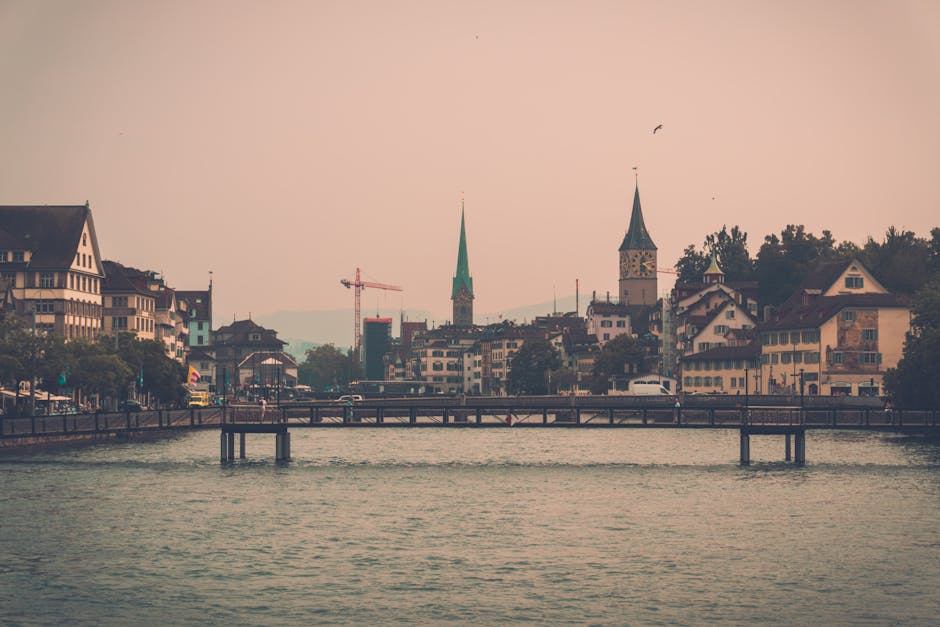
Follow the footsteps of Einstein and James Joyce on a self-guided walk through Zurich's intellectual and literary heart.
 Easy
EasyZurich, Switzerland
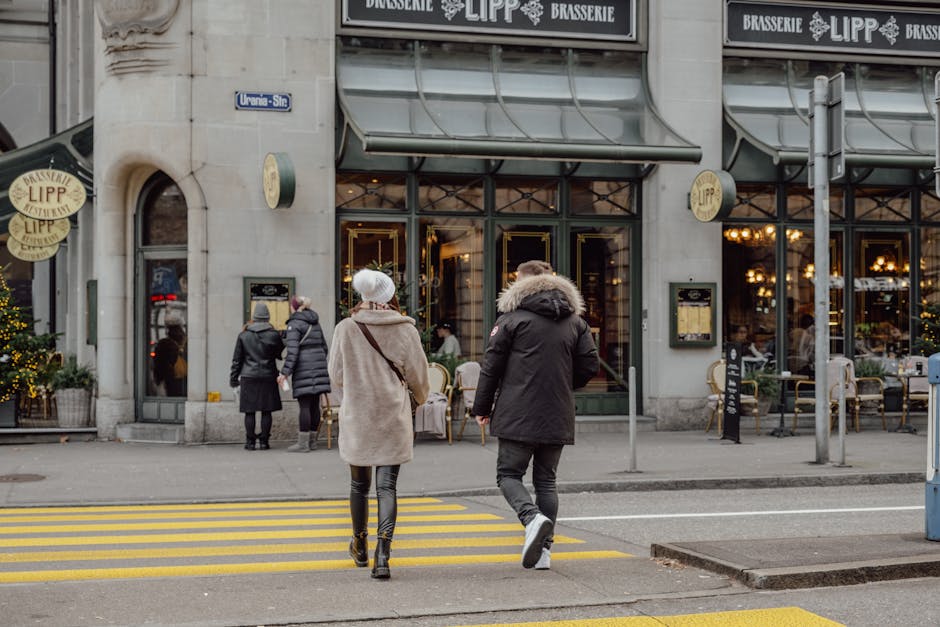
Explore Zurich's edgy side on this self-guided walk through Langstrasse, from red-light history to contemporary art and vibrant nightlife.
 Moderate
Zurich, Switzerland
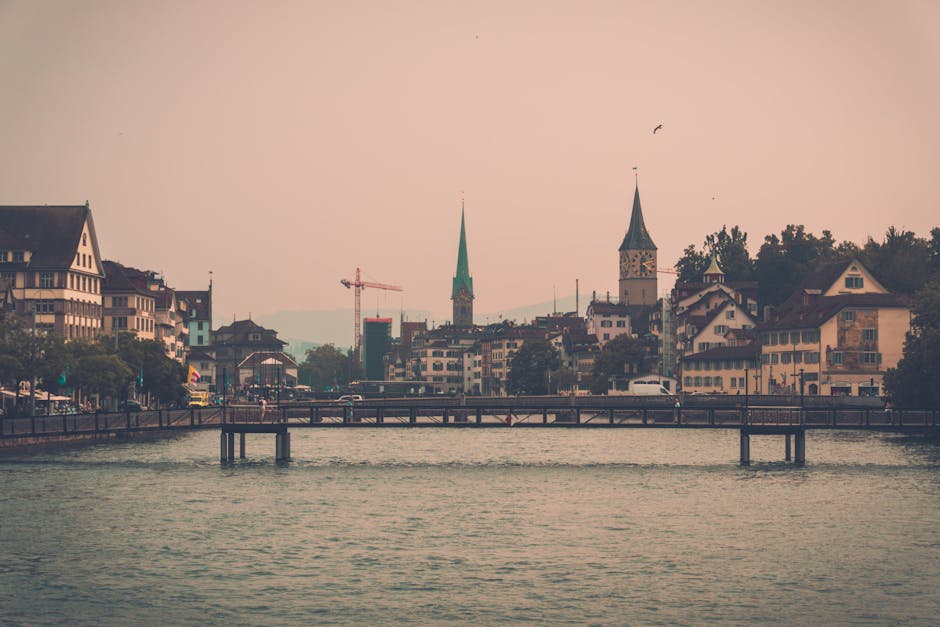
Explore Zurich's most breathtaking panoramas and hidden photography spots on this self-guided walking route through the historic city center.
 Easy
EasyZurich, Switzerland
Discover Zurich's medieval heart, from Dadaist rebels to Reformation history, on this atmospheric self-guided audio walk through the Altstadt.
 Easy
EasyNairobi, Kenya
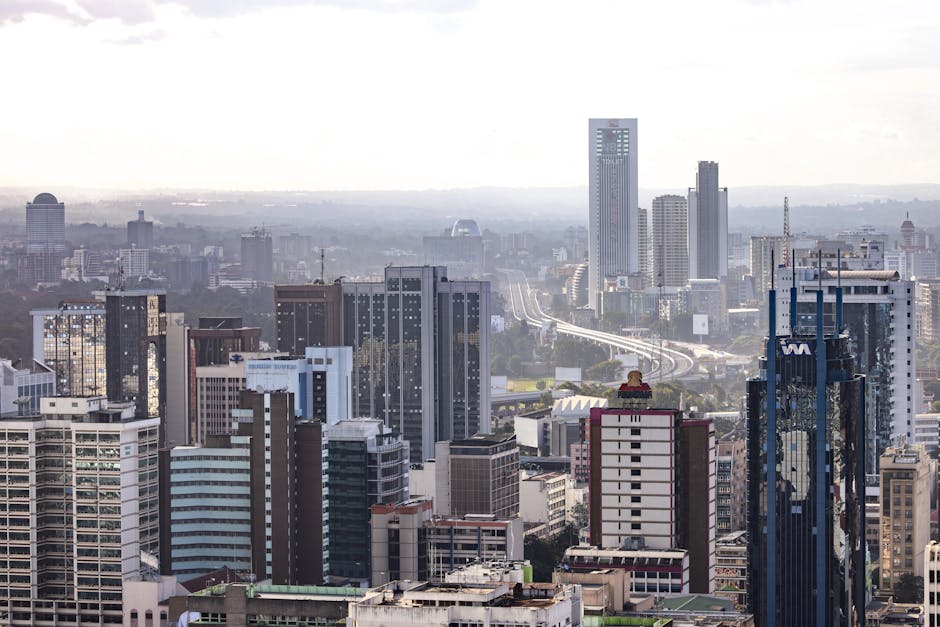
Explore Nairobi's architectural evolution from colonial-era landmarks to iconic Brutalist skyscrapers on this historic self-guided walking route.
 Easy
EasyNairobi, Kenya
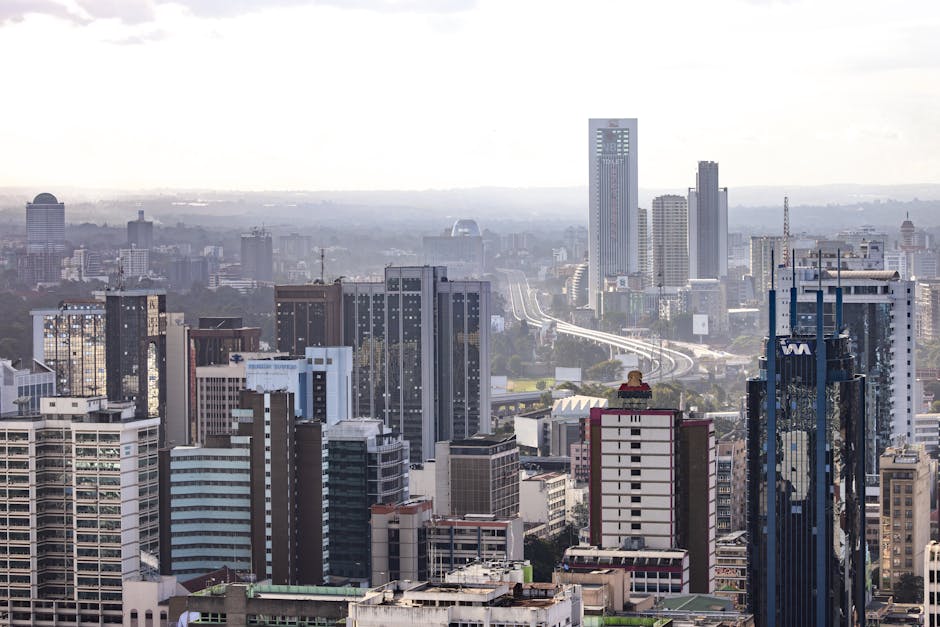
Discover Nairobi's iconic skyline on this self-guided architecture walk through the CBD’s most famous modernist and Brutalist landmarks.
 Easy
EasyGothenburg, Sweden
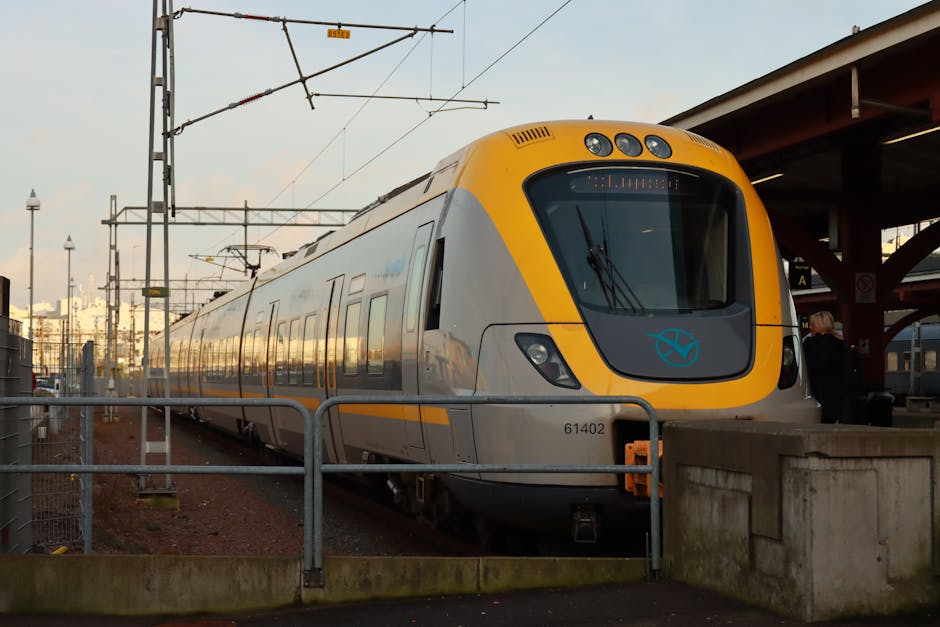
Discover Gothenburg’s 17th-century Dutch foundations, historic canals, and military fortifications on this self-guided architectural walk.
 Easy
EasyKrakow, Poland
Explore the prestigious Jagiellonian University district, featuring Neo-Gothic architecture, Baroque churches, and Krakow's hidden scholarly gems.
 Easy
EasyGeneva, Switzerland
Explore Geneva's bohemian heart on this self-guided walk through flea markets, contemporary art galleries, and literary landmarks.
 Easy
EasyGeneva, Switzerland
Discover the lives of Rousseau and Voltaire on this self-guided literary walking route through the historic heart of Enlightenment-era Geneva.
 Moderate
Geneva, Switzerland
Uncover Geneva’s secrets on this self-guided walk through the Old Town’s historic streets, from the Reformation Wall to medieval cathedrals.
 Easy
EasyGeneva, Switzerland
Discover the Mediterranean soul of Geneva. Explore Carouge’s Sardinian architecture, artisan workshops, and hidden gardens on this self-guided walk.
