Beyond the shadow of the massive City Wall and the famous Terracotta Army, Xian holds a quieter, more profound legacy. This self-guided walk invites you to explore the spiritual heart of the city, moving through centuries of religious history that defined the eastern terminus of the Silk Road. While most visitors flock to the Muslim Quarter, this neighborhood stroll through the Lianhu and Beilin districts reveals the hidden sanctuaries where Buddhist monks and Taoist priests have practiced for over a millennium. You will encounter the only Tibetan Buddhist monastery in Shaanxi province, a pagoda that has survived dozens of earthquakes, and the birthplace of esoteric Buddhism. This walking route is designed for those who seek tranquility and a deeper understanding of the local culture, away from the typical tourist crowds. As you move between these sacred spaces, you will observe the daily rituals of locals and the architectural evolution from the Tang Dynasty to the Qing Dynasty. This experience is more than just a sightseeing trip; it is an independent journey into the diverse beliefs that have coexisted within these ancient walls for generations. By choosing this self-guided adventure, you can linger in the incense-filled courtyards or find a quiet corner for reflection at your own pace. Whether you are interested in the intricate art of Tibetan statues or the philosophical depths of Taoism, this path offers a unique perspective on a walking tour Xian. It is a chance to see the city not just as a historical relic, but as a living, breathing center of faith and tradition.
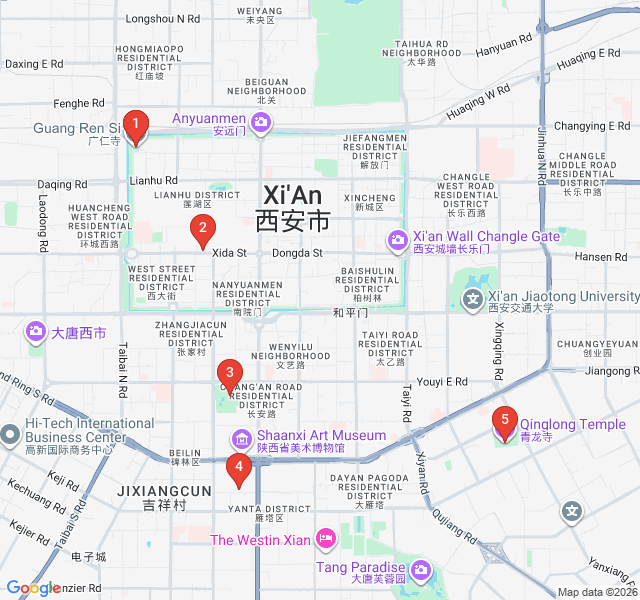
Numbers indicate the order of stops on the tour
Welcome to the only Tibetan Buddhist temple in Shaanxi province. Built in 1703 by the Kangxi Emperor of the Qing Dynasty, this temple served as a peaceful residence for grand lamas traveling from Tibet to Beijing. As you walk through the gate, notice the distinct Tibetan style: the golden roofs and the prayer wheels. The temple houses a precious statue of the 12-year-old Sakyamuni, a replica of the one in Lhasa's Jokhang Temple. The atmosphere here is a stark contrast to the surrounding city, offering a unique blend of Han and Tibetan architectural influences that symbolize the historical union of China's diverse cultures.
Located near the bustling West Street, the City God Temple is one of the three most important Taoist temples in China. Since the Ming Dynasty, this site has been the spiritual 'governor' of Xian's urban life. Look up at the magnificent three-story wooden archway at the entrance, which was built without a single nail. Inside, the complex is a maze of halls dedicated to various Taoist deities who oversee justice and protection for the city. It is a vibrant place where folk religion meets architectural grandeur, often hosting traditional markets and fairs in its outer courtyards.
This elegant structure is a masterpiece of Tang Dynasty architecture. Built in 707 AD to house Buddhist scriptures brought from India, the Small Wild Goose Pagoda is famous for its resilience. It has survived over 70 earthquakes. Legend has it that a massive crack opened in the pagoda during a 16th-century quake, only for another earthquake years later to 'heal' it by shaking the bricks back into place. Surrounding the pagoda is the Jianfu Temple garden, a peaceful park where you can see locals practicing tai chi or calligraphy. The site is a UNESCO World Heritage landmark, representing the height of the Silk Road’s cultural exchange.
Daxingshan Temple is one of the oldest Buddhist temples in Xian, dating back to the Jin Dynasty. However, it reached its peak during the Tang Dynasty as the birthplace of Chinese Esoteric Buddhism (Mizong). Three great Indian monks translated Buddhist sutras here, turning Xian into a global center for spiritual study. The temple layout is classic and symmetrical, featuring a beautiful vegetarian restaurant and quiet ponds. It remains an active site of worship; you will likely see monks in saffron robes moving between the halls. It is a perfect spot to observe the continuity of Buddhist tradition in modern China.
Situated on the Leyou Heights, Qinglong Temple played a pivotal role in the spread of Buddhism to Japan. In the 9th century, the Japanese monk Kukai (Kobo Daishi) studied here before returning home to found the Shingon sect. Today, the temple is a symbol of Sino-Japanese friendship. While the original structures were destroyed, the modern reconstruction reflects Tang aesthetics. The grounds are famous for thousands of cherry trees, a gift from Japan, which transform the temple into a pink wonderland every spring. Even outside of blossom season, the elevated position offers a sense of seclusion and history.
Our final stop is the largest Taoist temple in Xian. Legend says it was built on the site where the legendary Eight Immortals were spotted drinking in a wine shop. This is a working abbey where you can often see Taoist priests with their traditional topknots. The complex is divided into three sections, filled with steles, ancient pines, and halls decorated with Taoist symbols like the bagua. Just outside the temple gates is a famous antiques and flea market. It is the perfect place to end your walk, soaking in the atmosphere of local folklore and the scent of burning sandalwood.
Download Zigway to experience "Quiet Sanctuaries: Hidden Temples of the Old City" with AI-powered audio narration. Walk at your own pace while stories unfold around you.
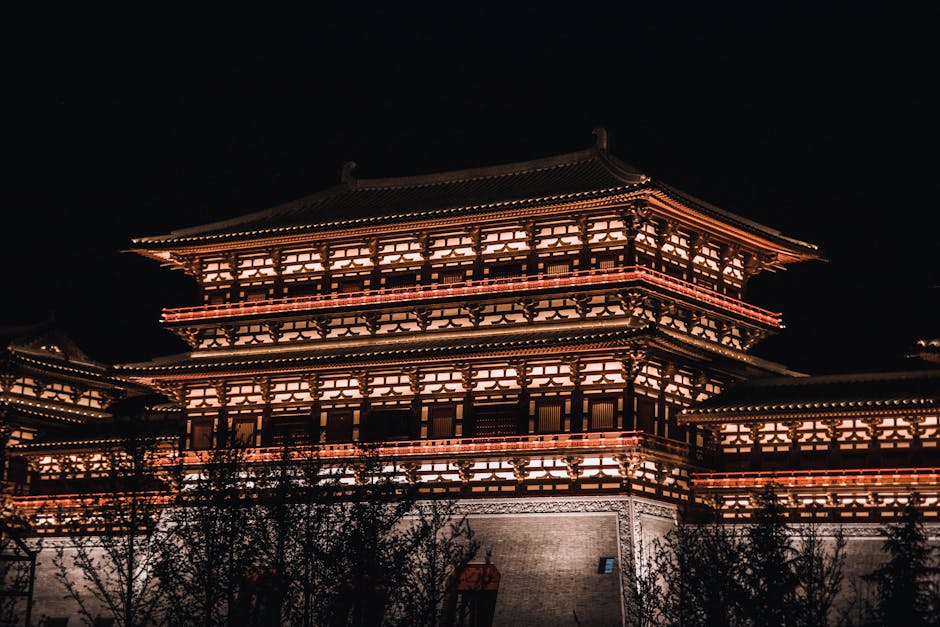 Moderate
Xian, China
Discover the Silk Road's legacy and modern local life in Xian’s West City on this immersive self-guided audio walk through markets and history.
 Moderate
Xian, China
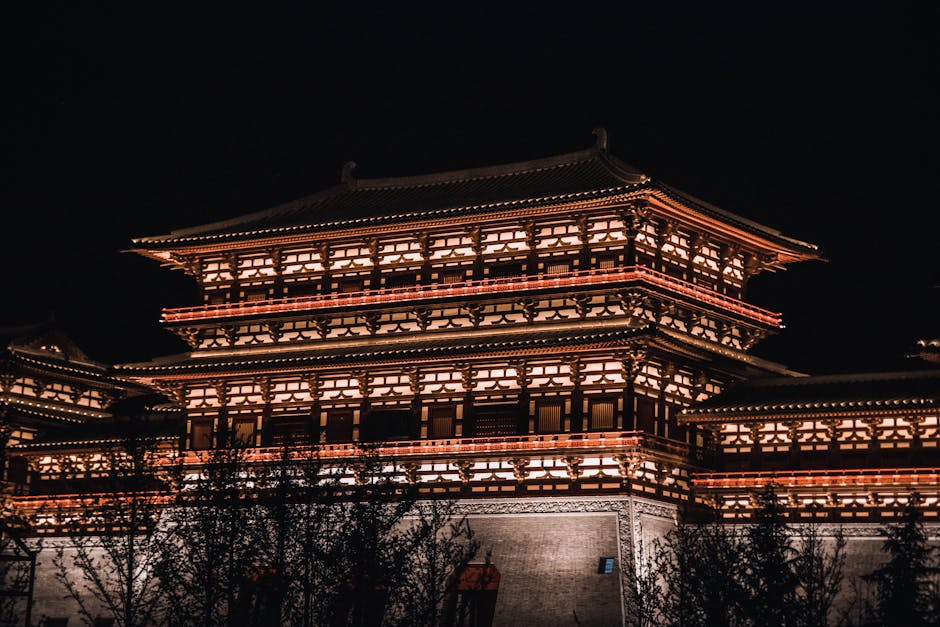
Discover the 'Palace of Great Brilliance' and the mighty Ming-era fortifications on this self-guided walk through Xi'an's historic northern district.
 Easy
EasyXian, China
Discover the hidden bars and artisan coffee shops of Defu Lane on this self-guided stroll through Xi'an's most bohemian neighborhood.
 Easy
EasyXian, China
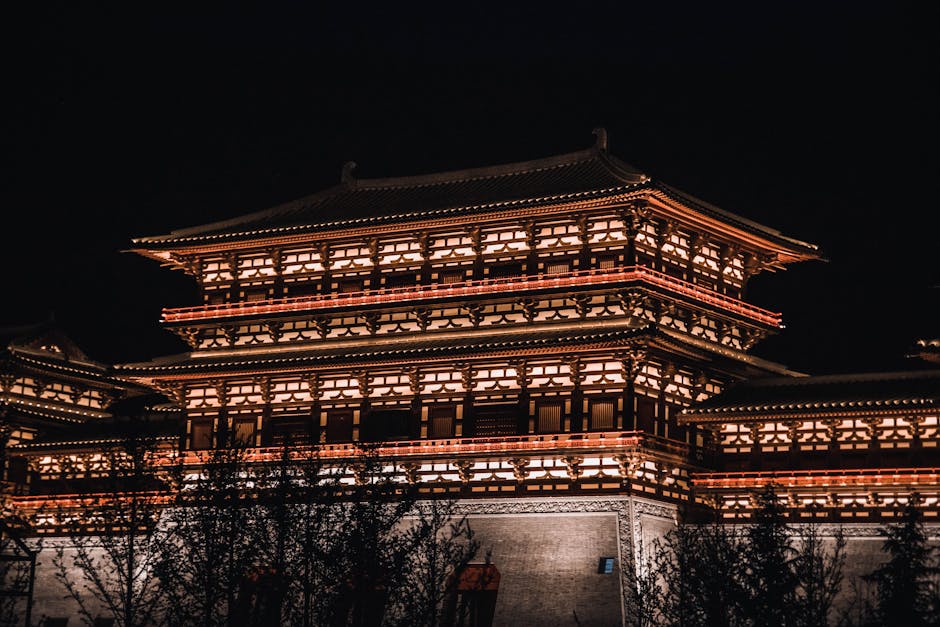
Explore the evolution of Xi'an from Ming Dynasty palaces to revolutionary landmarks on this fascinating self-guided history and architecture walk.
 Easy
EasySalzburg, Austria
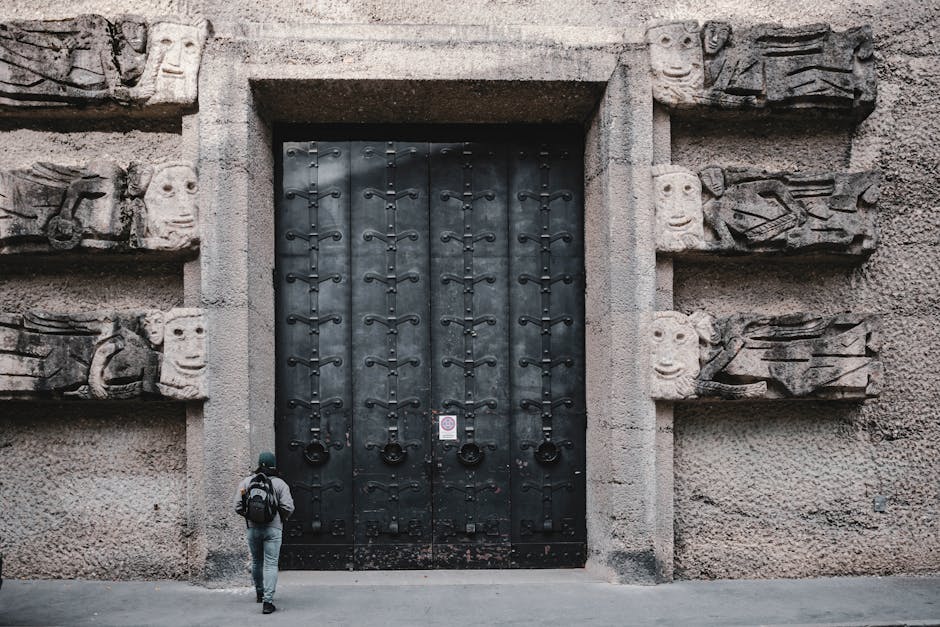
Discover Salzburg's oldest medieval alley, the birthplace of the 'Silent Night' author, and breathtaking views on this quiet self-guided walk.
 Moderate
Nairobi, Kenya
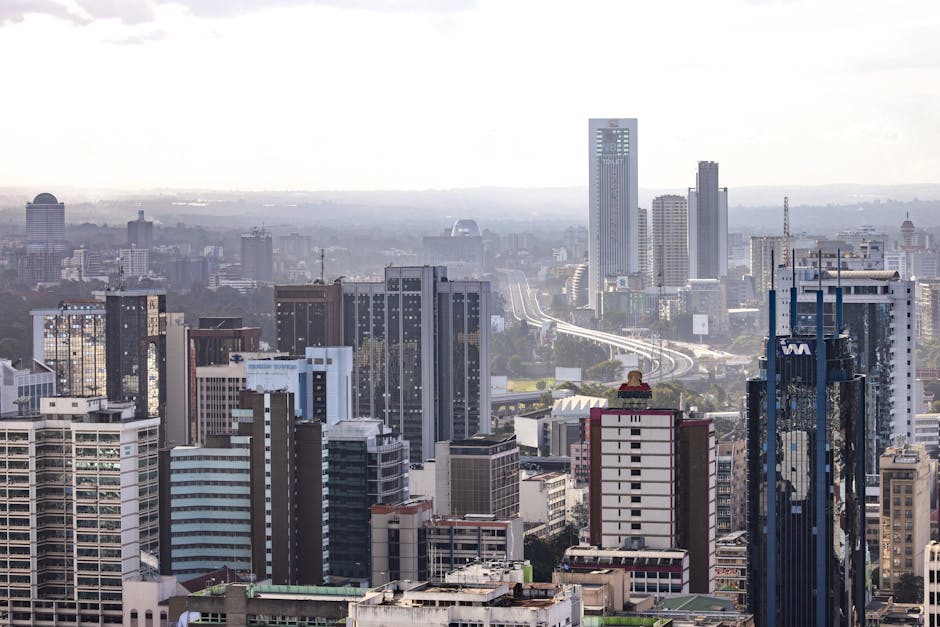
Discover Nairobi's lush side on this self-guided walk through botanical gardens, historic memorials, and vibrant local markets.
 Moderate
Vienna, Austria
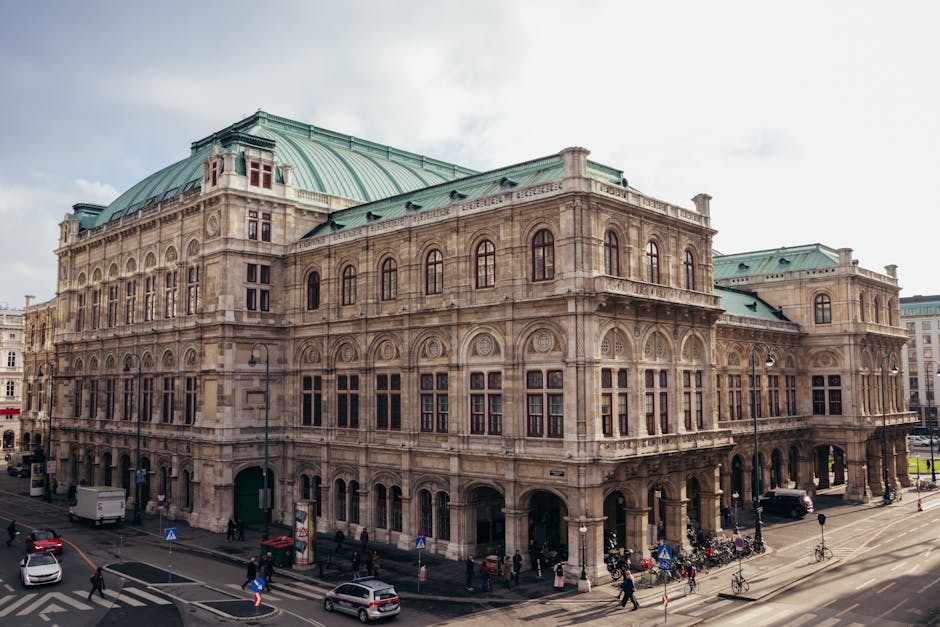
Follow the footsteps of Mozart and Strauss through Vienna’s historic center on this self-guided walk through the city's rich musical history.
 Easy
EasyKrakow, Poland
Explore the historic heart of Kazimierz on this self-guided walk through synagogues, ancient cemeteries, and vibrant squares.
 Easy
EasyBeijing, China
Explore Beijing's premier art district on this self-guided walk through the industrial-chic 798 Art Zone and the massive tanks of 751 D・PARK.
 Moderate
Beijing, China
Explore the majestic red walls, imperial moats, and hilltop vistas of Beijing's Forbidden City on this self-guided architectural walking route.
 Moderate
Beijing, China
Explore the spiritual heart of Beijing on this self-guided walk through the Temple of Heaven's iconic altars, ancient pines, and vibrant park life.
 Easy
EasyBeijing, China
A culinary and cultural self-guided walk through Beijing's historic Dongsi neighborhood, featuring ancient mosques, hutongs, and iconic local eats.
