Hong Kong is often celebrated as a city of glass and steel, but beneath the shimmering skyline lies a soul built on centuries of colonial trade and deep-rooted spiritual traditions. This self-guided walk, titled "Colonial Echoes and Ancient Incense," invites you to step away from the modern financial hubs and traverse the historic layers of Central and Sheung Wan. By following this walking route, you will uncover the stories of the early British settlers and the local communities that shaped the "Fragrant Harbour." Your adventure begins at the Western Market, a stunning example of Edwardian architecture that stands as a remnant of the city's early 20th-century commercial life. As you move through the narrow, winding streets of Sheung Wan, the atmosphere shifts from the bustle of modern commerce to the nostalgic charm of Upper Lascar Row. Known locally as "Cat Street," this area offers a window into the past through its eclectic collection of antiques and curios. A highlight of this neighborhood stroll is the Man Mo Temple. The air here is thick with the scent of sandalwood, as massive incense coils hang from the ceiling, carrying prayers to the heavens. This spiritual sanctuary provides a stark, beautiful contrast to the nearby Tai Kwun, a massive heritage restoration project that once served as the Central Police Station and Victoria Prison. Here, you can witness how the city has transformed its former colonial symbols of authority into vibrant spaces for art and culture. The final leg of this self-guided adventure leads you toward the heart of the old Victoria City. You will encounter the striking red-brick facade of the Former French Mission Building and the serene, Gothic-inspired St John’s Cathedral. These landmarks serve as silent witnesses to the city's transition from a remote colonial outpost to a global metropolis. Whether you are a history buff, an architecture enthusiast, or a first-time visitor, this walking tour Hong Kong experience offers a unique perspective on the city's complex identity. By exploring independently, you have the freedom to linger at a temple altar or spend extra time photographing the neoclassical details of historic facades. This walking tour Hong Kong route is more than just a path through the streets; it is a journey through time where the echoes of the British Empire meet the timeless traditions of the East.
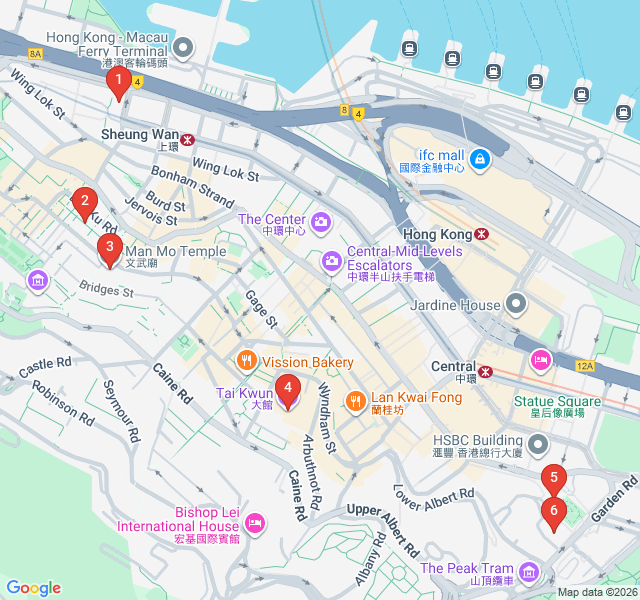
Numbers indicate the order of stops on the tour
Welcome to Western Market, a rare survivor of Hong Kong's Edwardian past. Built in 1906, this red-brick structure with its granite dressings was originally the North Block of the market complex. Notice the 'bandaged' appearance of the brickwork and the four corner towers, which are classic hallmarks of the Edwardian style. Originally, this was a bustling food market where locals bought fresh produce. Today, it has been preserved as a boutique shopping center, housing traditional fabric merchants and souvenir shops. As you stand before its arched entrance, imagine the era when the nearby harbor was crowded with junks and steamships, and this building served as a vital commercial hub for the growing British colony. It remains one of the oldest surviving market buildings in the city.
As you transition into the narrow alleyways of Sheung Wan, you arrive at Upper Lascar Row, famously known as 'Cat Street.' The name 'Lascar' refers to the East Indian sailors who frequented this area in the 19th century. By the 1920s, the street had become a marketplace for second-hand goods and curios. It earned the nickname 'Cat Street' because stolen goods were once called 'rat goods' in Cantonese, and the people who bought them were 'cats.' Today, the street is much more reputable but no less fascinating. You can find everything here from Maoist memorabilia and vintage movie posters to jade carvings and antique birdcages. It is a perfect spot to observe the layer of history that makes Sheung Wan unique.
Step into the aromatic embrace of the Man Mo Temple, built in 1847. This is one of Hong Kong’s oldest and most significant temples, dedicated to the God of Literature (Man) and the God of War (Mo). In the 19th century, this was not just a place of worship but also a community center where local disputes were settled. Look up to see the giant hanging incense coils; these are lit by worshippers and can burn for weeks, carrying prayers and wishes to the heavens. The contrast between the dark, smoke-filled interior and the bright skyscrapers outside perfectly encapsulates the dual identity of Hong Kong. Please remember to remain quiet and respectful as people are here to pray and seek guidance.
Tai Kwun, meaning 'Big Station' in Cantonese, is a massive heritage complex that was once the heart of the city's legal and penal system. It comprises the former Central Police Station, the Central Magistracy, and Victoria Prison. This site has been meticulously restored and reopened as a center for heritage and arts. As you walk through the parade ground, you can see the imposing colonial-style buildings standing alongside modern, metallic structures designed by Herzog & de Meuron. The prison once held notable figures, including Ho Chi Minh in the 1930s. Today, the cells have been transformed into exhibition spaces, offering a somber but fascinating look at the city's history of law and order.
Perched on a small hill overlooking Battery Path is the Former French Mission Building. This striking structure, built in 1917 on the site of an earlier residence, is a masterpiece of neoclassical architecture. Its distinctive red-brick walls, granite steps, and elegant dome make it one of the most photographed buildings in Central. Over the decades, it has served many roles: a residence for the Governor, a headquarters for the French Missions Étrangères, and most recently, the Court of Final Appeal until 2015. The building represents the grand architectural ambitions of the early 20th century and serves as a reminder of the various international influences that have shaped Hong Kong’s administrative history.
Our walk concludes at St John’s Cathedral, the oldest Anglican church in the Far East. Completed in 1849, the cathedral was built in the shape of a cross and features beautiful Gothic Revival architecture. During the Japanese occupation in World War II, the building was used as a clubhouse, but it was fortunately spared from destruction. Today, it stands as a peaceful sanctuary amidst the glass towers of the financial district. The grounds are open to the public and offer a quiet space for reflection. Notice how the cathedral’s pale yellow walls and lancet windows provide a soft contrast to the sharp lines of the nearby Bank of China Tower, symbolizing the enduring presence of history in a rapidly changing city.
Download Zigway to experience "Colonial Echoes and Ancient Incense" with AI-powered audio narration. Walk at your own pace while stories unfold around you.
 Moderate
Hong Kong, China
Explore the historic typhoon shelters, vibrant fish markets, and maritime heritage of Aberdeen on this immersive self-guided neighborhood stroll.
 Easy
EasyHong Kong, China
Discover North Point’s soul on this self-guided walk through bustling wet markets, historic cinemas, and hidden art spaces in Hong Kong.
 Easy
EasyHong Kong, China
Explore Quarry Bay's industrial past and cinematic architecture on this self-guided walk through Hong Kong's eastern district.
 Challenging
Hong Kong, China
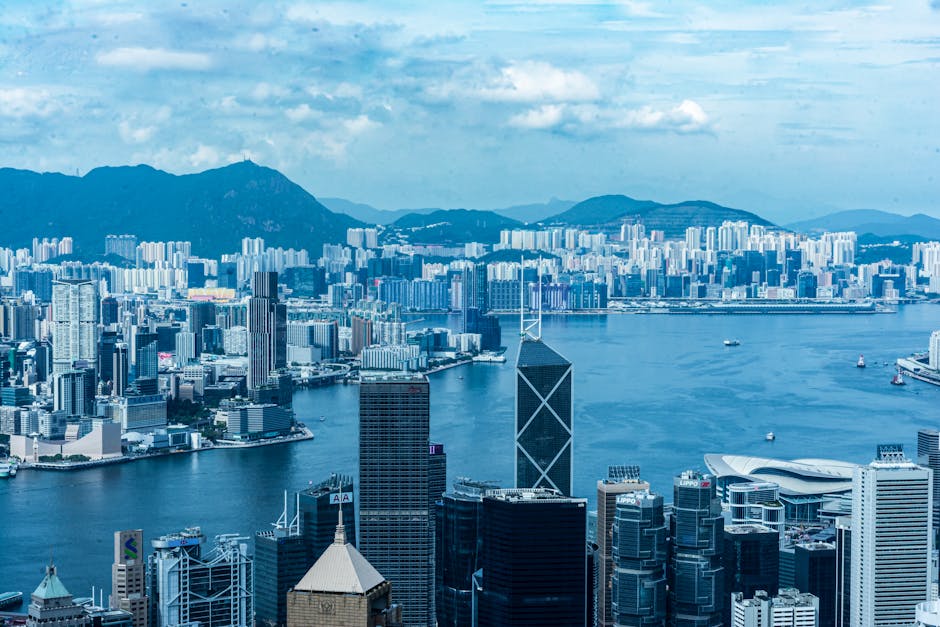
Explore Sai Ying Pun’s steep historic streets, vibrant ArtLane murals, and the mysterious 'Haunted House' on this challenging self-guided walk.
 Easy
EasySalzburg, Austria
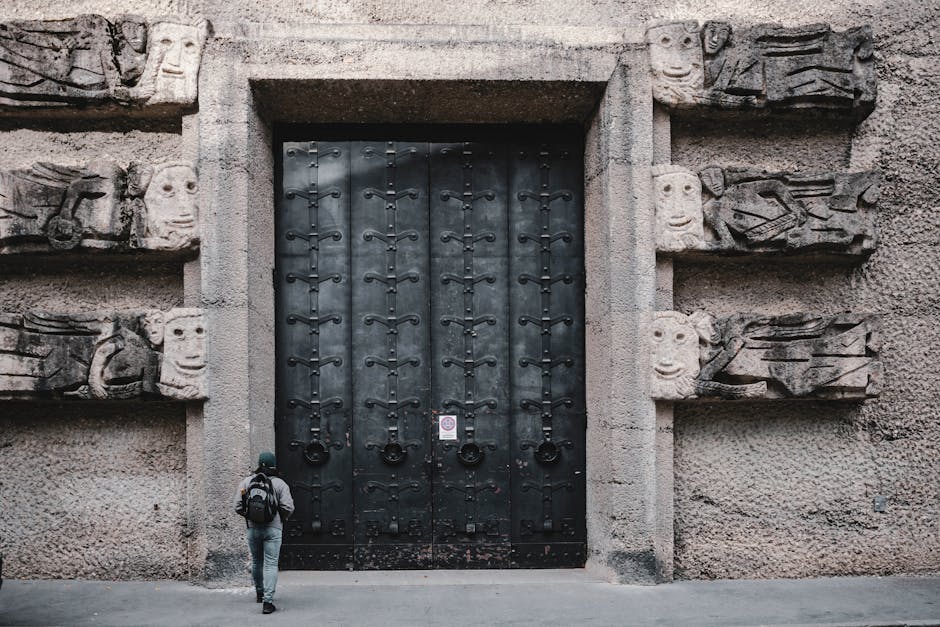
Discover the 'Rome of the North' on this self-guided walk through the Baroque squares and monumental legacy of Salzburg’s Prince-Archbishops.
 Moderate
Warsaw, Poland
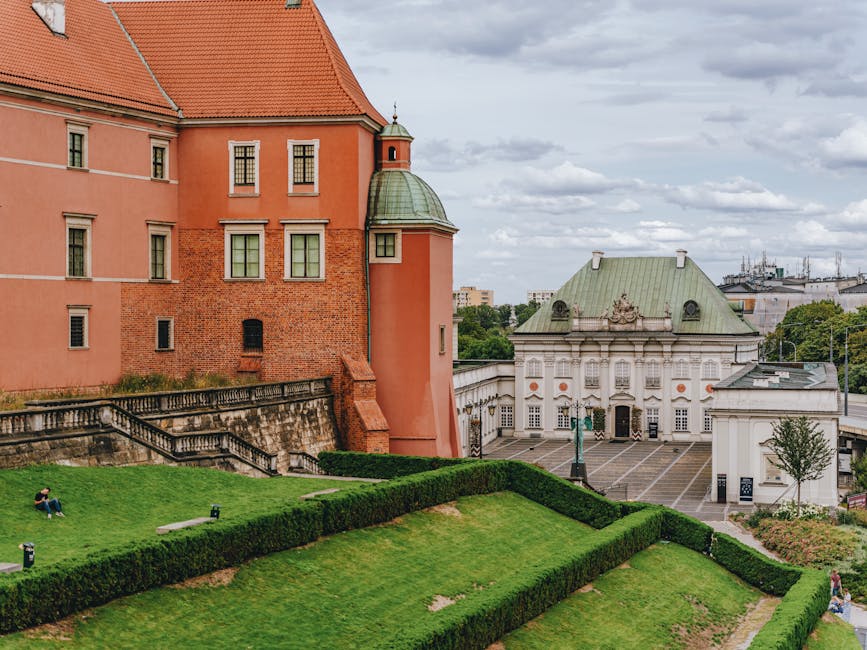
Explore the resilient spirit of Warsaw's Muranów district on this self-guided walk through the history and landmarks of the former Jewish Ghetto.
 Easy
EasyGothenburg, Sweden
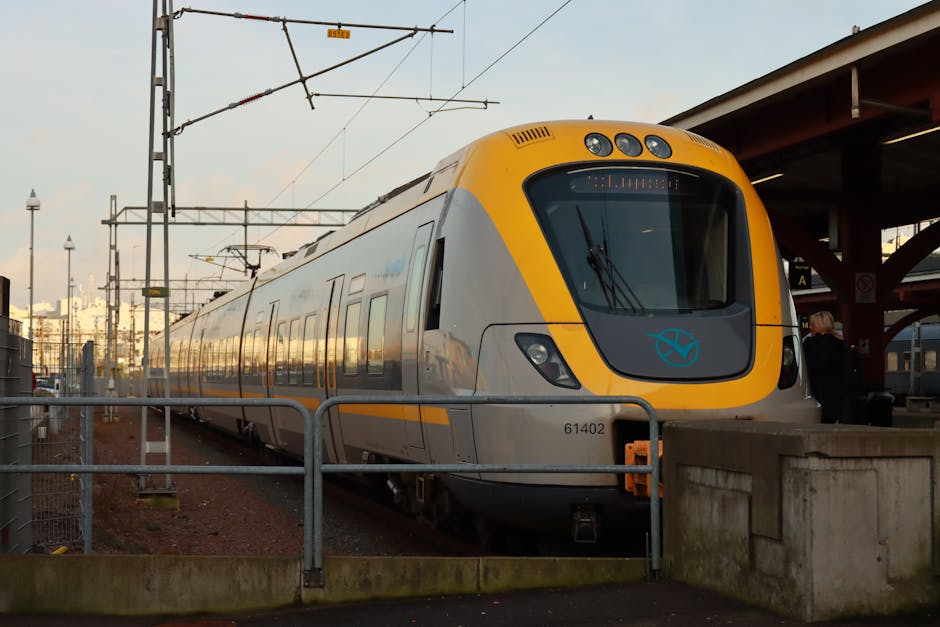
Discover Gothenburg’s 17th-century Dutch foundations, historic canals, and military fortifications on this self-guided architectural walk.
 Easy
EasyNairobi, Kenya
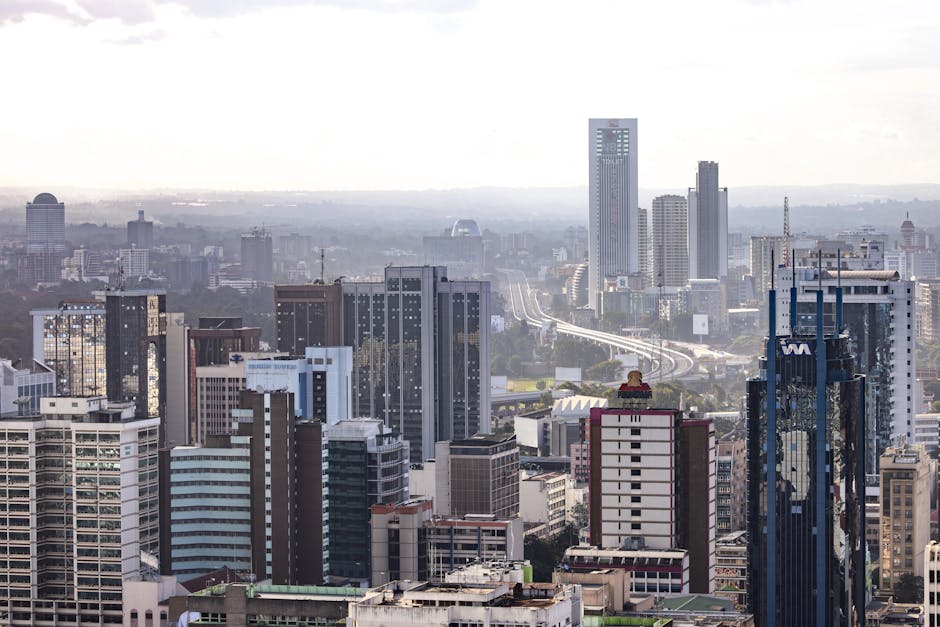
Explore Nairobi's architectural evolution from colonial-era landmarks to iconic Brutalist skyscrapers on this historic self-guided walking route.
 Easy
EasyBeijing, China
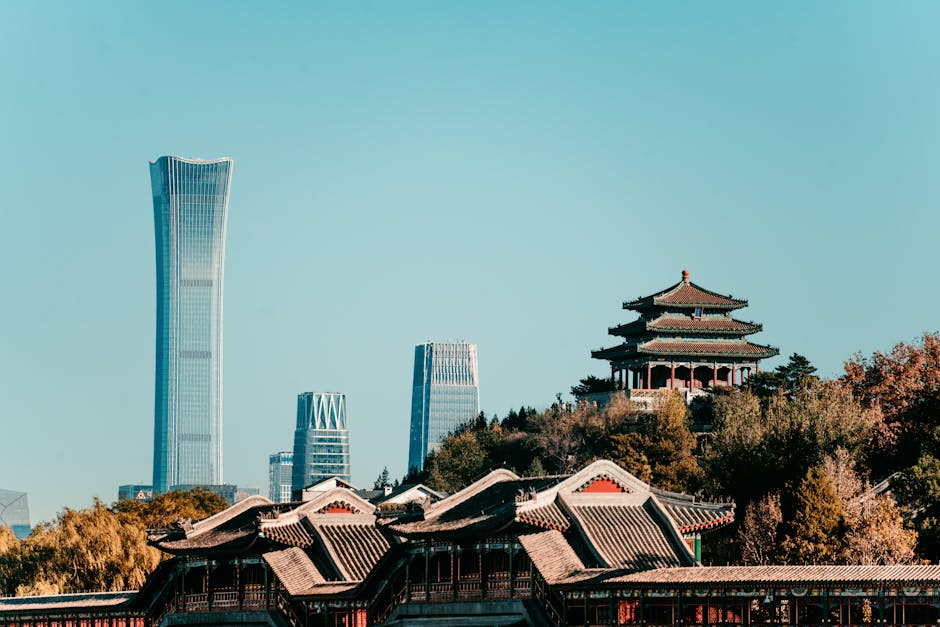
Explore Beijing's premier art district on this self-guided walk through the industrial-chic 798 Art Zone and the massive tanks of 751 D・PARK.
 Moderate
Beijing, China
Explore the majestic red walls, imperial moats, and hilltop vistas of Beijing's Forbidden City on this self-guided architectural walking route.
 Moderate
Beijing, China
Explore the spiritual heart of Beijing on this self-guided walk through the Temple of Heaven's iconic altars, ancient pines, and vibrant park life.
 Easy
EasyBeijing, China
A culinary and cultural self-guided walk through Beijing's historic Dongsi neighborhood, featuring ancient mosques, hutongs, and iconic local eats.
