In the late 19th and early 20th centuries, Budapest was the undisputed capital of coffee house culture, where the city’s intellectual heart beat to the rhythm of clinking teaspoons and the rustle of newspapers. This self-guided walk invites you to step back into that 'Golden Age' when coffee houses served as the living rooms of the elite and the offices of the literary avant-garde. You will traverse the historic streets of District V, VII, and XI to discover the spaces where poets drafted revolutions on napkins and editors founded magazines that changed the course of Hungarian literature. This neighborhood stroll is more than just a culinary tour; it is a deep dive into the 'Kávéház' tradition—a unique social institution where for the price of a cup of coffee, any citizen could stay all day, staying warm and inspired. Your walking route begins at the Petőfi Museum of Literature, housed in a stunning Neoclassical palace, setting the stage for the stories of Hungary’s most famous writers. From there, you will explore a curated selection of grand establishments. You will see the Centrál Grand Cafe, once the headquarters of the influential literary journal Nyugat, and the world-famous Café Gerbeaud, which brought Parisian elegance to the heart of Pest. As you continue your self-guided adventure, the path leads to the Művész Coffee House, a favorite of opera singers and actors, and finally to the breathtaking New York Café, often cited as the most beautiful café in the world. The journey concludes across the Danube at Café Hadik, the legendary haunt of 1920s bohemians. Along the way, you will learn about the 'table-societies,' the eccentric habits of writers like Frigyes Karinthy, and how these spaces survived world wars and political shifts. This travel experience offers a perfect blend of architectural grandeur, historical anecdotes, and the timeless charm of Central European cafe life.
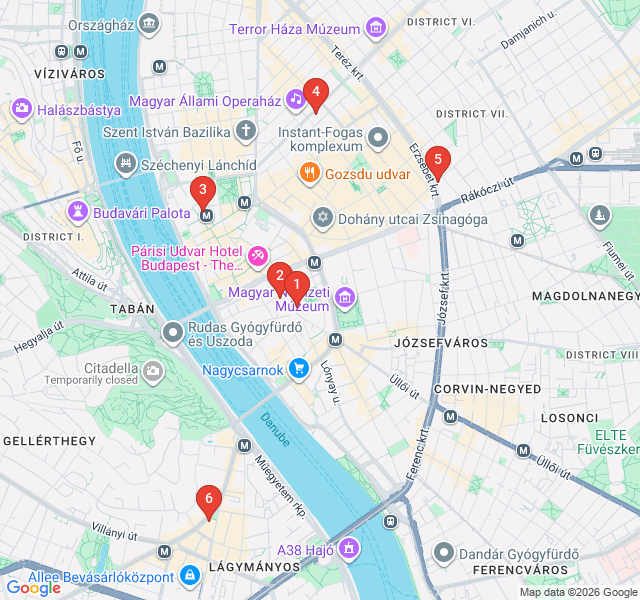
Numbers indicate the order of stops on the tour
Welcome to the Károlyi Palace, the elegant setting for the Petőfi Museum of Literature. This institution is dedicated to Sándor Petőfi, Hungary’s national poet and a key figure in the 1848 Revolution. The museum does more than archive books; it preserves the spirit of Hungarian identity. As you stand before this Neoclassical masterpiece, imagine the literary salons that once took place within these walls. The museum’s collection includes personal artifacts from the nation's greatest writers, providing the perfect context for the cafe culture you are about to explore. It was here that the link between the written word and national freedom was forged, often over a strong cup of black coffee.
A short walk brings you to Centrál Grand Cafe, opened in 1887. During the early 20th century, this was the intellectual engine of Budapest. It served as the primary meeting place for the writers of 'Nyugat,' the most important literary journal in Hungarian history. Writers like Endre Ady and Mihály Babits had reserved tables here, essentially using the cafe as their office. The atmosphere here is purposefully traditional, with dark wood and leather booths designed to foster deep conversation. Look around and imagine the 'table-societies'—groups of intellectuals who would spend entire days debating philosophy and literature while the waiters kept the inkwells full and the coffee flowing.
Located in Vörösmarty Square, Café Gerbeaud is a symbol of aristocratic Pest. Founded by Henrik Kugler and later expanded by the Swiss confectioner Emil Gerbeaud, this cafe brought world-class pastry making to Hungary. It wasn't just a place for writers, but for high society. The interior, with its marble tables, exotic woods, and bronze accents, remains one of the finest examples of 19th-century grandeur. While the literary crowd might have preferred the smoke-filled backrooms of bohemian haunts, Gerbeaud was where they went to see and be seen. Don't miss the chance to admire the ceiling stuccos, which have witnessed over 160 years of Budapest history.
Across from the Hungarian State Opera House on the grand Andrássy Avenue, you will find Művész, or the 'Artist Cafe.' Opened in 1898, it has lived up to its name for over a century, serving as the unofficial green room for the city’s performers. Its proximity to the theater district meant that after a performance, the booths were filled with opera singers, actors, and directors. The vibe here is slightly more intimate and lived-in than the grander cafes. The Biedermeier furnishings and oversized mirrors reflect an era when Andrássy Avenue was the 'Champs-Élysées of the East.' It remains a local favorite for those seeking a quiet corner to read or observe the city's artistic pulse.
Prepare to enter what is frequently called the most beautiful cafe in the world. Located inside the Boscolo Budapest Hotel, the New York Café is a riot of Italian Renaissance style, featuring gilded columns, velvet curtains, and stunning ceiling frescoes by Gusztáv Magyar-Mannheimer. At the turn of the century, it was said that if you wanted to send a letter to a famous writer, you simply addressed it to 'New York Café' because they were always here. Legend has it that writer Ferenc Molnár threw the keys to the cafe into the Danube so it would never close. This was the pinnacle of the cafe culture, a secular cathedral dedicated to the art of the conversation.
To reach our final stop, you cross the Danube into Buda. Café Hadik, named after the nearby Hadik Barracks, was the legendary center of the trans-Danubian literary scene in the 1920s. It was the favorite haunt of Frigyes Karinthy, the man who first proposed the 'six degrees of separation' theory. While the Pest side cafes were often formal, Hadik was known for its boisterous, satirical, and slightly rebellious atmosphere. After closing for many years during the socialist era, it was faithfully restored to its former glory. It stands today as a testament to the enduring nature of Budapest's intellectual spirit and the revitalization of the Bartók Béla cultural boulevard.
Download Zigway to experience "Literary Legends and Coffee House Culture" with AI-powered audio narration. Walk at your own pace while stories unfold around you.
 Easy
EasyBudapest, Hungary
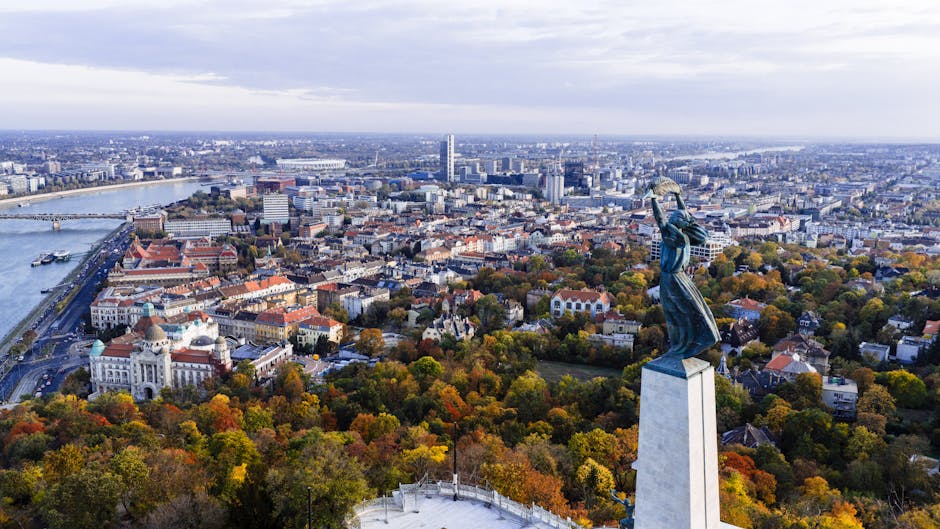
Experience the magic of Budapest at sunset on this self-guided walk along the Danube, featuring iconic bridges, historic halls, and hidden gems.
 Easy
EasyBudapest, Hungary
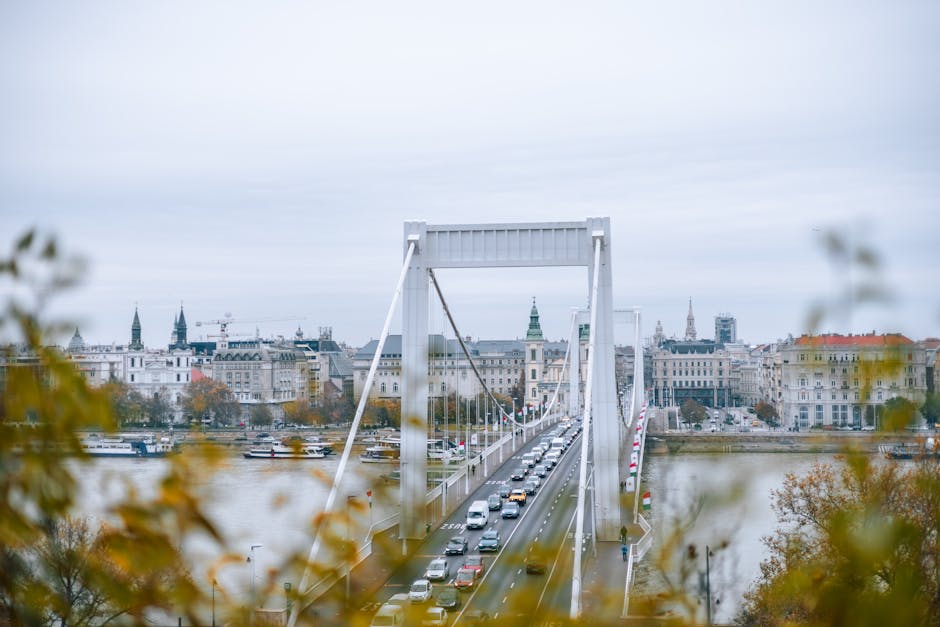
Discover the hidden 'Magnates' Quarter' of Budapest. A self-guided walk through aristocratic history and stunning 19th-century architecture.
 Easy
EasyBudapest, Hungary
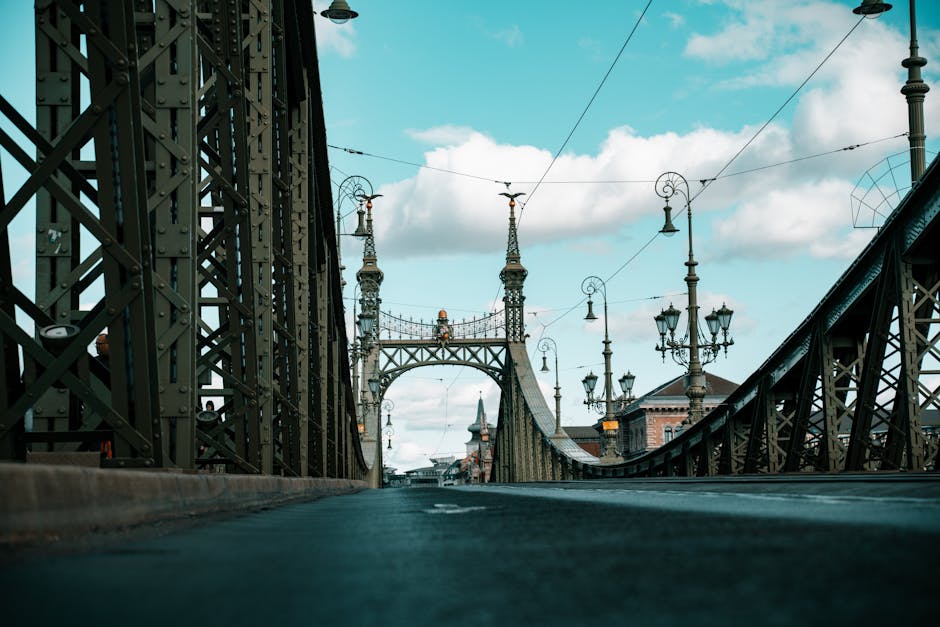
Discover the vibrant street art and legendary ruin bars of District VII on this self-guided walk through Budapest’s most eclectic neighborhood.
 Moderate
Budapest, Hungary
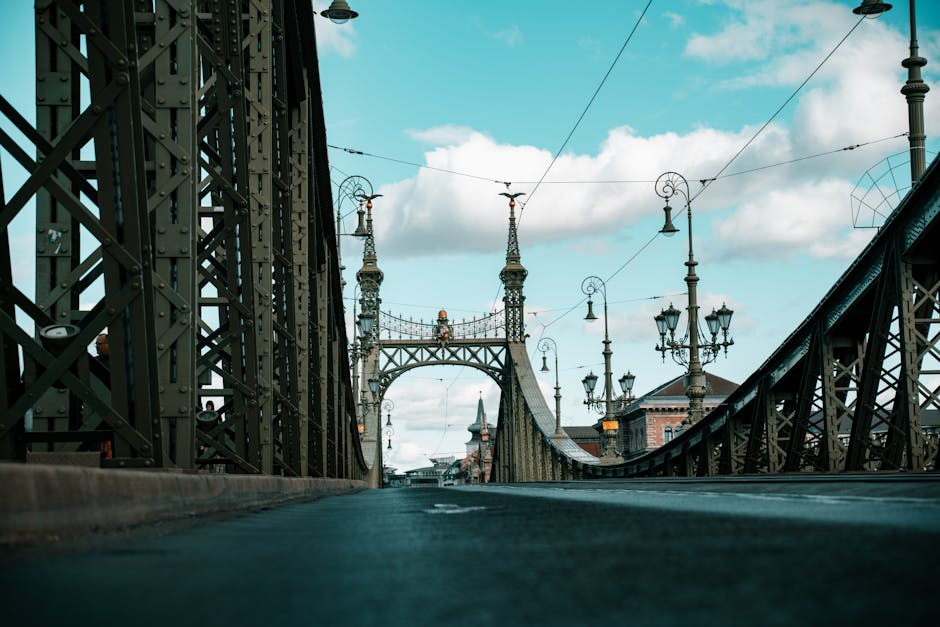
Explore the historic heart of Budapest with this self-guided walk through the Royal Buda Castle district, featuring panoramic views and medieval lore.
 Easy
EasyGothenburg, Sweden
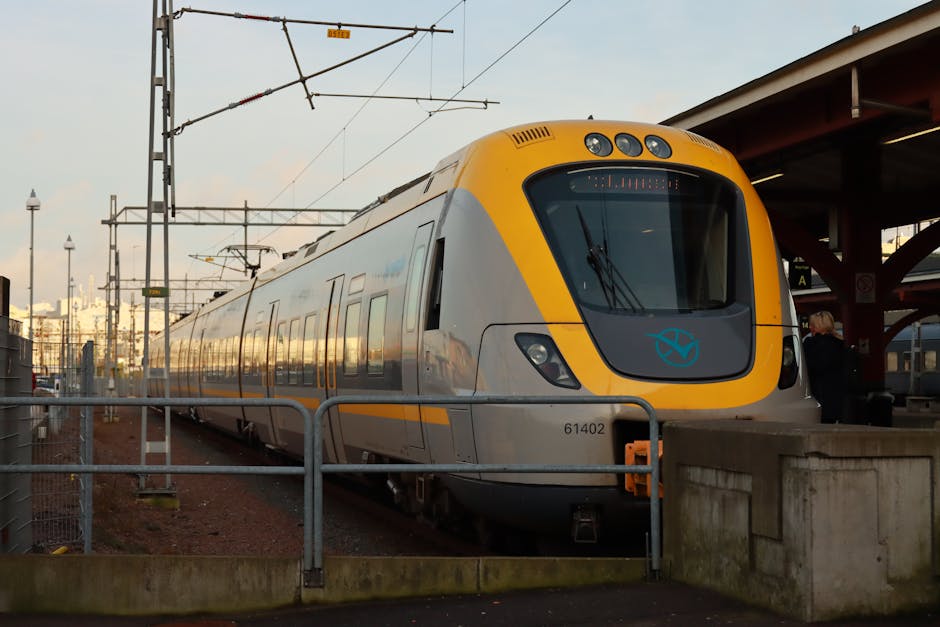
Explore Gothenburg’s historic wooden houses, legendary giant cinnamon buns, and panoramic fortress views on this self-guided neighborhood stroll.
 Easy
EasyKrakow, Poland
Explore the prestigious Jagiellonian University district, featuring Neo-Gothic architecture, Baroque churches, and Krakow's hidden scholarly gems.
 Easy
EasyGdansk, Poland
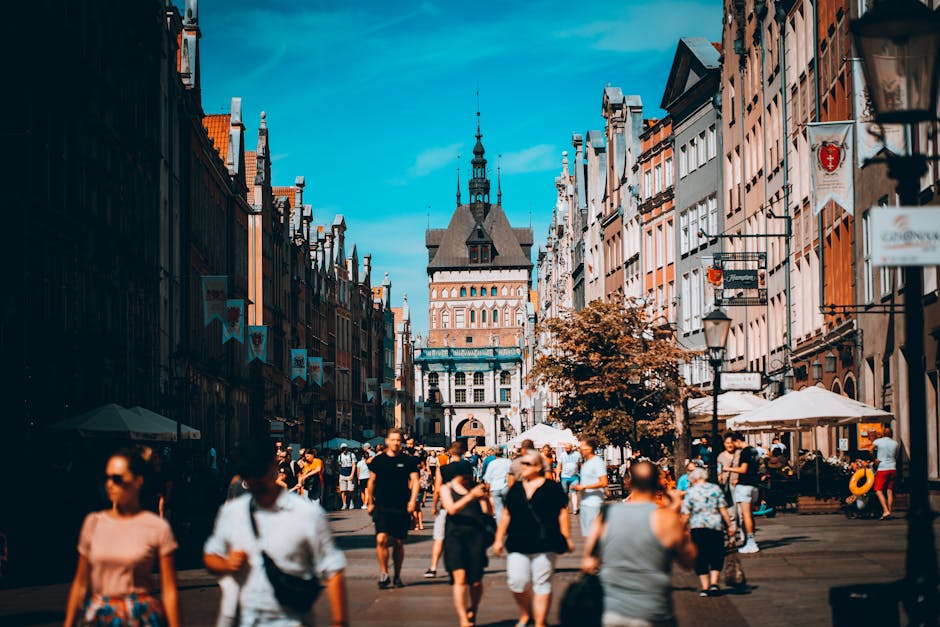
Taste the history of the Baltic. Explore Gdansk's culinary heritage from medieval markets to gold-flecked liqueurs on this self-guided walk.
 Easy
EasyGothenburg, Sweden
Discover Gothenburg’s 17th-century Dutch foundations, historic canals, and military fortifications on this self-guided architectural walk.
