Step into the rose-tinted heart of Rajasthan with a self-guided walk through Jaipur’s Pink City. This architectural route reveals how a planned 18th-century capital evolved into a bustling modern metropolis while preserving its regal soul. Your exploration begins at the majestic Albert Hall Museum, a masterpiece of Indo-Saracenic design that stands as a bridge between British influence and Indian craftsmanship. From here, the route draws you toward the fortified boundaries of the old city, entering through the monumental gates that have guarded Jaipur for centuries. As you stroll, you will encounter the unique urban planning of Maharaja Sawai Jai Singh II, characterized by wide avenues and symmetrical facades painted in the signature terracotta pink. The walk transitions from the quiet grandeur of museum gardens to the sensory explosion of Bapu Bazaar and Nehru Bazar. Here, the architecture isn't just in the stone; it’s in the rhythm of daily life. You will see the distinctive porches and arched entryways that define the local vernacular, offering shade to artisans and shoppers alike. This neighborhood stroll isn't just about landmarks; it’s about the interplay of light on pink sandstone and the stories etched into the city's massive lime-plastered walls. Whether you are a photography enthusiast or a history buff, this walking route provides a deep dive into the aesthetic DNA of the Pink City. Discover at your own pace how the city’s nine-square grid—inspired by ancient Vedic principles—manifests in the placement of the gates and the flow of the markets. By the time you reach Ajmeri Gate, you will have experienced the architectural transition from the colonial era back to the Rajput foundations. This self-guided adventure offers the flexibility to linger at a textile stall or admire a delicate jali screen without the pressure of a fixed schedule. It is a quintessential walking tour Jaipur experience for those who prefer independent discovery.
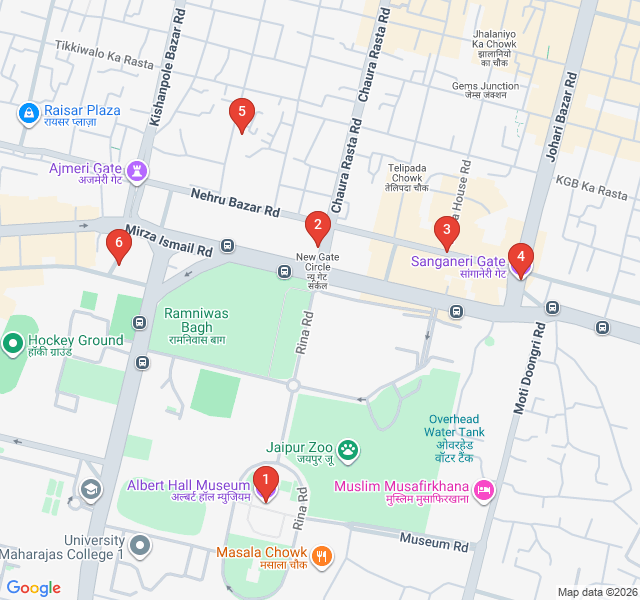
Numbers indicate the order of stops on the tour
Start exploring with Zigway at the Albert Hall Museum, the oldest museum in Rajasthan. Designed by Sir Samuel Swinton Jacob and opened in 1887, this building is a textbook example of Indo-Saracenic architecture. Notice the intricate stone ornamentation, the towering minarets, and the fusion of Islamic arches with Neo-Gothic elements. It was named after King Edward VII (Albert Edward) and was originally intended to be a town hall. The museum stands in the lush Ram Niwas Garden, acting as a gateway between the British-influenced outer city and the traditional walled city you are about to enter. Take a moment to admire the pigeons swirling around its domes before heading north.
As you approach the walled city, you encounter New Gate. Unlike the original 18th-century gates, this was built in the 1940s during the reign of Maharaja Sawai Man Singh II. It was commissioned by the then Prime Minister, Sir Mirza Ismail, to improve traffic flow between the old city and the expanding modern suburbs. Despite its later construction, the architect ensured it harmonized with the existing aesthetic, using the same pink hues and traditional motifs. This gate marks your transition into the historic core of Jaipur, where the rigid grid system of the 1727 plan begins to reveal itself.
Step into Bapu Bazaar, one of Jaipur's most photogenic markets. The architecture here is strikingly uniform; the shops are all built to a similar height with identical arched verandas. This symmetry was a deliberate choice by Maharaja Sawai Jai Singh II to create a sense of order and grandeur. As you walk, look past the colorful displays of Mojari shoes and block-printed textiles to see the lime-plastered walls. The terracotta-pink color, often called 'Gerua,' was applied in 1876 to welcome the Prince of Wales and has been maintained by law ever since. The porches here serve a dual purpose: providing shade for shoppers and a platform for social interaction.
At the eastern end of the bazaar stands the Sanganeri Gate, one of the seven original gates of the walled city. Historically, this gate was the entry point for travelers coming from the town of Sanganer, famous for its textile printing. The gate is a massive, multi-storied structure designed for defense, featuring heavy wooden doors and battlements. Notice the small shrine of Ganesha usually situated near the entrance, a traditional feature to bless those entering the city. From this vantage point, you can see how the main arterial roads of the Pink City intersect at right angles, a testament to its status as India's first planned city.
Now, turn back and head toward Nehru Bazar. This stretch is famous for its perfumes, known as 'ittar,' and traditional blue pottery. Architecturally, Nehru Bazar mirrors the style of Bapu Bazaar but offers a slightly different perspective on the city's commercial life. Observe the 'jali' or latticed windows on the upper floors of the buildings; these allowed women of the royal or merchant classes to observe the street life while remaining in 'purdah' or seclusion. The continuity of the pink facades here creates a visual rhythm that is unique to Jaipur, making it feel like you are walking through a living open-air museum.
Your self-guided adventure concludes at Ajmeri Gate. This landmark served as the primary exit for those traveling toward the holy city of Ajmer. Like Sanganeri Gate, it is a formidable piece of military architecture, built to withstand sieges with its thick walls and strategic positioning. Today, it stands as a sentinel between the historic markets and the bustling modern roads leading to the railway station. Looking back through the gate, you can see the long perspective of the pink avenues you've just traversed. It is the perfect spot to appreciate the vision of a king who wanted to build a city that was as beautiful as it was functional.
Download Zigway to experience "Pink City Porches: An Architectural Walk" with AI-powered audio narration. Walk at your own pace while stories unfold around you.
 Moderate
Jaipur, India
Discover Jaipur’s secret courtyards and stunning frescoes on this self-guided walk through the historic havelis and alleys of Purani Basti.
 Challenging
Jaipur, India
Ascend the historic ramparts of Amer Fort on this self-guided walk through ancient stepwells, royal gateways, and the dazzling Hall of Mirrors.
 Moderate
Jaipur, India
Explore Jaipur’s royal history at your own pace with this self-guided audio walk through the Pink City’s most iconic palaces and monuments.
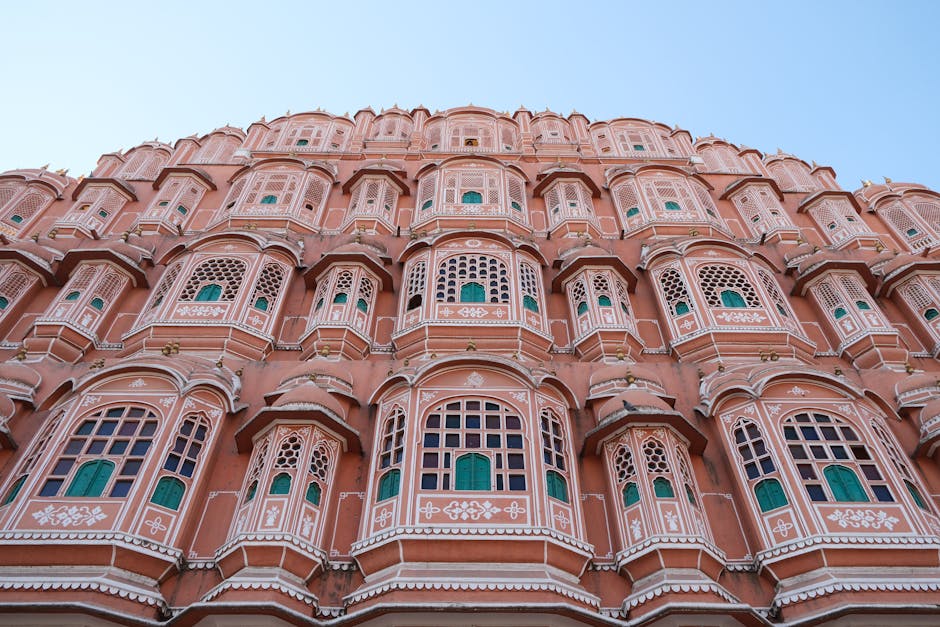 Easy
EasyJaipur, India
Explore Jaipur’s intellectual heart on this self-guided literary walk from historic libraries to iconic cultural hubs and legendary tea stalls.
 Easy
EasyNairobi, Kenya
Discover Nairobi's iconic skyline on this self-guided architecture walk through the CBD’s most famous modernist and Brutalist landmarks.
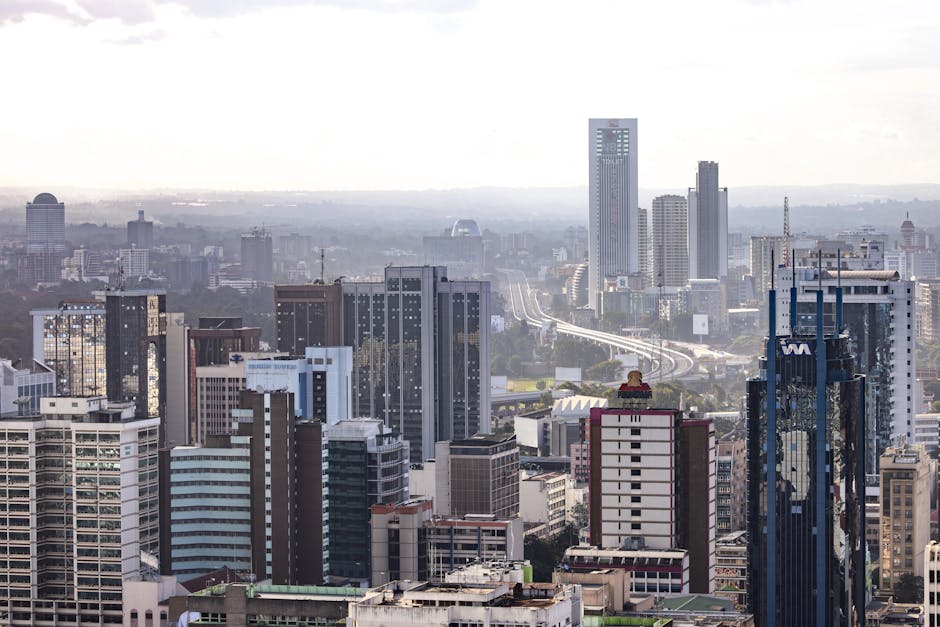 Easy
EasyNairobi, Kenya
Explore Nairobi's architectural evolution from colonial-era landmarks to iconic Brutalist skyscrapers on this historic self-guided walking route.
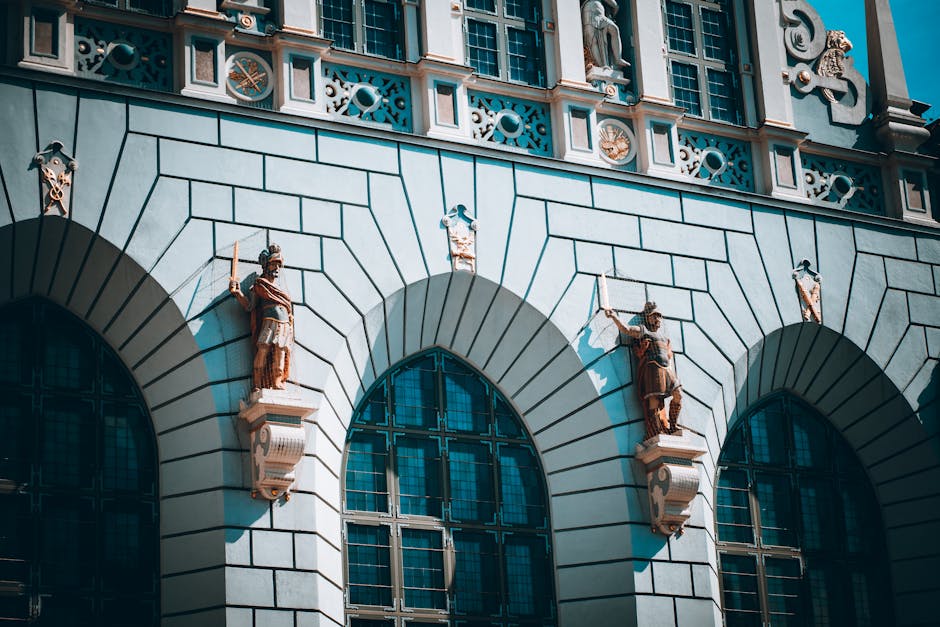 Easy
EasyGdansk, Poland
Discover the opulent Royal Way of Gdansk at your own pace. Explore Hanseatic history, gilded architecture, and the iconic Neptune's Fountain.
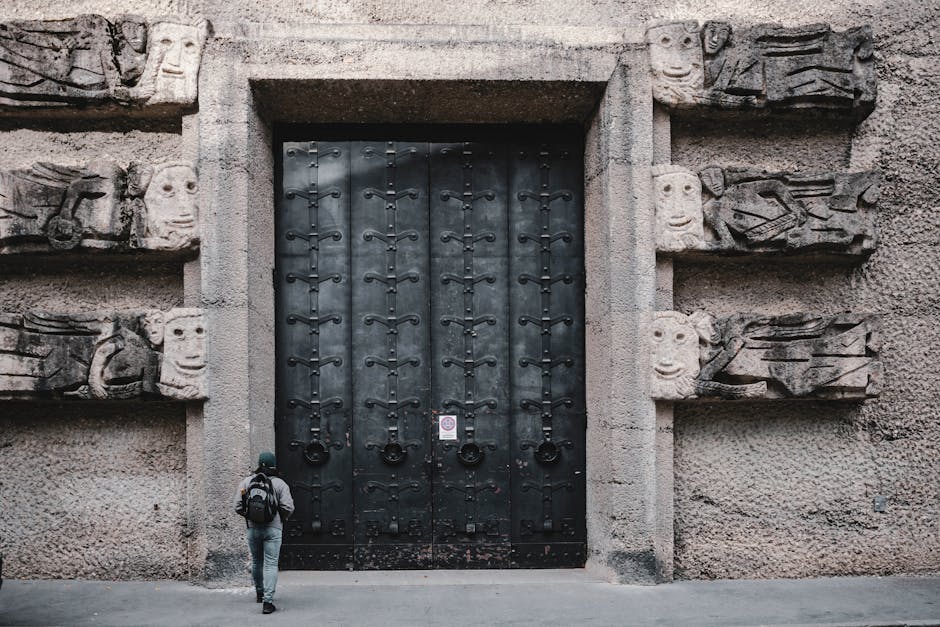 Easy
EasySalzburg, Austria
Discover the 'Rome of the North' on this self-guided walk through the Baroque squares and monumental legacy of Salzburg’s Prince-Archbishops.
 Easy
EasyMumbai, India
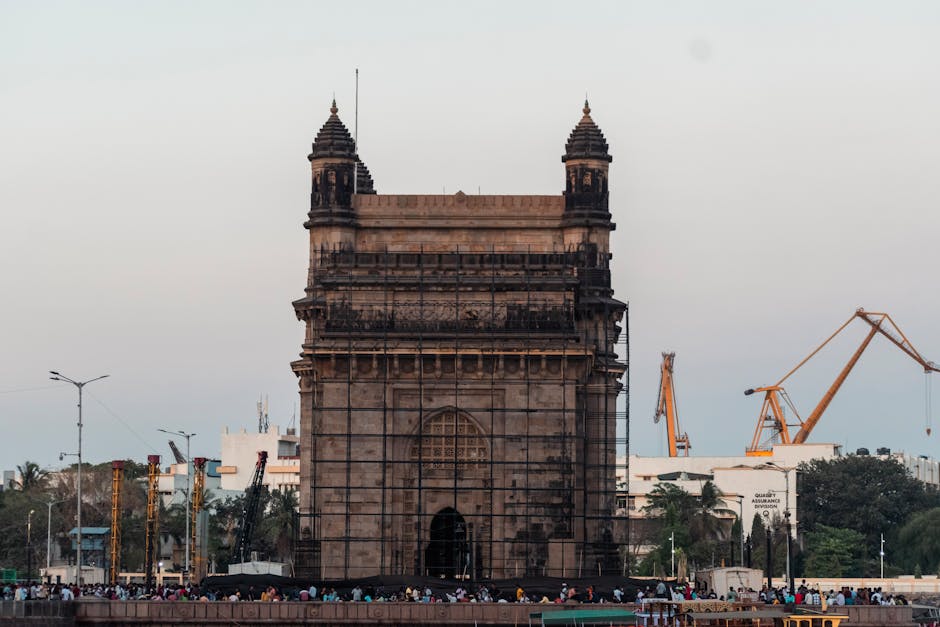
Explore Mumbai's stunning UNESCO Art Deco heritage on this self-guided walking route along the iconic Marine Drive promenade.
 Challenging
Mumbai, India
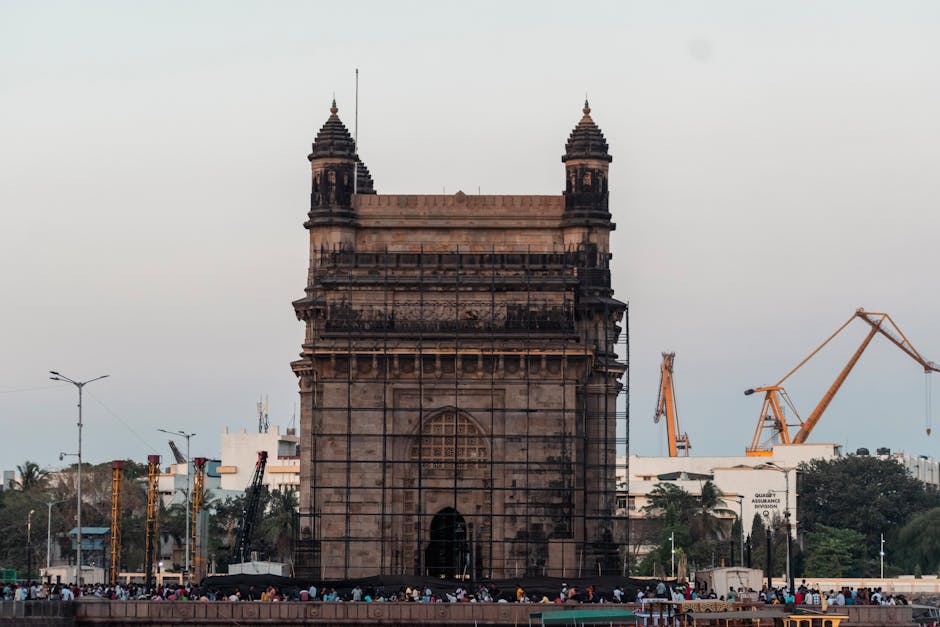
Experience the sensory explosion of Mumbai's historic markets on this challenging self-guided walk through Kalbadevi and Crawford Market.
 Easy
EasyMumbai, India
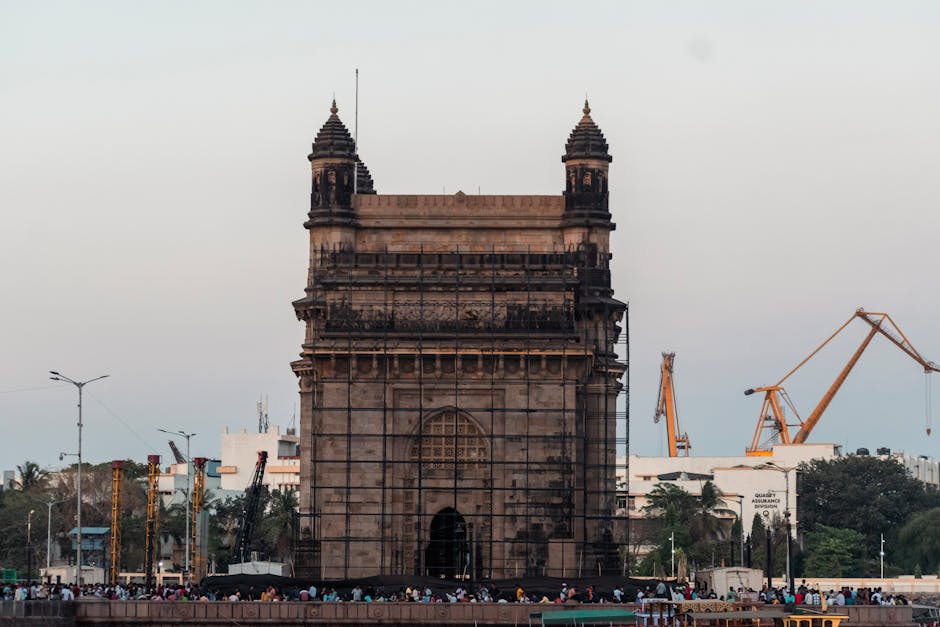
Explore Mumbai's colonial legacy on this self-guided walk through Colaba's iconic landmarks, from the Gateway of India to grand Art Deco palaces.
 Moderate
Mumbai, India
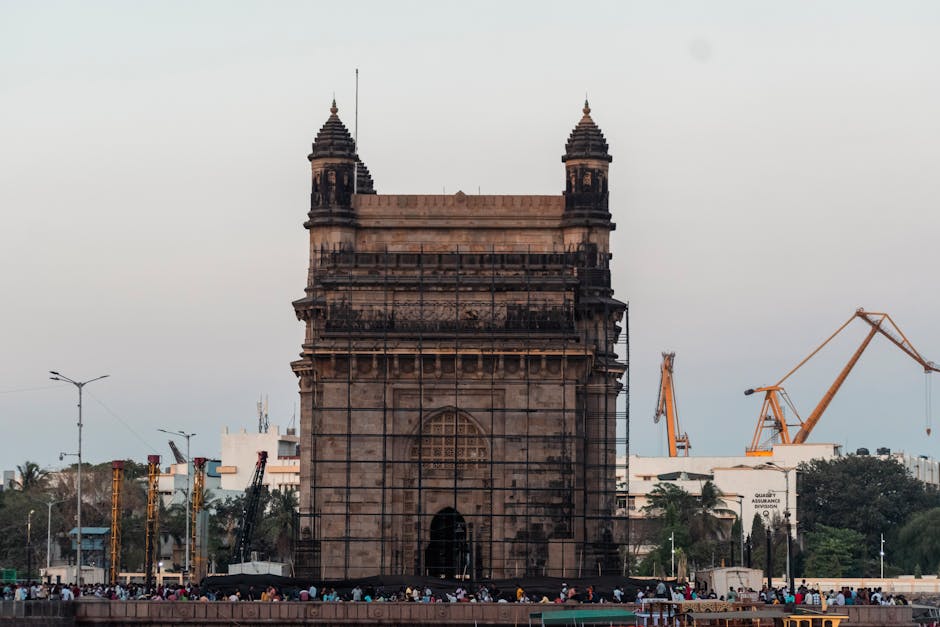
Explore the ancient fishing village of Worli Koliwada, historic forts, and stunning sea views on this self-guided cultural walking route.
