Bologna is famously known as 'La Grassa' for its food, but this self-guided walk explores its other title: 'La Dotta,' or The Learned. As home to the oldest university in the Western world, the city’s University Quarter is a labyrinth of knowledge, where medieval manuscripts meet modern student activism. This walking route takes you through the heart of the district, revealing the evolution of education from the 11th century to the present day. Start your journey at the Archiginnasio, a masterpiece of 16th-century architecture that once served as the university's primary seat. Here, you can admire thousands of coats of arms left by students past and explore the famous Anatomical Theatre. As you move deeper into the district, the atmosphere shifts. The narrow streets and endless porticoes of Via Zamboni lead you through a vibrant landscape of faculty buildings, libraries, and bustling cafes. You'll encounter Piazza Giuseppe Verdi, the spiritual center of Bologna’s student life, and the grand Municipal Theater, built upon the ruins of a noble palace. The route then introduces the scientific era at Palazzo Poggi, where the university's collections transitioned from law and arts to physics and natural history. Finally, escape the urban bustle in the serene Botanical Garden, one of the oldest in Italy. This neighborhood stroll offers a unique perspective on how the pursuit of knowledge shaped the very stones of Bologna. Whether you are a history buff or an architecture enthusiast, this audio walk provides the context needed to appreciate the intellectual legacy of this iconic Italian city. Discover the stories of the scholars and scribes who transformed Bologna into a global center of learning, all at your own pace.
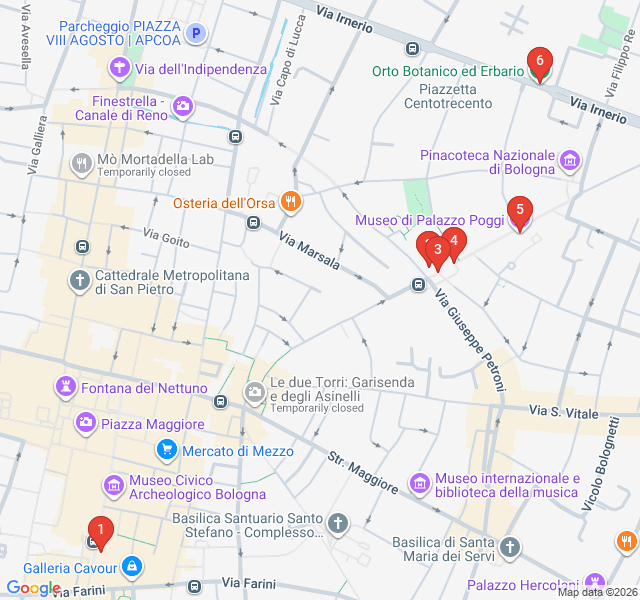
Numbers indicate the order of stops on the tour
Welcome to the Archiginnasio, one of Bologna’s most significant buildings. Constructed in the mid-16th century, this was the first unified seat of the University of Bologna, which had previously been scattered throughout the city. As you walk through the courtyard and up the stairs, look at the walls—they are covered in over 6,000 coats of arms. These heraldic shields represent the families of students who studied here centuries ago. The highlight is the Anatomical Theatre, a room carved from spruce wood where early medical students watched human dissections. It is a testament to the city’s long-standing commitment to scientific inquiry and the arts, surviving even the heavy bombings of World War II.
The Teatro Comunale di Bologna stands as a monument to the city's deep-rooted love for music and performance. Opened in 1763, it was built on the site of the former Bentivoglio Palace, which was destroyed by a mob centuries earlier. The theater is famous for its perfect acoustics and its history of hosting world-class opera. It was notably the first theater in Italy to stage the works of Richard Wagner. While the exterior shows the transition from Baroque to Neoclassical styles, the interior remains a temple of high culture, reflecting the sophisticated tastes of the scholars and nobles who frequented the University Quarter.
Step into the heartbeat of student life in Bologna. Piazza Giuseppe Verdi is where the ancient history of the university meets the modern energy of its students. Surrounded by faculty buildings and the remains of the city's medieval walls, this square is almost always filled with students debating, playing music, or enjoying a coffee between lectures. It is a place of protest and celebration, embodying the rebellious and intellectual spirit that has defined Bologna for a millennium. Take a moment to observe the contrast between the historic architecture and the vibrant, often graffiti-covered walls that speak to contemporary social movements.
Via Zamboni is the central artery of the University District. This long, porticoed street stretches from the Two Towers to the city walls, housing various university departments, libraries, and student hangouts. As you walk, notice the 'porticoes'—the covered walkways that are a UNESCO World Heritage site. They were originally built to provide extra housing for the thousands of students who flocked to the city in the Middle Ages. Today, this street is the best place to feel the density of academic life, passing by law, letters, and philosophy departments that have occupied these buildings for generations.
Palazzo Poggi represents the university's transition into the age of Enlightenment. In the early 18th century, the university moved its scientific collections here, creating the Academy of Sciences. Inside, the rooms are decorated with beautiful frescoes, but the real treasures are the collections themselves. You’ll find early anatomical wax models, maps from the age of exploration, and naval fortifications. This site marks the moment when the university shifted its focus from the traditional study of law and theology toward the physical and natural sciences, cementing Bologna’s reputation as a leader in global research.
Concluding this self-guided adventure is the Orto Botanico, one of the oldest botanical gardens in Italy, established in 1568. Originally created for the cultivation of medicinal plants—known as 'simples'—it served as a living laboratory for the university’s medical and pharmacy students. Today, it offers a peaceful retreat from the stone and brick of the city center. Wander through the greenhouses and the arboretum, where you can see rare species and ancient trees. It is a fitting end to the journey, representing the university’s enduring curiosity about the natural world and its commitment to preserving knowledge for future generations.
Download Zigway to experience "Scholars and Scribes: The University Quarter" with AI-powered audio narration. Walk at your own pace while stories unfold around you.
 Moderate
Bologna, Italy
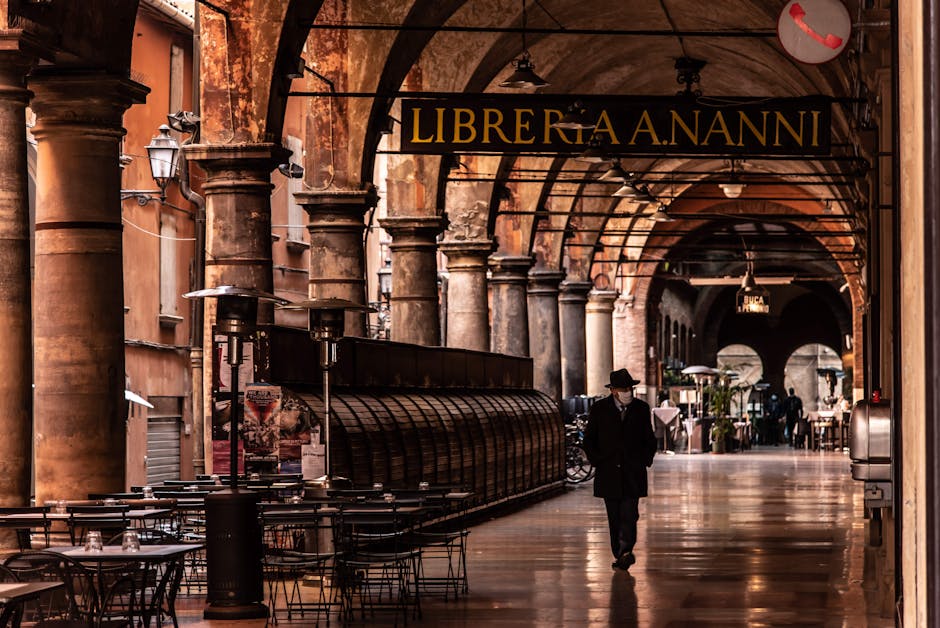
Explore Bologna's UNESCO-listed porticoes on this self-guided architectural stroll through historic streets and grand, frescoed arches.
 Easy
EasyBologna, Italy
Uncover Bologna's secret 'Little Venice' on this self-guided walk through hidden canals, ancient mills, and the city's industrial past.
 Easy
EasyBologna, Italy
Uncover the legends and hidden architectural wonders of medieval Bologna on this self-guided stroll through the historic city center.
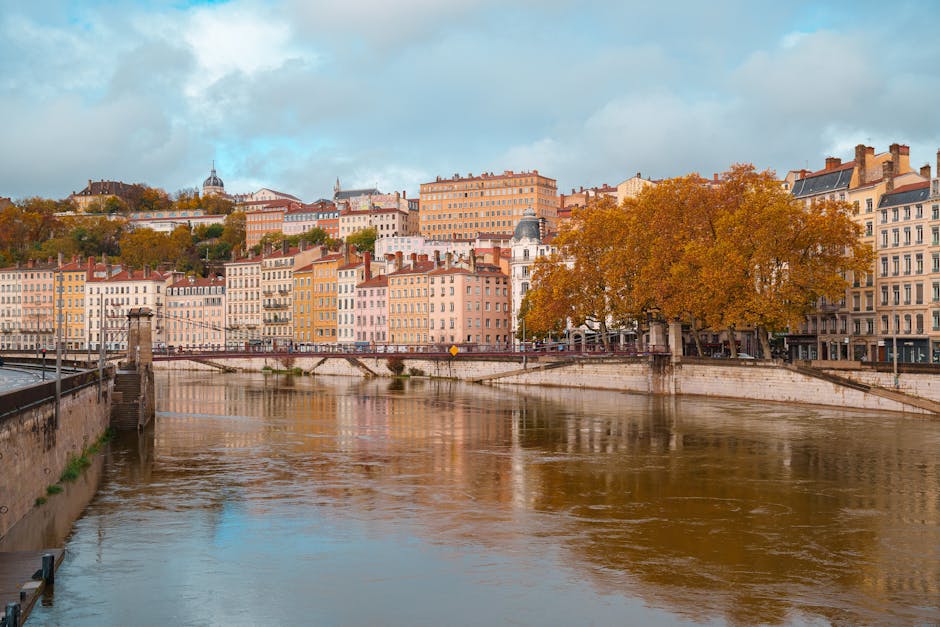 Easy
EasyBologna, Italy
Discover the rebellious soul of Bologna with a self-guided stroll through the bars, street art, and bohemian history of the iconic Pratello district.
 Easy
EasyKrakow, Poland
Explore the prestigious Jagiellonian University district, featuring Neo-Gothic architecture, Baroque churches, and Krakow's hidden scholarly gems.
 Easy
EasyGothenburg, Sweden
Explore Gothenburg's elegant academic district, featuring grand 19th-century stone architecture and the iconic cultural hub of Götaplatsen.
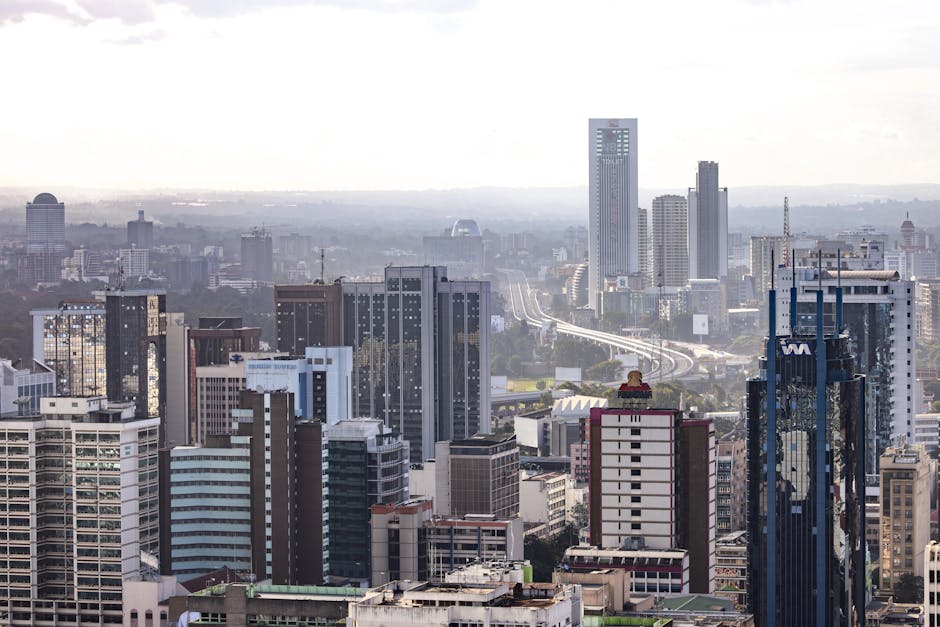 Easy
EasyNairobi, Kenya
Explore Nairobi's architectural evolution from colonial-era landmarks to iconic Brutalist skyscrapers on this historic self-guided walking route.
 Easy
EasyNairobi, Kenya
Discover Nairobi's iconic skyline on this self-guided architecture walk through the CBD’s most famous modernist and Brutalist landmarks.
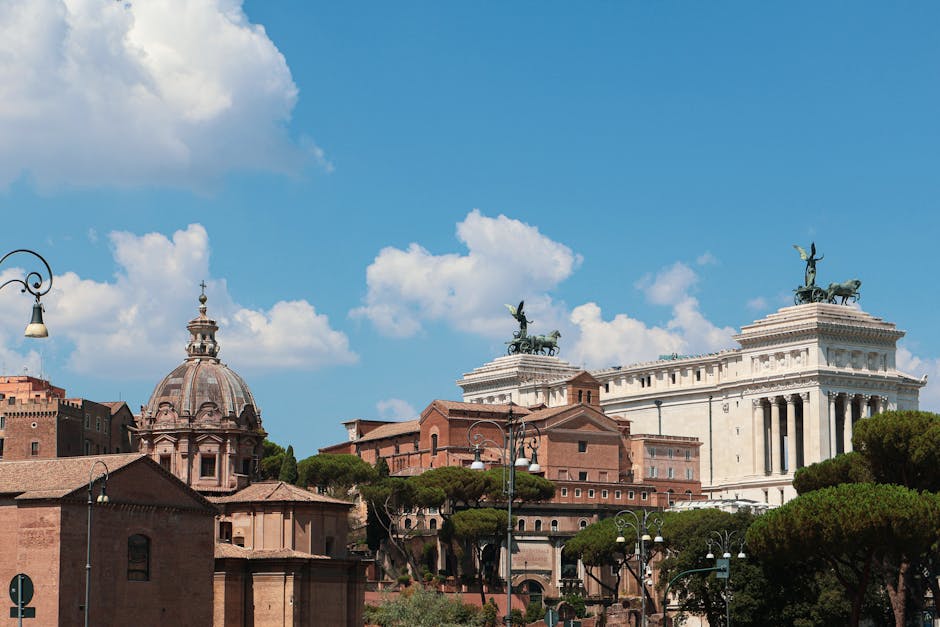 Easy
EasyRome, Italy
Explore Rome’s industrial heart on this self-guided walk featuring massive murals, the 'Iron Colosseum,' and unique industrial archaeology.
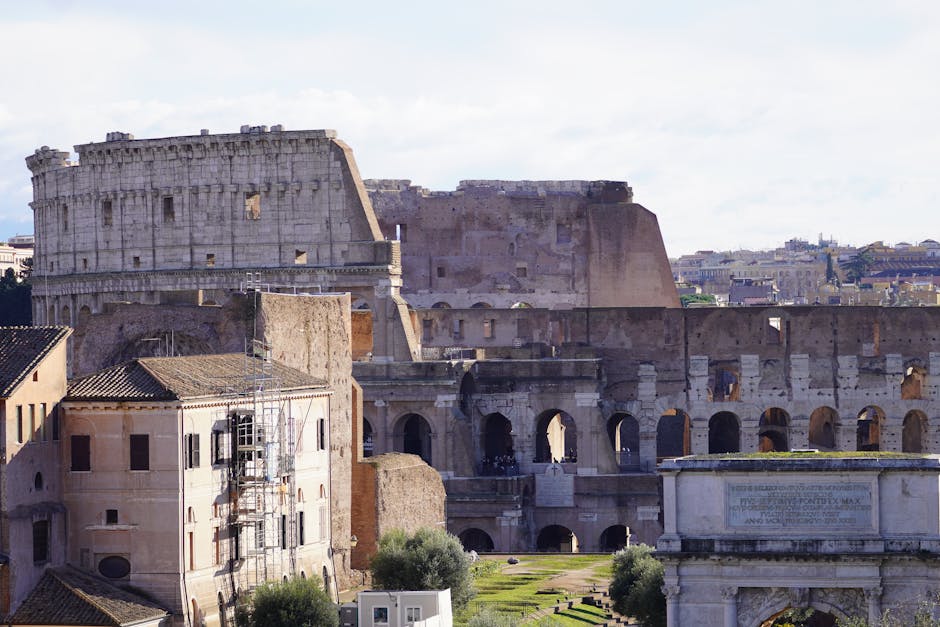 Easy
EasyRome, Italy
Explore Rome’s whimsical Fairytale District. A self-guided walk through Art Nouveau palaces, mythical fountains, and the magical Coppedè architecture.
 Moderate
Rome, Italy
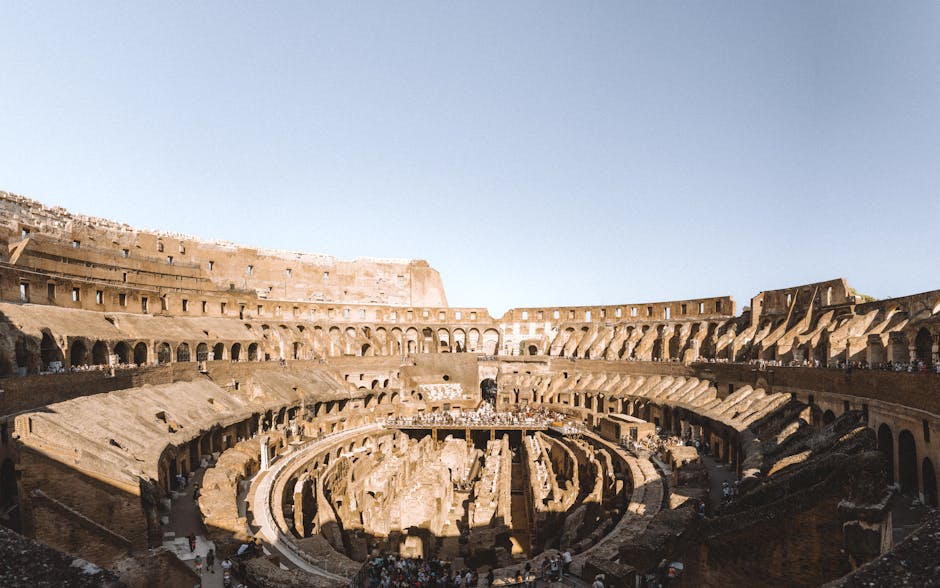
Uncover Rome's hidden history on this self-guided walk through ancient gladiator pits, subterranean temples, and buried Roman houses.
 Challenging
Rome, Italy
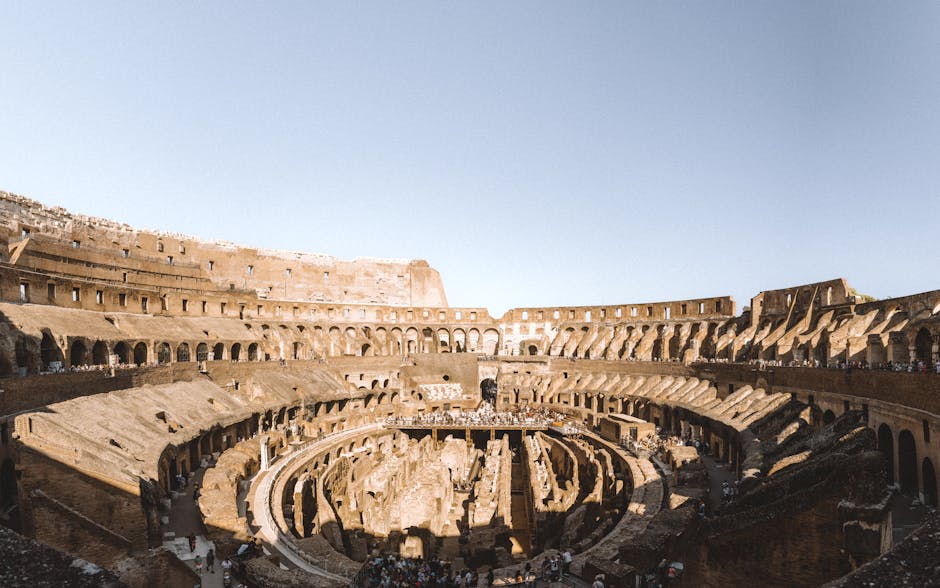
Walk the 'Queen of Roads.' Explore ancient catacombs, imperial villas, and historic basalt stones on this scenic self-guided Roman adventure.
