Bologna is a city defined by its porticoes, but none are as iconic as the one leading to the Sanctuary of San Luca. This self-guided walk follows the world’s longest porticoed path, a UNESCO World Heritage site that stretches nearly four kilometers from the city gates to the summit of Colle della Guardia. It is a journey of both architectural wonder and spiritual significance, historically traversed by pilgrims seeking the intercession of the Virgin Mary. As you explore independently, you will witness the transition from the bustling urban atmosphere of the Saragozza neighborhood to the tranquil, green hills overlooking the city. The route begins at the monumental Porta Saragozza, once the "Gate of Pilgrims," and leads through the magnificent Arco del Meloncello. From there, the real ascent begins. The portico features 666 arches, a number often interpreted as symbolic of the serpent being crushed by the Sanctuary at the top. This walking route offers more than just a physical challenge; it provides a deep dive into the soul of Bologna. You will reach the Santuario della Madonna di San Luca, a masterpiece of 18th-century Baroque architecture that houses a sacred Byzantine-style icon. For those seeking the best vistas, the San Luca Experience allows for a climb to the cupola, offering a 180-degree panoramic view of the Apennines and the red rooftops of the city. To conclude this neighborhood stroll, the path winds down into the lush Parco della Chiusa, where the industrial history of the Reno River meets the natural beauty of the Bolognese countryside. This self-guided adventure is perfect for those who want to combine a rigorous workout with a rich cultural and religious history, all while moving at their own pace.
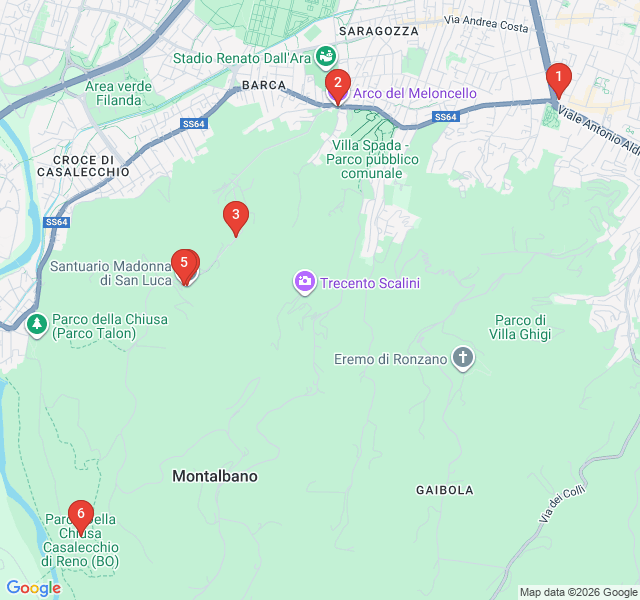
Numbers indicate the order of stops on the tour
Your self-guided walk begins at Porta Saragozza, one of the original 12 gates of Bologna’s medieval walls. Rebuilt in the 19th century in its current form, it earned the nickname 'Porta dei Pellegrini' or Gate of Pilgrims. For centuries, this was the starting point for those traveling from the city center to the Sanctuary on the hill. Look up at the circular towers and the crenelated walls; they hint at the defensive importance of the city before it became the 'Portico City.' From here, the first stretch of the portico is flat and urban, serving as a gentle introduction to the nearly four-kilometer journey ahead. This gateway symbolizes the boundary between the secular world of the city and the sacred path leading upward.
As you continue your walking route, you arrive at the Arco del Meloncello. This theatrical Rococo-style structure is more than just a bridge; it is a masterpiece of 18th-century engineering designed by Carlo Francesco Dotti. It was built to solve a practical problem: allowing the religious procession to cross the busy road without interrupting traffic or exposing the sacred icon to the elements. Notice how the portico suddenly lifts off the ground, curving gracefully over the street. This is the official turning point where the path leaves the flat city streets and begins its steep climb up the Colle della Guardia. Take a moment here to appreciate the architectural harmony that blends urban utility with artistic elegance.
Now the true ascent begins. This stretch of the Portico of San Luca is famous for its 666 arches. Many believe the number was chosen intentionally to represent the devil—the serpent—winding its way up the hill, only to be crushed by the church at the summit. As you climb, you will notice small devotional chapels and plaques along the walls, donated by wealthy families and guilds over the centuries. The architecture here is designed to keep you sheltered from Bologna's sun and rain, a testament to the city's commitment to accessibility for all pilgrims. The rhythmic repetition of the arches creates a meditative atmosphere, though the steep incline will certainly test your stamina as the views of the valley begin to open up.
You have reached the summit. The Sanctuary of the Madonna di San Luca is a beacon for Bolognese citizens, often the first landmark they see when returning home. The current building was completed in 1723 and sits 300 meters above sea level. Inside, the main attraction is the icon of the Virgin with Child, which tradition claims was painted by Luke the Evangelist and brought here from Constantinople in the 12th century. The interior is a riot of Baroque decoration, with grand altars and dramatic lighting. Whether you are here for religious reasons or architectural interest, the sense of peace at the top of the hill is palpable, offering a stark contrast to the busy city below.
For the highest perspective in Bologna, explore the San Luca Experience. This allows you access to the sanctuary's cupola, one of the highest panoramic points in the region. To reach it, you will climb narrow stairs that lead to an external gallery. From here, the view is staggering: to one side, the red-tiled roofs and medieval towers of Bologna; to the other, the rolling green foothills of the Apennines. You can also visit the crypt, which offers a quieter, more somber look at the foundations of this sacred site. It is the perfect place to capture photographs of the surrounding landscape and understand the strategic and spiritual height of the Colle della Guardia.
To finish your self-guided adventure, follow the path leading down the opposite side of the hill towards Casalecchio di Reno. You will enter the Parco della Chiusa, also known as Parco Talon. This vast green space was once the estate of the Marquis Talon. The park's highlight is the Chiusa di Casalecchio, a historic dam on the Reno River. Built in the 14th century, it is the oldest hydraulic structure in Europe still in continuous use, once powering the silk mills that made Bologna wealthy. The park offers a peaceful conclusion to your walk, with shaded paths and river views, providing a natural escape before you head back to the city center.
Download Zigway to experience "Ascent to San Luca: The Pilgrim's Path" with AI-powered audio narration. Walk at your own pace while stories unfold around you.
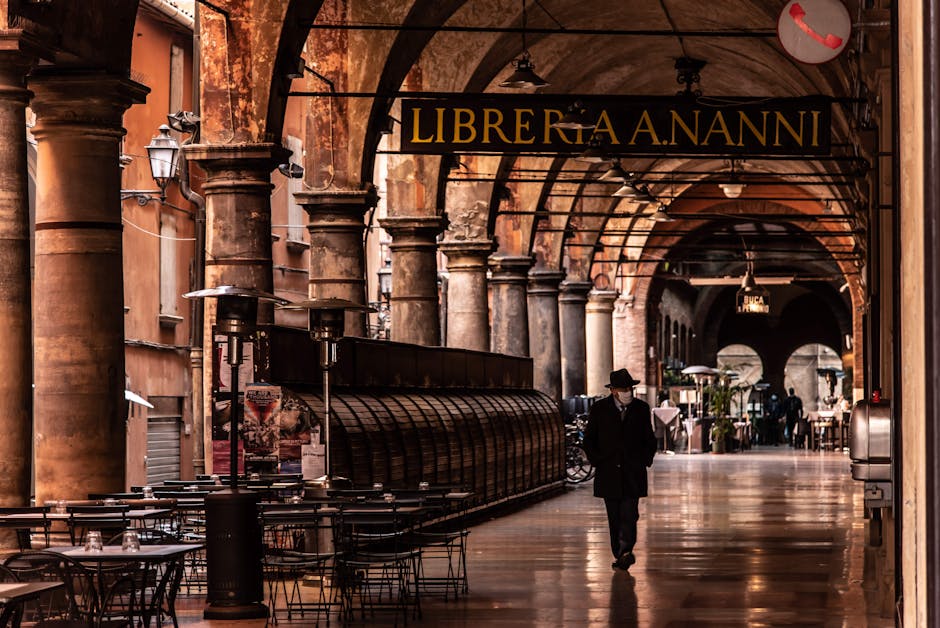 Moderate
Bologna, Italy
Explore Bologna's UNESCO-listed porticoes on this self-guided architectural stroll through historic streets and grand, frescoed arches.
 Easy
EasyBologna, Italy
Uncover Bologna's secret 'Little Venice' on this self-guided walk through hidden canals, ancient mills, and the city's industrial past.
 Easy
EasyBologna, Italy
Uncover the legends and hidden architectural wonders of medieval Bologna on this self-guided stroll through the historic city center.
 Easy
EasyBologna, Italy
Discover the rebellious soul of Bologna with a self-guided stroll through the bars, street art, and bohemian history of the iconic Pratello district.
 Easy
EasyNairobi, Kenya
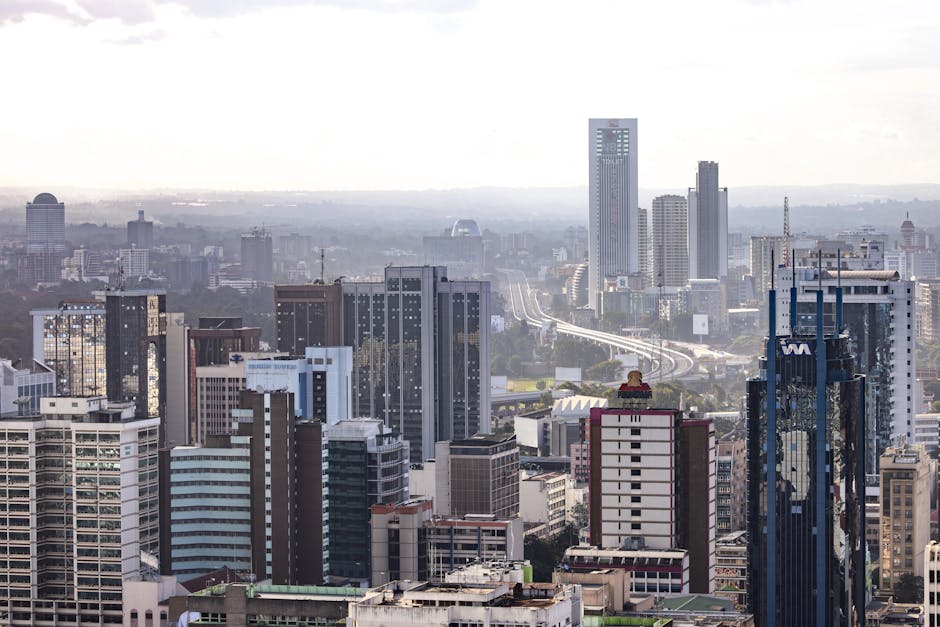
Discover Nairobi's iconic skyline on this self-guided architecture walk through the CBD’s most famous modernist and Brutalist landmarks.
 Easy
EasySalzburg, Austria
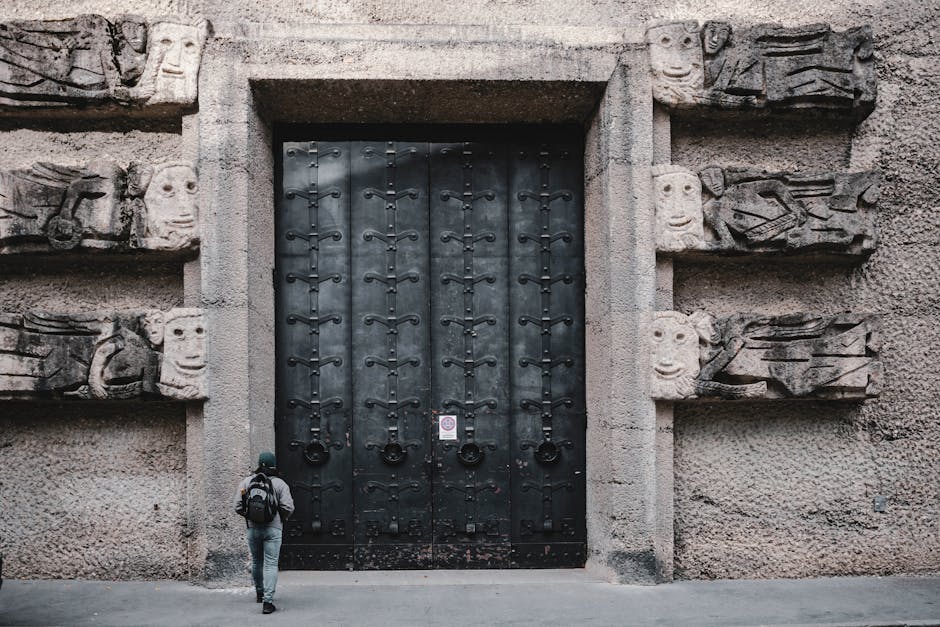
Discover the 'Rome of the North' on this self-guided walk through the Baroque squares and monumental legacy of Salzburg’s Prince-Archbishops.
 Moderate
Gothenburg, Sweden
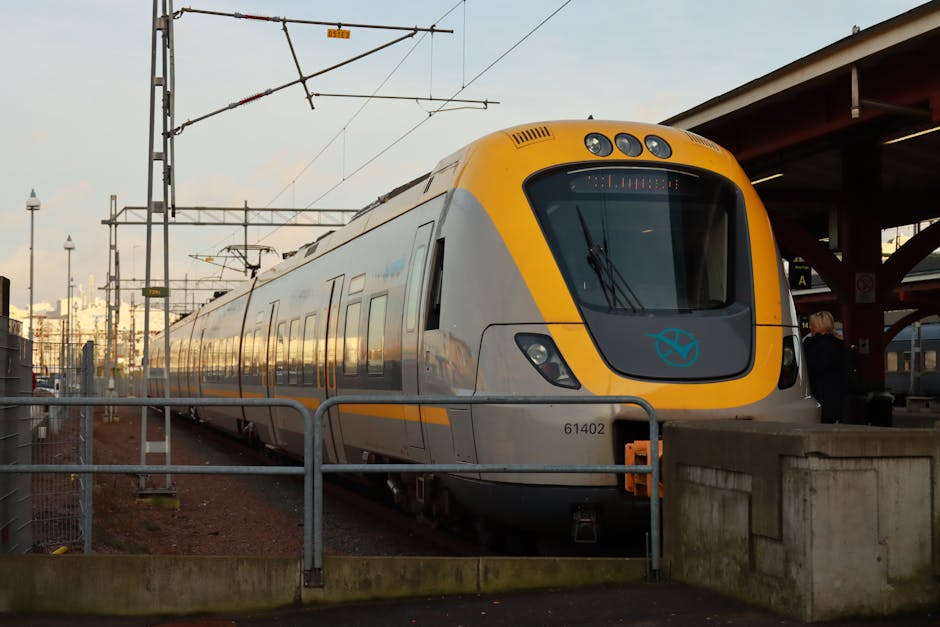
Discover Gothenburg’s maritime soul on this self-guided walk from the historic Central Station to the scenic riverfront at Stenpiren.
 Easy
EasyNairobi, Kenya
Explore Nairobi's architectural evolution from colonial-era landmarks to iconic Brutalist skyscrapers on this historic self-guided walking route.
 Easy
EasyRome, Italy
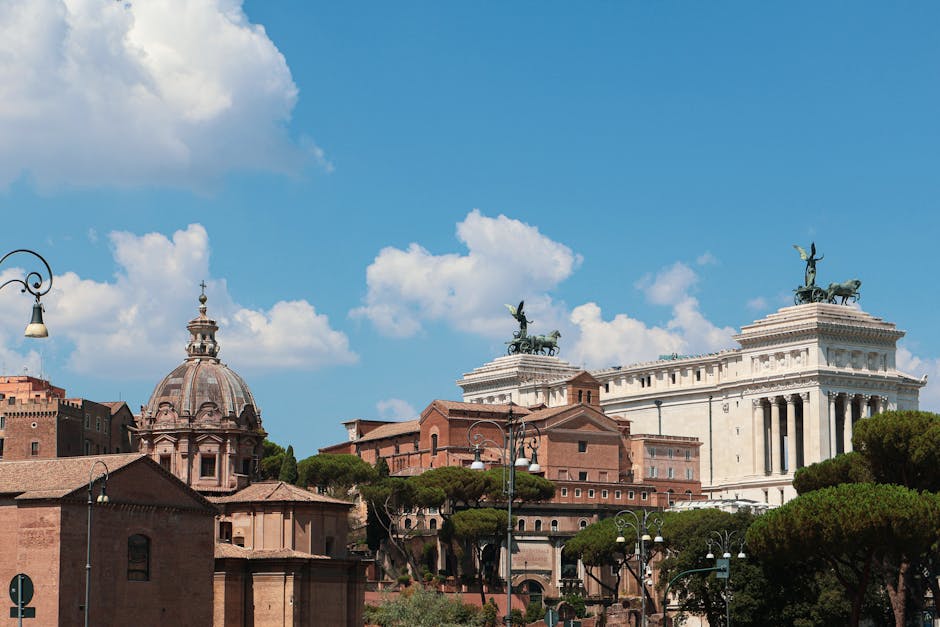
Explore Rome’s industrial heart on this self-guided walk featuring massive murals, the 'Iron Colosseum,' and unique industrial archaeology.
 Easy
EasyRome, Italy
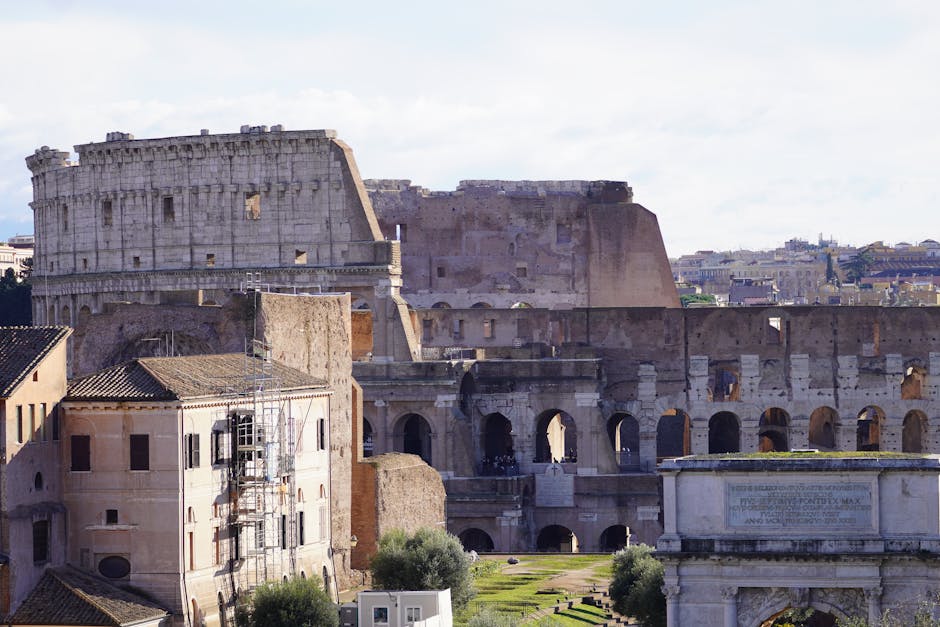
Explore Rome’s whimsical Fairytale District. A self-guided walk through Art Nouveau palaces, mythical fountains, and the magical Coppedè architecture.
 Moderate
Rome, Italy
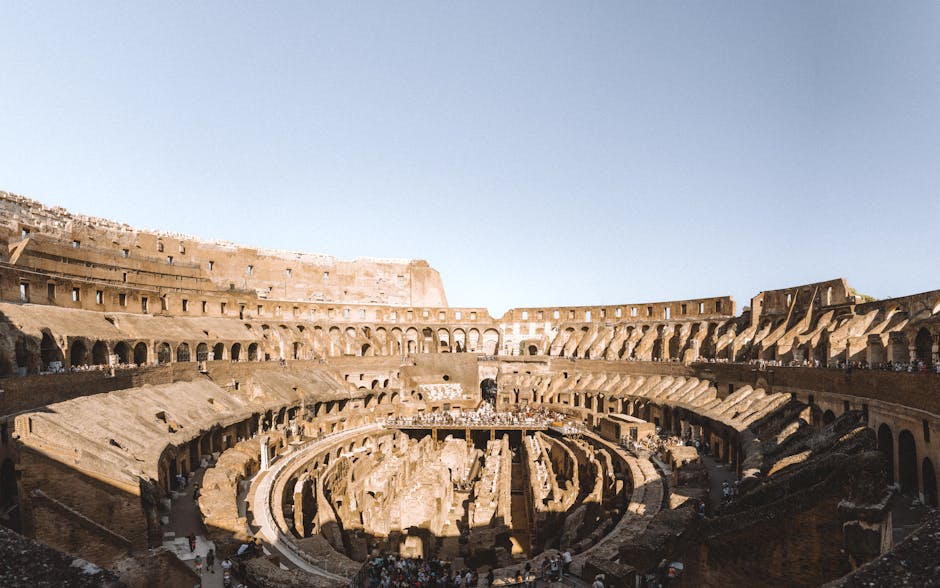
Uncover Rome's hidden history on this self-guided walk through ancient gladiator pits, subterranean temples, and buried Roman houses.
 Challenging
Rome, Italy
Walk the 'Queen of Roads.' Explore ancient catacombs, imperial villas, and historic basalt stones on this scenic self-guided Roman adventure.
