Venice has long been a sanctuary for the world’s most restless creative minds. This self-guided walk explores the floating city through the eyes of the literary giants who found inspiration among its canals and palazzos. From the scandalous adventures of Lord Byron to the martini-soaked afternoons of Ernest Hemingway, this walking route through the San Marco and Dorsoduro districts reveals the hidden narratives behind the city's most iconic facades. This is not just a exploration of architecture, but a journey into the journals, novels, and letters that defined Venice in the global imagination. As you wander, you will discover how the shimmering light of the lagoon influenced the Romantic poets and how the quiet corners of historic cafes hosted some of the 20th century's most important literary salons. This walking tour Venice experience allows you to step back in time, seeing the city as a living library where every bridge and alleyway has a story to tell. You will visit the opulent halls where Byron kept a menagerie of animals and the legendary bars where Hemingway held court after the war. This independent neighborhood stroll provides the historical context needed to appreciate Venice beyond the postcard views. Whether you are a fan of classic poetry or modern prose, this route offers a deep dive into the cultural soul of the city. For those seeking a unique perspective, a literary walking tour Venice adventure is the perfect way to uncover the intellectual history of this maritime republic at your own pace.
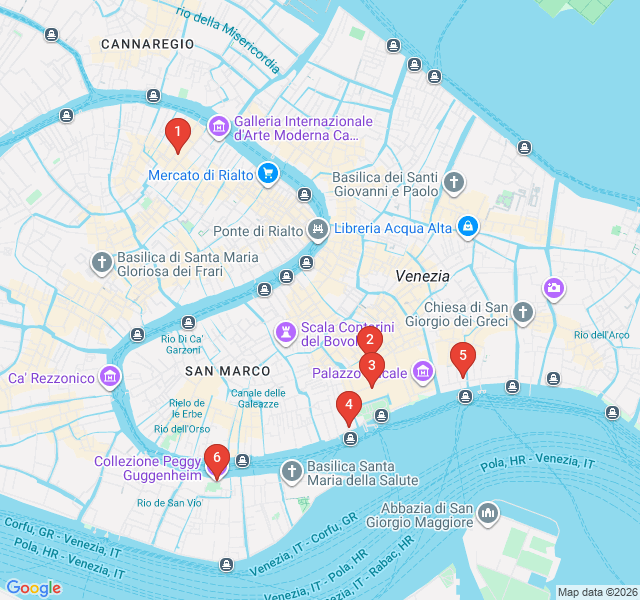
Numbers indicate the order of stops on the tour
Begin your self-guided adventure at the Palazzo Mocenigo, a complex of four buildings that served as the Venetian residence for the legendary Lord Byron between 1818 and 1819. Byron was perhaps the ultimate 'literary tourist,' and his time here was nothing short of scandalous. He reportedly lived with a menagerie that included dogs, cats, monkeys, a fox, and a wolf. It was within these walls that he began his masterpiece, 'Don Juan.' Byron was also famous for his athletic feats; he once famously swam from the Lido to the start of the Grand Canal, winning a race against local challengers. Today, the palace houses a museum of textiles and costumes, but for literary enthusiasts, it remains a monument to the Romantic era's most flamboyant figure.
Located on the northern side of St. Mark’s Square, Caffè Quadri has been a fixture of Venetian social life since 1775. During the 19th-century Austrian occupation, it became the preferred haunt of Austrian officers, while the locals frequented the rival Florian across the square. Despite the political tension, it attracted intellectual heavyweights like Stendhal and Alexandre Dumas. Later, Marcel Proust and Richard Wagner would find inspiration in its lavish, stuccoed interiors. As you stand in the square, imagine the intense debates and observations recorded here, which eventually found their way into the journals and novels of Europe's greatest writers. It remains one of the few places where the 18th-century atmosphere is preserved in every detail.
Just across the Piazza, Caffè Florian is the oldest café in the world, operating continuously since 1720. This was the only café that allowed women to enter, which naturally made it a favorite of the legendary libertine and author Giacomo Casanova. In later years, it became a second home to Charles Dickens, Johann Wolfgang von Goethe, and Jean-Jacques Rousseau. Lord Byron was a regular here as well, often seen watching the crowds from the outdoor tables. The café served as a literal and figurative stage for the Enlightenment and the Romantic movement. Its themed rooms, such as the 'Senate Room' and the 'Room of Illustrious Men,' were designed to spark the very conversations that shaped Western literature.
A short walk toward the waterfront brings you to Harry's Bar, a spot immortalized by Ernest Hemingway. Opened in 1931 by Giuseppe Cipriani, it became the writer's favorite 'office' in Venice. Hemingway had a dedicated table in the corner where he would spend hours drinking Dry Martinis and Montgomerys. The bar features prominently in his novel 'Across the River and Into the Trees,' where the protagonist frequents a thinly veiled version of this establishment. Hemingway appreciated the bar's lack of pretension and its impeccable service. It was also here that the Bellini cocktail was invented, named after the Venetian painter Giovanni Bellini, whose pink hues inspired the drink’s unique color.
The Hotel Danieli, housed in the 14th-century Palazzo Dandolo, is a masterpiece of Venetian Gothic architecture and a cornerstone of literary romance. In 1833, the French writers George Sand and Alfred de Musset stayed here during their famously tempestuous love affair. Their tragic and highly publicized breakup in these very rooms became the subject of Sand's novel 'Elle et Lui.' Other literary guests included Charles Dickens, who was captivated by the palace's grand staircase, and Honoré de Balzac. The Danieli represents the intersection of Venetian nobility and the traveling literati of the 19th century, serving as a backdrop for countless stories of passion and heartbreak that defined the era's romantic prose.
Crossing the Accademia Bridge brings you to the Palazzo Venier dei Leoni, home to the Peggy Guggenheim Collection. While primarily known for modern art, the palazzo has deep literary ties. Peggy Guggenheim herself was a patron of writers, and her memoirs provide a vivid account of the 20th-century intellectual scene in Venice. The unfinished palazzo was once described by Henry James, and it served as a hub for the avant-garde. Truman Capote was a frequent visitor to the neighborhood, often seen writing at nearby cafes. The garden, where Peggy is buried alongside her beloved dogs, offers a peaceful conclusion to the route, reflecting the modern era of Venice as a place of creative refuge and artistic legacy.
Download Zigway to experience "Literary Venice: In the Footsteps of Byron and Hemingway" with AI-powered audio narration. Walk at your own pace while stories unfold around you.
 Easy
EasyVenice, Italy
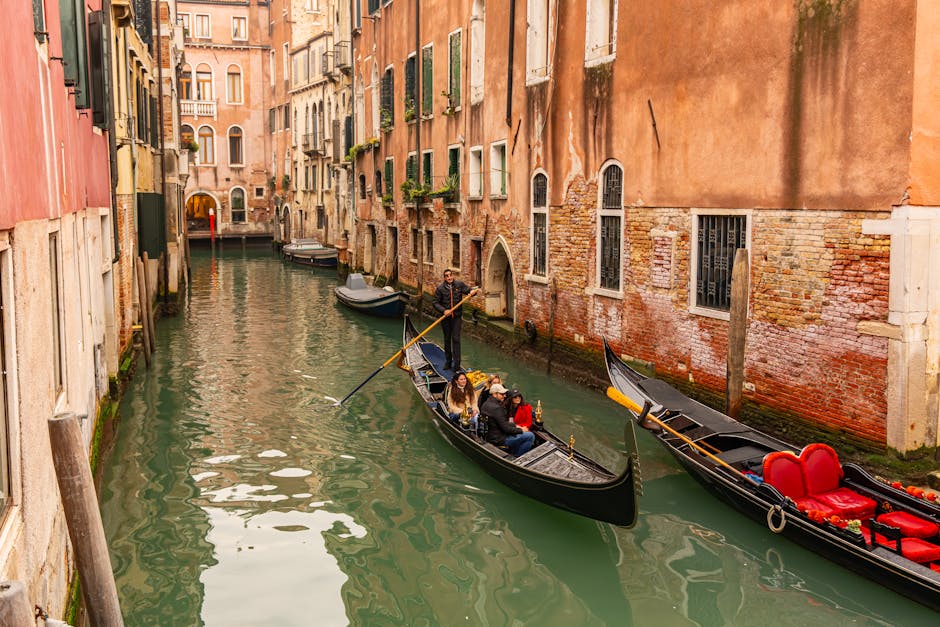
Explore the world’s first Ghetto in Cannaregio. Discover hidden synagogues, high-rise history, and the resilient spirit of Venice’s Jewish community.
 Easy
EasyVenice, Italy
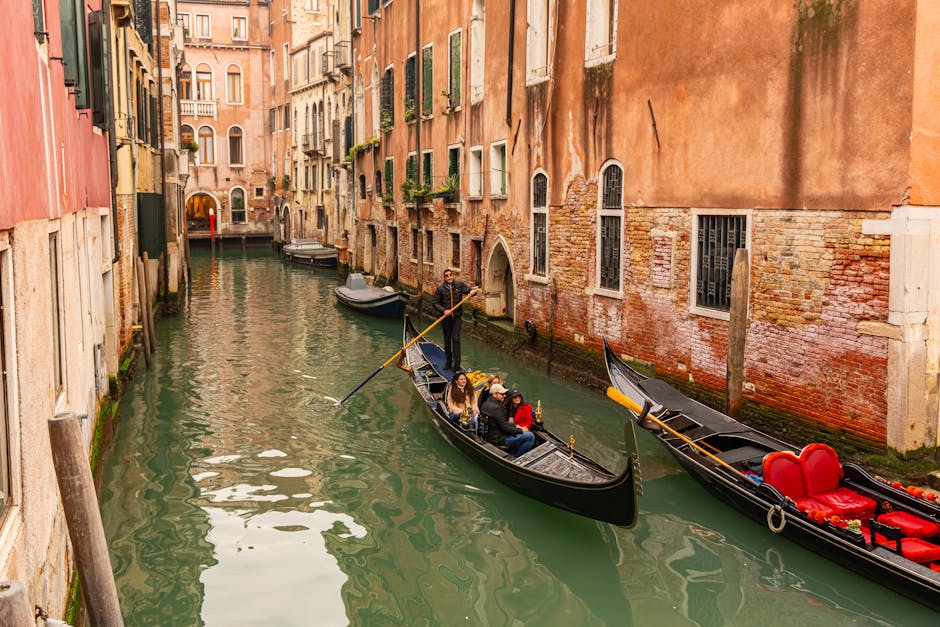
Discover the golden light of Venice's Dorsoduro district with this self-guided stroll along the scenic Zattere promenade.
 Easy
EasyVenice, Italy
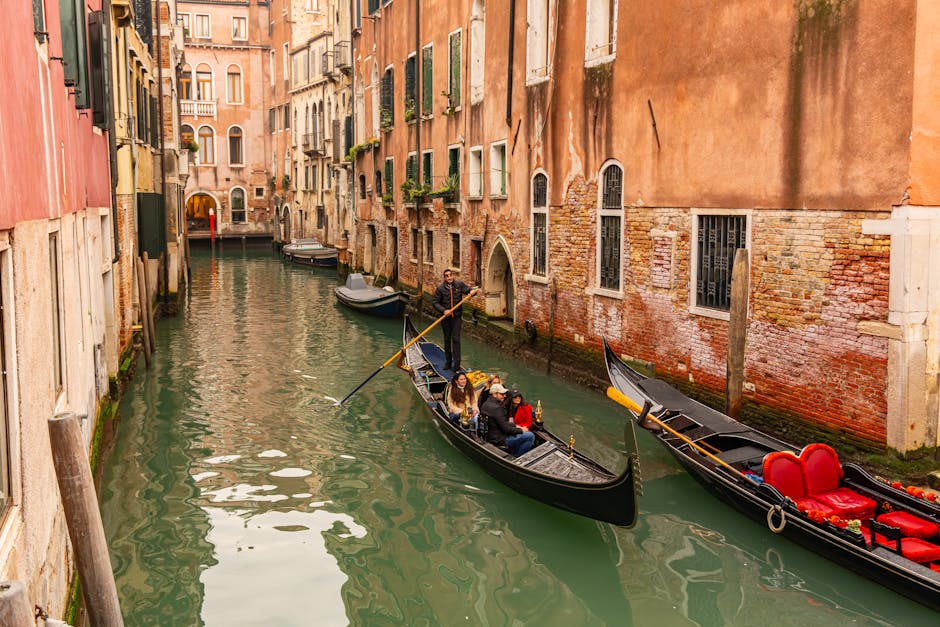
Discover the soul of Venice through its artisans. Explore mask-making, gondola shipyards, and modern art on this self-guided Dorsoduro stroll.
 Easy
EasyVenice, Italy
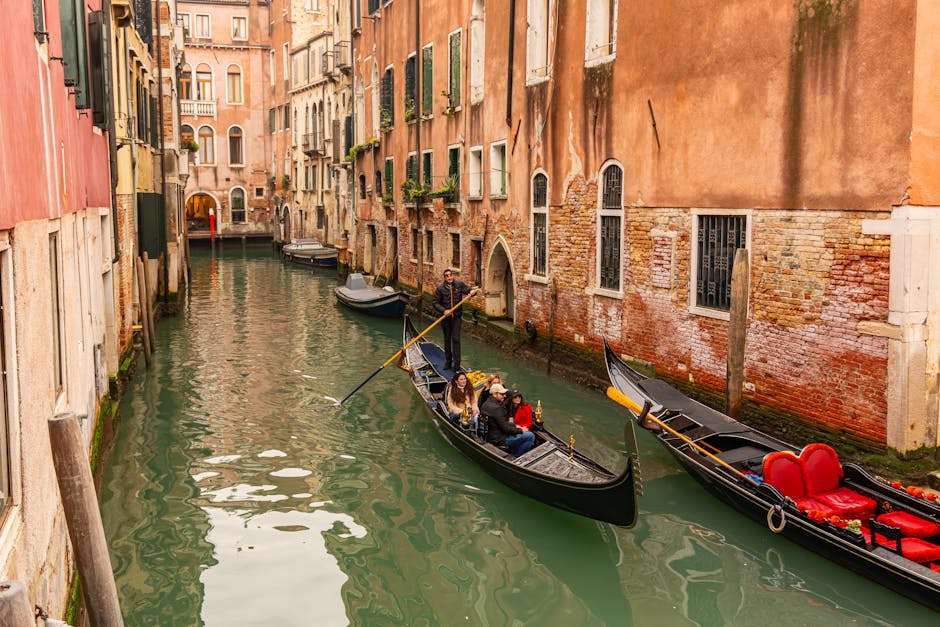
Follow the life of Antonio Vivaldi through Venice’s Castello district on this self-guided audio walk through the city’s musical history.
 Easy
EasyWarsaw, Poland
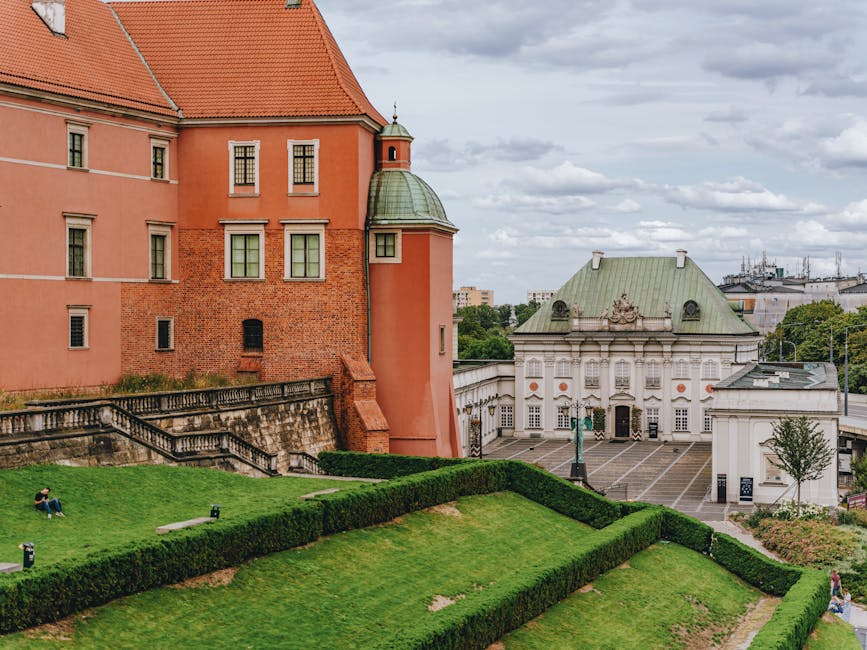
Follow the life of Fryderyk Chopin through Warsaw’s historic center. See where he lived, studied, and where his heart remains today.
 Moderate
Vienna, Austria
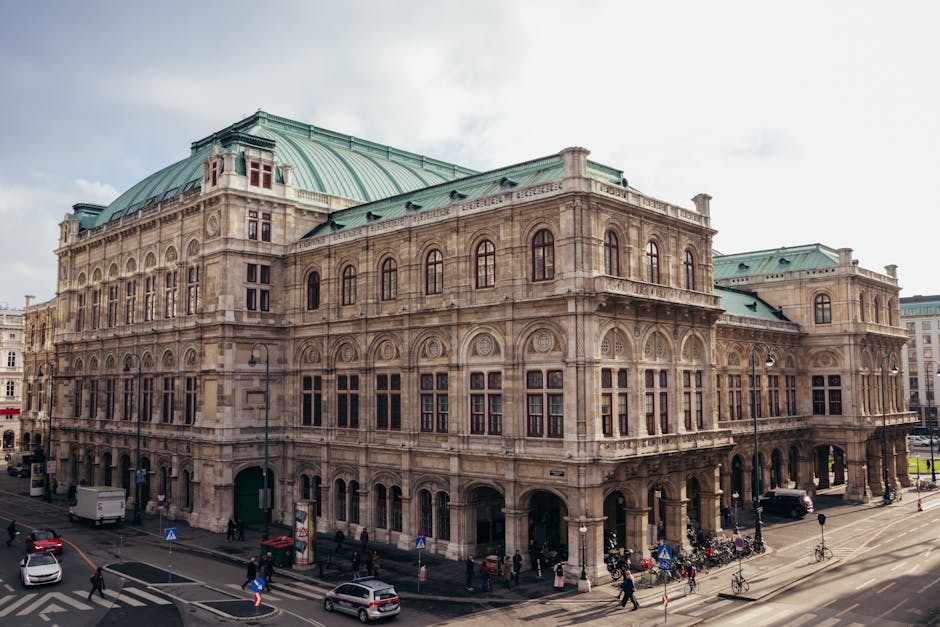
Follow the footsteps of Mozart and Strauss through Vienna’s historic center on this self-guided walk through the city's rich musical history.
 Easy
EasyKrakow, Poland
Explore the prestigious Jagiellonian University district, featuring Neo-Gothic architecture, Baroque churches, and Krakow's hidden scholarly gems.
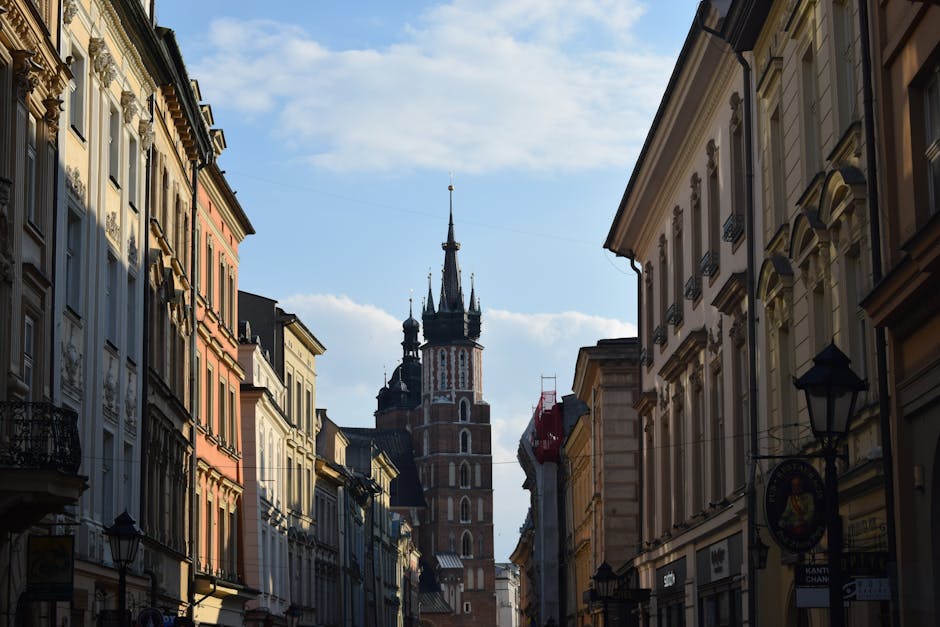 Easy
EasyKrakow, Poland
Uncover Krakow's legendary past on this self-guided walk from literary monuments to the fire-breathing Wawel Dragon.
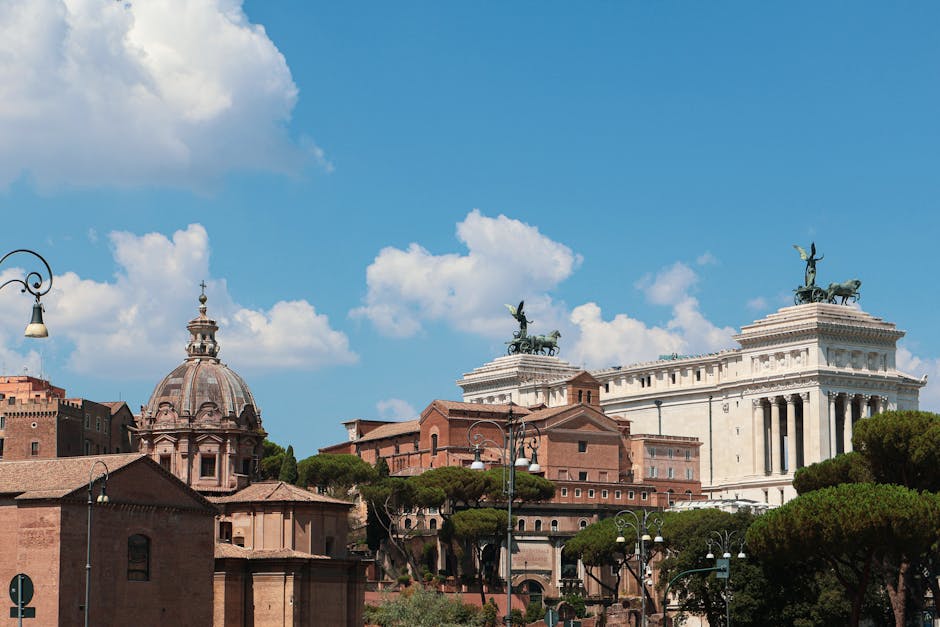 Easy
EasyRome, Italy
Explore Rome’s industrial heart on this self-guided walk featuring massive murals, the 'Iron Colosseum,' and unique industrial archaeology.
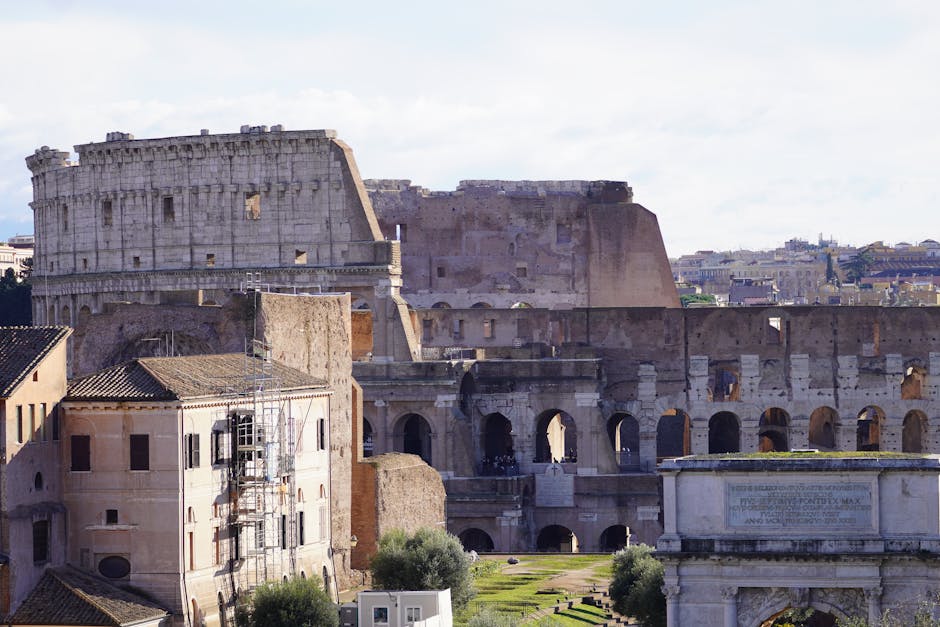 Easy
EasyRome, Italy
Explore Rome’s whimsical Fairytale District. A self-guided walk through Art Nouveau palaces, mythical fountains, and the magical Coppedè architecture.
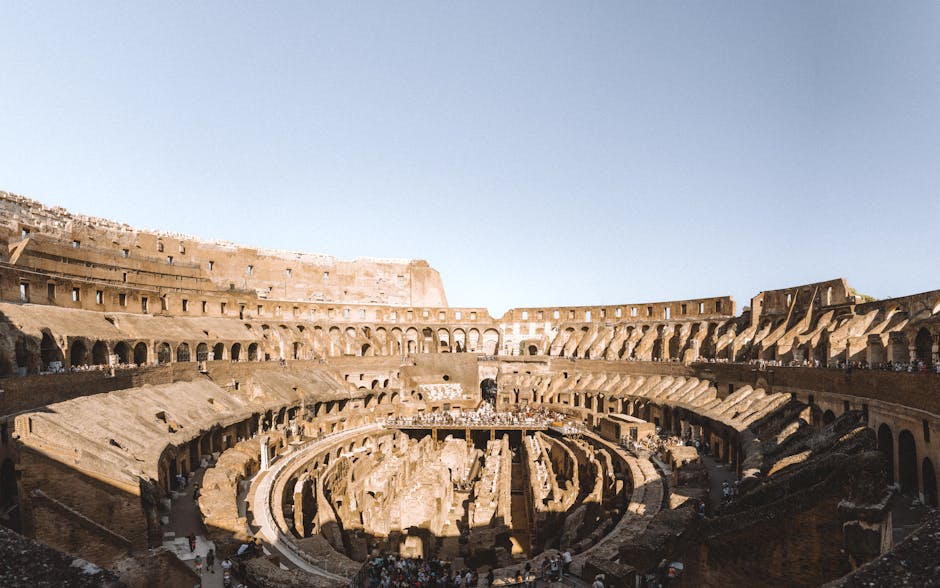 Moderate
Rome, Italy
Uncover Rome's hidden history on this self-guided walk through ancient gladiator pits, subterranean temples, and buried Roman houses.
 Challenging
Rome, Italy
Walk the 'Queen of Roads.' Explore ancient catacombs, imperial villas, and historic basalt stones on this scenic self-guided Roman adventure.
