Verona is a city carved from stone, where the pink-tinged marble of the Valpolicella hills meets the architectural ambition of the Italian Renaissance. Beyond the famed balconies of star-crossed lovers lies a city of monumental facades and grand courtyards that tell the story of a powerful urban transformation. This self-guided walk invites you to explore the architectural evolution of the Città Antica, tracing the transition from medieval fortifications to the refined elegance of the 16th century. By following this walking route, you will discover how the city's nobility used stone and shadow to project power and prestige. The journey begins at the monumental gateway to the city center, moving through the historic Corso Porta Borsari, often described as an open-air museum of architecture. You will encounter the works of master architects like Michele Sanmicheli, whose genius defined the Veronese landscape. His influence is visible in the rhythmic columns and classical proportions of the palazzi that line our path. As you explore independently, you will see how ancient Roman ruins were seamlessly integrated into Renaissance homes, creating a unique layers-of-time effect. This exploration is not just about buildings; it is about the visionaries who reimagined Verona as a modern, classical city. From the rhythmic arches of the Loggia del Consiglio to the Baroque flourishes of Palazzo Maffei, the route showcases a diversity of styles that make a walking tour Verona experience truly unforgettable. Whether you are a fan of classical symmetry or intricate stone carving, this neighborhood stroll offers a deep dive into the artistic soul of the city. Enjoy the freedom to pause for a coffee in a hidden courtyard or linger under a marble portal, experiencing the Renaissance at your own pace without the constraints of a rigid schedule.
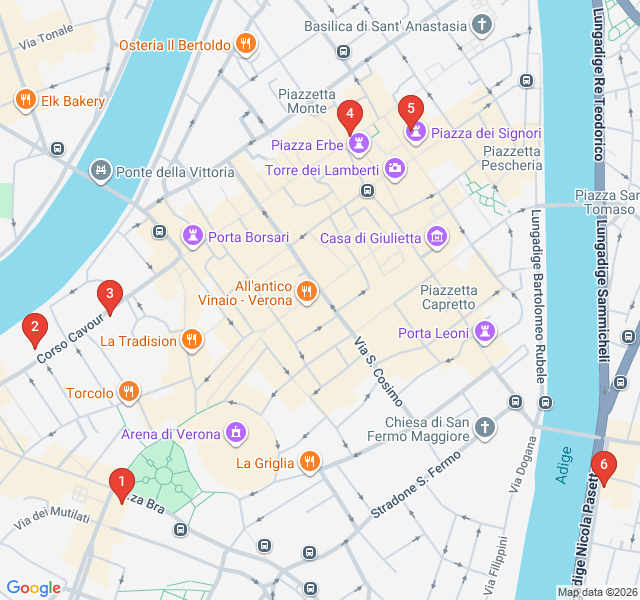
Numbers indicate the order of stops on the tour
Begin your self-guided adventure at the edge of Piazza Bra, standing before the massive Palazzo della Gran Guardia. This imposing structure was designed in the early 17th century to provide a sheltered space for troops to drill during inclement weather. Notice the long portico with its heavy Doric columns, a hallmark of the late Renaissance style. The building took nearly 200 years to complete, finally finishing in 1843. Its monumental scale was intended to mirror the grandeur of the Roman Arena nearby, bridging the gap between Verona's ancient past and its early modern ambitions. Today, it serves as a center for exhibitions and conferences, but its facade remains a testament to the city's military and civic history.
As you move toward the historic heart of the city, you encounter Palazzo Muselli. This residence is a prime example of how the Veronese nobility embraced the Renaissance aesthetic to modernize their medieval holdings. The facade displays a refined restraint, typical of the 16th-century style that sought to bring order and symmetry to the narrow streets of the old town. Look closely at the window frames and the central portal; these elements were designed not just for function, but to signal the wealth and cultural sophistication of the Muselli family. This stop highlights the transition from the fortress-like homes of the Middle Ages to the open, light-filled dwellings of the Renaissance era.
Standing before Palazzo Bevilacqua, you are looking at a masterpiece by Michele Sanmicheli, Verona's most famous Renaissance architect. Built in the 1530s, this facade is a riot of classical detail. Notice how the ground floor uses heavy, rustic stone to create a sense of strength, while the upper floor explodes with Corinthian columns, intricate friezes, and sculpted busts. Sanmicheli was deeply inspired by the Roman ruins found throughout Verona, and here he reimagined those ancient forms for a modern palace. The rhythmic variation of the windows and the richness of the carvings make this one of the most significant examples of Mannerist architecture in Northern Italy. It was designed to impress, and centuries later, it still does.
Arriving at the northern end of Piazza delle Erbe, the Palazzo Maffei captures the eye with its dramatic Baroque roofline. While the foundations date back much further, the building we see today was largely transformed in the 17th century. It sits on the site of the ancient Roman Capitolium, and you can still see Roman elements integrated into its base. The top of the building is adorned with six statues of Greek gods: Hercules, Jupiter, Venus, Mercury, Apollo, and Minerva. Recently restored and opened as a house-museum, it represents the peak of theatrical residential architecture in Verona. The spiral staircase inside is a legendary feat of engineering, though even from the square, the building’s presence is commanding.
Located in the elegant Piazza dei Signori, the Loggia del Consiglio is often cited as one of the most beautiful Renaissance buildings in Italy. Completed in the late 15th century, it served as the meeting place for the City Council during the period of Venetian rule. The design is attributed to Fra Giocondo and features a delicate arcade of slender columns and vibrant frescoes. The use of color and the light, airy feel of the loggia reflect the influence of Venetian style, which favored decorative surfaces and grace over the heavy monumentality found in Rome. Above the arches, statues of famous ancient Romans born in Verona, such as Catullus and Pliny, look down upon the square, celebrating the city's long intellectual heritage.
Our walking route concludes at Palazzo Pompei, another brilliant work by Michele Sanmicheli. This building perfectly encapsulates the 'Sanmicheli style' with its rigorous classical proportions. The facade is divided into two clear horizontal bands: a powerful, rusticated lower level and a sophisticated upper level featuring large arched windows separated by fluted columns. Originally built for the wealthy Pompei family, it now houses the Civic Museum of Natural History. Its position near the Adige River made it a prominent landmark for those entering the city center. The clarity and balance of its design provide a perfect final example of how the Renaissance brought a sense of eternal order to the streets of Verona.
Download Zigway to experience "Renaissance Splendor: Palazzi and Portals" with AI-powered audio narration. Walk at your own pace while stories unfold around you.
 Moderate
Verona, Italy
Explore Verona’s most magnificent cathedrals and basilicas on this self-guided walk through the city's artistic and spiritual heart.
 Easy
EasyVerona, Italy
Explore the romantic streets of Verona on this self-guided walk through the history and legends that inspired Shakespeare’s Romeo and Juliet.
 Easy
EasyVerona, Italy
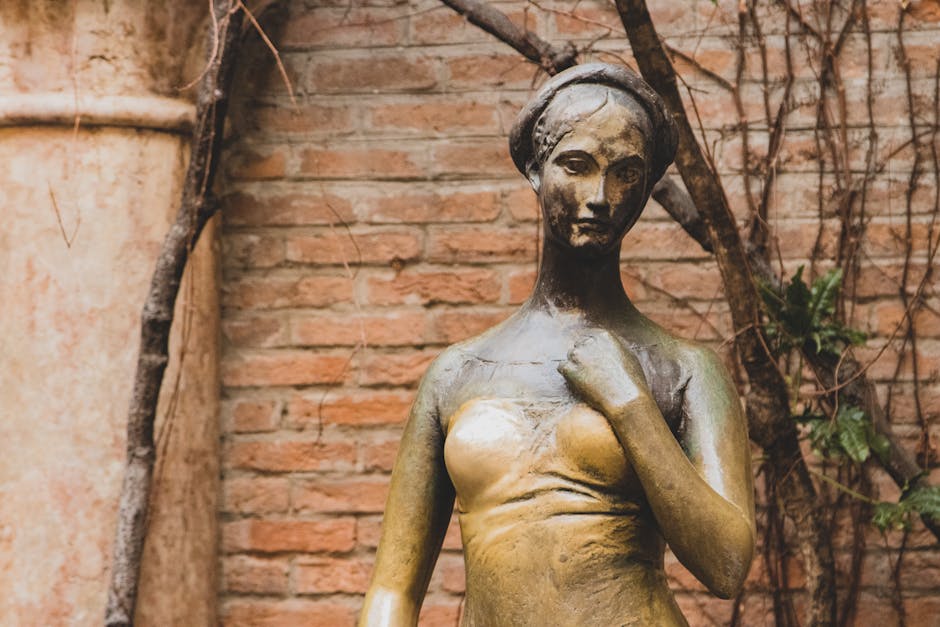
Discover the flavors of Verona on this self-guided walk through historic wine cellars, vibrant markets, and the city's most iconic culinary landmarks.
 Easy
EasyVerona, Italy
Savor Verona's vibrant aperitivo culture on this self-guided stroll through historic squares and charming wine bars. Discover the city's heartbeat.
 Easy
EasyNairobi, Kenya
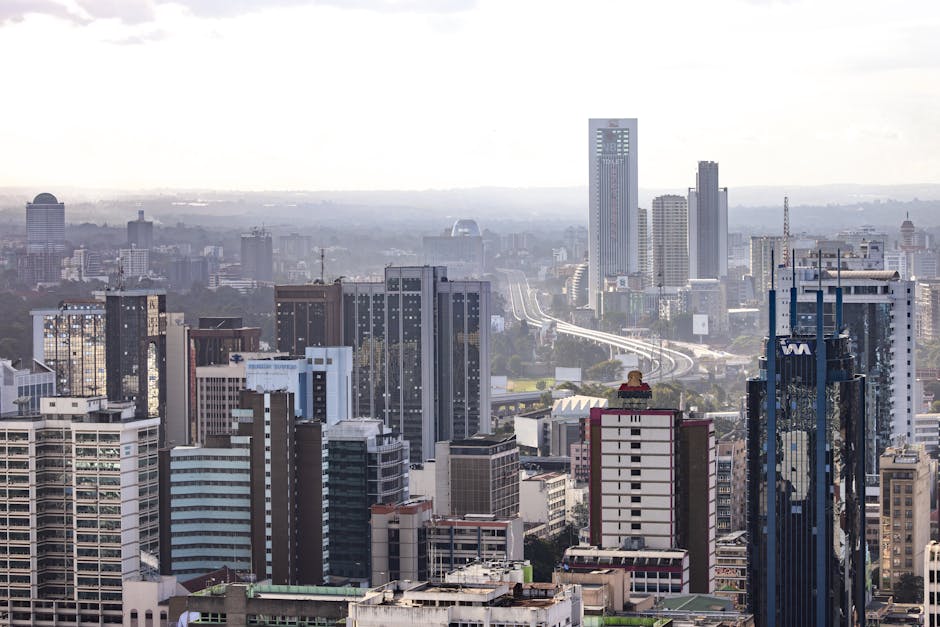
Discover Nairobi's iconic skyline on this self-guided architecture walk through the CBD’s most famous modernist and Brutalist landmarks.
 Easy
EasyWarsaw, Poland
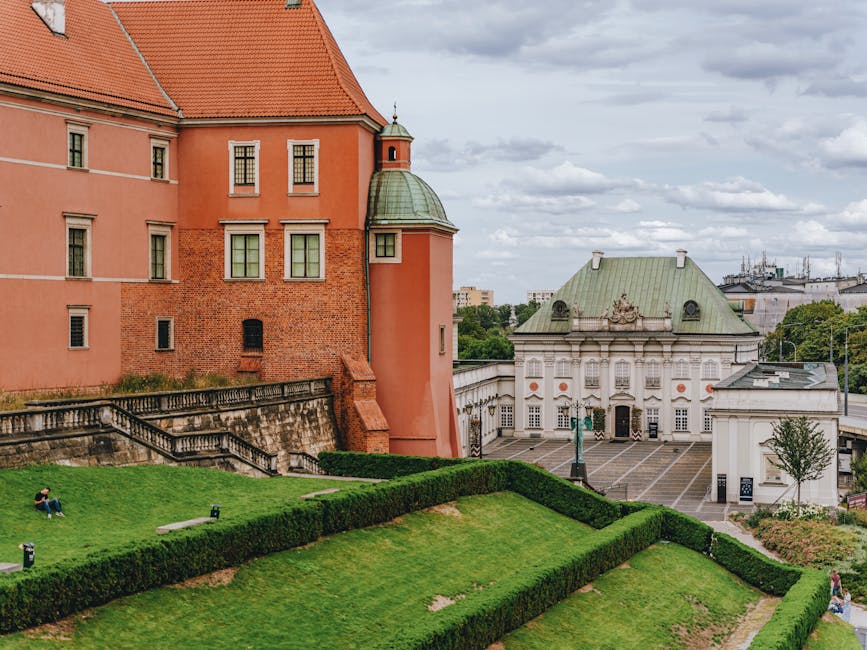
Explore the miracle of Warsaw's reconstructed Old Town on this self-guided walk through royal squares, medieval walls, and heroic monuments.
 Easy
EasyGothenburg, Sweden
Discover Gothenburg’s 17th-century Dutch foundations, historic canals, and military fortifications on this self-guided architectural walk.
 Easy
EasyNairobi, Kenya
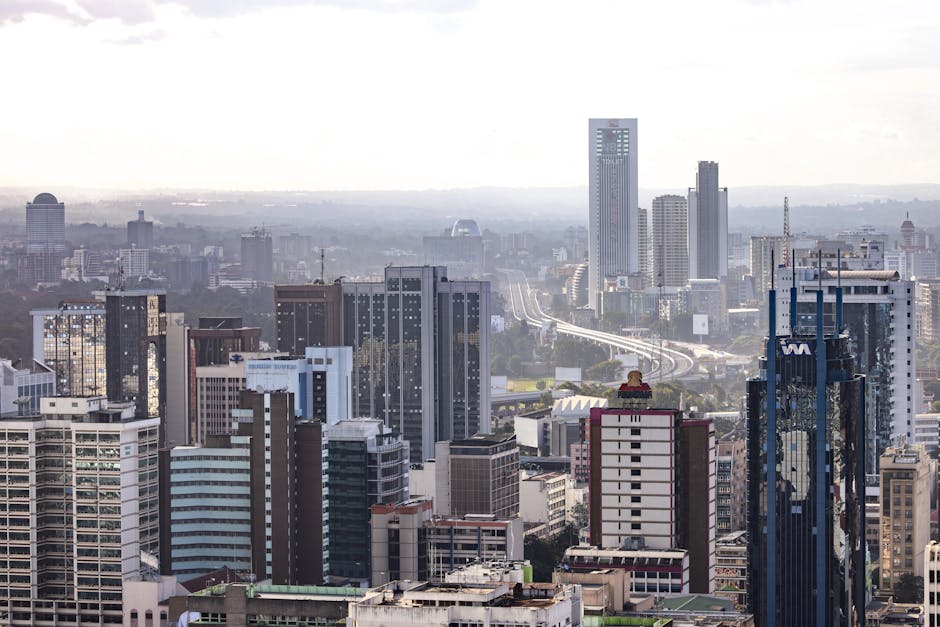
Explore Nairobi's architectural evolution from colonial-era landmarks to iconic Brutalist skyscrapers on this historic self-guided walking route.
 Easy
EasyRome, Italy
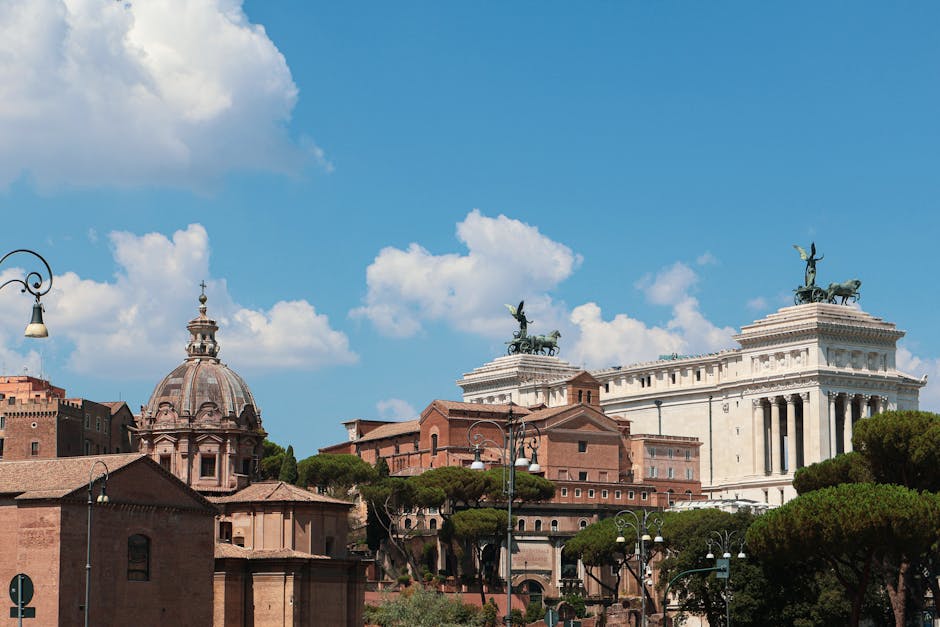
Explore Rome’s industrial heart on this self-guided walk featuring massive murals, the 'Iron Colosseum,' and unique industrial archaeology.
 Easy
EasyRome, Italy
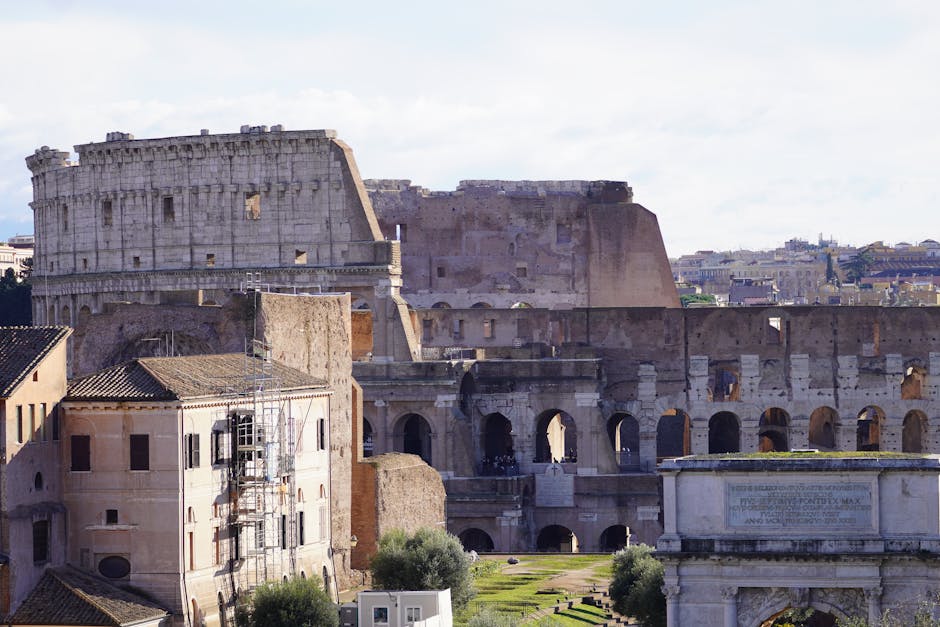
Explore Rome’s whimsical Fairytale District. A self-guided walk through Art Nouveau palaces, mythical fountains, and the magical Coppedè architecture.
 Moderate
Rome, Italy
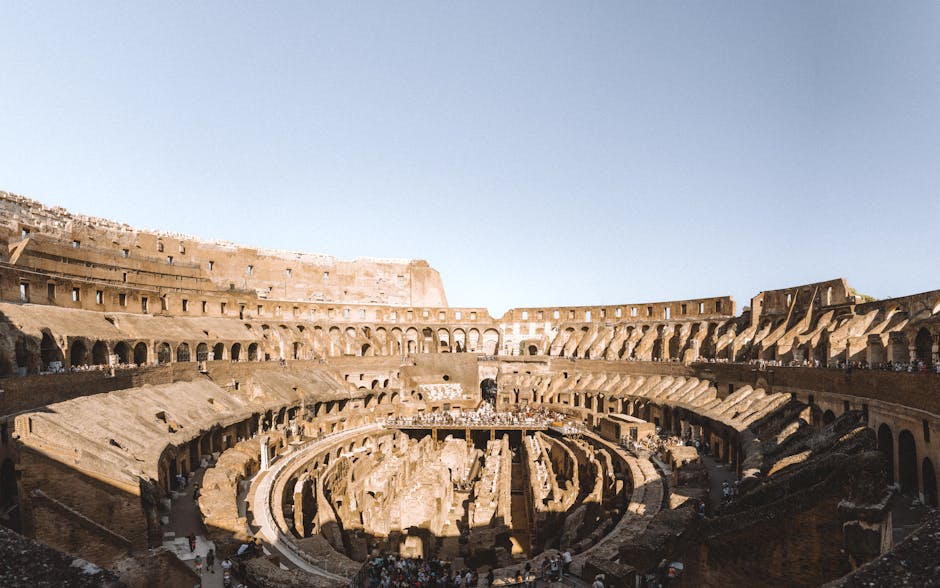
Uncover Rome's hidden history on this self-guided walk through ancient gladiator pits, subterranean temples, and buried Roman houses.
 Challenging
Rome, Italy
Walk the 'Queen of Roads.' Explore ancient catacombs, imperial villas, and historic basalt stones on this scenic self-guided Roman adventure.
