Vesterbro was once the gritty underdog of the Danish capital, a district defined by its industrial roots, the scent of the nearby slaughterhouses, and a notorious reputation as the city's red-light district. Today, it has transformed into one of the coolest neighborhoods in Europe, where historic working-class history meets high-end gastronomy and boutique shopping. This self-guided walk invites you to witness this evolution firsthand, starting from the grand architecture of the City Hall Square and venturing deep into the heart of the district's creative revival. As you explore independently, you will see how the functionalist buildings of the Meatpacking District have been repurposed into vibrant social hubs, and how the legendary Istedgade has traded some of its rough edges for designer shops and craft beer bars. This neighborhood stroll is perfect for those who want to understand the real Copenhagen beyond the royal palaces. You will encounter the massive 'Skydebane' wall, a relic of the city's shooting range days, and wander through the lush, social greenery of Sønder Boulevard. Whether you are interested in the architectural shift from industrialism to modernism or simply want to find the best spots for a local coffee, this walking route provides the context you need. Because Vesterbro is a living, breathing neighborhood, the street art and pop-up venues change frequently, making every walk unique. Unlike a traditional walking tour Copenhagen visitors might take to see the standard sights, this route focuses on the local vibe, the history of social resistance, and the culinary innovation that defines the area today. By following this audio walk, you can set your own pace, stopping for a drink in a former butcher shop or lingering in a hidden playground. Discover the stories of the people who shaped these streets, from the resistance fighters of World War II to the modern-day entrepreneurs who have made Vesterbro the city's most eclectic destination. **Note:** This area is known for its ever-changing character. Street art, pop-up venues, and temporary exhibitions may differ from what's described. That's part of the adventure - you might discover something entirely new!
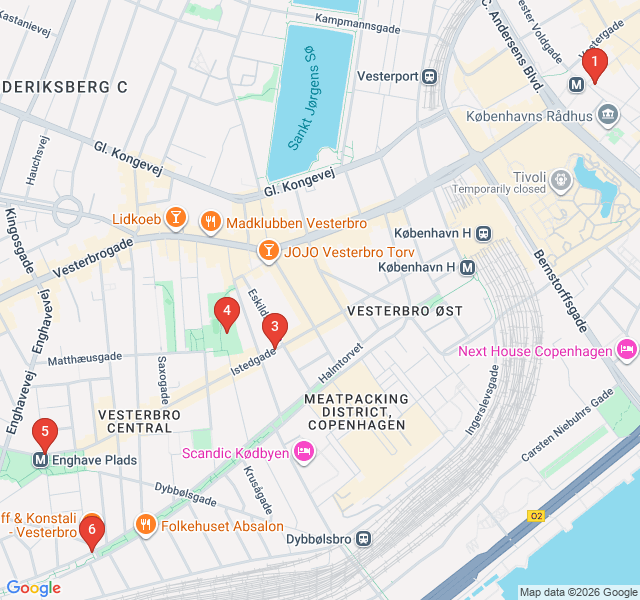
Numbers indicate the order of stops on the tour
Welcome to the starting point of your self-guided adventure. Rådhuspladsen is the physical and symbolic heart of Copenhagen, dominated by the massive City Hall building inspired by Italian Renaissance architecture. While most visitors look toward the shopping streets, we are looking west toward Vesterbro. For centuries, this square was where the city ended at the Western Gate. As the city walls were torn down in the 1850s, Vesterbro exploded into life. Stand for a moment and imagine the transition from the formal, royal city behind you to the industrial, working-class energy that awaits you just a few blocks away. This square has seen everything from Nazi occupation protests to modern football celebrations.
Enter Kødbyen, Copenhagen’s Meatpacking District. This area is divided into the White, Grey, and Brown districts, named after the color of the buildings. The White Meatpacking District is a prime example of 1930s Functionalism, designed to be hygienic and efficient for food production. While some meat processing still happens here in the early morning hours, the area has largely been reclaimed by the city's creative class. The former cold storage rooms and butcher stalls now house some of the city’s most acclaimed restaurants and galleries. Note how the industrial signage and stark architecture have been preserved, creating a 'shabby-chic' aesthetic that is quintessentially Vesterbro. It is a perfect spot to observe the city's knack for urban renewal.
Istedgade is perhaps the most famous street in Copenhagen, known for its motto 'Istedgade overgiver sig aldrig' (Istedgade never surrenders). This phrase dates back to the 1944 general strike against the German occupation. Historically, this was the city's main red-light district and a hub for the marginalized. Today, you will see a fascinating duality. One end of the street remains gritty and authentic, while the other is lined with high-end fashion boutiques and organic cafes. This tension is what makes Vesterbro so unique. Look up at the facades to see the classic Copenhagen apartment style, and keep an eye out for small plaques or street art that hint at the street's rebellious past.
As you walk through the gateway, you are greeted by one of the neighborhood's most surprising sights: a massive, castle-like wall. This was built in 1887 by the Royal Copenhagen Shooting Society. Why? To protect the residents of Vesterbro from stray bullets while the members practiced their marksmanship. Today, the shooting range has been replaced by a peaceful public park and playground. The wall remains a towering monument to the area's Victorian-era history. It is a hidden gem where local families gather, offering a quiet respite from the buzz of the surrounding streets. The contrast between the medieval-style architecture of the wall and the modern urban park is a photographer's dream.
Enghave Plads is the social heart of Vesterbro. Since the opening of the City Circle Metro line, this square has become a central meeting point for locals. On any given afternoon, you will find people sitting on the benches with a coffee from a nearby roastery or a beer from one of the local craft bars. The square is anchored by the beautiful Enghave Church and surrounded by traditional Vesterbro architecture. This is a great place to witness 'Hygge' in an urban setting. The atmosphere here is often influenced by local events or temporary art installations, so there is always something new to observe. It marks the transition from the busier part of the district to the more residential, leafy sections.
Our route concludes on Sønder Boulevard, a long, green strip that runs through the southern part of Vesterbro. This was once a standard paved road, but it was transformed into a linear park that serves as a communal backyard for the neighborhood. You will see basketball courts, table tennis, and grassy areas perfect for a picnic. It is the ultimate example of Copenhagen's commitment to livable urban spaces. The boulevard is lined with some of the city's most popular casual eateries and bars, making it the perfect place to end your stroll and grab a bite. The vibe here is relaxed and welcoming, capturing the true spirit of modern Vesterbro.
Download Zigway to experience "Vesterbro: From Red Lights to Hip Bites" with AI-powered audio narration. Walk at your own pace while stories unfold around you.
 Easy
EasyCopenhagen, Denmark
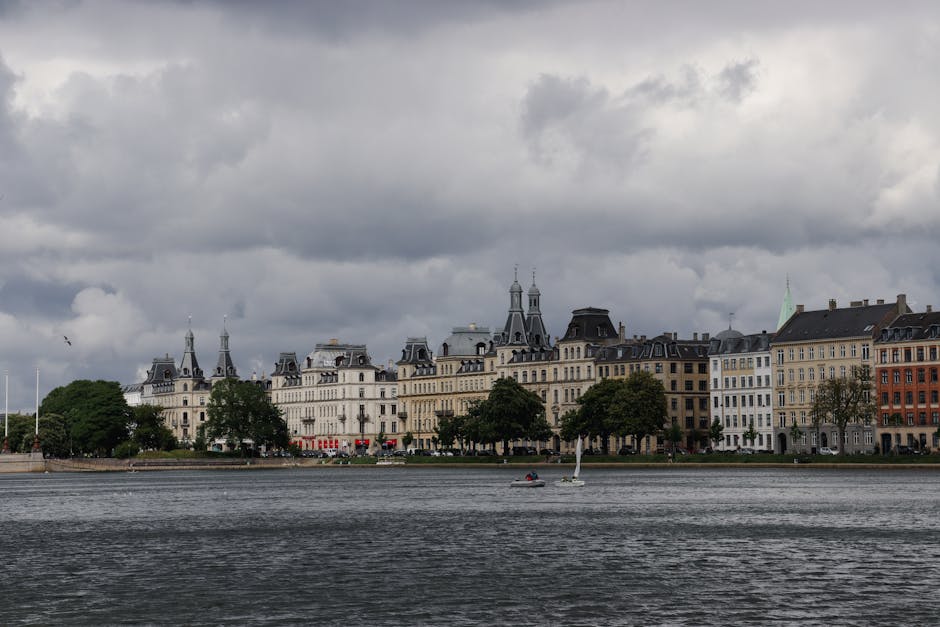
Explore Copenhagen's stunning waterfront architecture, from the 'Black Diamond' to the Opera House, on this self-guided design-focused walk.
 Moderate
Copenhagen, Denmark
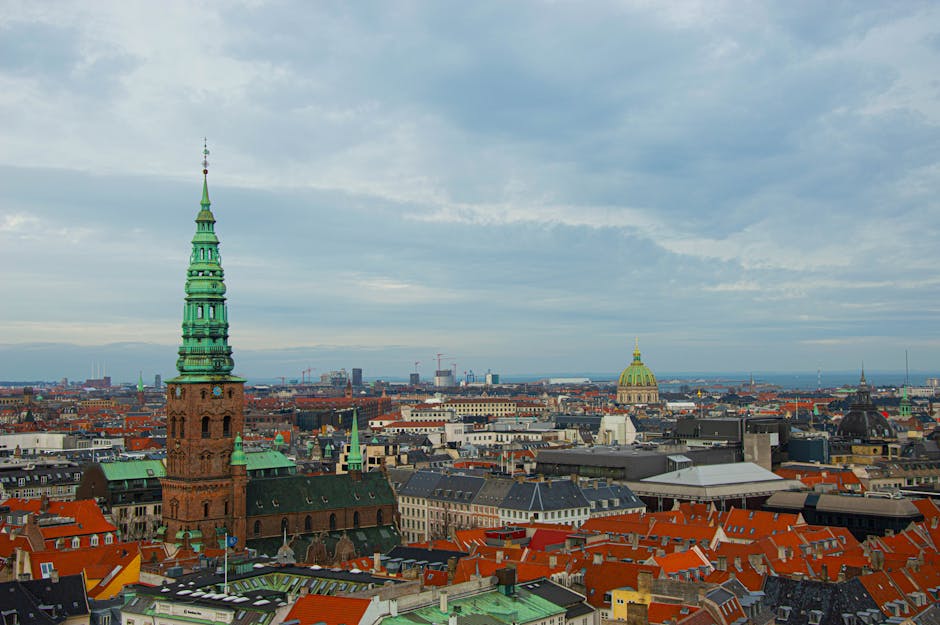
Explore Copenhagen’s 'Little Amsterdam' and the radical Freetown Christiania on this self-guided audio walk through history and counter-culture.
 Easy
EasyCopenhagen, Denmark
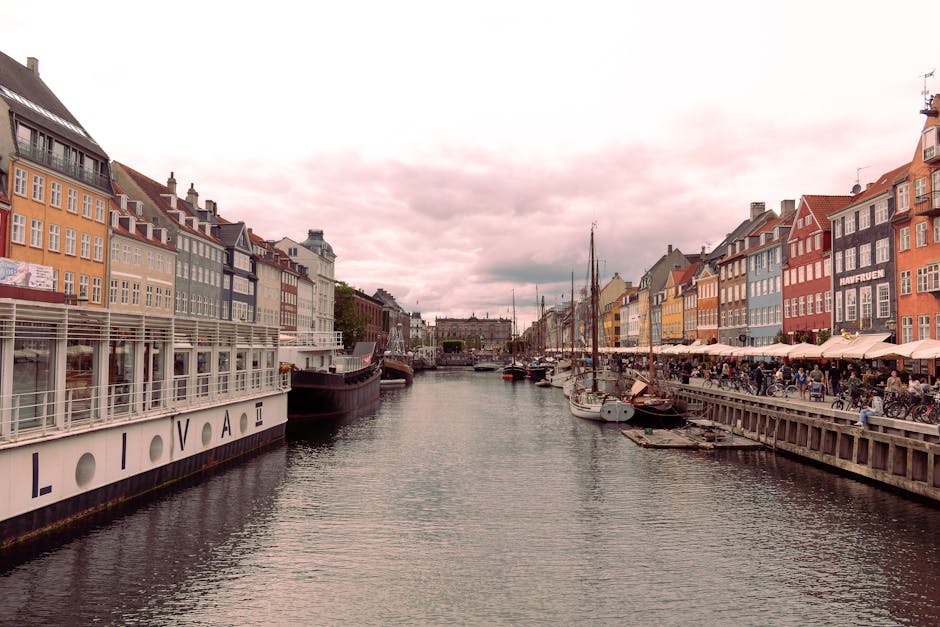
Discover the seat of Danish power and the home of the royals on this self-guided walk through Copenhagen's most historic palaces and landmarks.
 Moderate
Copenhagen, Denmark
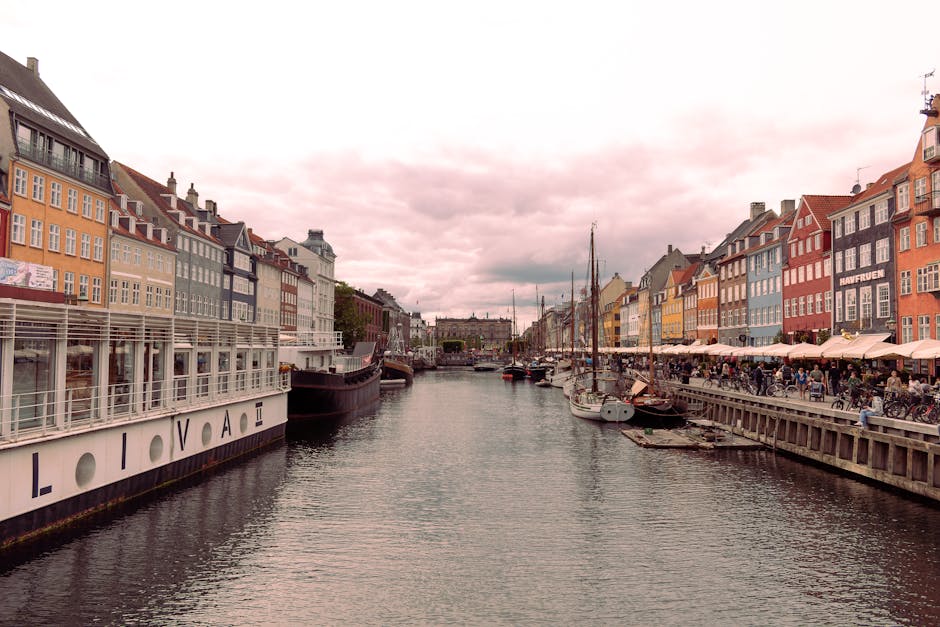
Explore Copenhagen’s historic brewery district at your own pace. Discover the iconic Elephant Gate, lush gardens, and grand industrial heritage.
 Easy
EasyVienna, Austria
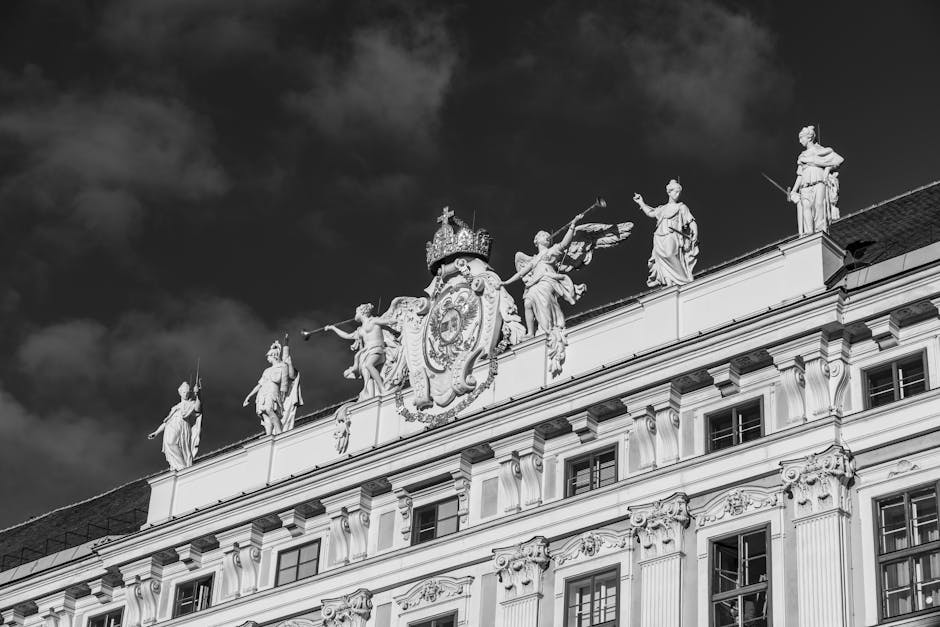
Explore Vienna’s vibrant open-air gallery along the Danube Canal on this self-guided street art and nightlife stroll through Leopoldstadt.
 Easy
EasyKrakow, Poland
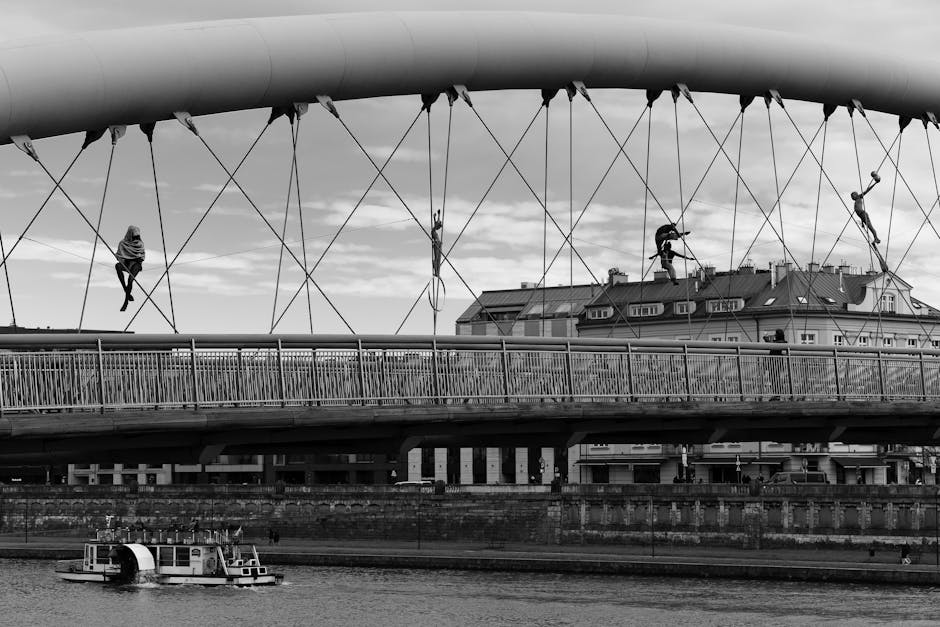
Discover Krakow’s creative soul in Zabłocie, exploring industrial heritage, contemporary art museums, and avant-garde architecture at your own pace.
 Easy
EasyGdansk, Poland
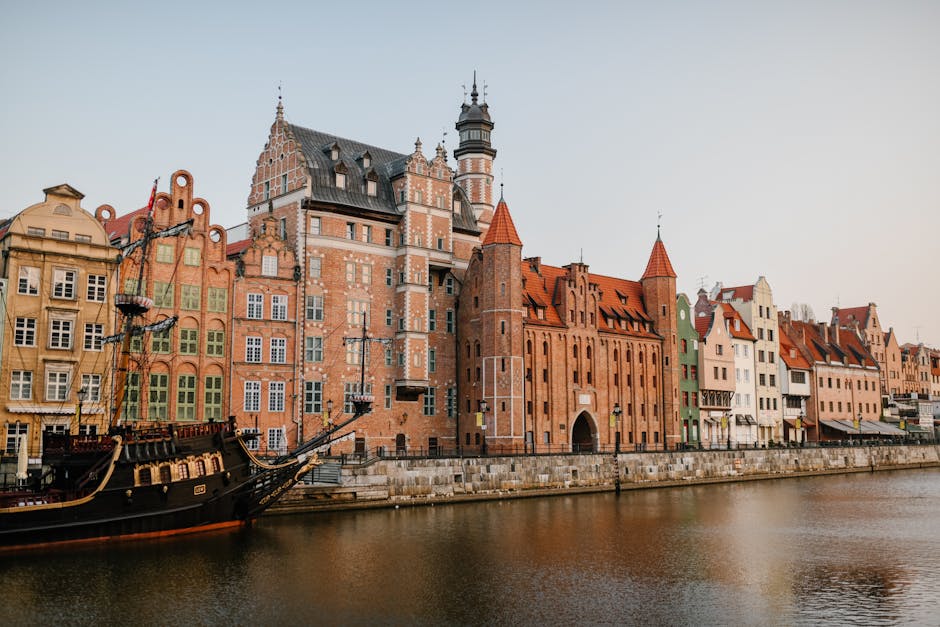
Discover the neon-lit rebirth of Gdansk's shipyards on this self-guided walk through industrial food halls, container bars, and legendary clubs.
 Moderate
Helsinki, Finland
Explore Helsinki's bohemian heart. Discover historic saunas, granite churches, and the vibrant local life of the Kallio neighborhood at your own pace.
