Step into a corner of Copenhagen where beer history and monumental architecture collide in the Carlsberg District. This self-guided walk takes you through a neighborhood currently undergoing one of Europe’s most ambitious urban transformations, shifting from a powerhouse of industrial production to a vibrant cultural hub. As you explore this independent walking route, you will discover the legacy of the Jacobsen family, whose passion for brewing was matched only by their obsession with art and science. The district is a living museum of red-brick towers, winding streets, and hidden gardens that feel worlds away from the glass-and-steel modernism of the city center. Your neighborhood stroll begins in the charming enclave of Humleby, a series of terraced houses built for brewery workers that mimics the English style. From there, the route leads you toward the iconic Elephant Gate, perhaps the most famous piece of industrial-heritage in Denmark. You will learn about the fierce rivalry between father and son, J.C. and Carl Jacobsen, which led to the creation of two separate breweries and some of the city's most eccentric landmarks. This self-guided adventure allows you to uncover the stories behind the granite elephants and the historic brewhouses at your own pace. Beyond the beer, this walking route Copenhagen highlight includes the tranquil J.C. Jacobsen’s Garden, a private botanical oasis once reserved for the family, and the towering modern additions like Bohr’s Tower that signal the district's future. Whether you are interested in the evolution of Danish industry or simply want to find the most Instagram-worthy gates in the city, this neighborhood journey offers a deep dive into the soul of Valby. Experience the rich heritage of the 'City of Beer' without the constraints of a group, following a path that celebrates the innovation and philanthropy that built modern Copenhagen.
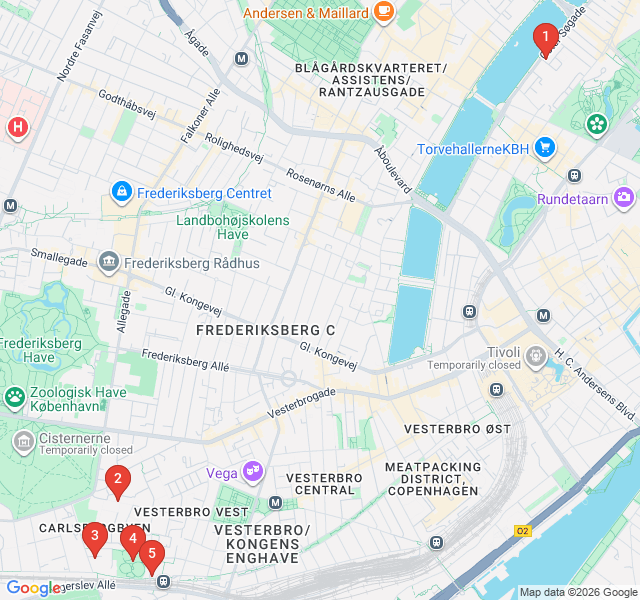
Numbers indicate the order of stops on the tour
Welcome to Humleby, or 'Hops Town.' As you walk through these narrow streets, you might feel like you have been transported to a London suburb. These yellow-brick terraced houses were built between 1885 and 1891 by the Workers' Building Association. At the time, the Carlsberg brewery was expanding rapidly, and the Jacobsen family wanted to provide healthy, dignified housing for their employees. This was a revolutionary concept in the 19th century, moving workers away from the cramped, unsanitary conditions of the inner city. Today, Humleby is one of Copenhagen’s most coveted residential areas, known for its strong community spirit and picturesque aesthetics. Notice the intricate brickwork and small gardens that make this enclave feel like a peaceful village within the city.
Standing before you is perhaps the most photographed landmark in the district: the Elephant Gate. Completed in 1901, this gate served as the grand entrance to the New Carlsberg brewery. The four life-sized elephants, carved from Bornholm granite, support a tower that once held water and hop silos. Carl Jacobsen, the brewery owner, chose the elephant as a symbol of strength and fidelity. Look closely at the elephants’ blankets; you will see the swastika symbol. Before it was tragically co-opted by the Nazi party, this was an ancient symbol of prosperity and good fortune, and it was the original trademark for Carlsberg beer. The motto inscribed on the gate, 'Laboremus pro Patria'—Let us work for our country—perfectly encapsulates the Jacobsen family’s philanthropic philosophy.
This is the historic heart of the brewing empire. The site where you stand is where J.C. Jacobsen first established his brewery in 1847, naming it after his son, Carl, and the 'bjerg' or hill on which it sits. For over 160 years, this site produced millions of liters of beer before production was moved to Jutland in 2008. Today, the complex serves as a cultural center where you can see the world’s largest collection of unopened beer bottles and meet the famous Jutland dray horses that still live in the stables here. The architecture reflects a mix of styles, from the grand Dipylon Gate to the classic red-brick brewhouses, all designed to show that an industrial site could also be a work of art.
Escape the industrial scale of the brewery and enter the tranquil J.C. Jacobsen’s Garden. This was the private botanical refuge of the brewery’s founder. Jacobsen was a man of science and art, and his garden reflects that curiosity. He modeled it after the Mediterranean villas he visited during his travels in Italy. The garden contains many rare trees and plants that were unusual for the Danish climate in the 19th century. As you wander the paths, you will see the Hanging Gardens and the ruins of the old conservatory. It was here that Jacobsen would find peace away from the brewing kettles, and today it remains a hidden gem for locals seeking a quiet moment in the heart of Valby.
As you look up at the 120-meter tall Bohr’s Tower, you are seeing the future of this district. Named after the Nobel Prize-winning physicist Niels Bohr—who lived in the Carlsberg Honor Mansion nearby—this skyscraper marks the transition of the area into 'Carlsberg City.' The district is being transformed into a dense, sustainable urban neighborhood with thousands of new homes and shops. The bronze-colored facade of the tower is designed to complement the historic red bricks you’ve seen throughout your walk. Standing at the base of this modern giant, you can appreciate the scale of change: from a family-run brewery to a modern metropolis, while still keeping the spirit of innovation alive.
Download Zigway to experience "Carlsberg District: Beer, Giants, and Heritage" with AI-powered audio narration. Walk at your own pace while stories unfold around you.
 Easy
EasyCopenhagen, Denmark
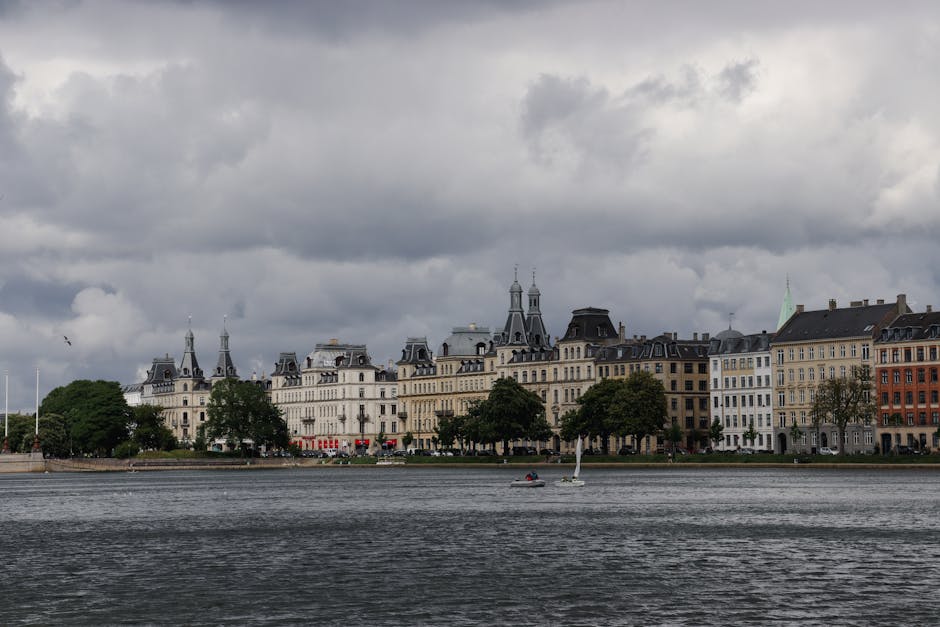
Explore Copenhagen's stunning waterfront architecture, from the 'Black Diamond' to the Opera House, on this self-guided design-focused walk.
 Moderate
Copenhagen, Denmark
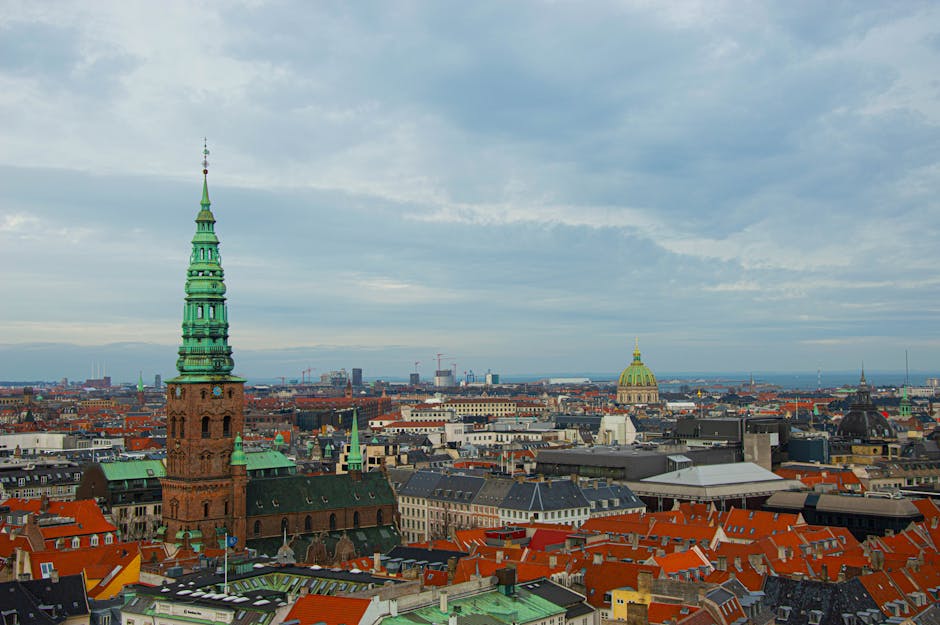
Explore Copenhagen’s 'Little Amsterdam' and the radical Freetown Christiania on this self-guided audio walk through history and counter-culture.
 Easy
EasyCopenhagen, Denmark
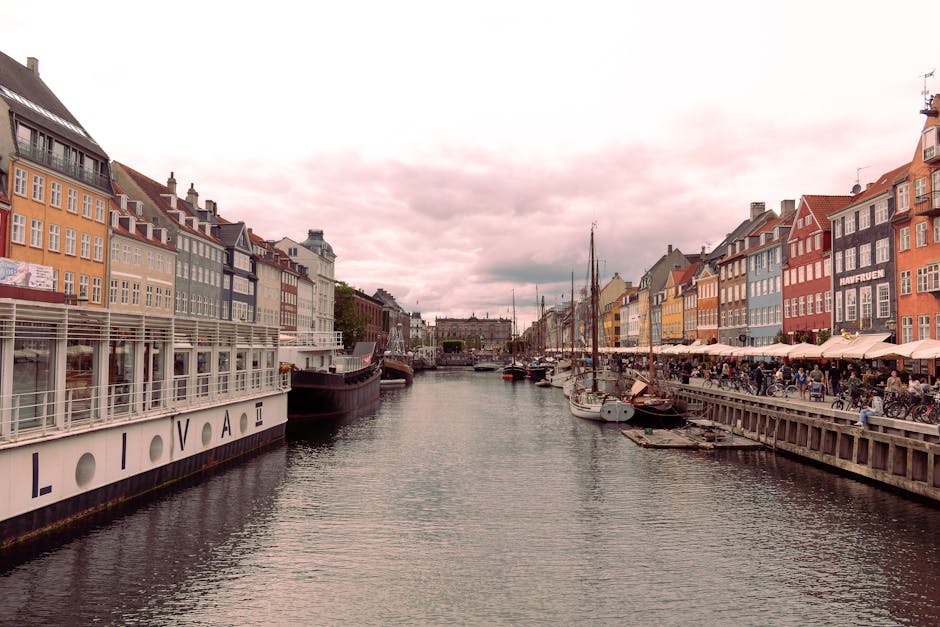
Discover the seat of Danish power and the home of the royals on this self-guided walk through Copenhagen's most historic palaces and landmarks.
 Easy
EasyCopenhagen, Denmark
Discover Vesterbro's evolution from industrial grit to foodie heaven on this self-guided neighborhood stroll through Copenhagen's coolest district.
 Easy
EasyGothenburg, Sweden
Explore Gothenburg's maritime soul on this self-guided walk from historic shipyards to sleek modern piers and iconic industrial landmarks.
 Easy
EasyGothenburg, Sweden
Explore Gothenburg’s historic wooden houses, legendary giant cinnamon buns, and panoramic fortress views on this self-guided neighborhood stroll.
 Moderate
Vienna, Austria
Discover the noir world of The Third Man and Cold War Vienna on this atmospheric self-guided audio walk through the historic Innere Stadt.
 Moderate
Gdansk, Poland
Discover the bohemian soul of Gdańsk. Explore the literary landmarks of Günter Grass, Prussian villas, and the trendy cafes of historic Wrzeszcz.
