Step into a world where 17th-century maritime charm meets 20th-century utopian idealism. This self-guided walking route through Christianshavn offers a deep dive into one of Copenhagen's most atmospheric and misunderstood neighborhoods. Often called 'Little Amsterdam' for its picturesque canals and Dutch-inspired architecture, Christianshavn was originally founded by King Christian IV as a fortified merchant town. Today, it serves as a bridge between the regal history of Denmark and the radical social experiment of Freetown Christiania. This neighborhood stroll allows you to explore the contrast between elegant waterfront warehouses and the gritty, creative spirit of an autonomous community. Your journey begins at the heart of the district, where you will immediately notice the slower pace of life compared to the city center. As you walk along the canals of Overgaden Oven Vandet, you will encounter historic facades that have stood for centuries. A major highlight of this walking route is the iconic Church of Our Saviour, famous for its external corkscrew spire that dominates the skyline. From there, the atmosphere shifts dramatically as you enter Freetown Christiania. This self-governed enclave, established by squatters in 1971, is a kaleidoscope of street art, hand-built houses, and alternative lifestyles. It is a place that challenges conventional ideas of urban living and remains one of the most visited sites in the city. Beyond the famous 'Green Light District,' this audio walk takes you to the quieter corners of the neighborhood, such as Wilders Plads, where industrial heritage has been repurposed into modern creative hubs. You will also discover Bøssehuset, a vital center for LGBTQ+ culture within the Freetown. Whether you are interested in the architectural precision of the baroque era or the organic evolution of a counter-culture commune, this self-guided walk provides the context and stories needed to understand the true soul of Christianshavn. This is a walking tour Copenhagen enthusiasts shouldn't miss if they want to see the city's rebellious side. Enjoy the freedom to explore at your own pace, stopping for a coffee by the canal or a quiet moment in a hidden courtyard. Discover why this area remains a local favorite for its unique blend of history, water, and social defiance. **Note:** This area is known for its ever-changing character. Street art, pop-up venues, and temporary exhibitions may differ from what's described. That's part of the adventure - you might discover something entirely new!
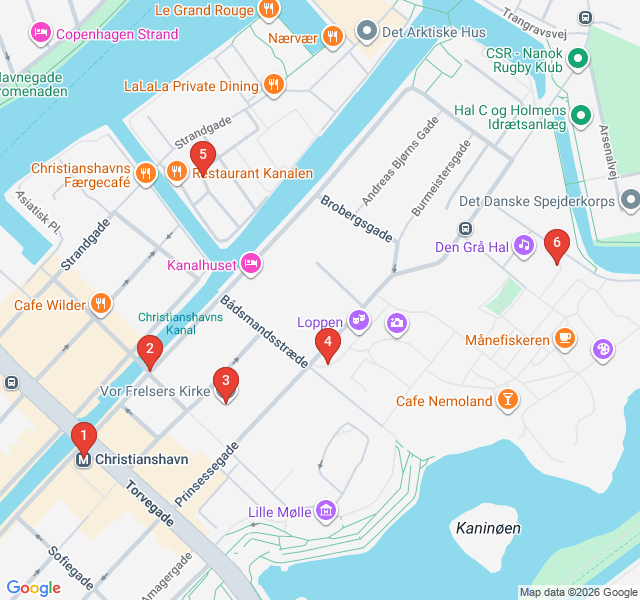
Numbers indicate the order of stops on the tour
Welcome to Christianshavn, an area often referred to as 'Little Amsterdam.' Founded in the early 1600s by King Christian IV, this district was designed to be a fortified merchant city. The King recruited Dutch engineers to design the layout, which explains the prominent canals and the narrow, gabled houses you see today. Originally, this was a separate town from Copenhagen, intended to stimulate trade and house the growing merchant class. As you stand here, notice the blend of historic charm and modern life. The neighborhood has evolved from a gritty working-class dockland into one of the most sought-after residential areas in the city, yet it retains its maritime soul.
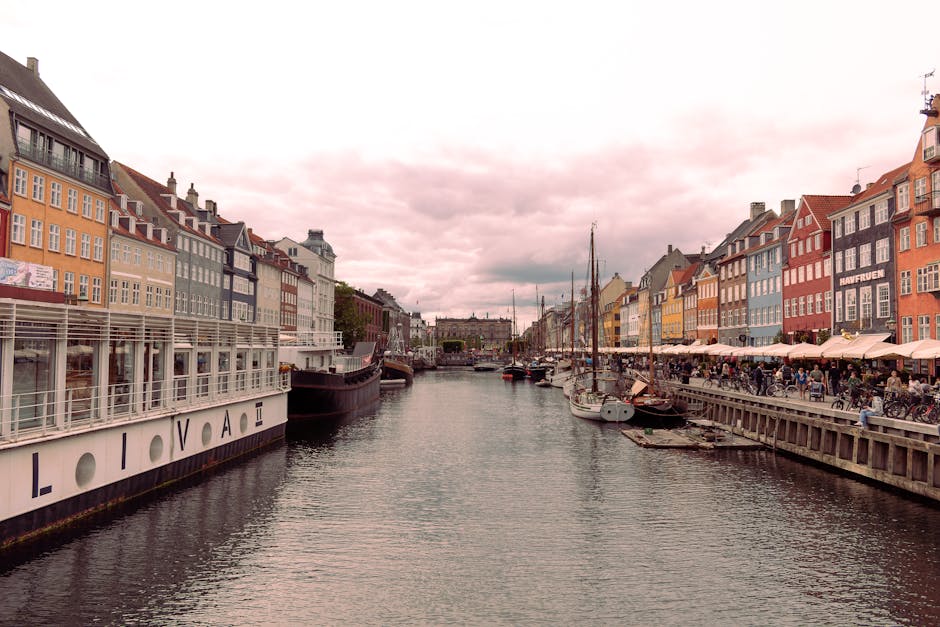
Walking along Overgaden Oven Vandet, you are traversing one of the most beautiful canal-side streets in Denmark. The name literally translates to 'The street above the water.' Look across the canal to 'Overgaden Neden Vandet' (the street below the water). These quays were once bustling with ships unloading spices, tea, and textiles from the East India Company. Today, the warehouses have been converted into stylish apartments and offices, but the original hooks used for hoisting cargo are still visible on many facades. The houseboats lining the canal add a bohemian touch to the structured Dutch architecture, reflecting the neighborhood's dual identity as both prestigious and unconventional.
The Church of Our Saviour, or Vor Frelsers Kirke, is a masterpiece of Danish Baroque architecture. Its most striking feature is the black and gold corkscrew spire, which was added in 1752. Legend says that the architect committed suicide when he realized the staircase turned the 'wrong' way, but this is a local myth—he actually lived for many years after its completion. The spire features an external staircase that allows visitors to climb to the very top for a breathtaking view of the city. Inside, the church houses a magnificent pipe organ and a carillon of 48 bells, which often fills the neighborhood with music. It stands as a spiritual anchor in a district known for its secular rebelliousness.
Step through the wooden gate and you enter Freetown Christiania, a self-governed community established in 1971 when squatters took over a former military barracks. Christiania operates under its own set of rules, independent of the Danish government in many social aspects. It is a vibrant tapestry of DIY architecture, organic eateries, and incredible murals. Please be aware that street art and installations here change frequently as the community evolves. While the 'Green Light District' is famous for its history, remember to respect local signs regarding photography, especially near Pusher Street. Christiania is more than just a tourist site; it is a living social experiment dedicated to peace, art, and collective living.
Wilders Plads is a hidden gem that showcases the industrial heritage of Christianshavn. Named after Carl Wilder, who established a shipyard here in the 1700s, this area was once the heart of Copenhagen's shipbuilding industry. Today, the old brick buildings have been meticulously restored. You will find a mix of creative studios, architects' offices, and quiet courtyards that feel miles away from the city's hustle. It is an excellent example of how Copenhagen repurposes its maritime past for a modern, design-focused future. The contrast between the rugged textures of the old shipyards and the sleek modern interiors represents the sophisticated evolution of the neighborhood.
Located deep within the green ramparts of Christiania, Bøssehuset, or 'The Gay House,' has been a cornerstone of LGBTQ+ culture in Copenhagen since the early 1970s. It serves as a theater, music venue, and community center. Historically, it was a place where activists and artists could express themselves freely outside the norms of mainstream society. The building itself is part of the old military fortifications, now softened by nature and art. Bøssehuset represents the radical inclusivity that Christiania was founded upon, proving that even within a counter-culture enclave, there are specific spaces dedicated to visibility and the fight for diverse identities.
Download Zigway to experience "Christiania and the Soul of Christianshavn" with AI-powered audio narration. Walk at your own pace while stories unfold around you.
 Easy
EasyCopenhagen, Denmark
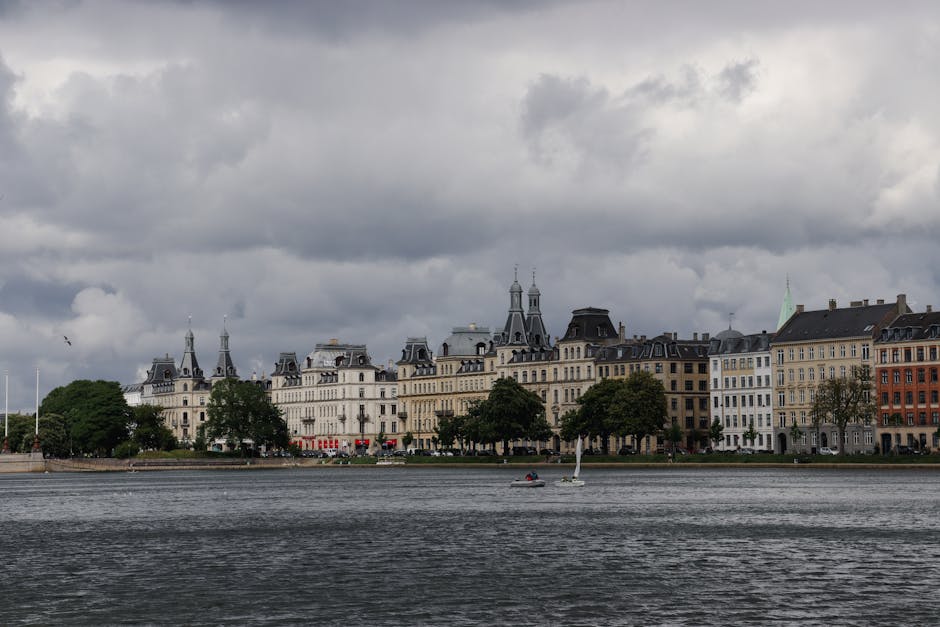
Explore Copenhagen's stunning waterfront architecture, from the 'Black Diamond' to the Opera House, on this self-guided design-focused walk.
 Easy
EasyCopenhagen, Denmark
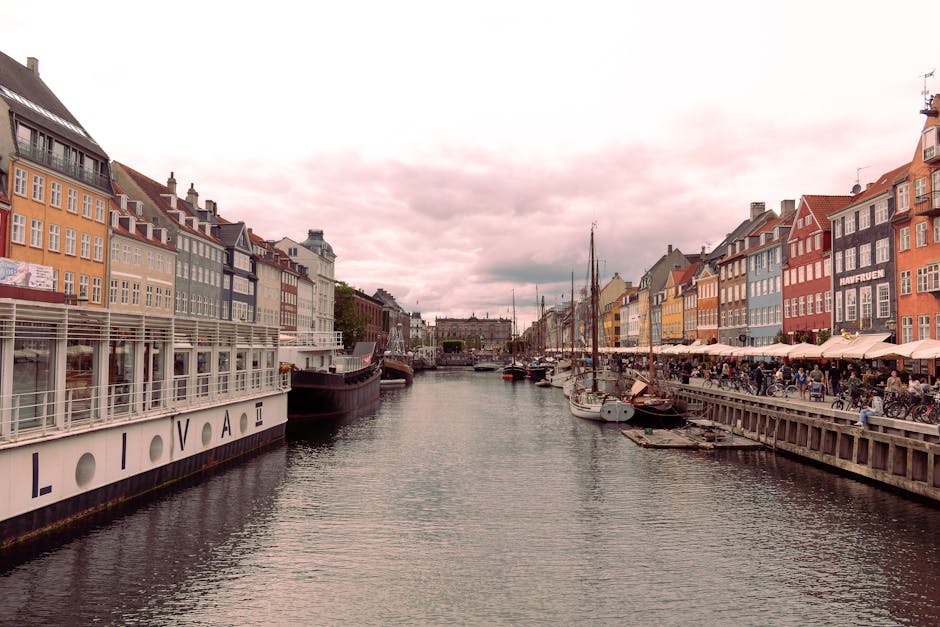
Discover the seat of Danish power and the home of the royals on this self-guided walk through Copenhagen's most historic palaces and landmarks.
 Easy
EasyCopenhagen, Denmark
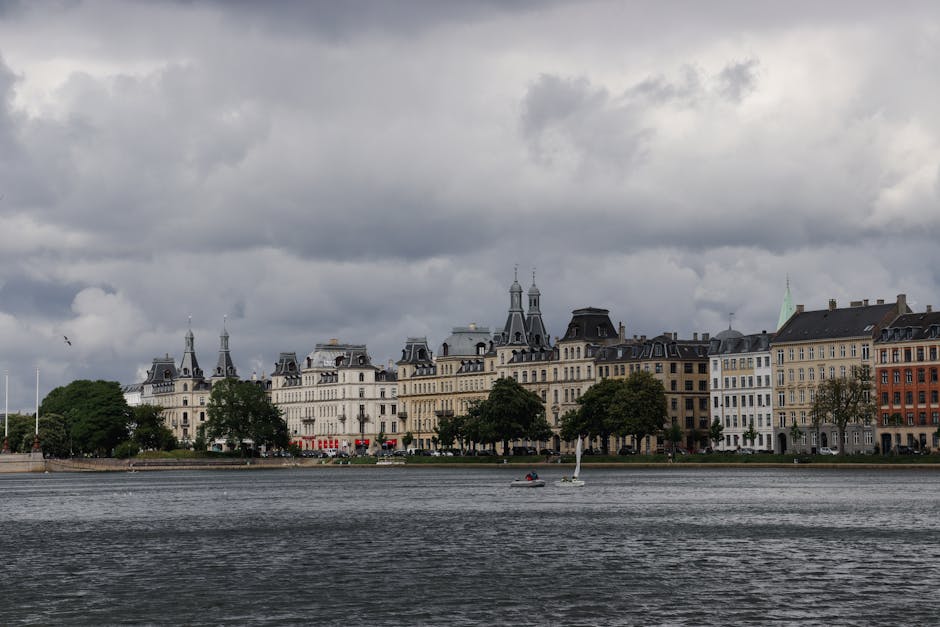
Discover Vesterbro's evolution from industrial grit to foodie heaven on this self-guided neighborhood stroll through Copenhagen's coolest district.
 Moderate
Copenhagen, Denmark
Explore Copenhagen’s historic brewery district at your own pace. Discover the iconic Elephant Gate, lush gardens, and grand industrial heritage.
 Moderate
Gdansk, Poland
Discover Zaspa, a massive open-air gallery where grey housing blocks are transformed by over 60 monumental murals. Explore at your own pace.
 Easy
EasyKrakow, Poland
Explore Krakow’s artistic evolution from Renaissance masterpieces to vibrant urban murals on this inspiring self-guided walk through the city.
 Moderate
Nairobi, Kenya
Discover the creative soul of Nairobi on this self-guided walk through the city's premier art galleries, markets, and artisan workshops.
 Moderate
Nairobi, Kenya
Discover Nairobi's lush side on this self-guided walk through botanical gardens, historic memorials, and vibrant local markets.
