Step into the vibrant heart of the oldest Chinatown in North America with this self-guided walk through San Francisco's most iconic neighborhood. This journey isn't just about the bright lanterns and souvenir shops; it is a deep dive into a 'city within a city' that has survived exclusion, earthquakes, and urban renewal. Your neighborhood stroll begins at Portsmouth Square, known as the 'Cradle of San Francisco,' where the first announcement of the Gold Rush echoed across the plaza in 1848. As you explore independently, you will witness the resilience of a community that rebuilt itself in a unique 'Orientalist' architectural style after the 1906 earthquake to ensure its survival in the face of relocation threats. This walking route takes you away from the main thoroughfares and into the narrow, storied alleys that reveal the true character of the district. You will encounter the spiritual heritage of the community at Tin How Temple, the oldest Taoist temple in the United States, tucked away on the fourth floor of a nondescript building. The scent of incense gives way to the sweet aroma of vanilla at the Golden Gate Fortune Cookie Factory in Ross Alley, where cookies are still folded by hand using vintage machinery. Along the way, you will discover the architectural blend of Old Saint Mary’s Cathedral, constructed with granite from China and bricks from the East Coast, symbolizing the meeting of two worlds. This walking tour San Francisco experience concludes at the majestic Dragon Gate, the symbolic entrance to the neighborhood, where traditional stone lions guard the transition between the bustling financial district and the historic enclave of Chinatown. Whether you are a first-time visitor or a local, this self-guided adventure offers a fresh perspective on the cultural and historical forces that shaped this legendary neighborhood.
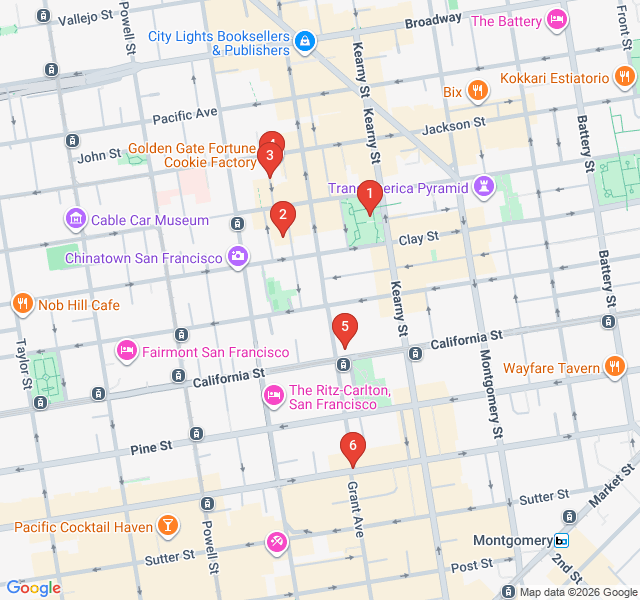
Numbers indicate the order of stops on the tour
Welcome to Portsmouth Square, the true birthplace of San Francisco. Long before the skyscrapers of the Financial District rose nearby, this was the city's primary public plaza. In 1848, Sam Brannan stood here waving a vial of gold, sparking the California Gold Rush that changed the world forever. Today, the square serves as the 'living room' of Chinatown. You will often see locals gathered for intense games of Mahjong or practicing Tai Chi in the morning mist. Look for the markers indicating where the first American flag was raised in the city and where the first public school in California once stood. It is a place where layers of history meet the daily rhythm of modern community life.
Climb the narrow stairs to the fourth floor to find Tin How Temple, established in 1852. This is the oldest Taoist temple in the United States, dedicated to Mazu, the Goddess of the Sea, who protected early immigrants on their perilous journey across the Pacific. Inside, the ceiling is covered with hundreds of red lanterns, each representing a prayer or a donation from the community. The air is thick with the scent of sandalwood incense. This temple survived the 1906 earthquake and remains a vital spiritual sanctuary. It offers a quiet, contemplative contrast to the busy streets below and serves as a reminder of the deep religious roots that have sustained this community for over 170 years.
Turn into Ross Alley, the oldest alleyway in San Francisco. In the late 19th century, this narrow passage had a notorious reputation for gambling dens and opium parlors. Today, it has been transformed into a vibrant cultural corridor. As you walk, notice the murals that depict scenes of daily life and Chinese history. The alley is also a popular filming location, appearing in movies like 'Big Trouble in Little China' and 'Indiana Jones and the Temple of Doom.' Despite its cinematic fame, it remains a functional part of the neighborhood, home to barbershops and small businesses that have operated here for generations.
Follow the sweet, buttery scent of vanilla to the Golden Gate Fortune Cookie Factory. Since 1962, this tiny workshop has been producing handmade fortune cookies. Unlike the mass-produced versions found in supermarkets, these are still folded by hand while the dough is warm and pliable. You can watch the artisans at work, skillfully placing the paper fortunes inside the circular wafers. While many believe the fortune cookie originated in China, it is actually a California invention, though its exact origins are still debated between San Francisco and Los Angeles. Grab a bag of 'seconds' or a giant cookie as a snack for the rest of your walk.
Standing at the corner of Grant and California, Old Saint Mary’s Cathedral is a testament to resilience. Built in 1854, it was the first cathedral in California. Its construction reflects the diverse history of the city: the granite for its foundation was quarried in China, while its bricks were shipped around Cape Horn from the East Coast. Remarkably, the building survived the 1906 earthquake and fire, though its interior was gutted. Look up at the clock tower to see the inscription: 'Son, Observe the Time and Fly from Evil.' This was a direct message to the men frequenting the surrounding brothels during the city's rougher days.
Your journey concludes at the Dragon Gate, the southern entrance to Chinatown. Unlike many Chinatown gates in other cities, this one was designed in the traditional Chinese style with three portals. It was a gift from Taiwan in 1970 and is topped with green tiles and sculptures of fish and dragons. Notice the two stone lions guarding the entrance—the male on the right with a paw on a ball (symbolizing the world) and the female on the left with a cub (symbolizing the family). This gate marks the boundary between the Western-style architecture of the Financial District and the unique cultural enclave you have just explored.
Download Zigway to experience "Echoes of the Dragon: Chinatown's Hidden History" with AI-powered audio narration. Walk at your own pace while stories unfold around you.
 Easy
EasySan Francisco, United States
Explore the epicenter of LGBTQ+ history on this self-guided walk through San Francisco's Castro district, from Harvey Milk's legacy to iconic cinema.
 Easy
EasySan Francisco, United States
Explore the historic Barbary Coast waterfront, from the iconic Ferry Building to the vintage arcades and sea lions of the Embarcadero.
 Moderate
San Francisco, United States
Discover hidden art, cinematic history, and historic forts on this self-guided walk through the Presidio’s lush forests and coastal trails.
 Easy
EasySan Francisco, United States
Explore San Francisco’s architectural evolution from historic Art Deco gems to modern glass skyscrapers on this self-guided walking route.
 Easy
EasyGothenburg, Sweden
Discover Gothenburg’s 17th-century Dutch foundations, historic canals, and military fortifications on this self-guided architectural walk.
 Easy
EasyGdansk, Poland
Discover the opulent Royal Way of Gdansk at your own pace. Explore Hanseatic history, gilded architecture, and the iconic Neptune's Fountain.
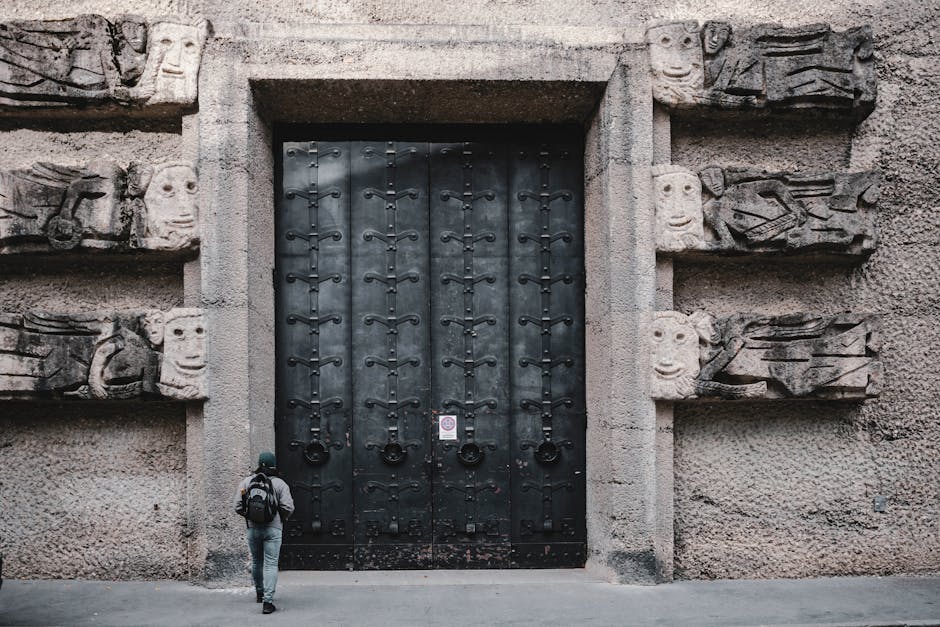 Easy
EasySalzburg, Austria
Discover the 'Rome of the North' on this self-guided walk through the Baroque squares and monumental legacy of Salzburg’s Prince-Archbishops.
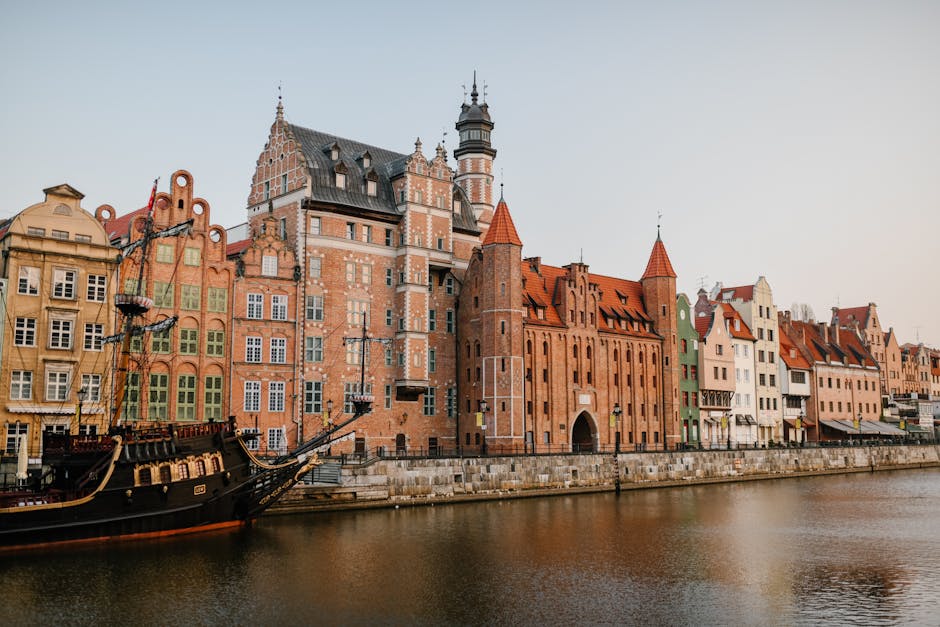 Easy
EasyGdansk, Poland
Discover the 'Baltic Gold' on this self-guided walk through Gdansk's historic mills, massive cathedrals, and the magical Mariacka Street.
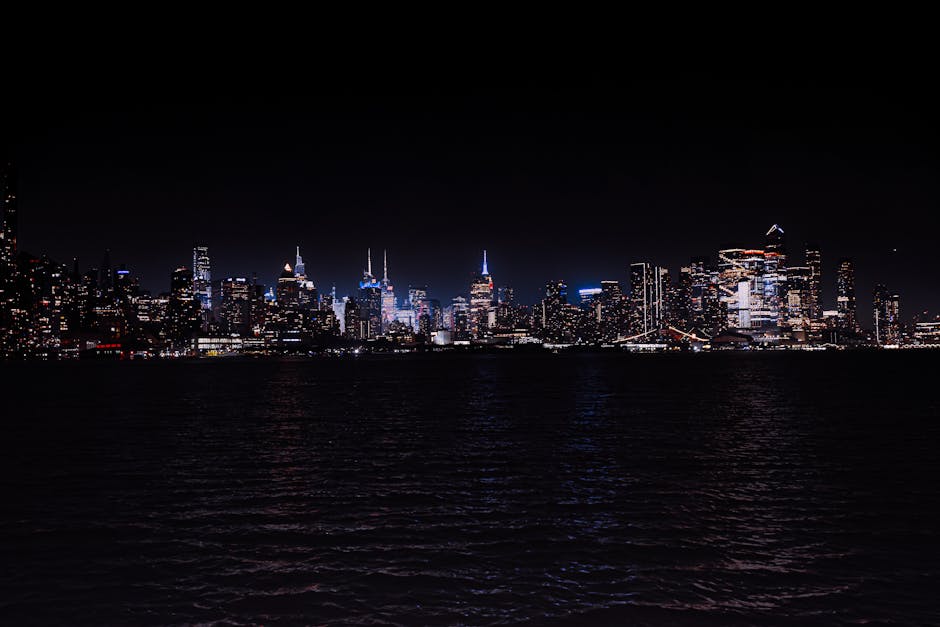 Easy
EasyNew York City, United States
Explore the golden age of Manhattan architecture on this self-guided walk through Midtown's iconic Art Deco skyscrapers and historic landmarks.
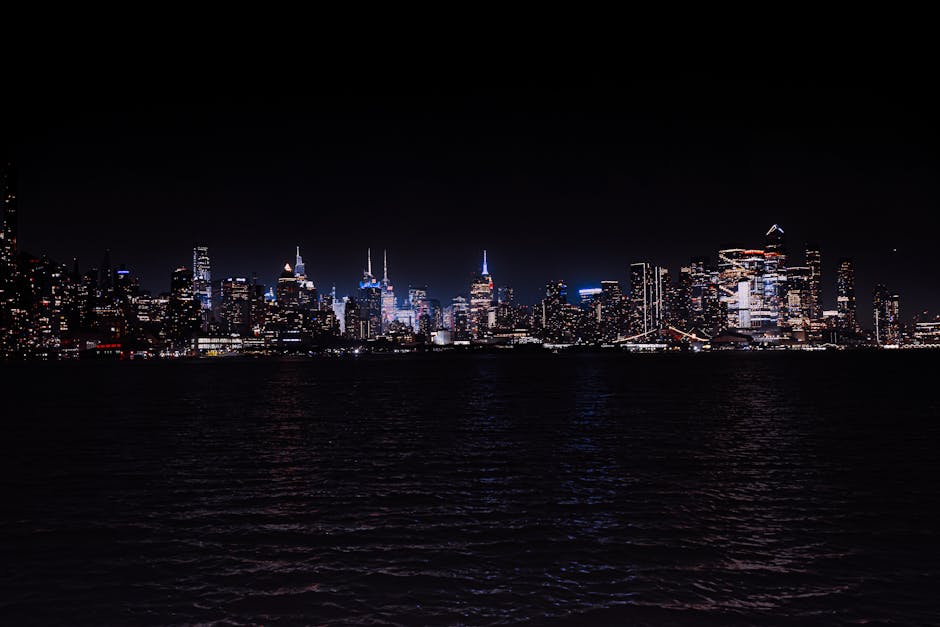 Easy
EasyNew York City, United States
Discover the literary legends, jazz haunts, and revolutionary history of Greenwich Village on this immersive self-guided walking route.
 Easy
EasyNew York City, United States
Explore Manhattan's transformation on this self-guided walk from the High Line to Hudson Yards.
 Easy
EasyNew York City, United States
Discover the world's finest cast-iron architecture and the evolution of fashion on this self-guided walking route through NYC's iconic SoHo district.
