Hollywood is more than just a pin on a map; it is a dreamscape built on celluloid and ambition. This self-guided walk takes you through the heart of the Golden Age, where the transition from silent films to 'talkies' transformed a dusty lemon grove into the entertainment capital of the world. As you navigate the legendary Hollywood Boulevard, you will encounter the architectural jewels that hosted the first Academy Awards and the booths where literary giants like F. Scott Fitzgerald once nursed martinis. This neighborhood stroll isn't just about the glitz; it's about the shadows cast by the neon lights—the scandals, the ghosts, and the grit that define Tinseltown's legacy. Unlike a typical walking tour Los Angeles visitors might find, this experience allows you to linger at the sites where Marilyn Monroe lived and where the footprints of legends are literally set in stone. You will explore the Art Deco masterpieces and Spanish Colonial Revival landmarks that stood witness to the rise of the studio system. From the haunted halls of the Knickerbocker to the red booths of Musso and Frank, this walking route invites you to uncover the secrets hidden behind the marquee lights. Whether you are a cinephile or a history buff, this self-guided adventure offers a deep dive into the 1920s and 30s, an era when every sidewalk crack seemed to hold a star's secret. By choosing this independent way to travel, you avoid the crowds of a standard guided tour Los Angeles often presents, giving you the freedom to photograph the TCL Chinese Theatre or the Roosevelt Hotel without a ticking clock. Prepare to walk where the icons walked and see the Hollywood that once was, and in many ways, still is.
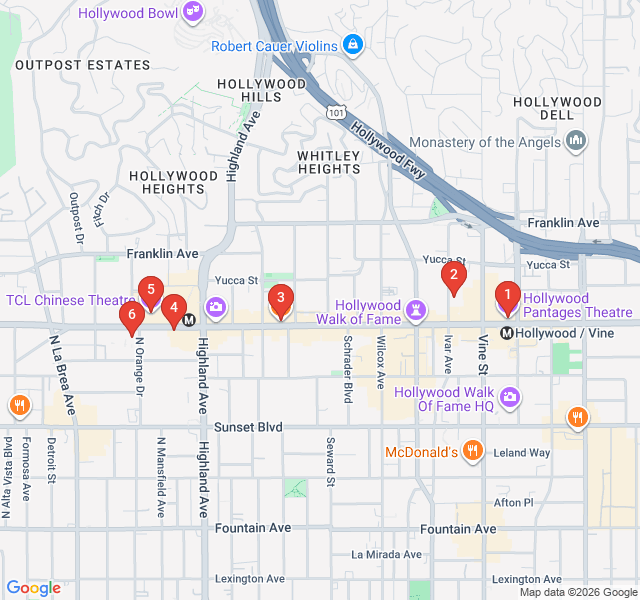
Numbers indicate the order of stops on the tour
Welcome to the start of your journey through the Golden Age. Opening in 1930, the Pantages was the last movie palace built by B.C. Pankin. Its Art Deco design is a masterclass in 'Zigzag Moderne' style, featuring a breathtaking ceiling that looks like a gilded sunburst. While it is a premier Broadway venue today, it served as the home of the Academy Awards from 1950 to 1960. Imagine the limousines lining up here during the 1950s, delivering stars like Audrey Hepburn and Marlon Brando to the red carpet. The theater's opulence was a statement of Hollywood's ultimate success even during the Great Depression. Take a moment to admire the intricate geometric patterns on the facade before we move toward the darker side of Hollywood history.
Just a short walk away stands the Knickerbocker. Originally a luxury hotel built in 1923, it served as a hideaway for the elite. However, it is better known for its tragedies and supernatural lore. This is where Harry Houdini's wife, Bess, held her famous Halloween séances on the roof for ten years, hoping to contact her late husband. It is also where film legend D.W. Griffith passed away in the lobby, and where Marilyn Monroe and Joe DiMaggio spent their honeymoon. The building transitioned to senior housing in the 1970s, but its storied past remains etched in its Renaissance Revival walls. It serves as a reminder that behind the glamour of the Golden Age, there was often a touch of the macabre.
Step toward the oldest restaurant in Hollywood, established in 1919. Musso & Frank Grill has been the 'living room of Hollywood' for over a century. This was the preferred haunt for writers like Ernest Hemingway, F. Scott Fitzgerald, and Raymond Chandler, who would often write their screenplays in the back booths. Charlie Chaplin had his own dedicated booth here—the only one with a window so he could keep an eye on his horse tied up outside. The restaurant has appeared in countless films, most recently in Quentin Tarantino's 'Once Upon a Time in Hollywood.' The mahogany bar and red-jacketed servers maintain a level of timeless service that hasn't changed since the days of silent film.
Across the street, you will see the El Capitan Theatre. Opened in 1926 as a live playhouse, it was billed as 'Hollywood's First Home of Spoken Drama.' Its Spanish Colonial Revival exterior hides an interior designed with East Indian influences. In 1941, it made cinematic history by hosting the world premiere of Orson Welles' masterpiece, 'Citizen Kane,' after other theaters refused to show it due to pressure from William Randolph Hearst. Today, it is the flagship theater for Disney, meticulously restored to its 1920s glory. If you look up, you can see the intricate stone carvings that represent the era's obsession with exotic and romanticized architectural styles.
Perhaps the most famous cinema in the world, the TCL Chinese Theatre (originally Grauman's) opened in 1927. Its design is a fantastical interpretation of Chinese architecture, complete with a giant dragon and temple bells. The real draw, however, is the Forecourt of the Stars. Legend says the tradition of concrete handprints began when silent film star Norma Talmadge accidentally stepped in wet cement. Since then, hundreds of icons have left their mark. Look for the prints of the 'Golden Age' greats like Shirley Temple, Humphrey Bogart, and Bette Davis. The theater has hosted more high-profile premieres than any other location on Earth, remaining the crown jewel of the Hollywood Walk of Fame.
Our final stop is the Hollywood Roosevelt Hotel, opened in 1927. Named after President Theodore Roosevelt, this hotel was funded by icons like Douglas Fairbanks and Mary Pickford. In 1929, the very first Academy Awards ceremony was held right here in the Blossom Ballroom; it lasted only 15 minutes because the winners had been announced months in advance. Marilyn Monroe lived in a suite overlooking the pool for two years, and many claim her ghost still haunts the mirrors of the hotel. As you walk through the lobby, you are surrounded by the same Spanish tiles and hand-painted ceilings that greeted the legends of the 1920s. It is the perfect place to end your stroll through Hollywood’s storied past.
Download Zigway to experience "Hollywood's Golden Age: Icons and Scandals" with AI-powered audio narration. Walk at your own pace while stories unfold around you.
 Easy
EasyLos Angeles, United States
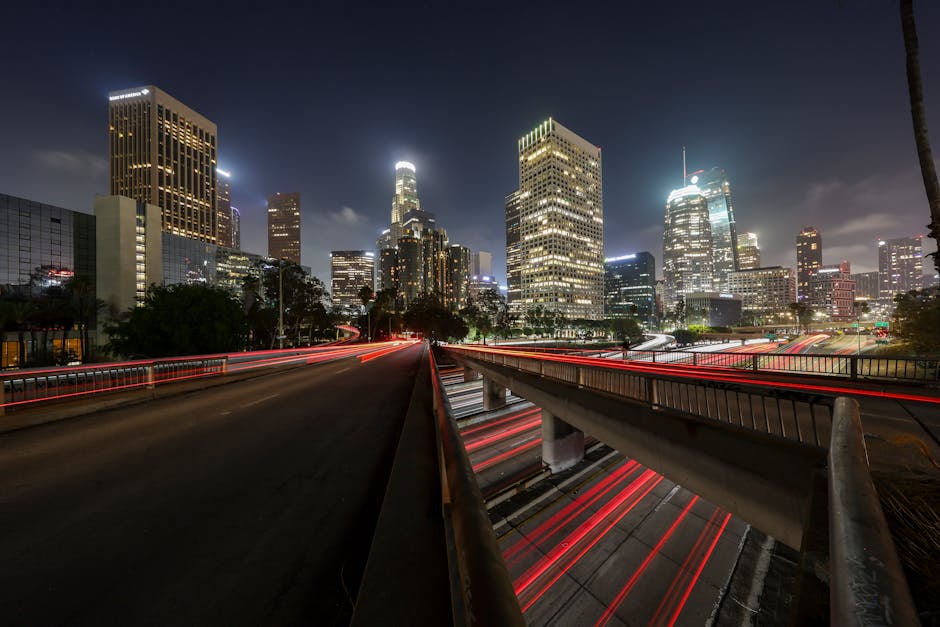
Explore the cinematic neon and hidden art galleries of LA’s Chinatown on this atmospheric self-guided evening walk.
 Moderate
Los Angeles, United States
Explore Victorian mansions, a historic lake, and quirky local landmarks on this self-guided walk through the heart of historic Echo Park.
 Easy
EasyLos Angeles, United States
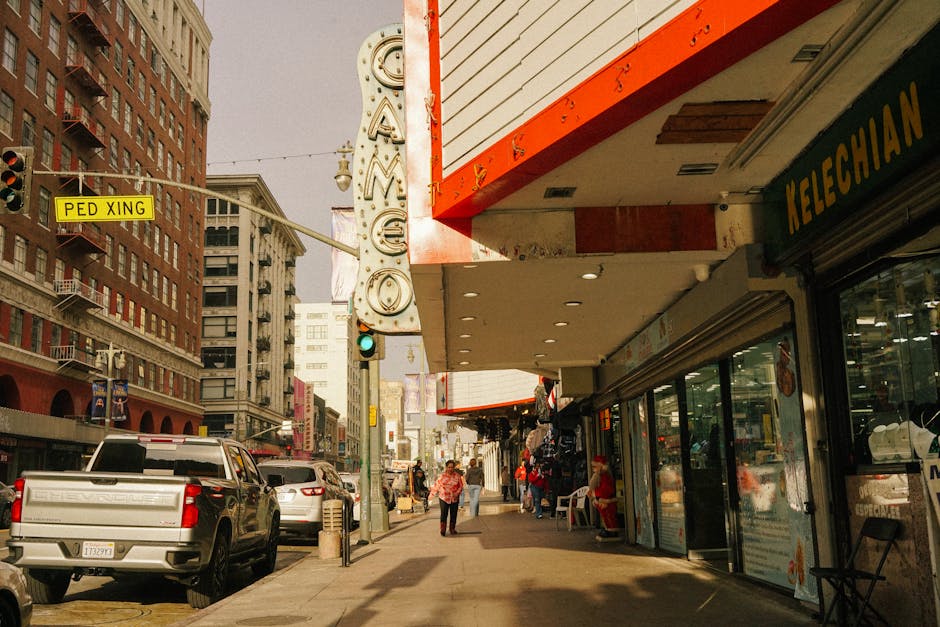
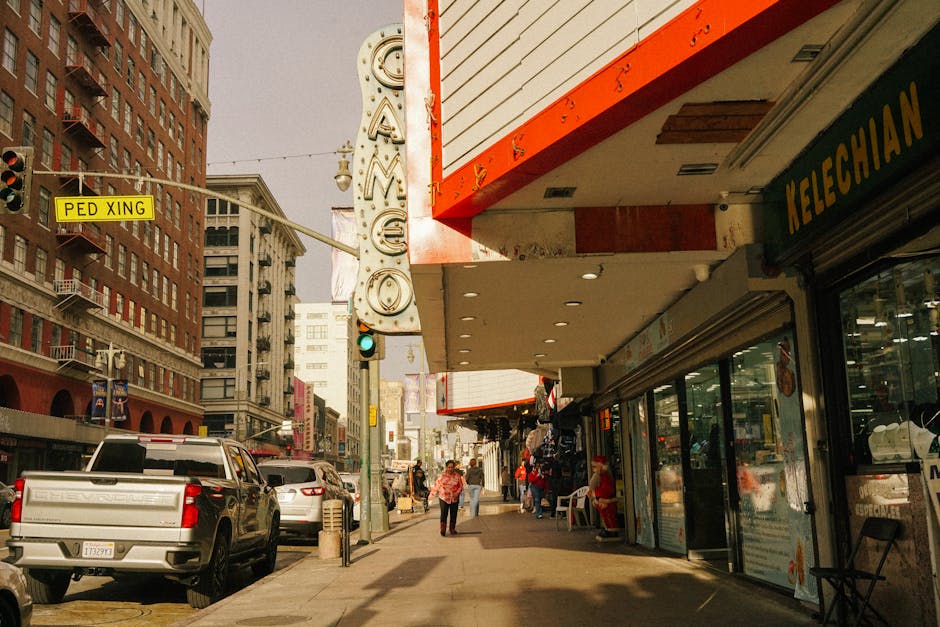
Discover the cinematic landmarks and Art Deco treasures of Downtown LA on this self-guided walking route through the city's historic heart.
 Easy
EasyLos Angeles, United States
Explore the retro charm of LA's Highland Park. Discover historic Victorian homes, neon signs, and quirky landmarks on this self-guided walk.
 Easy
EasyGothenburg, Sweden
Discover Gothenburg’s 17th-century Dutch foundations, historic canals, and military fortifications on this self-guided architectural walk.
 Easy
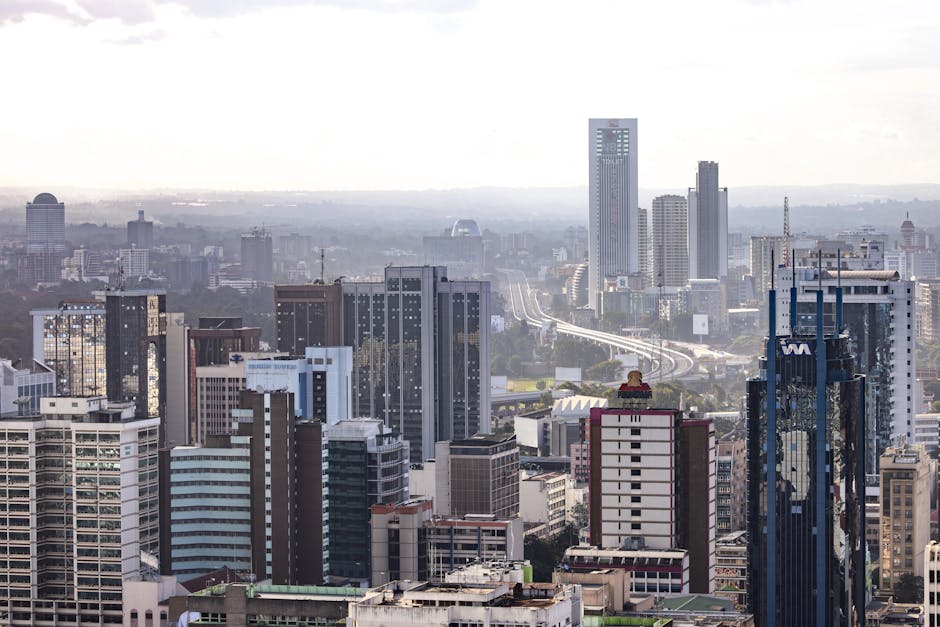
EasyNairobi, Kenya
Explore Nairobi's architectural evolution from colonial-era landmarks to iconic Brutalist skyscrapers on this historic self-guided walking route.
 Easy
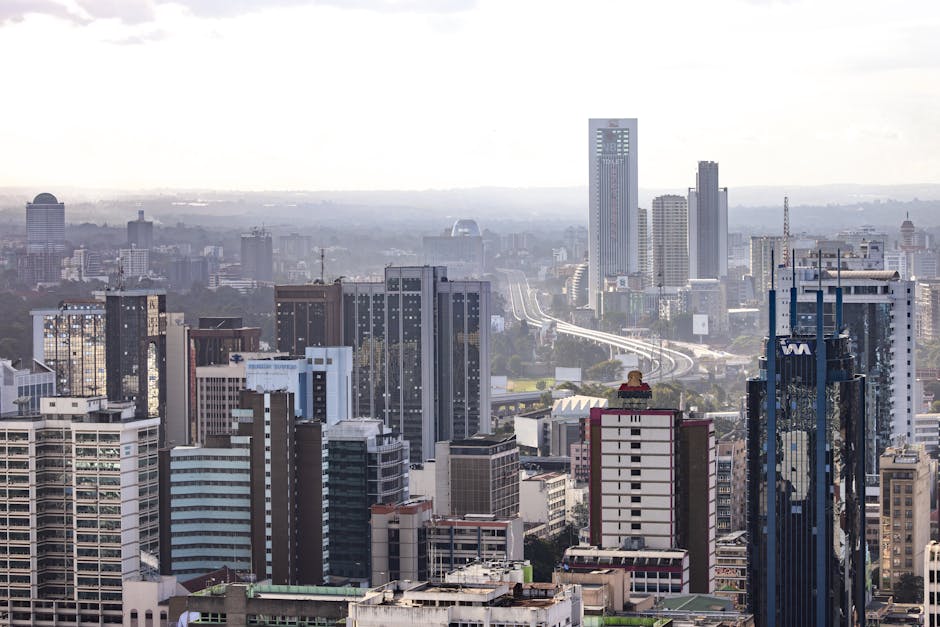
EasyNairobi, Kenya
Discover Nairobi's iconic skyline on this self-guided architecture walk through the CBD’s most famous modernist and Brutalist landmarks.
 Easy
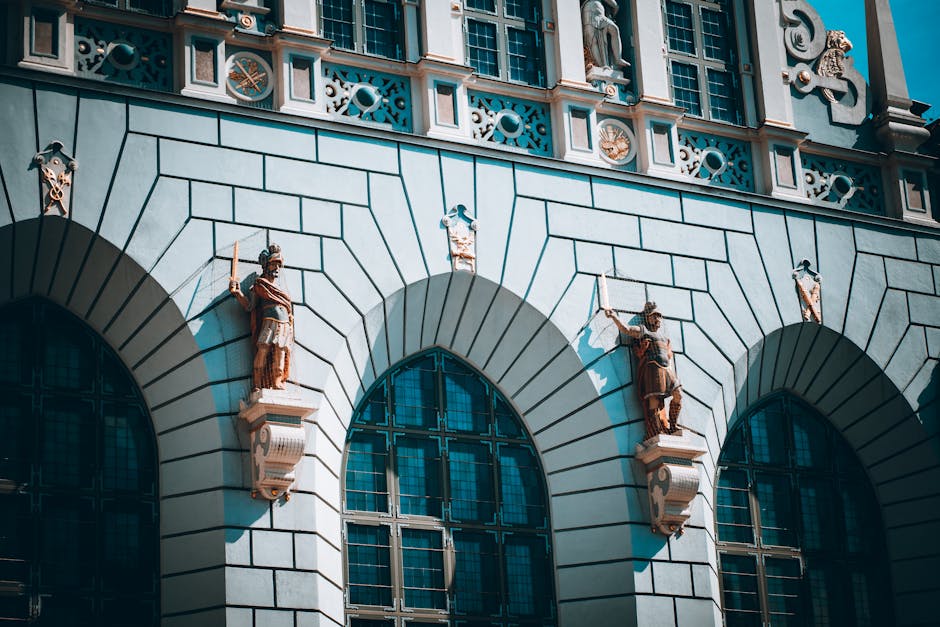
EasyGdansk, Poland
Discover the opulent Royal Way of Gdansk at your own pace. Explore Hanseatic history, gilded architecture, and the iconic Neptune's Fountain.
 Easy
EasyNew York City, United States
Explore the golden age of Manhattan architecture on this self-guided walk through Midtown's iconic Art Deco skyscrapers and historic landmarks.
 Easy
EasyNew York City, United States
Discover the literary legends, jazz haunts, and revolutionary history of Greenwich Village on this immersive self-guided walking route.
 Easy
EasyNew York City, United States
Explore Manhattan's transformation on this self-guided walk from the High Line to Hudson Yards.
 Easy
EasyNew York City, United States
Discover the world's finest cast-iron architecture and the evolution of fashion on this self-guided walking route through NYC's iconic SoHo district.
